Anti-Inflammatory Food Library
Every food rated on a 1–10 inflammation scale. See which foods fight inflammation and which ones to swap out.
Food not in the library? Scan it with Flammy
Free AI scanner. Get an inflammation score for any food in 2 seconds.


Showing 109 foods
 1/10
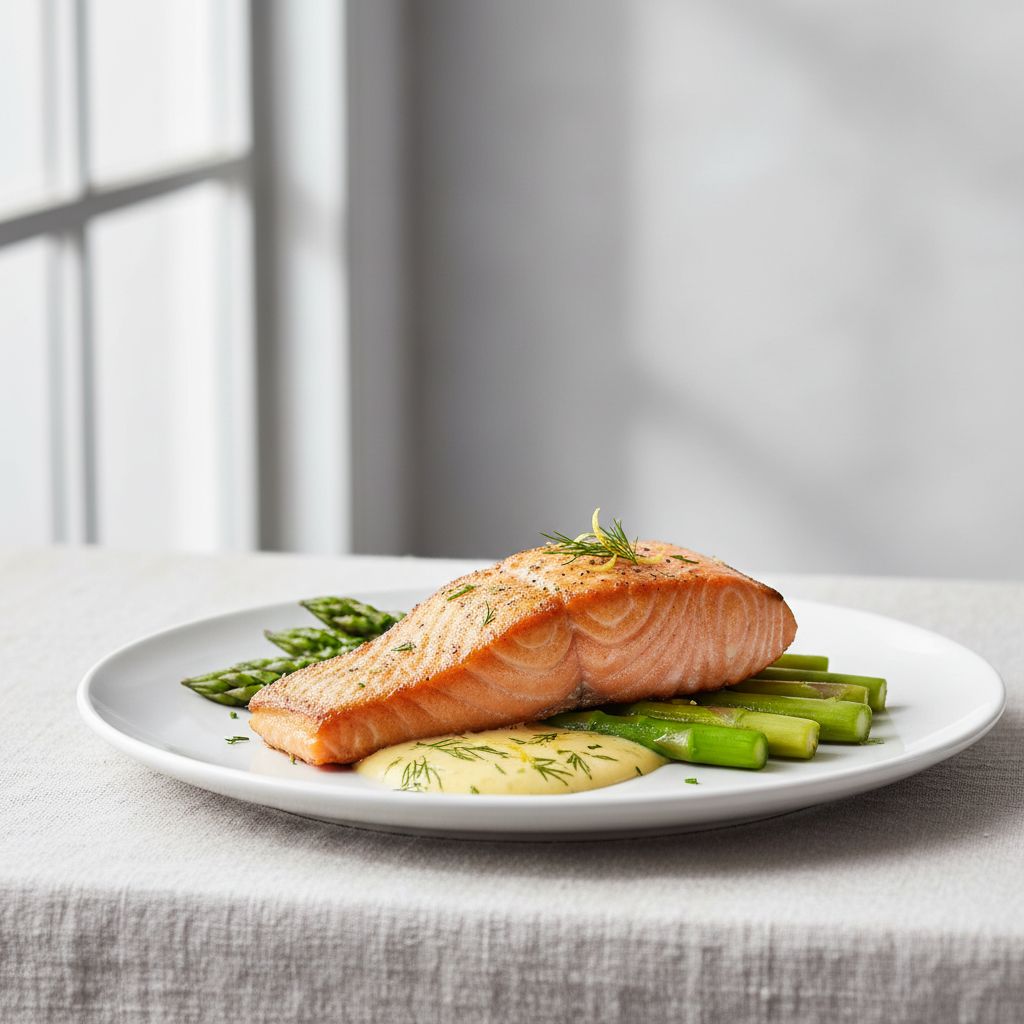
1/10Salmon
Anti-Inflammatory
Wild-caught salmon is one of the best anti-inflammatory foods available. Rich in omega-3 fatty acids (EPA and DHA), it actively reduces inflammation markers in the body and supports heart and brain health.
 1/10
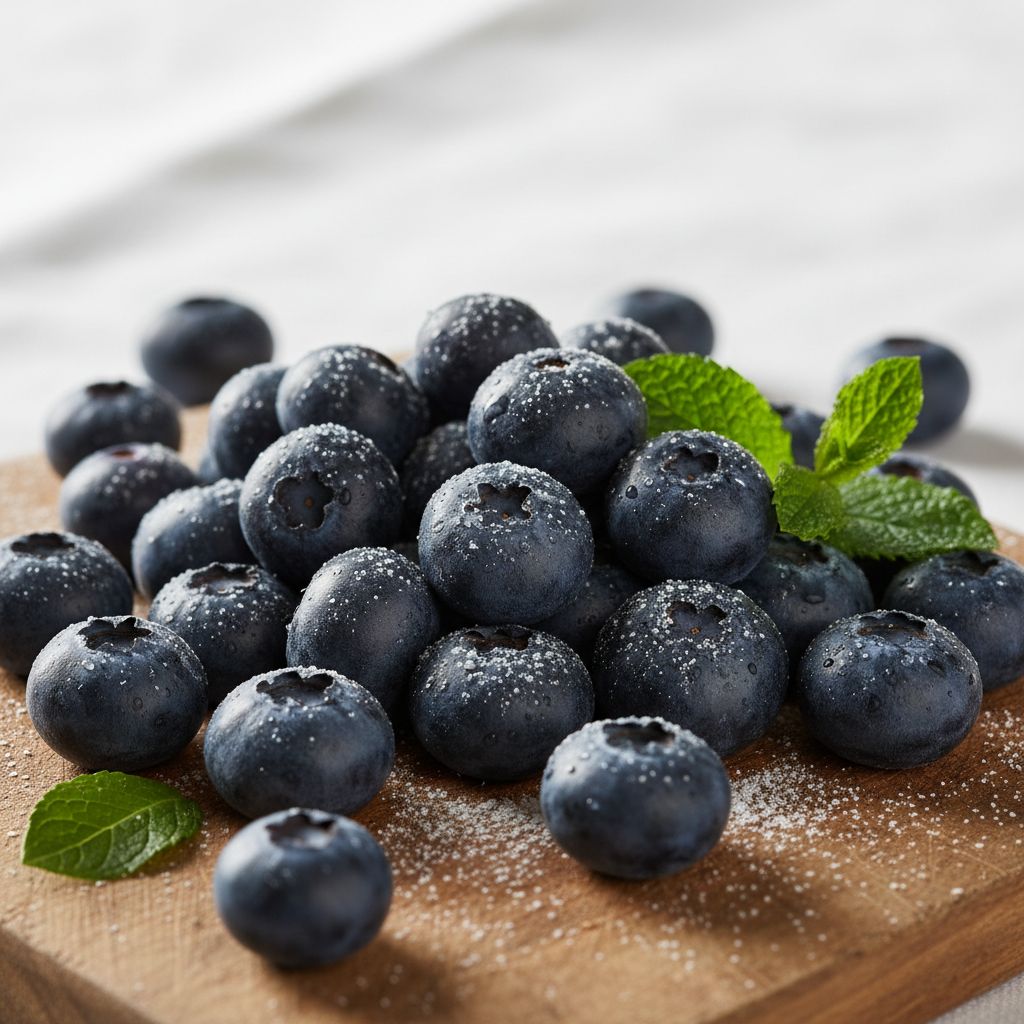
1/10Blueberries
Anti-Inflammatory
Blueberries are a superfood packed with anthocyanins and other antioxidants that actively combat inflammation. They rank among the highest antioxidant foods available.
 1/10
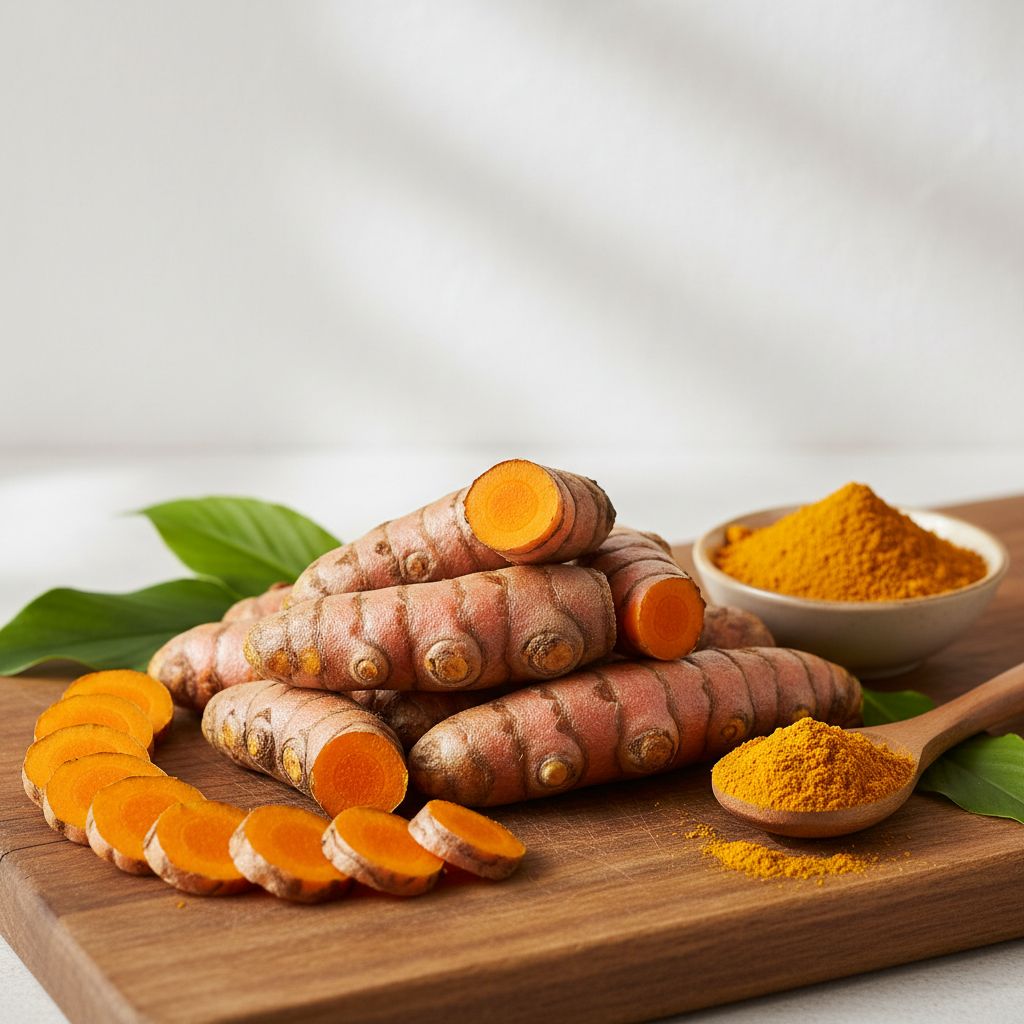
1/10Turmeric
Anti-Inflammatory
Turmeric contains curcumin, one of the most potent natural anti-inflammatory compounds known to science. It has been used in traditional medicine for thousands of years.
 1/10
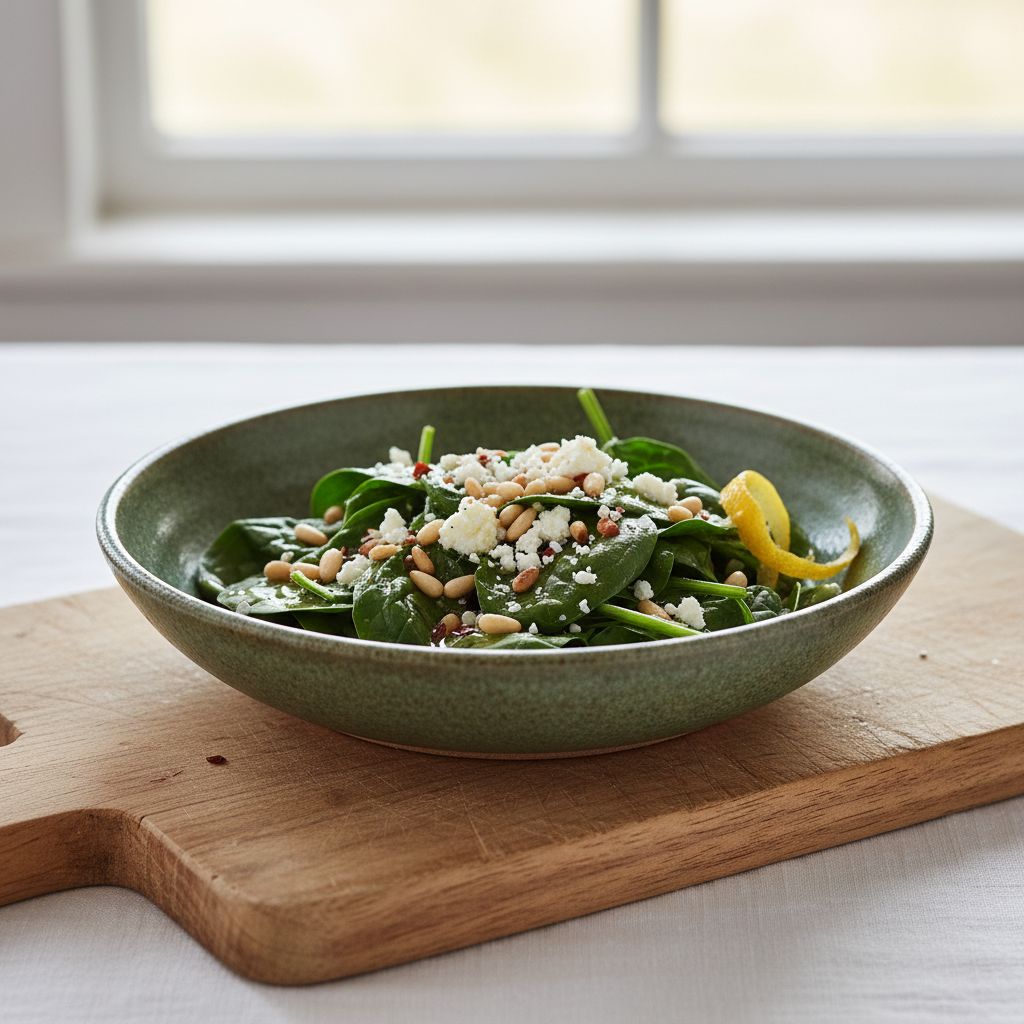
1/10Spinach
Anti-Inflammatory
Spinach is a nutrient-dense leafy green loaded with anti-inflammatory vitamins, minerals, and phytonutrients. It is one of the most versatile anti-inflammatory vegetables.
 1/10
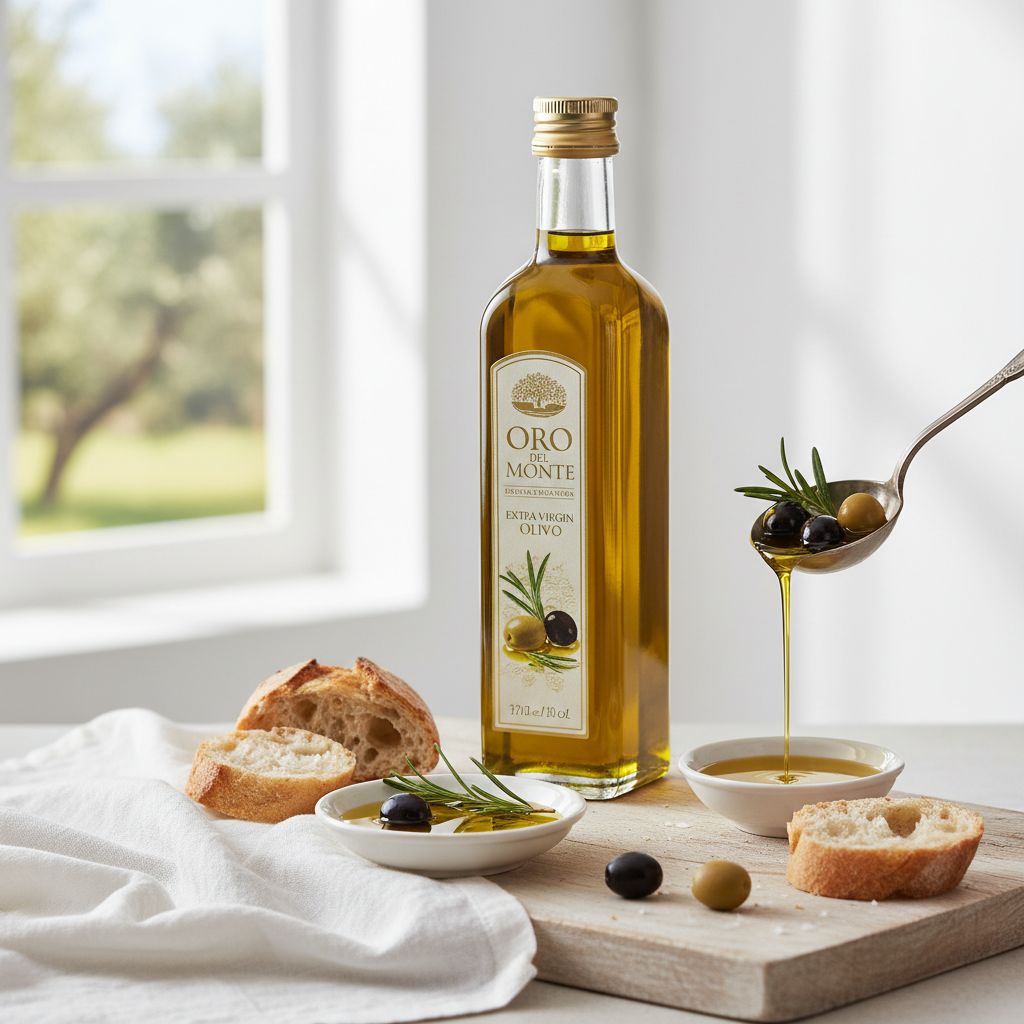
1/10Extra Virgin Olive Oil
Anti-Inflammatory
Extra virgin olive oil is a cornerstone of the Mediterranean diet and a powerful anti-inflammatory food. It contains oleocanthal, which has effects similar to ibuprofen.
 2/10
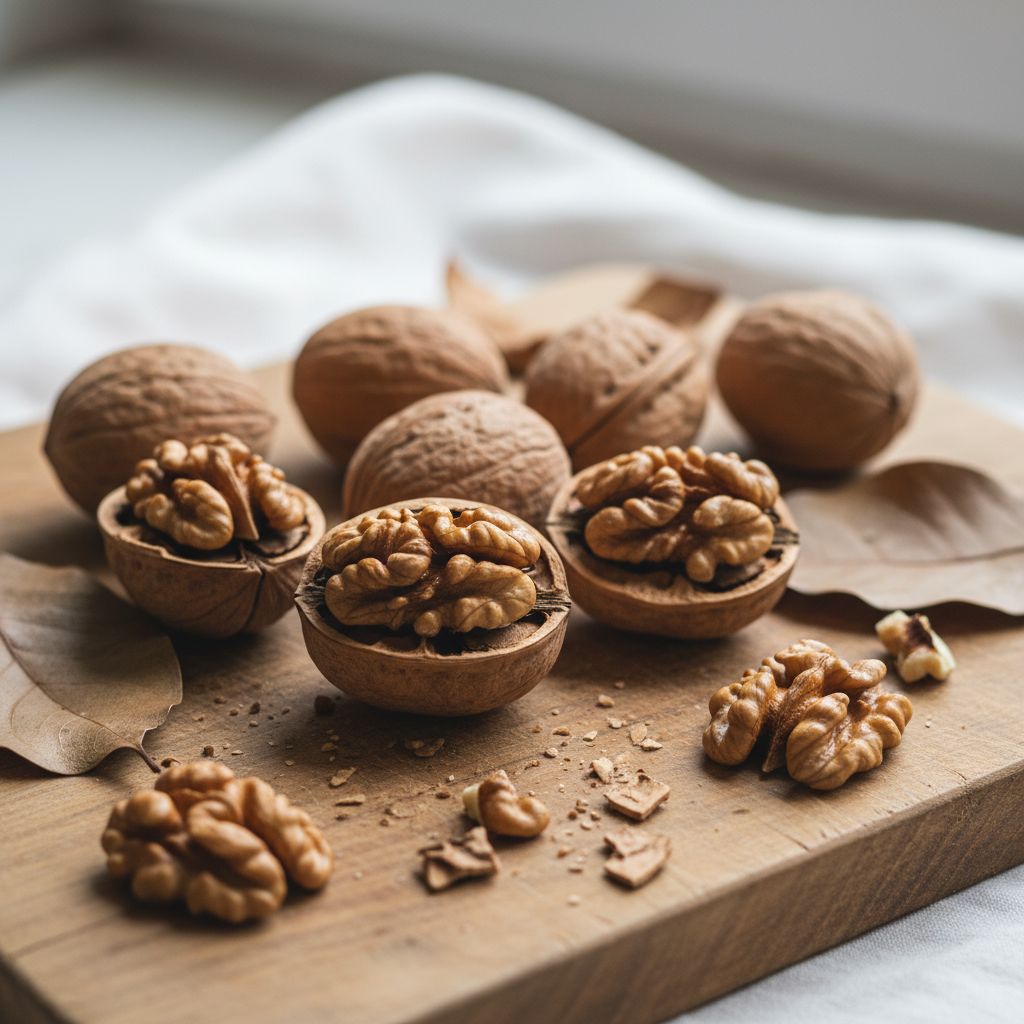
2/10Walnuts
Anti-Inflammatory
Walnuts are the only tree nut with a significant amount of alpha-linolenic acid (ALA), a plant-based omega-3 fatty acid with strong anti-inflammatory properties.
 2/10
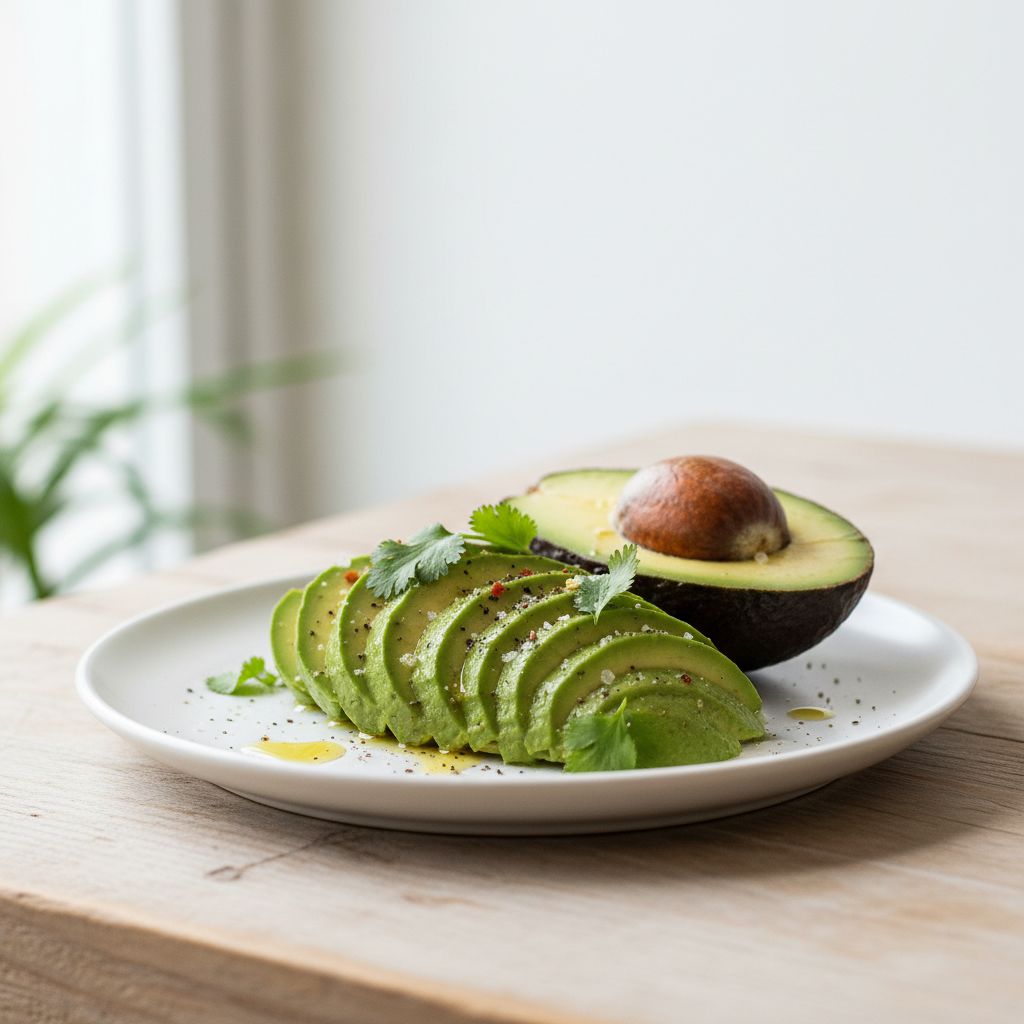
2/10Avocado
Anti-Inflammatory
Avocados are rich in monounsaturated fats, potassium, and anti-inflammatory compounds. They may even reduce the inflammatory response to other foods when eaten together.
 1/10
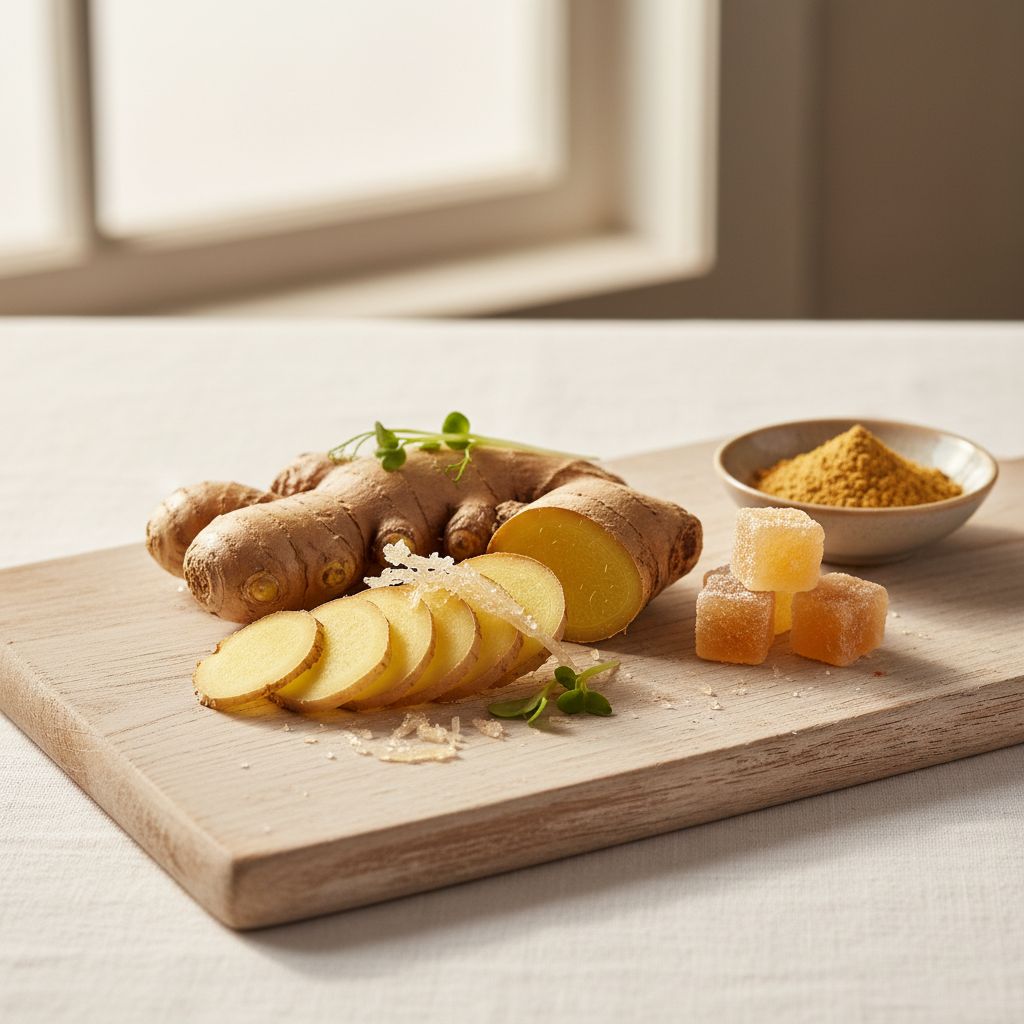
1/10Ginger
Anti-Inflammatory
Ginger contains gingerols and shogaols, bioactive compounds with powerful anti-inflammatory and antioxidant effects. It has been used medicinally for thousands of years.
 1/10
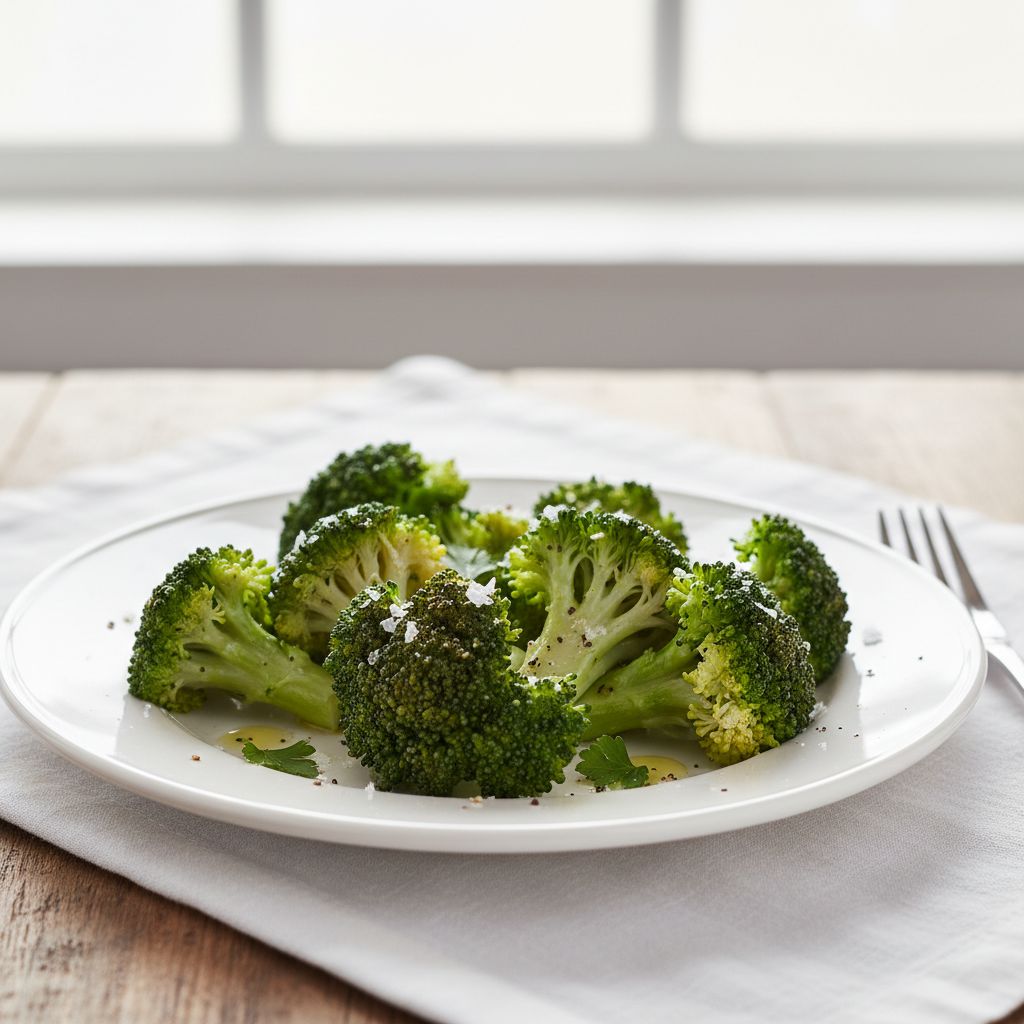
1/10Broccoli
Anti-Inflammatory
Broccoli is a cruciferous vegetable rich in sulforaphane, a compound that reduces inflammation by reducing levels of cytokines and NF-kB, key drivers of inflammation.
 1/10
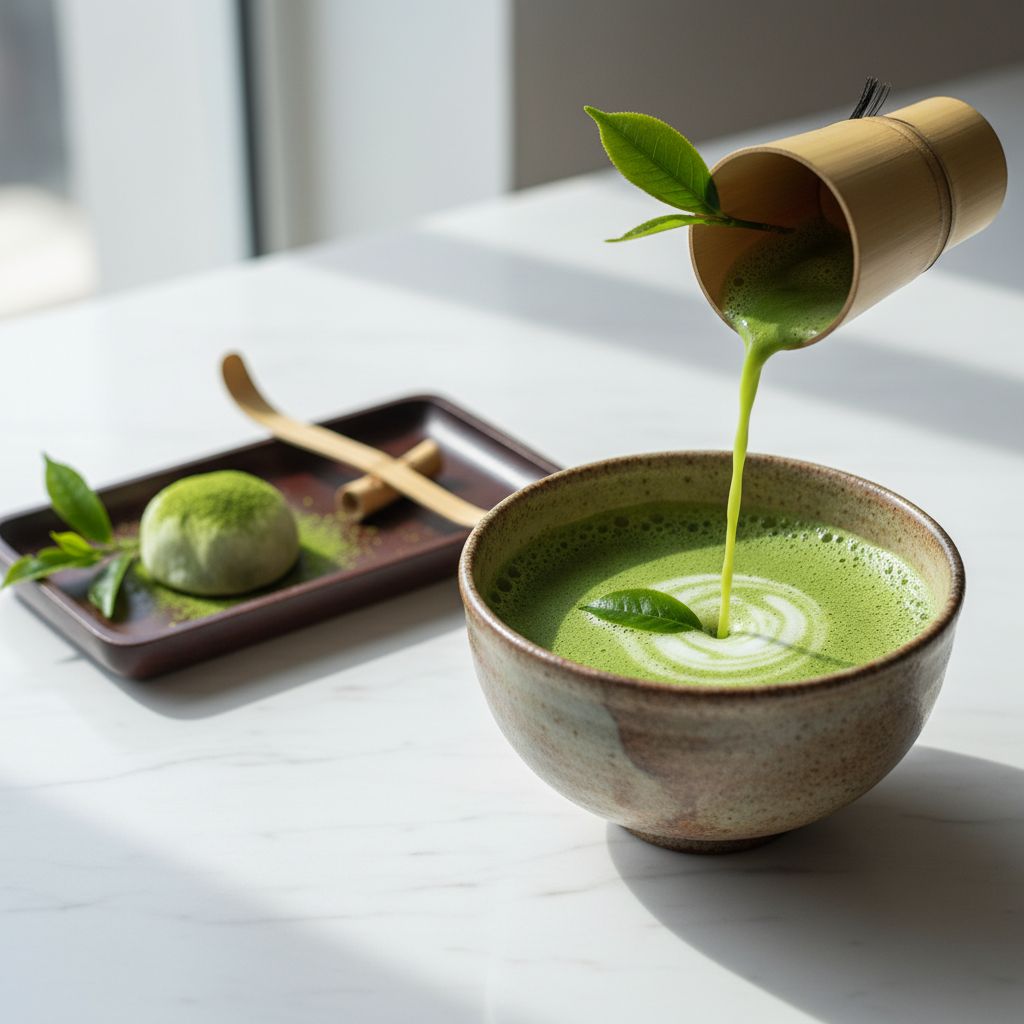
1/10Green Tea
Anti-Inflammatory
Green tea is rich in EGCG (epigallocatechin gallate), a catechin with powerful anti-inflammatory and antioxidant properties. It is one of the healthiest beverages available.
 2/10
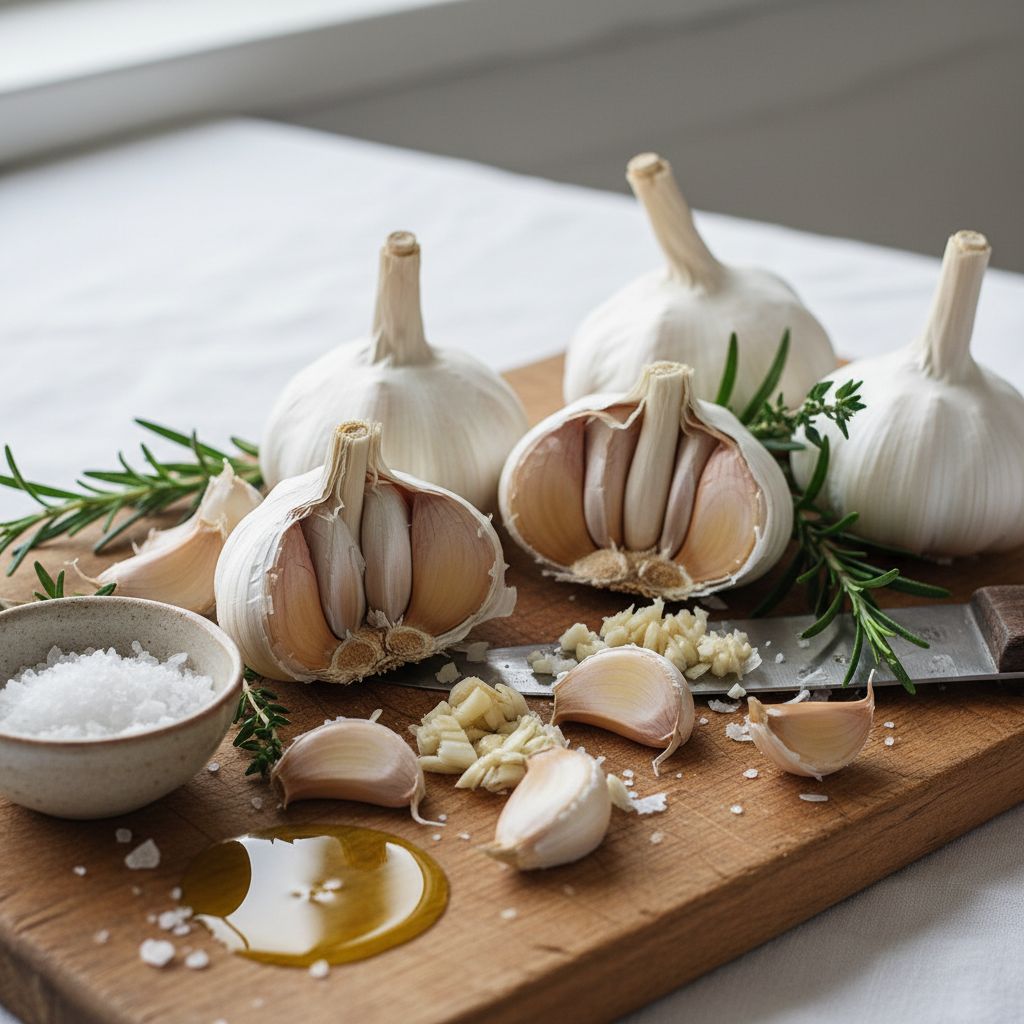
2/10Garlic
Anti-Inflammatory
Garlic contains allicin and other sulfur compounds that have impressive anti-inflammatory effects. It has been used for both culinary and medicinal purposes for centuries.
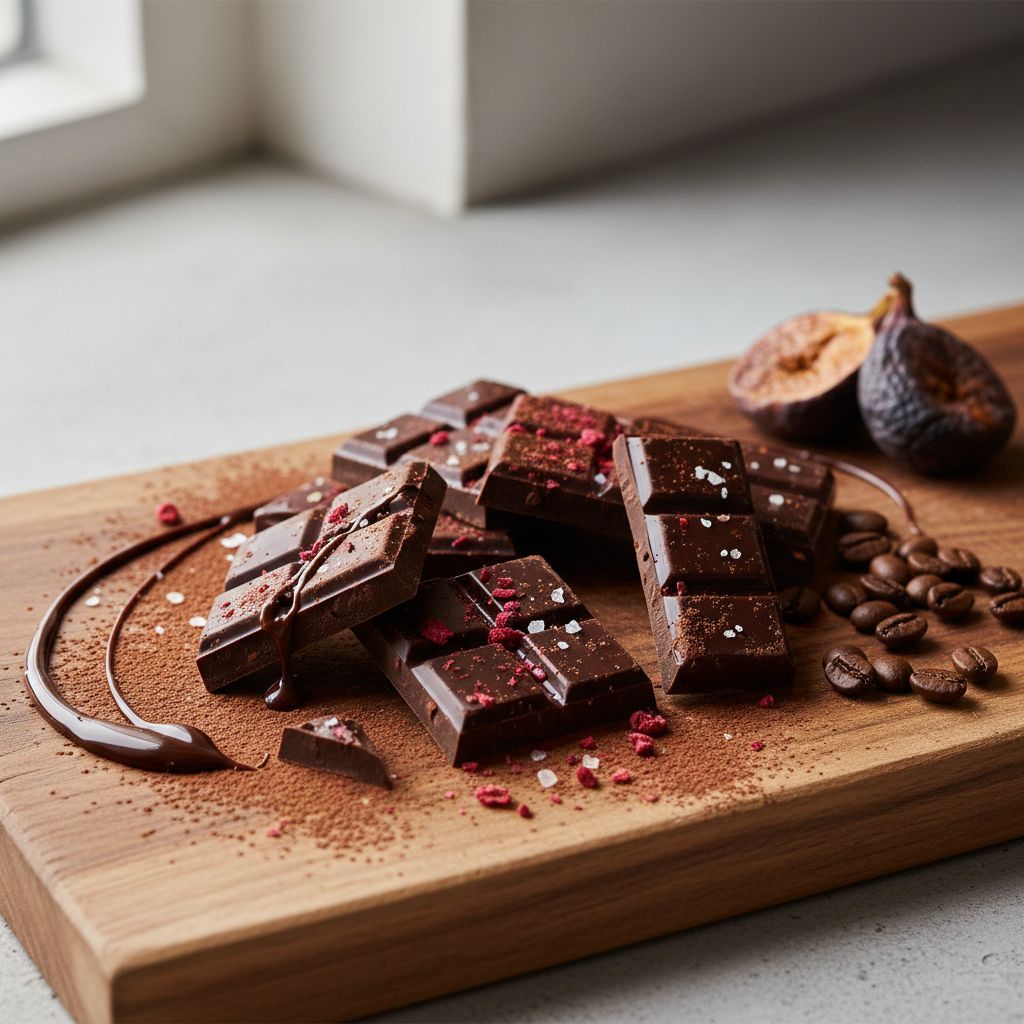 3/10
3/10Dark Chocolate
Anti-Inflammatory
Dark chocolate (70%+ cacao) is rich in flavonoids and polyphenols with anti-inflammatory properties. It contains more antioxidants than many fruits.
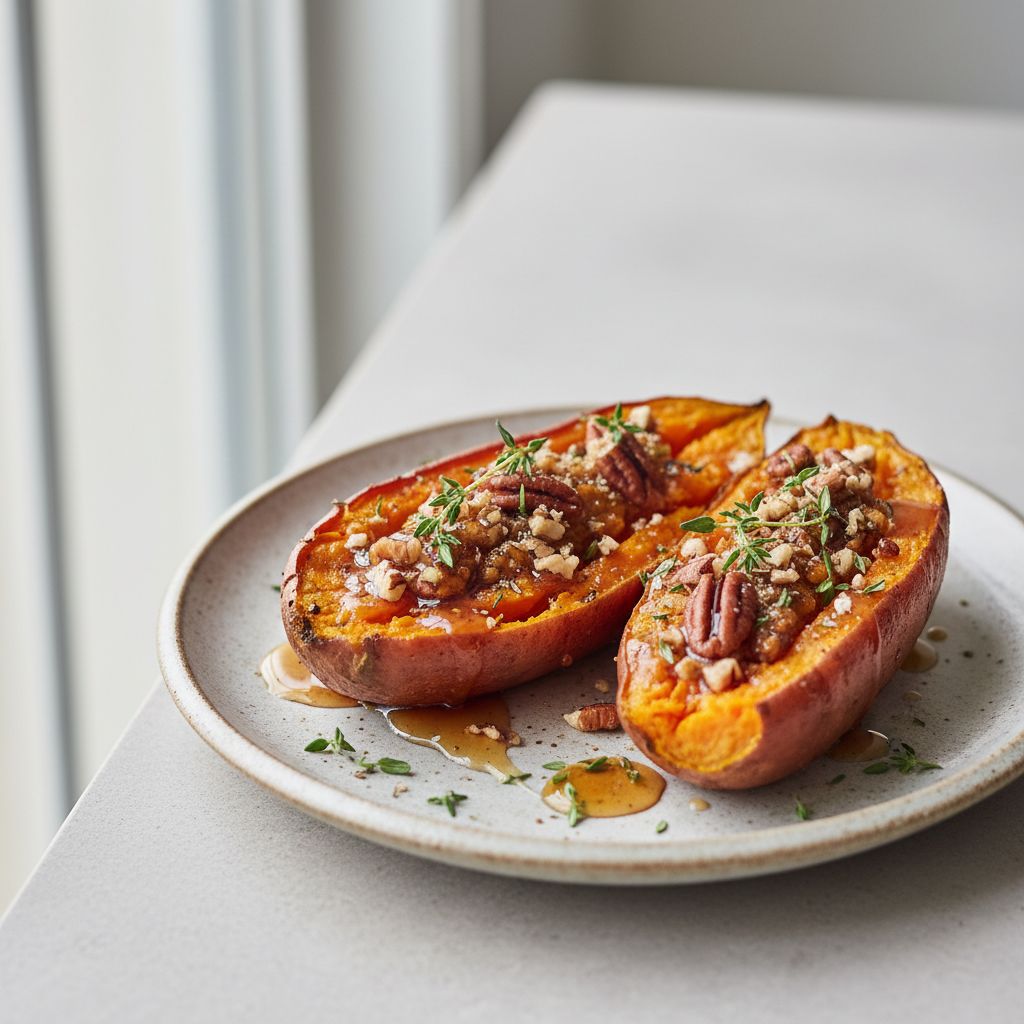 2/10
2/10Sweet Potato
Anti-Inflammatory
Sweet potatoes are rich in beta-carotene, vitamins, and anti-inflammatory anthocyanins (especially purple varieties). They are a nutritious complex carbohydrate source.
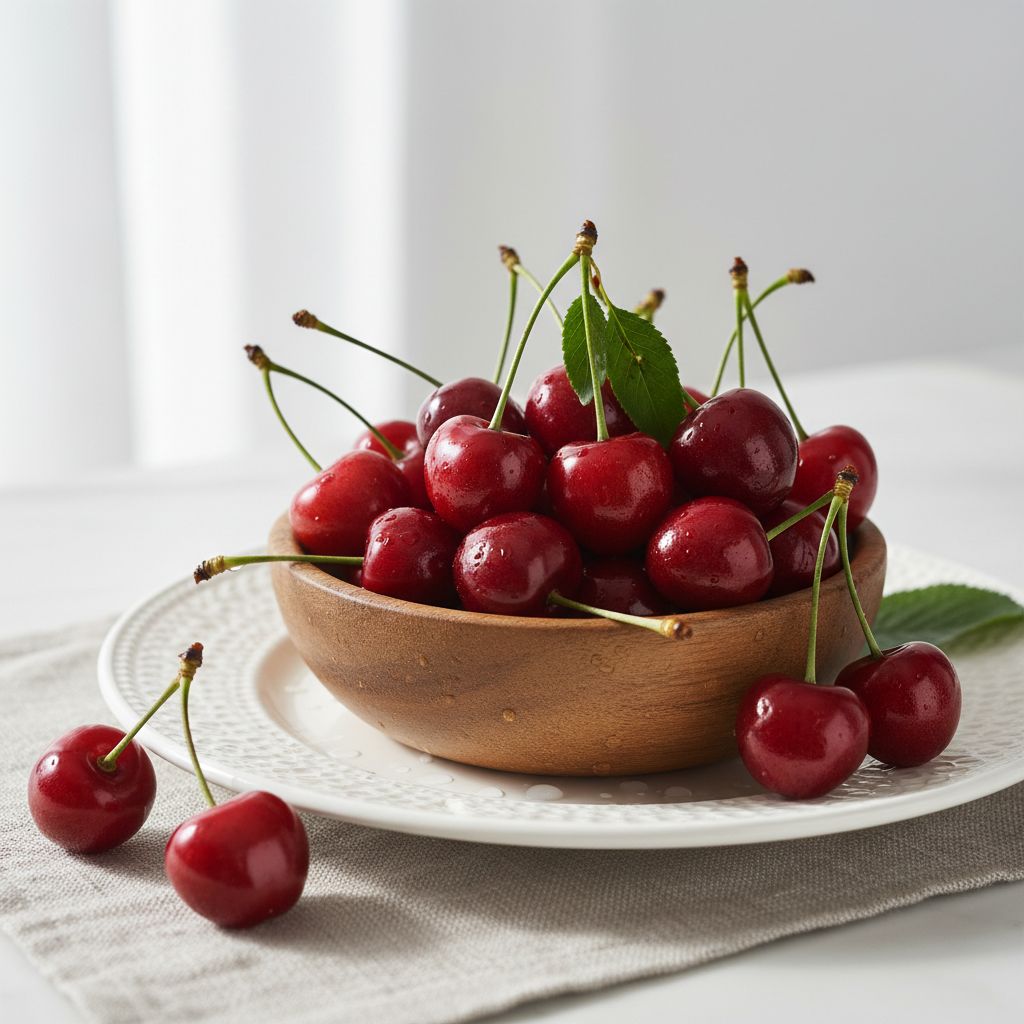 2/10
2/10Cherries
Anti-Inflammatory
Cherries, especially tart cherries, are rich in anthocyanins and have been shown to reduce markers of inflammation. They are popular among athletes for recovery.
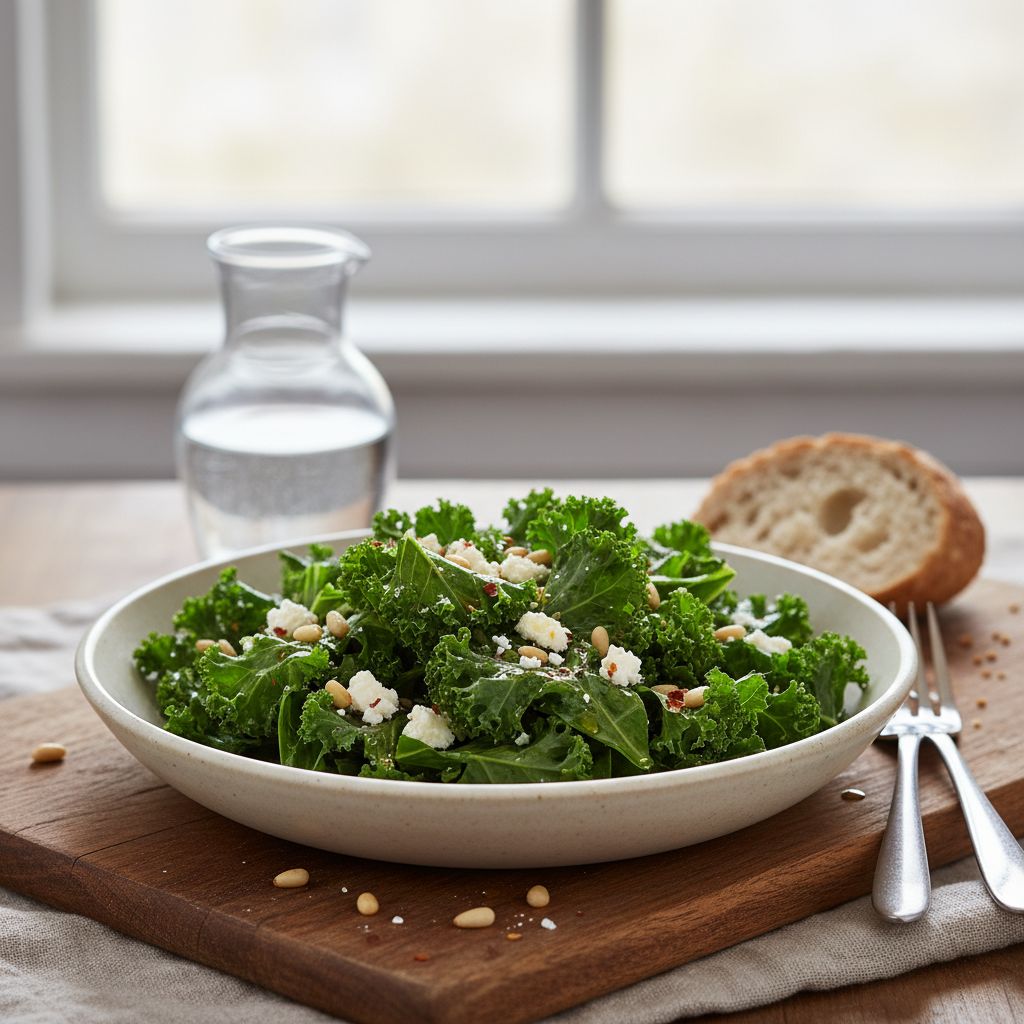 1/10
1/10Kale
Anti-Inflammatory
Kale is one of the most nutrient-dense foods on the planet. It is loaded with anti-inflammatory vitamins, minerals, and powerful antioxidants like quercetin and kaempferol.
 1/10
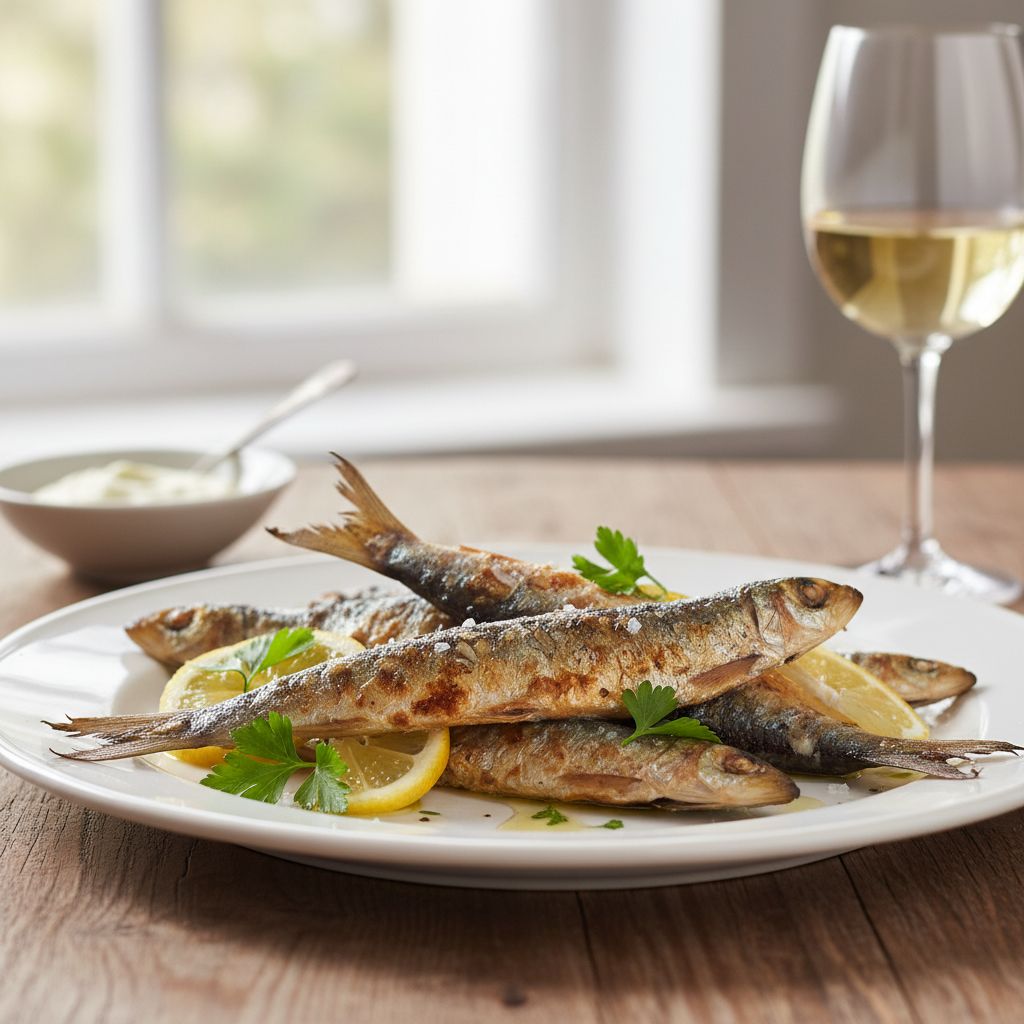
1/10Sardines
Anti-Inflammatory
Sardines are small, oily fish packed with omega-3 fatty acids, protein, and calcium. They are one of the most sustainable and least mercury-contaminated seafood options.
 2/10
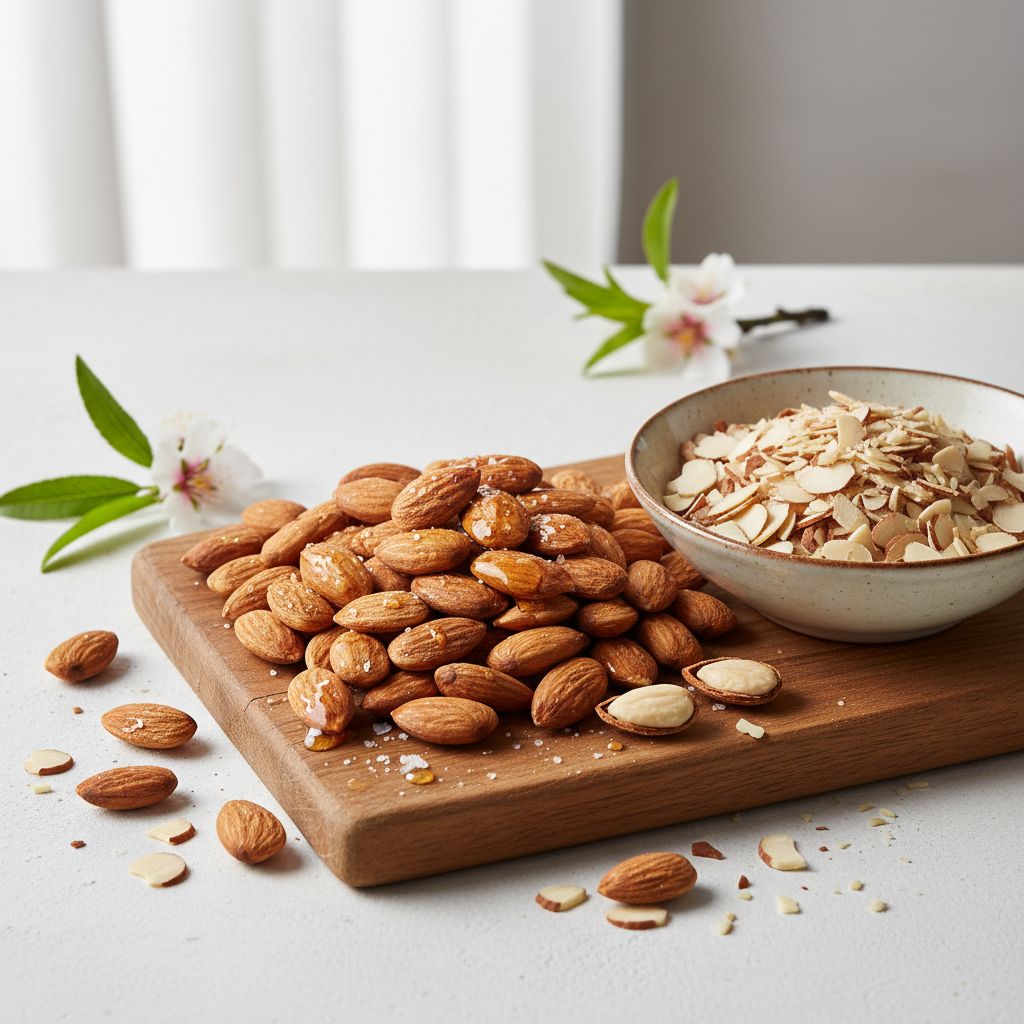
2/10Almonds
Anti-Inflammatory
Almonds are nutrient-rich tree nuts that provide healthy fats, protein, fiber, and vitamin E. Studies show regular consumption can reduce inflammatory markers like CRP.
 2/10
2/10Strawberries
Anti-Inflammatory
Strawberries are packed with vitamin C, manganese, and anti-inflammatory anthocyanins. They are delicious, low-calorie, and highly accessible.
 2/10
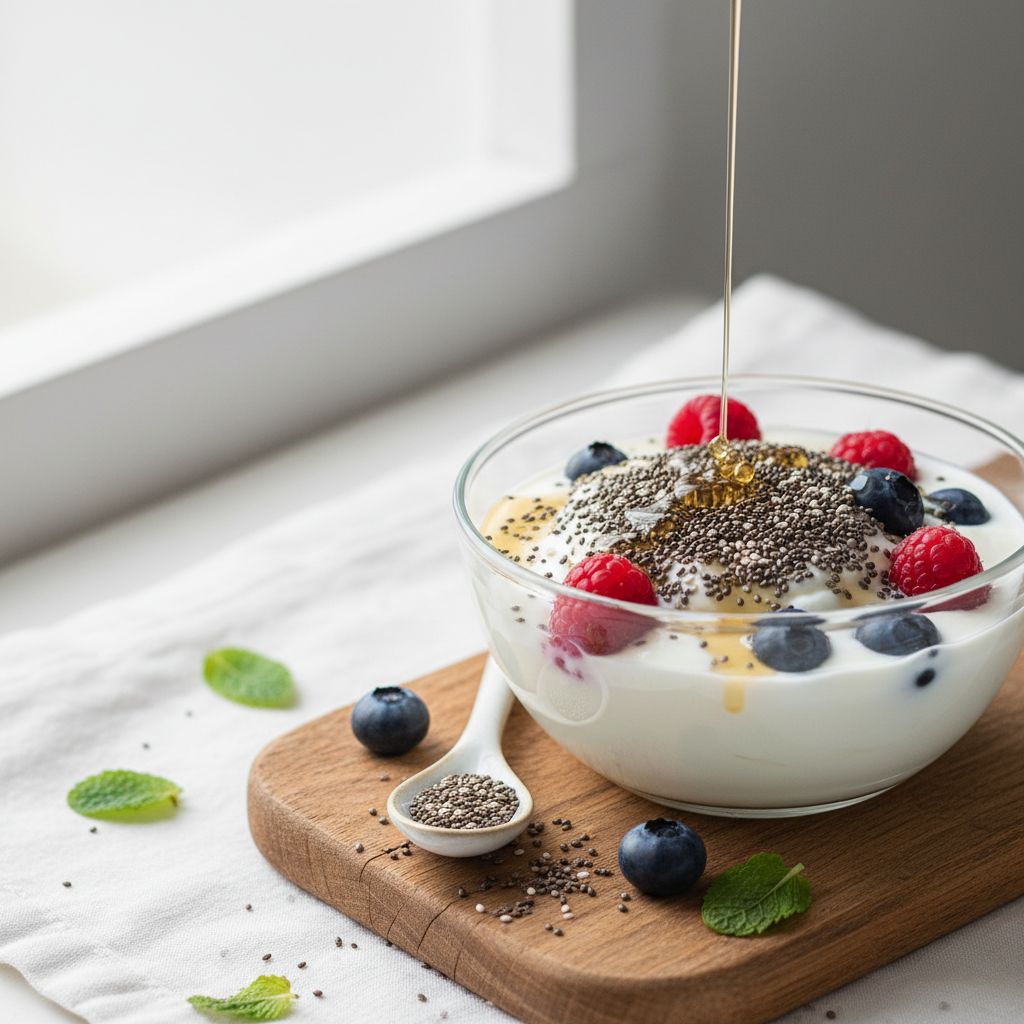
2/10Chia Seeds
Anti-Inflammatory
Chia seeds are tiny nutritional powerhouses loaded with omega-3 fatty acids, fiber, and antioxidants. They absorb liquid and form a gel, making them versatile in cooking.
 2/10
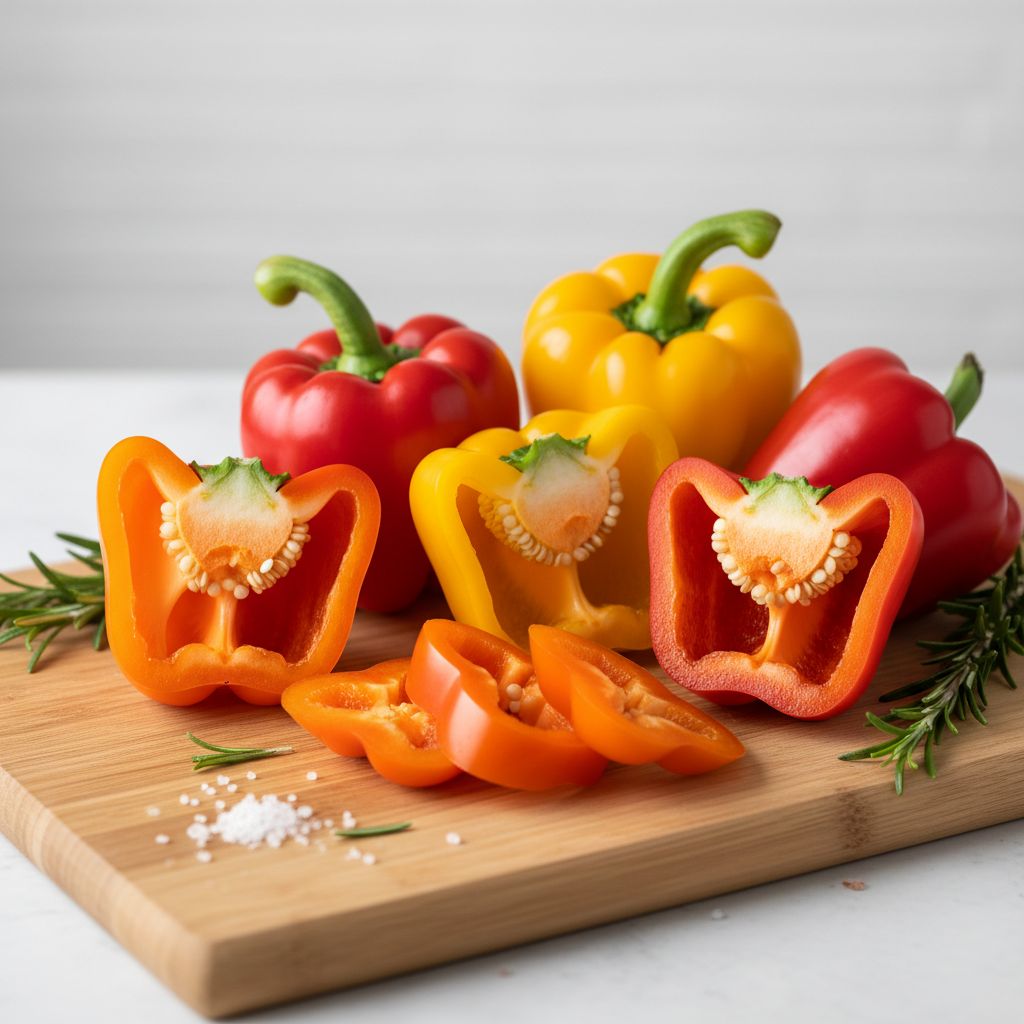
2/10Bell Peppers
Anti-Inflammatory
Bell peppers are exceptionally rich in vitamin C and contain a variety of antioxidants. Red bell peppers have the highest nutrient content among all bell pepper colors.
 2/10
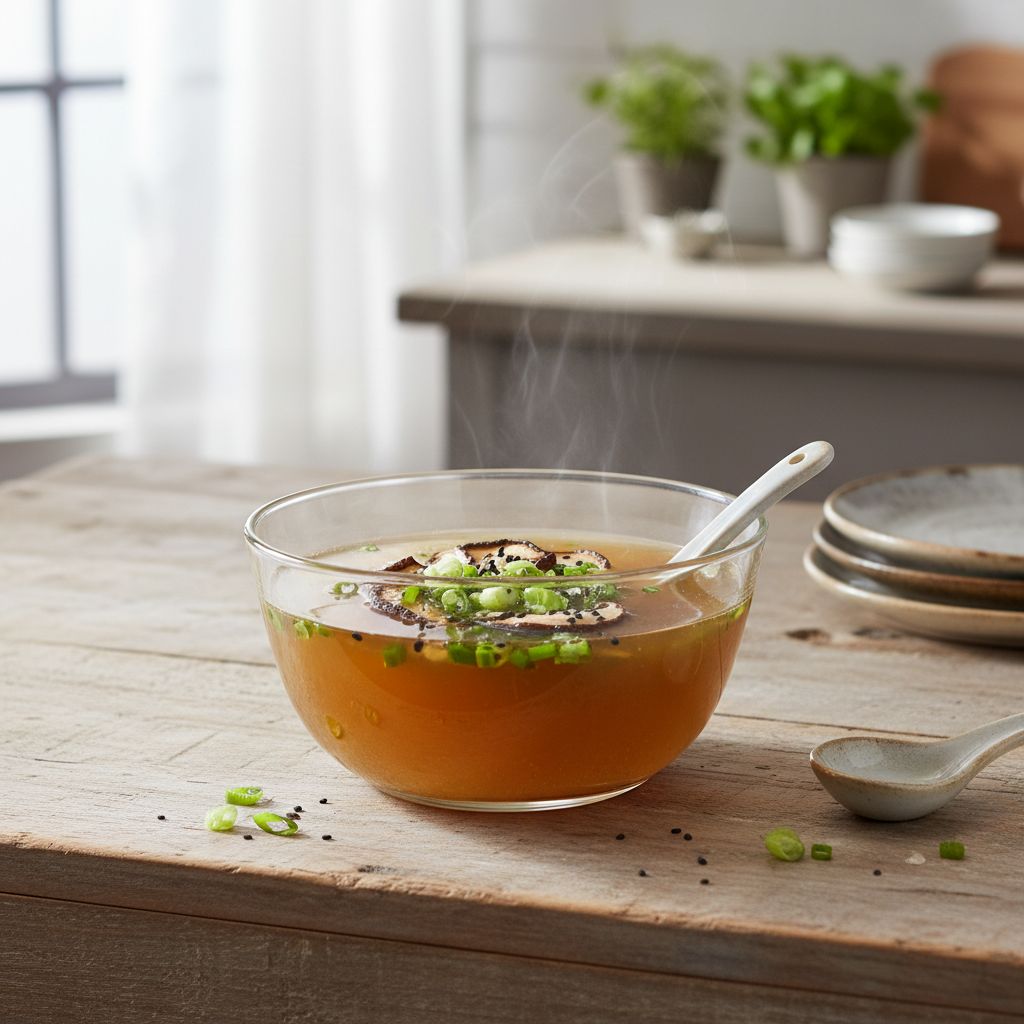
2/10Bone Broth
Anti-Inflammatory
Bone broth is made by simmering bones and connective tissue. It contains collagen, amino acids like glycine and proline, and minerals that support gut health and reduce inflammation.
 3/10
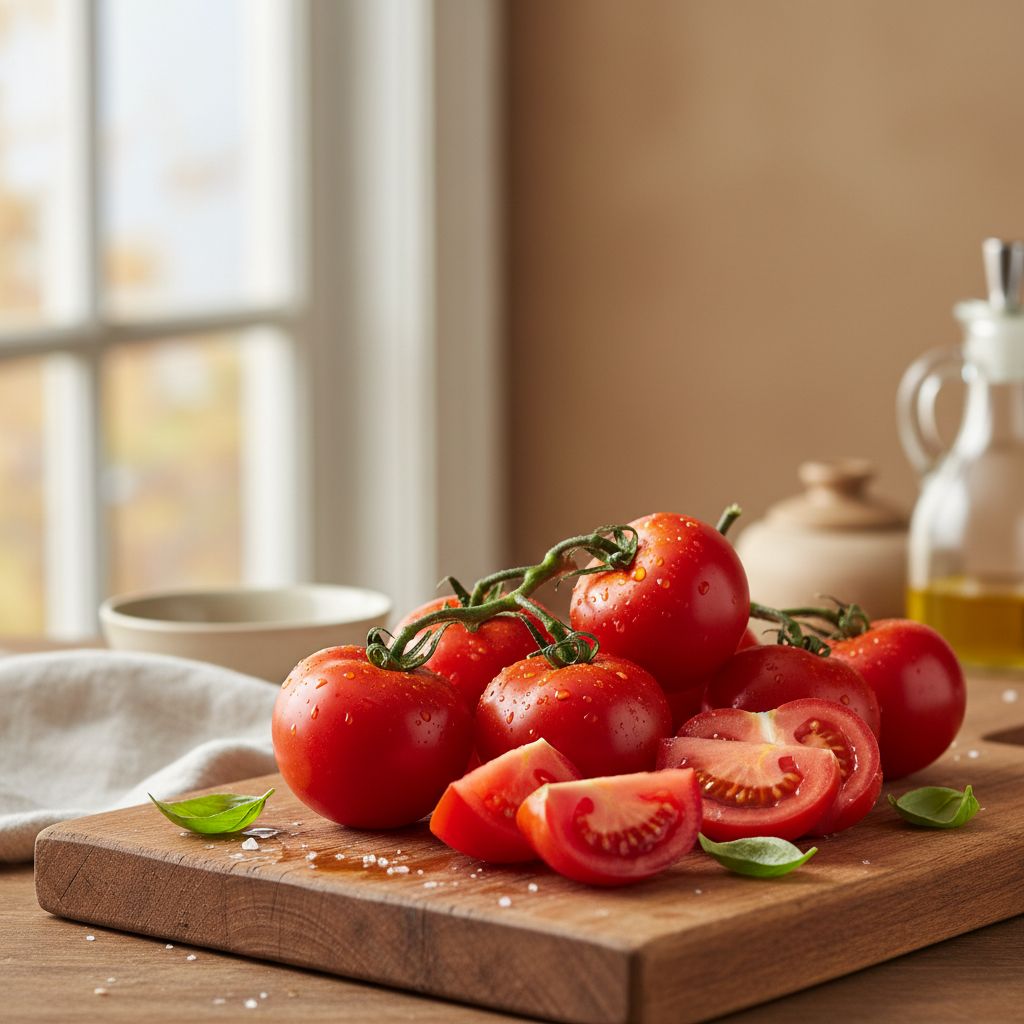
3/10Tomatoes
Anti-Inflammatory
Tomatoes are rich in lycopene, a powerful antioxidant that gives them their red color. Cooking tomatoes increases lycopene bioavailability significantly.
 2/10
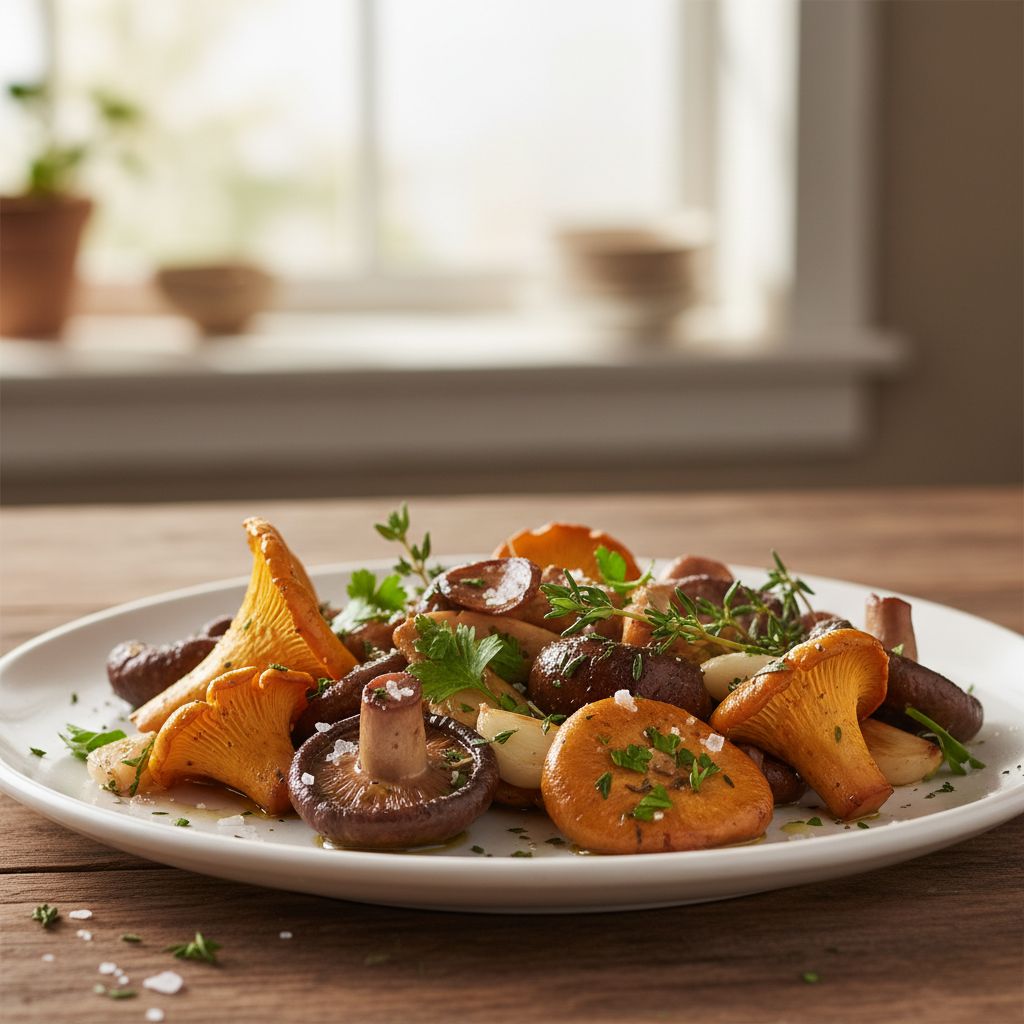
2/10Mushrooms
Anti-Inflammatory
Mushrooms contain unique anti-inflammatory compounds including ergothioneine, beta-glucans, and phenolic compounds. Varieties like shiitake, maitake, and lion's mane offer powerful benefits.
 3/10
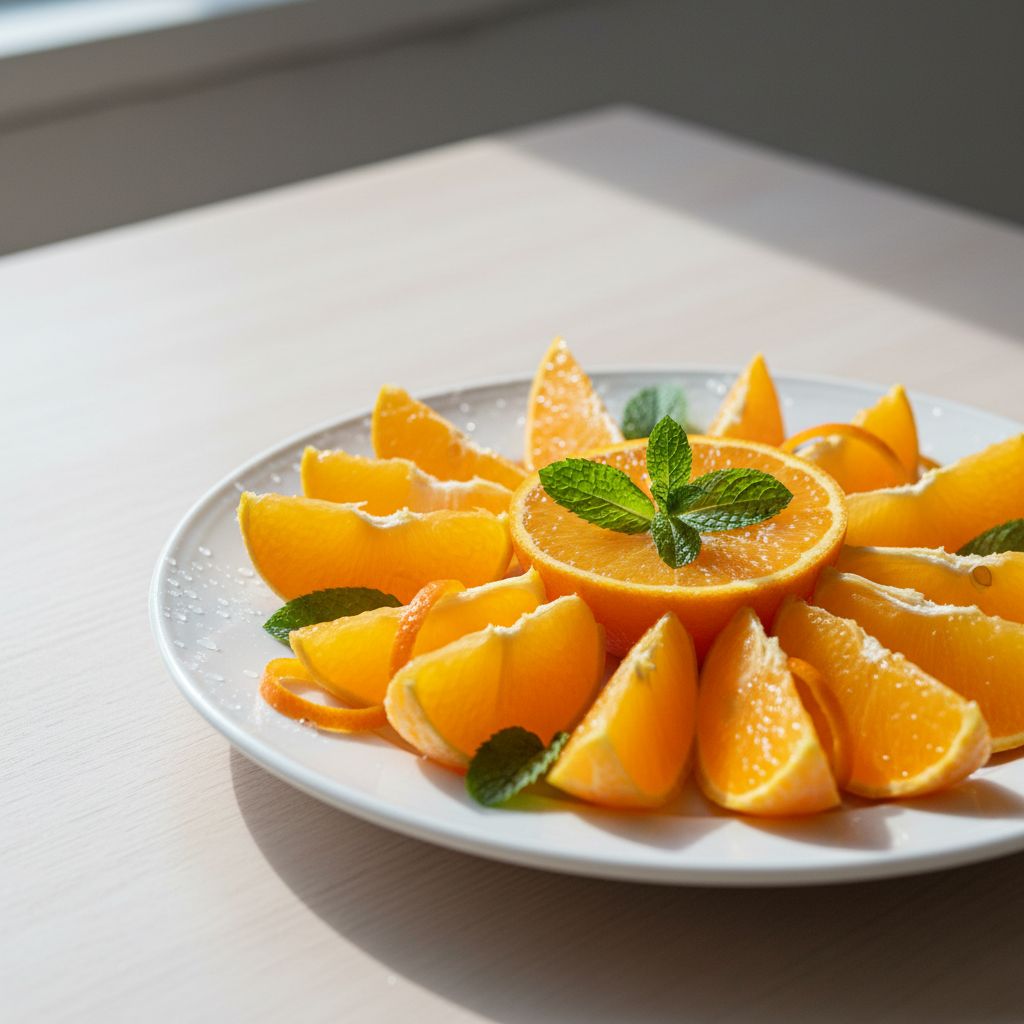
3/10Oranges
Anti-Inflammatory
Oranges are an excellent source of vitamin C and flavonoids with anti-inflammatory properties. The whole fruit is preferred over juice for its fiber content.
 3/10
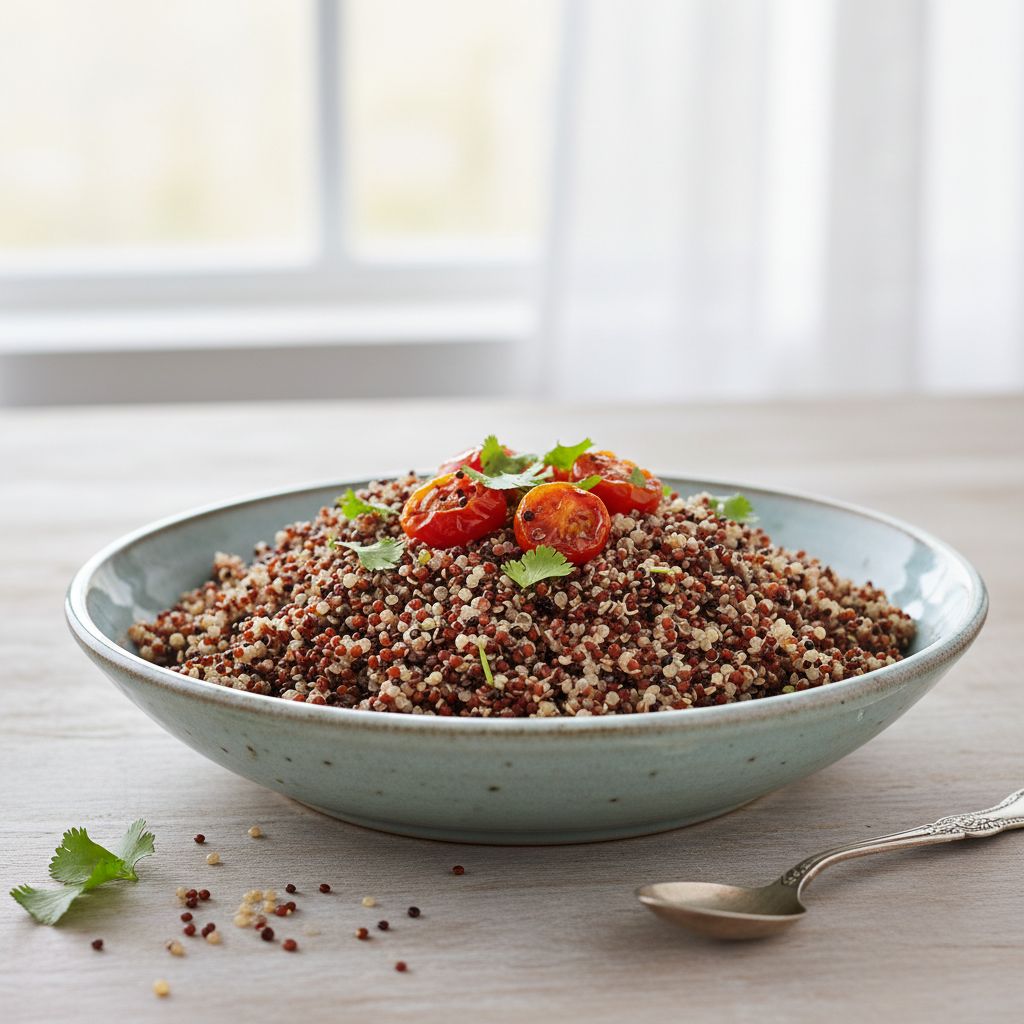
3/10Quinoa
Anti-Inflammatory
Quinoa is a gluten-free pseudo-grain that is a complete protein source. It contains anti-inflammatory flavonoids like quercetin and kaempferol.
 4/10
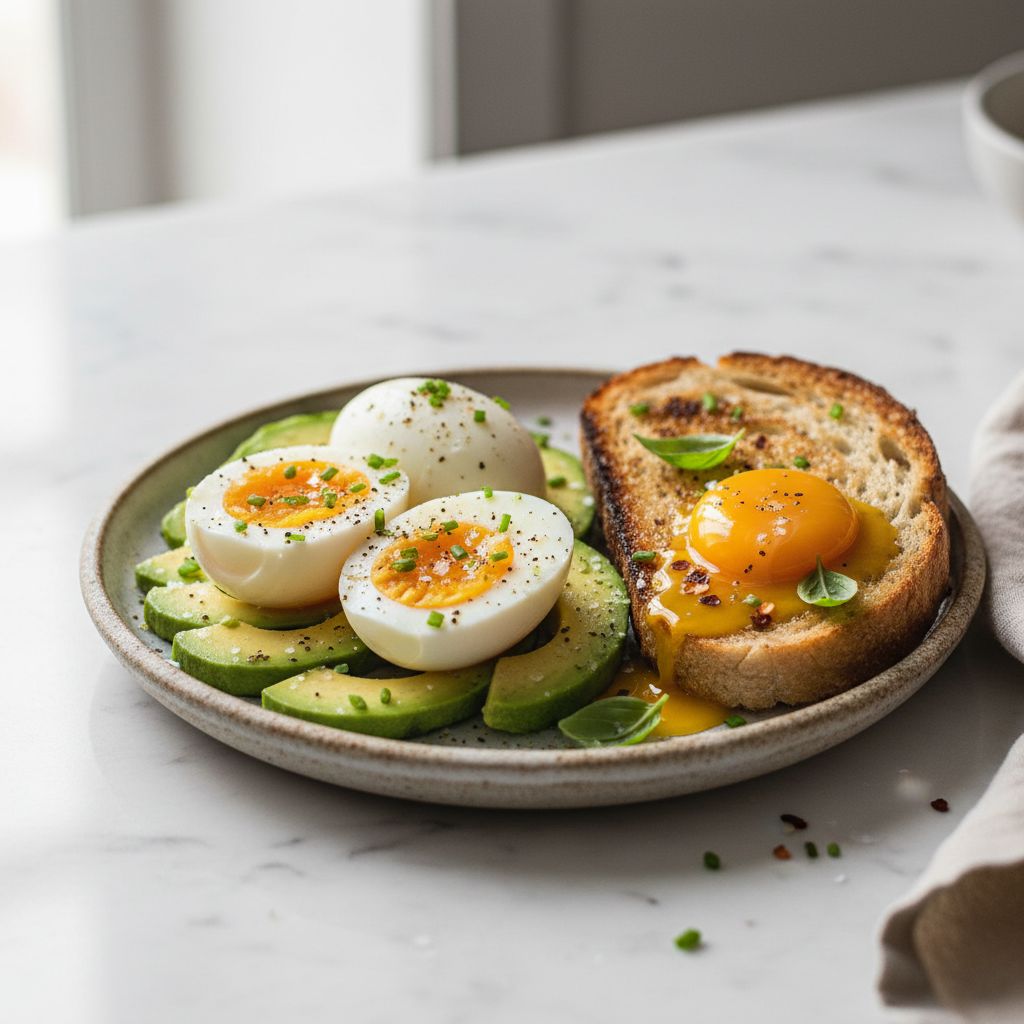
4/10Eggs
Neutral
Eggs are a highly nutritious, affordable protein source. While they contain some omega-6 fatty acids, they also provide choline, B vitamins, and antioxidants. Their inflammatory impact is generally neutral.
 4/10
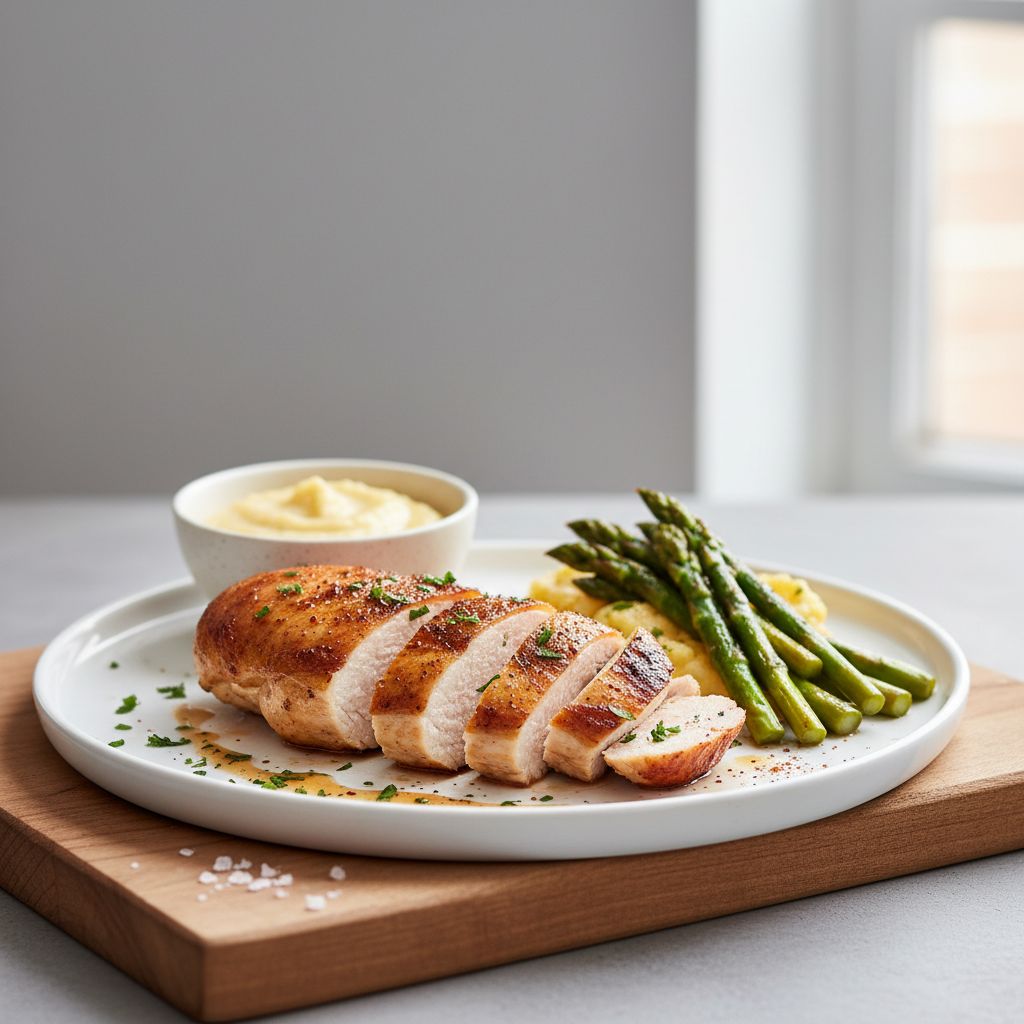
4/10Chicken Breast
Neutral
Chicken breast is a lean protein source that is relatively neutral on the inflammatory scale. It provides essential amino acids without the high saturated fat of red meat.
 4/10
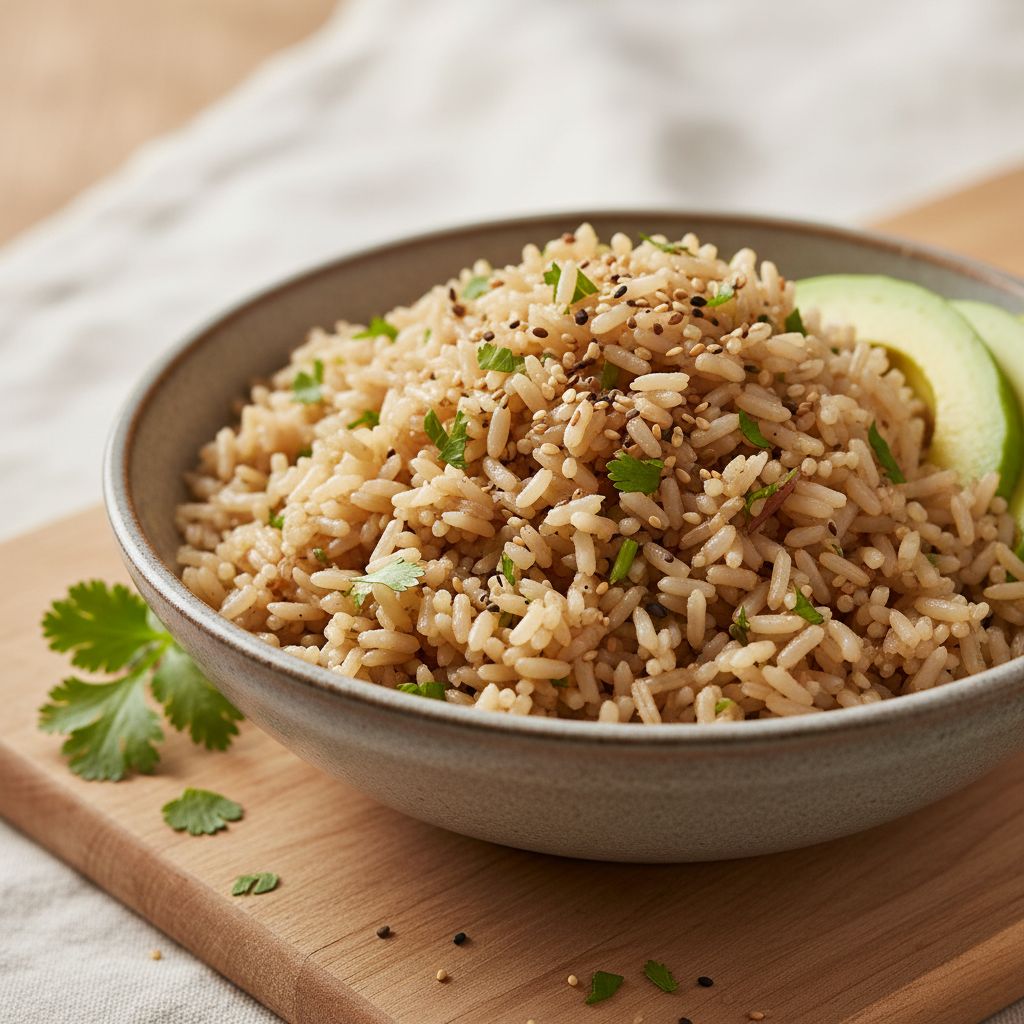
4/10Brown Rice
Neutral
Brown rice is a whole grain that retains its bran and germ, providing more fiber and nutrients than white rice. It has a generally neutral inflammatory profile.
 4/10
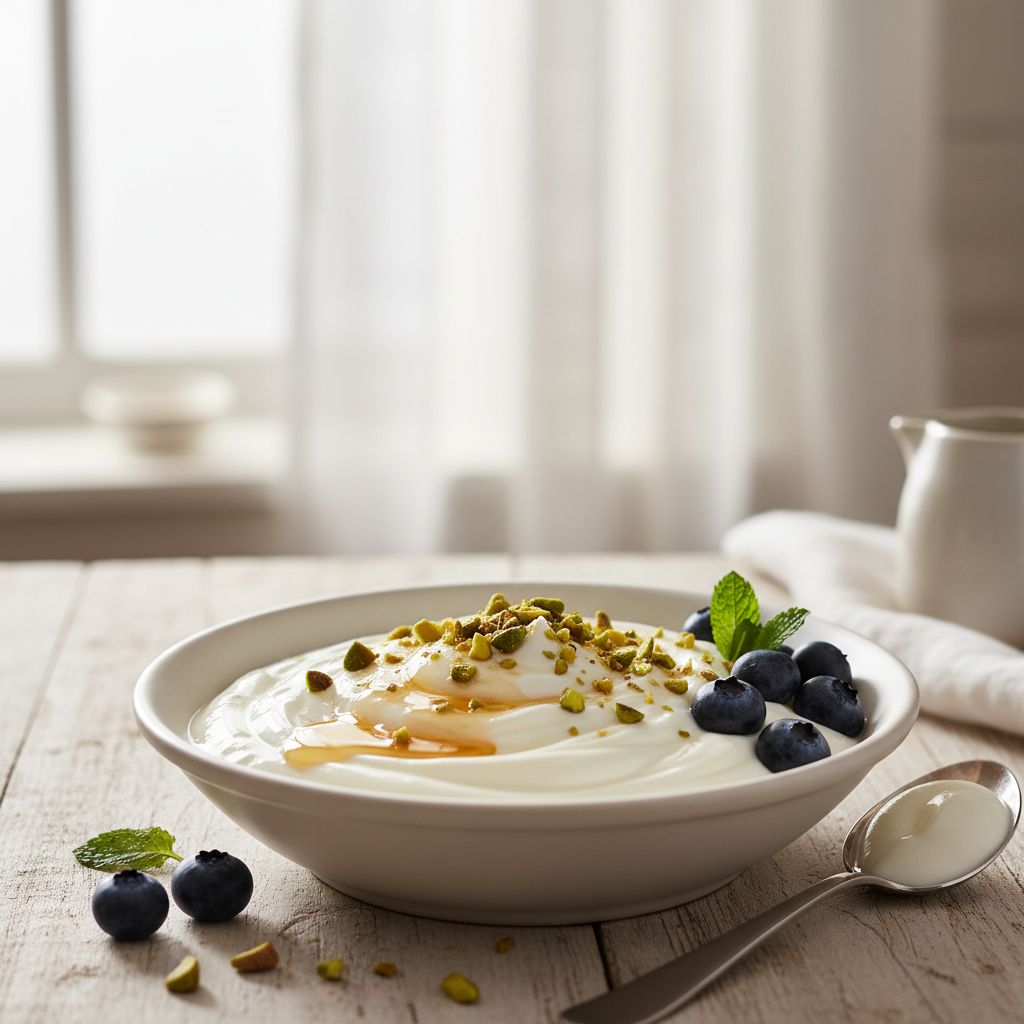
4/10Greek Yogurt
Neutral
Greek yogurt provides probiotics, protein, and calcium. Plain, unsweetened varieties are neutral on the inflammatory scale, while sweetened versions lean inflammatory.
 4/10
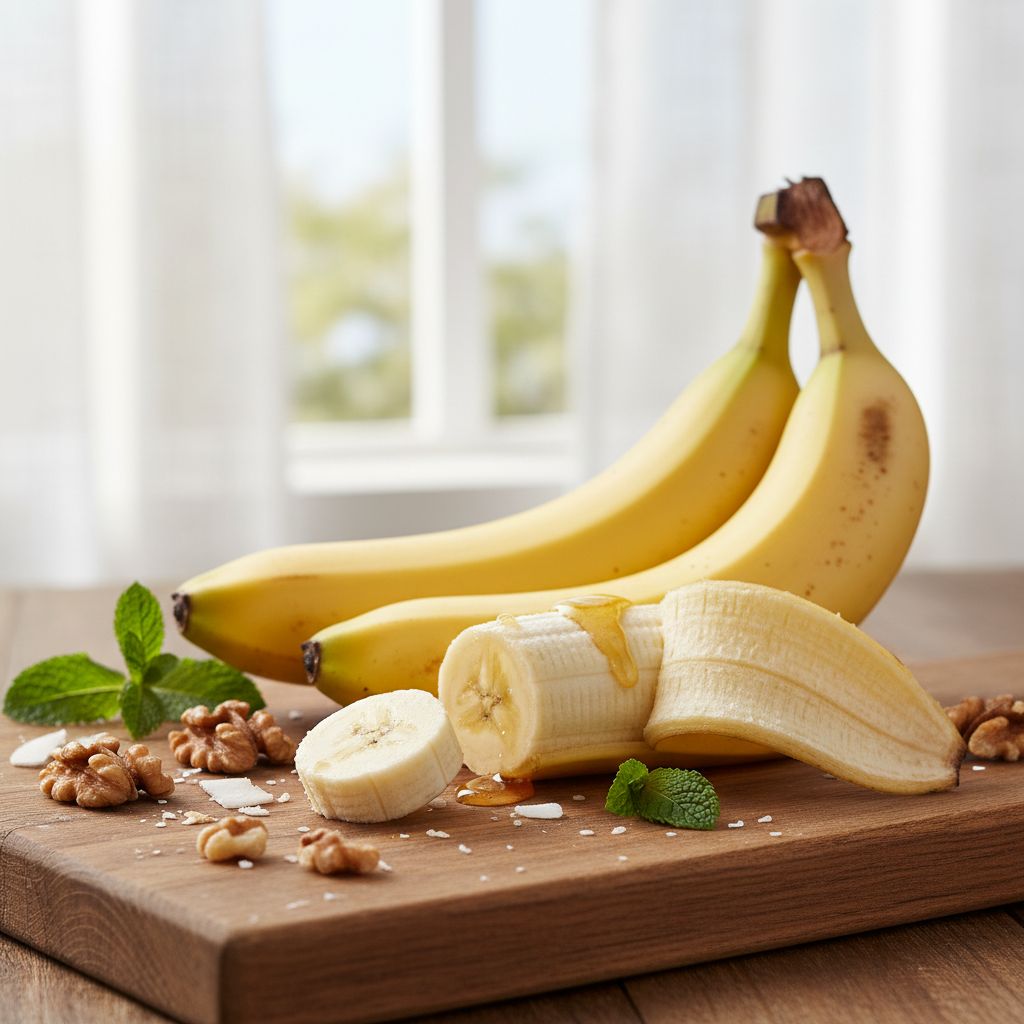
4/10Banana
Neutral
Bananas are a convenient, portable fruit rich in potassium and vitamin B6. They have a neutral inflammatory profile — not harmful, but not as anti-inflammatory as berries.
 3/10
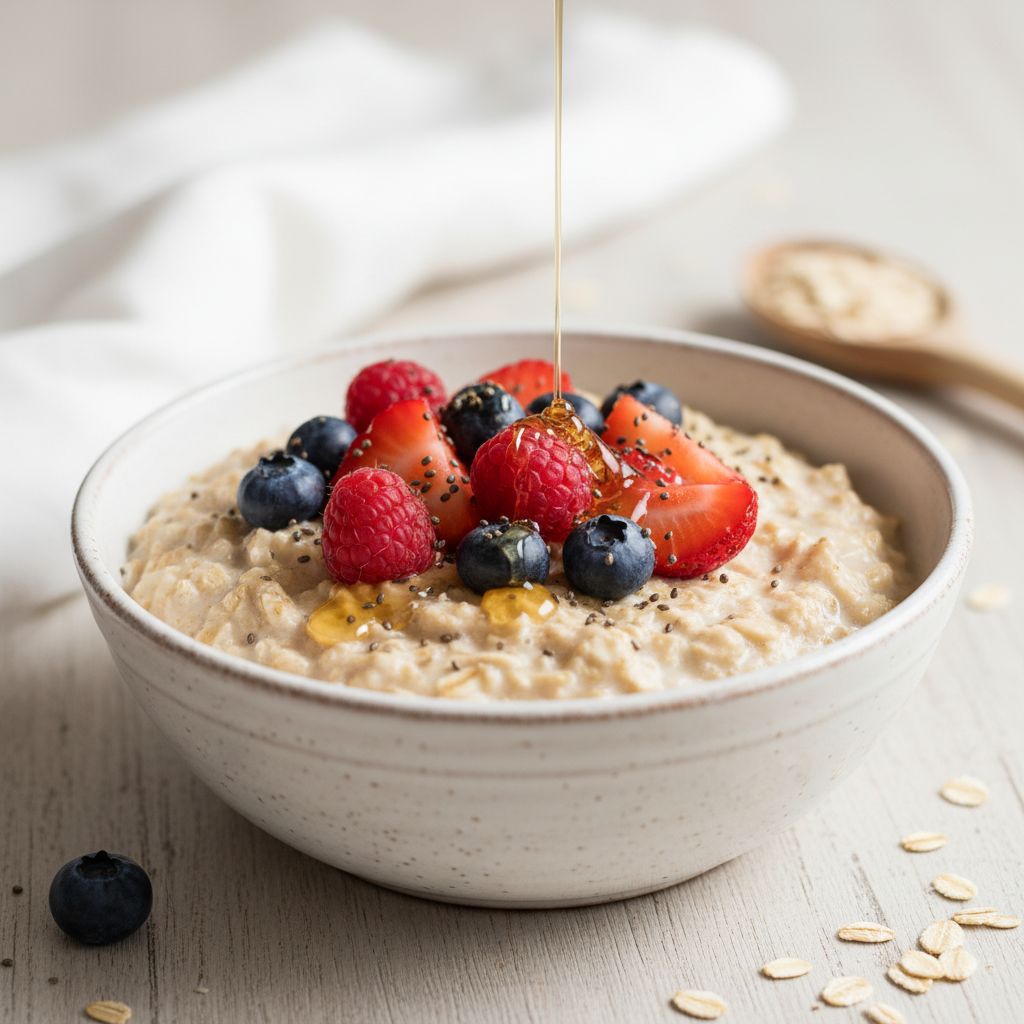
3/10Oats
Anti-Inflammatory
Whole oats contain beta-glucan, a soluble fiber with anti-inflammatory and cholesterol-lowering properties. Steel-cut and rolled oats are superior to instant varieties.
 2/10
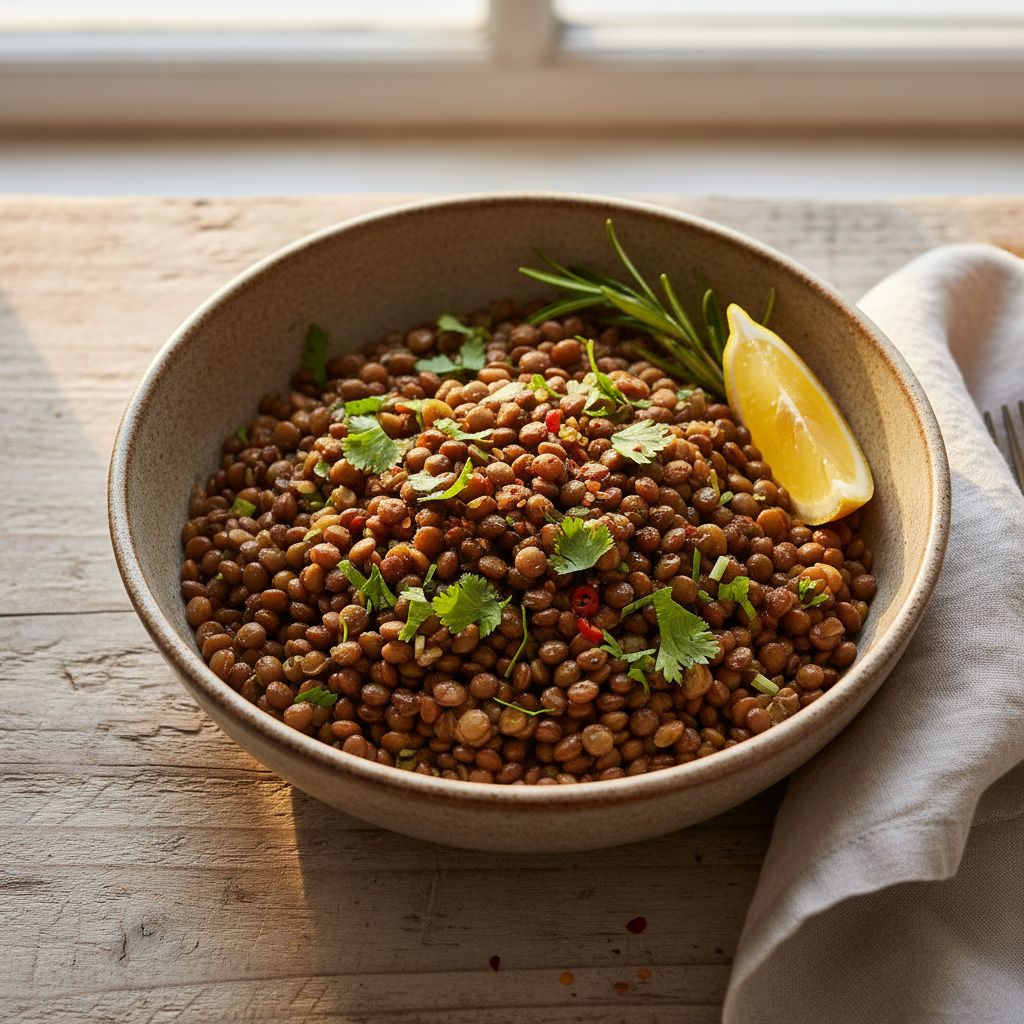
2/10Lentils
Anti-Inflammatory
Lentils are a plant-based protein and fiber powerhouse with polyphenols that have anti-inflammatory effects. They are affordable, versatile, and easy to prepare.
 2/10
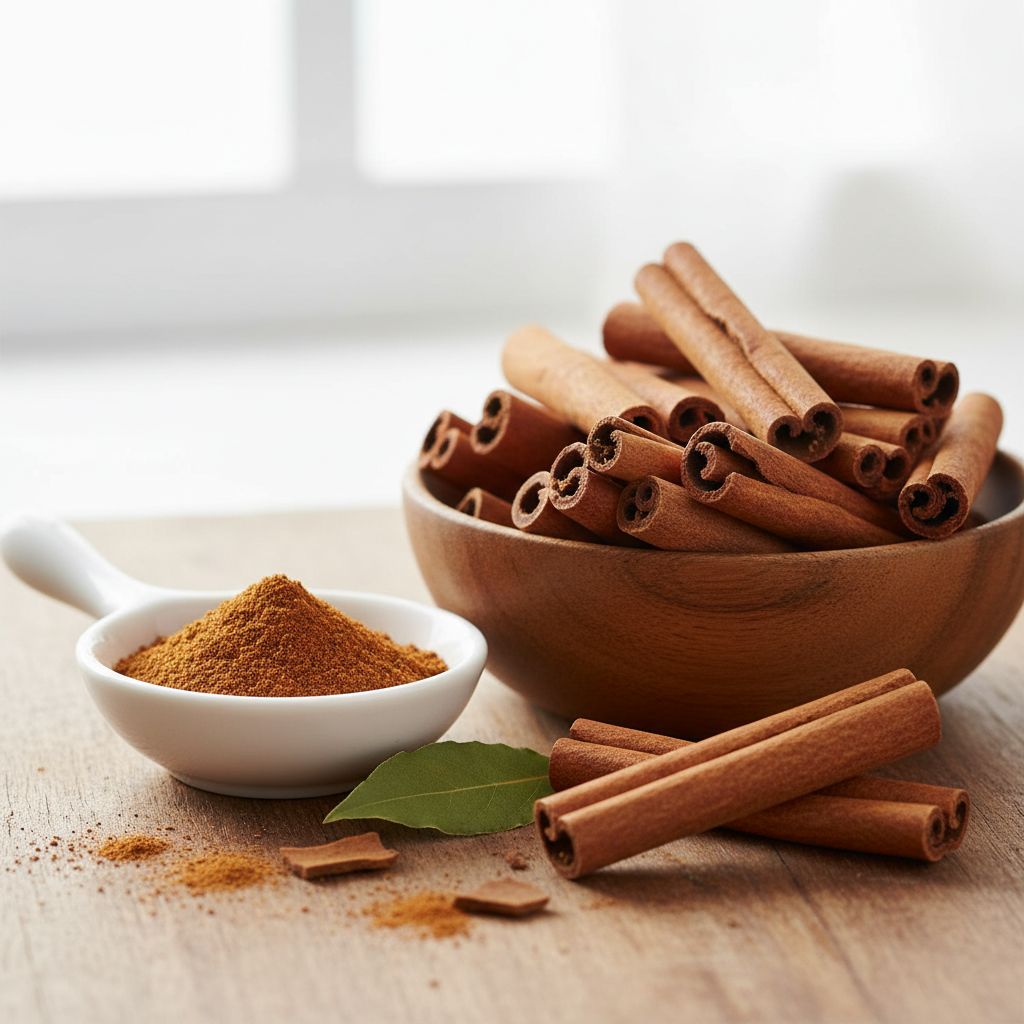
2/10Cinnamon
Anti-Inflammatory
Cinnamon is one of the most antioxidant-rich spices. It contains cinnamaldehyde and other compounds with potent anti-inflammatory properties and may help regulate blood sugar.
 2/10
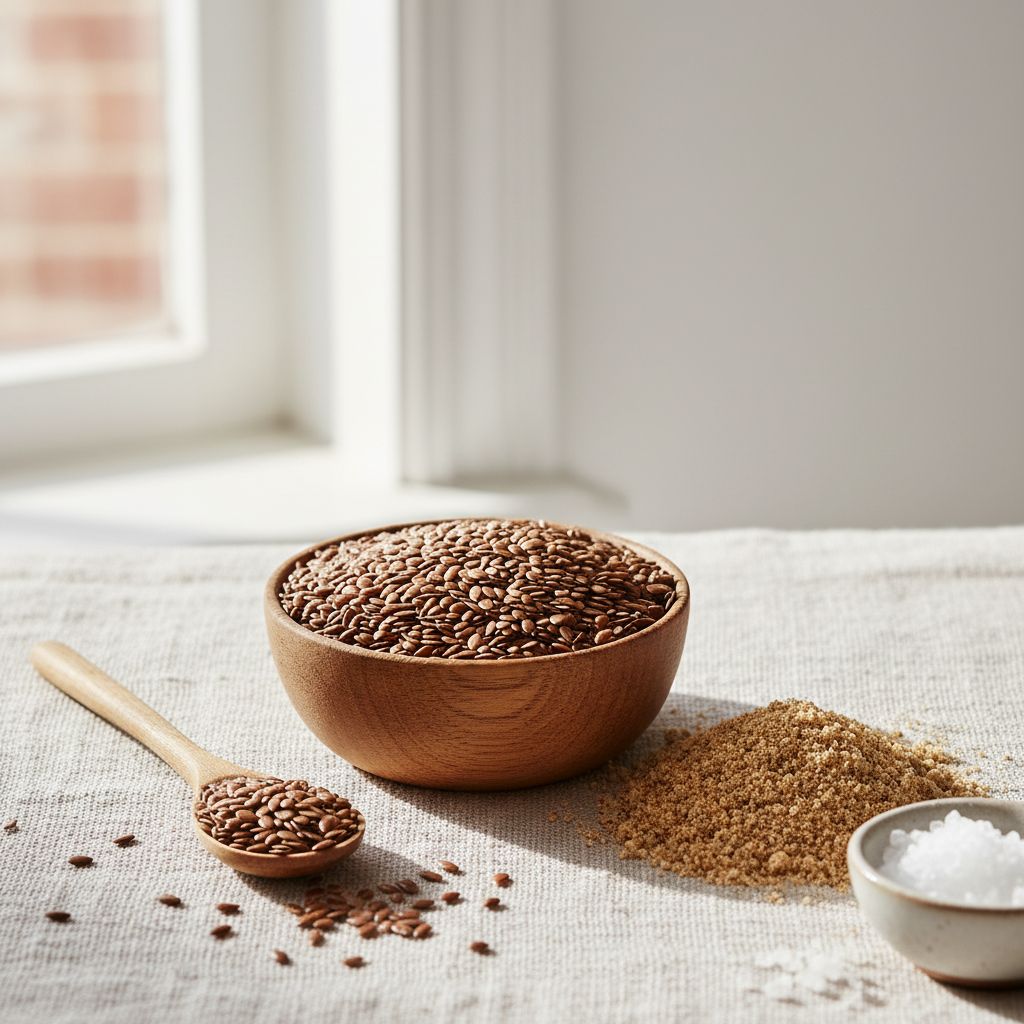
2/10Flaxseeds
Anti-Inflammatory
Flaxseeds are the richest plant source of omega-3 fatty acids (ALA) and also provide lignans with anti-inflammatory and antioxidant properties.
 3/10
3/10Pineapple
Anti-Inflammatory
Pineapple contains bromelain, a unique enzyme with anti-inflammatory properties. It is also rich in vitamin C and manganese.
 7/10
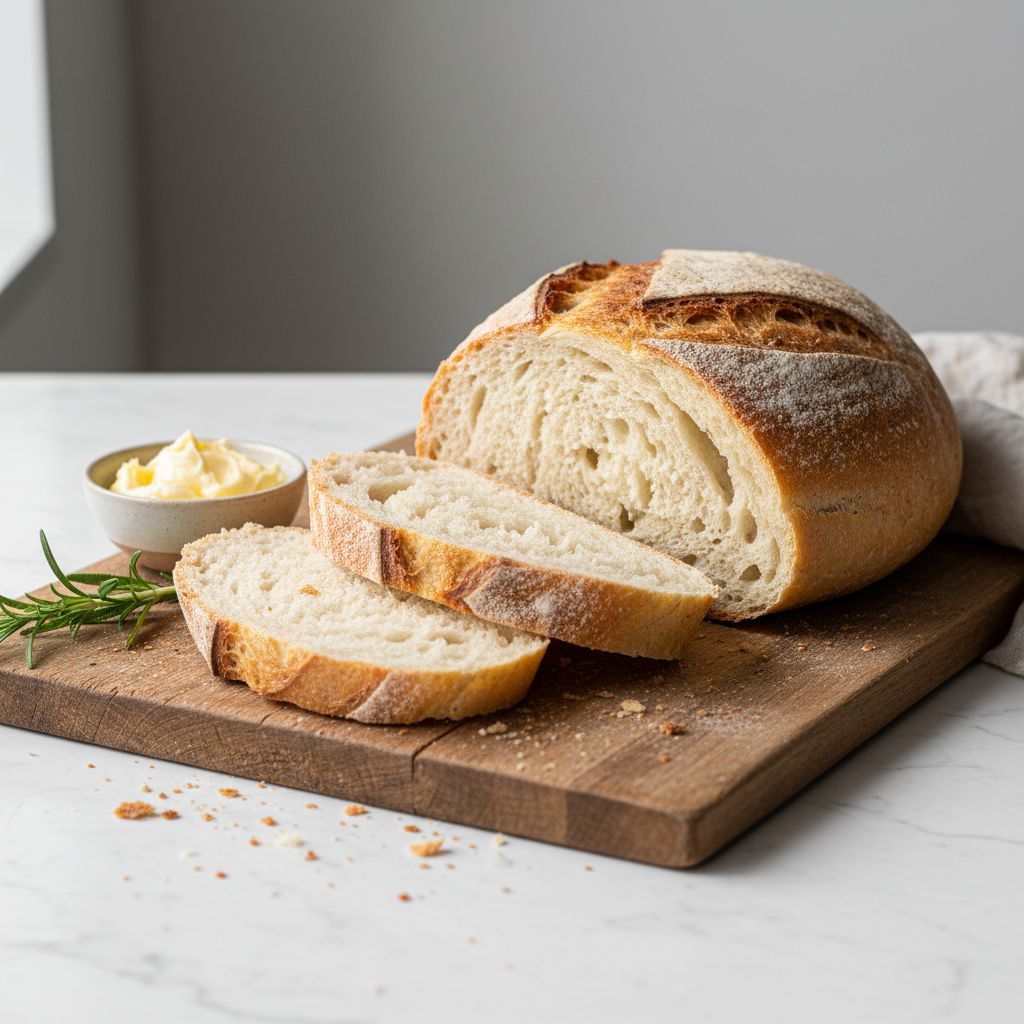
7/10White Bread
Inflammatory
White bread is made from refined flour stripped of fiber, vitamins, and minerals. It causes rapid blood sugar spikes that trigger inflammatory responses in the body.
 8/10
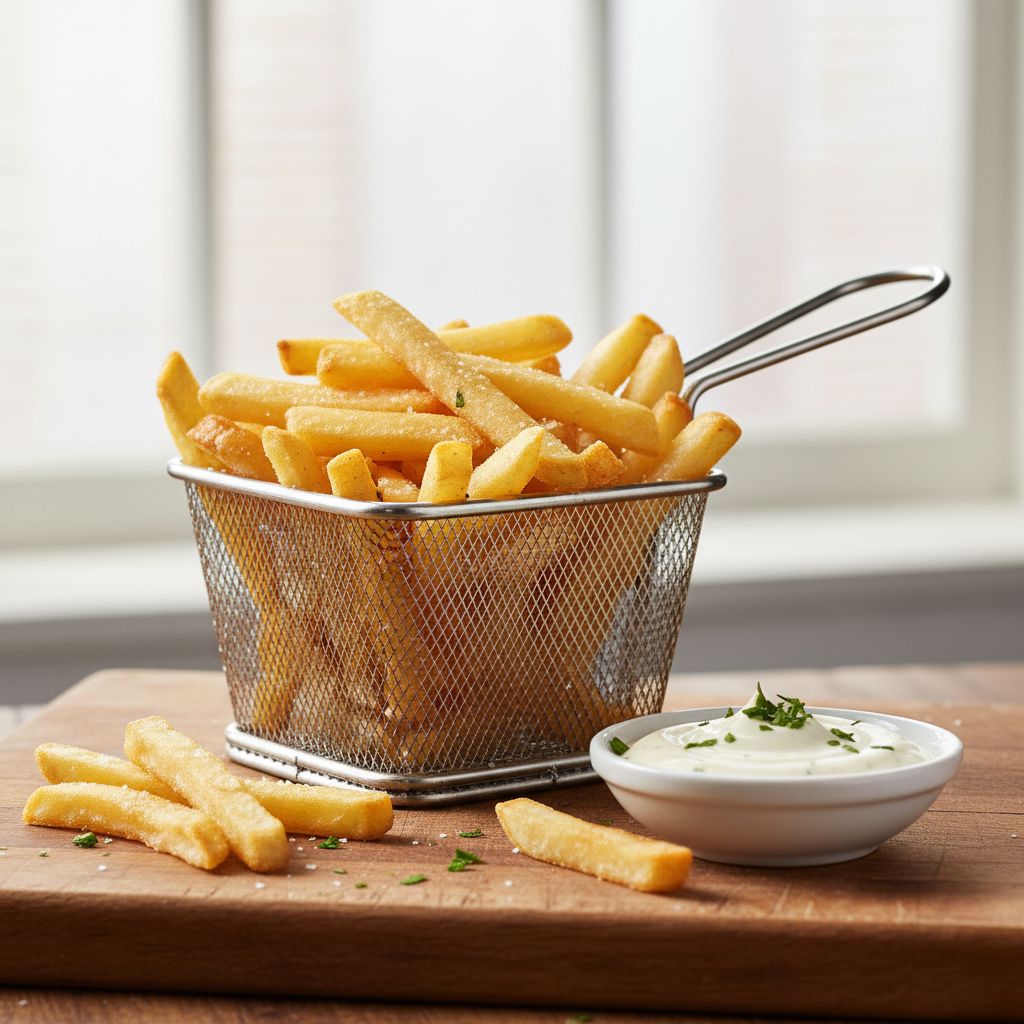
8/10French Fries
Inflammatory
French fries are deep-fried in inflammatory vegetable oils and contain acrylamide from high-temperature cooking. They combine refined carbs with inflammatory fats.
 9/10
9/10Soda
Inflammatory
Regular soda is one of the most inflammatory beverages. High in refined sugar or high-fructose corn syrup, it triggers rapid inflammatory responses and has no nutritional value.
 9/10
9/10Hot Dogs
Inflammatory
Hot dogs are highly processed meat products containing nitrates, nitrites, sodium, and various additives. Processed meats are classified as Group 1 carcinogens by the WHO.
 9/10
9/10Candy
Inflammatory
Candy is almost pure refined sugar, one of the most inflammatory substances in the modern diet. It provides empty calories, spikes blood sugar, and promotes chronic inflammation.
 7/10
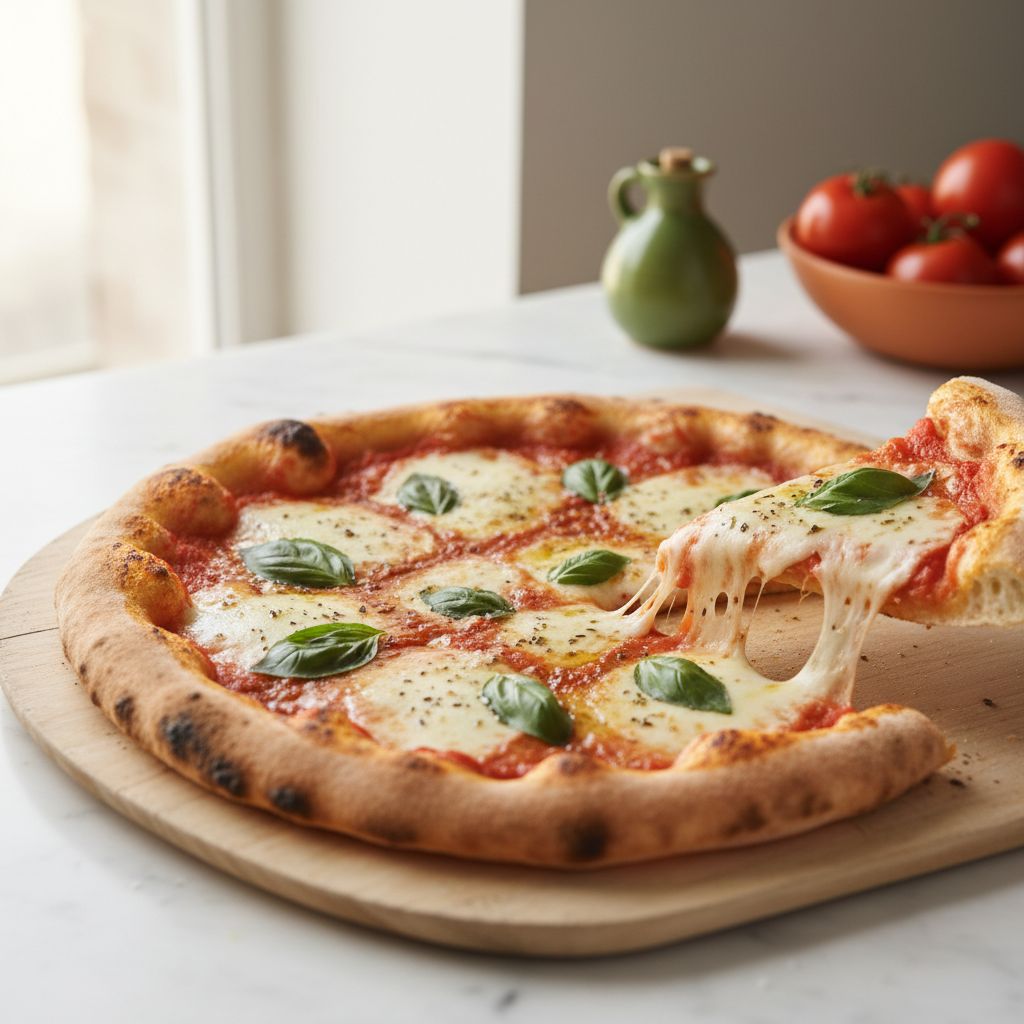
7/10Pizza
Inflammatory
Commercial pizza combines refined flour crust, processed cheese, and often processed meats — all inflammatory components. Homemade versions with whole ingredients can be much better.
 5/10
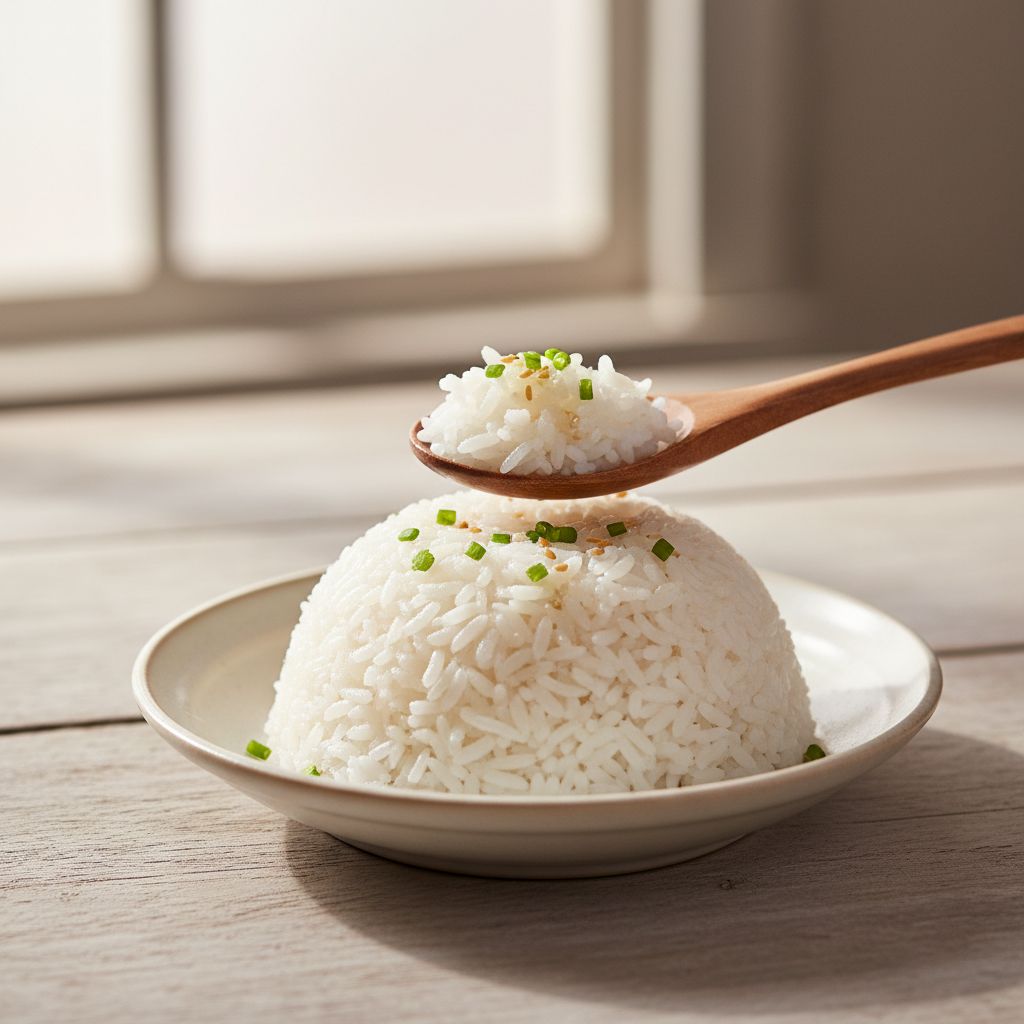
5/10White Rice
Neutral
White rice is a refined grain stripped of its bran and germ. While not as inflammatory as sugary foods, it has a higher glycemic index than whole grains.
 6/10
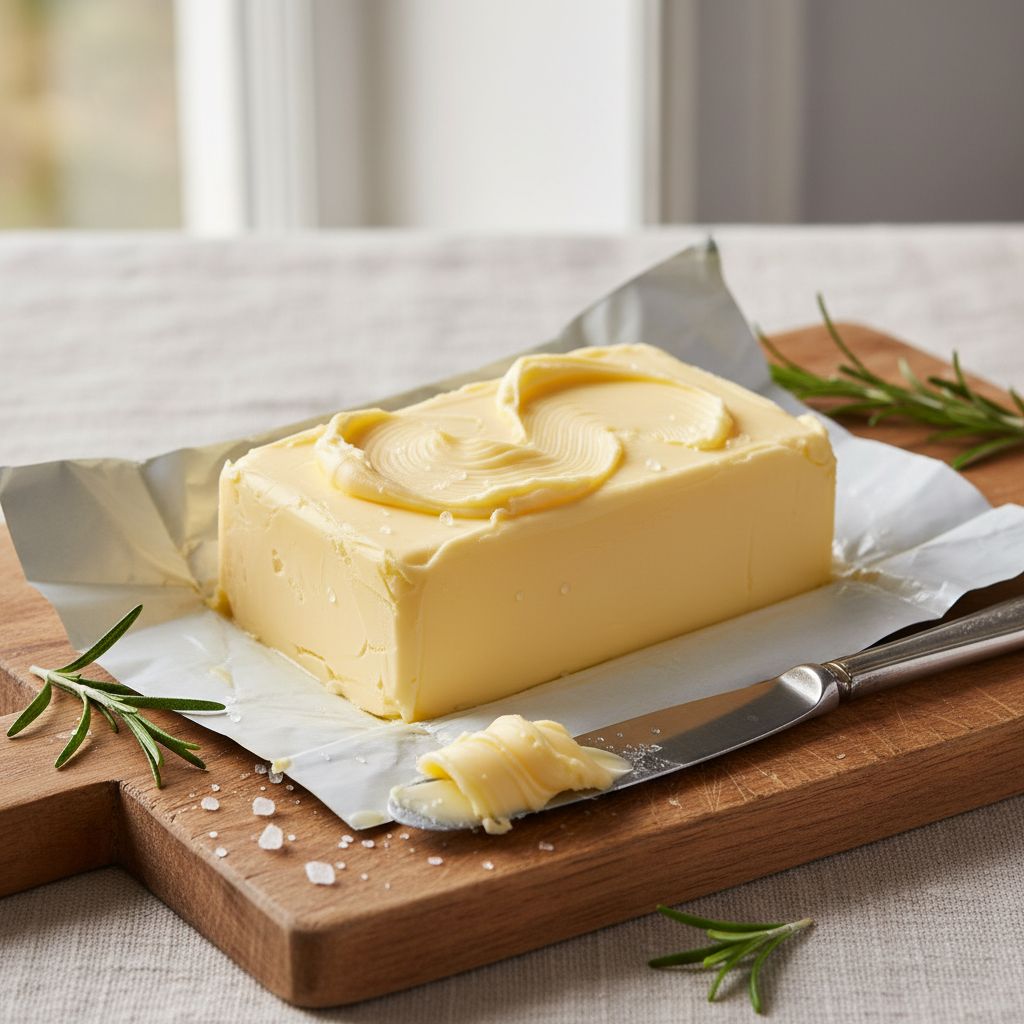
6/10Butter
Neutral
Butter is high in saturated fat but also contains some beneficial compounds like butyrate. Grass-fed butter has a better nutritional profile with more omega-3s and vitamins.
 6/10
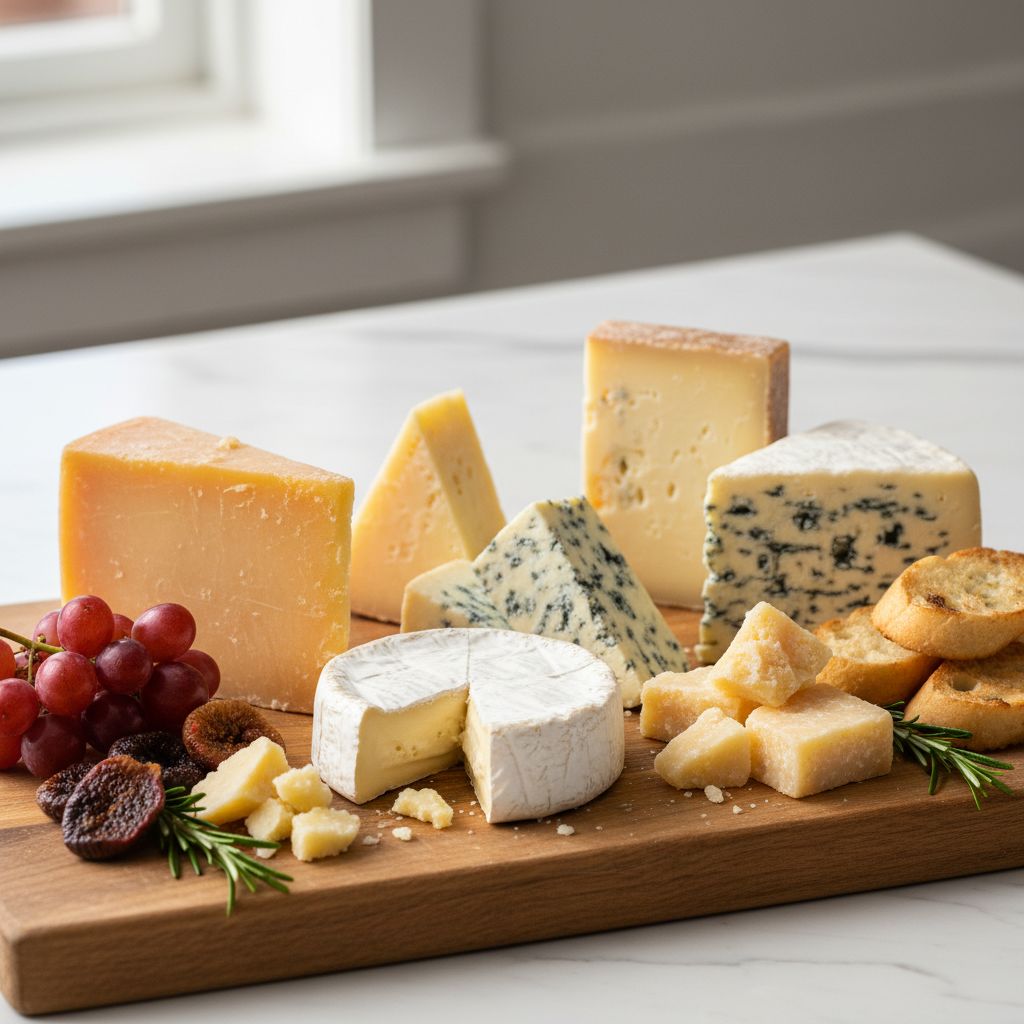
6/10Cheese
Neutral
Cheese provides calcium and protein but is high in saturated fat and sodium. Aged varieties contain some anti-inflammatory compounds, while processed cheese is more inflammatory.
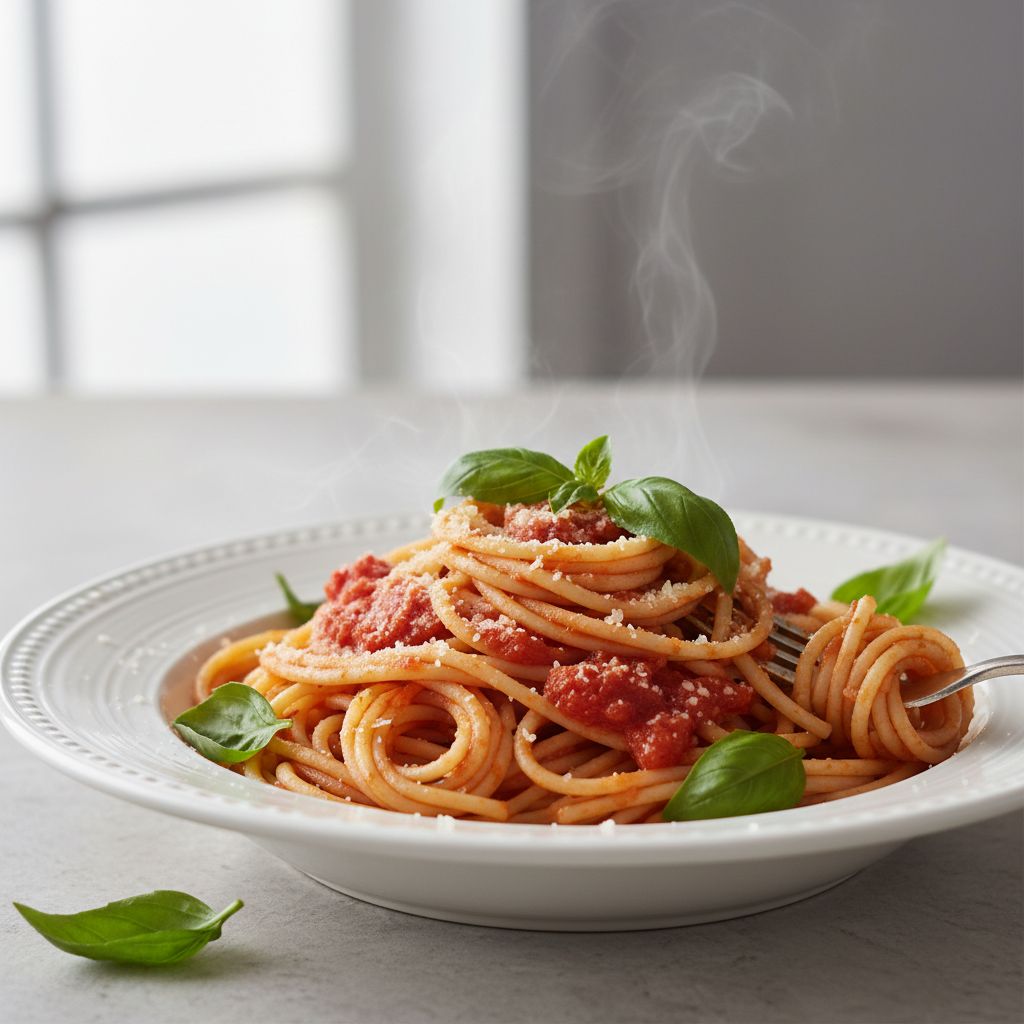 6/10
6/10Pasta (Regular)
Neutral
Regular white pasta is made from refined wheat flour. While not the most inflammatory food, it can spike blood sugar. Whole grain or legume-based alternatives are better choices.
 3/10
3/10Coffee
Anti-Inflammatory
Coffee is rich in polyphenols and antioxidants, including chlorogenic acid. Research shows moderate consumption (3-4 cups daily) is associated with reduced inflammation markers.
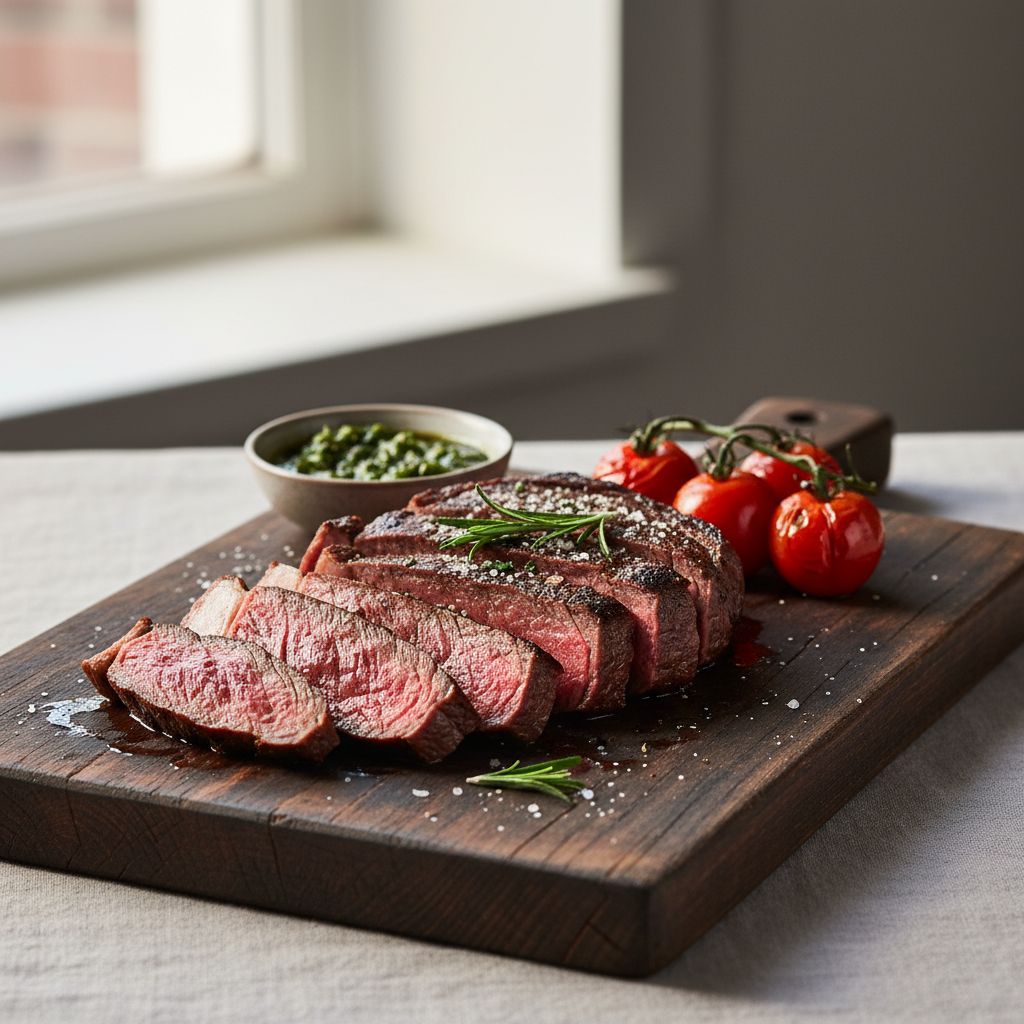 7/10
7/10Red Meat (Beef)
Inflammatory
Red meat, especially conventional grain-fed beef, contains arachidonic acid and saturated fat that promote inflammatory pathways. Grass-fed varieties are somewhat better.
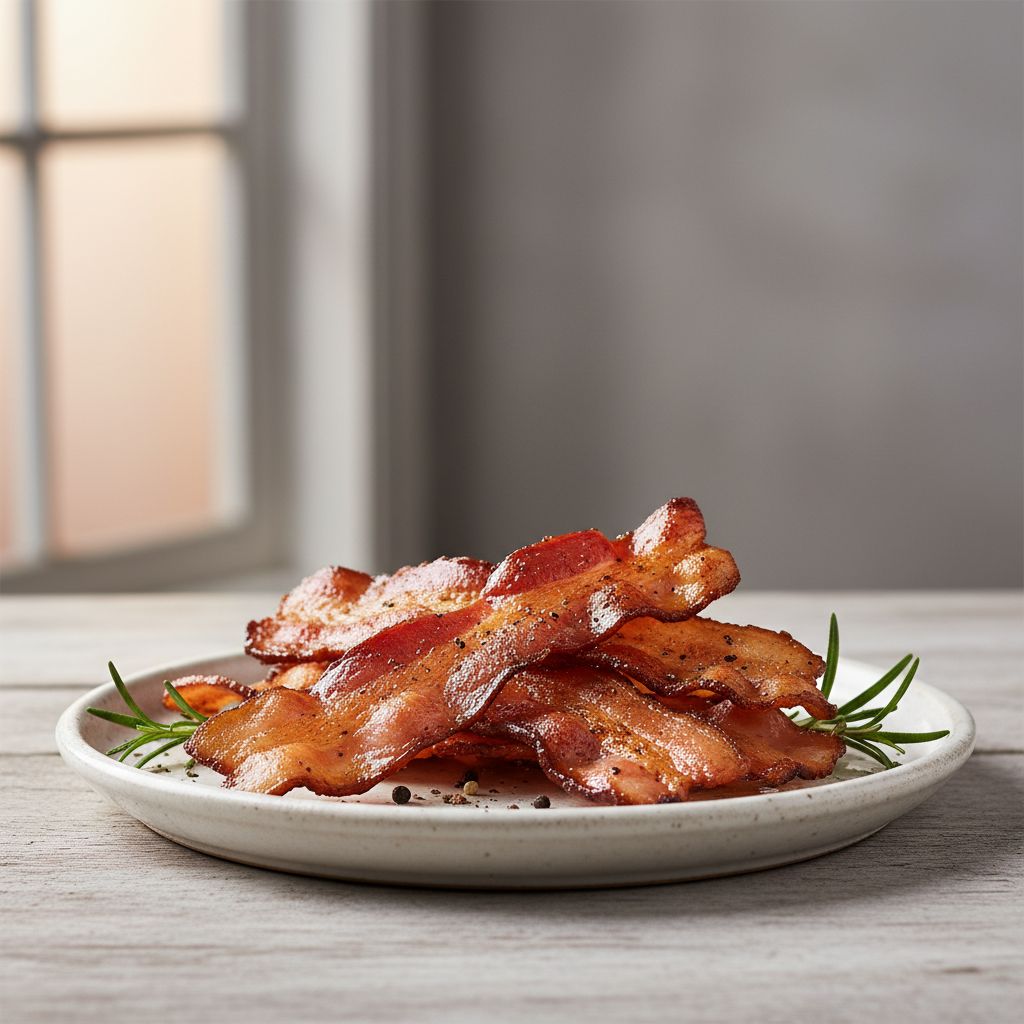 8/10
8/10Bacon
Inflammatory
Bacon is a processed meat high in saturated fat, sodium, and nitrates. The smoking and curing process creates additional inflammatory compounds.
 8/10
8/10Ice Cream
Inflammatory
Ice cream combines high sugar, saturated fat from dairy, and often artificial additives — a triple inflammatory threat. Even premium brands are highly inflammatory.
 9/10
9/10Donuts
Inflammatory
Donuts combine refined flour, sugar, and deep-fried inflammatory oils — one of the most inflammatory food combinations possible. They also form AGEs and acrylamide during frying.
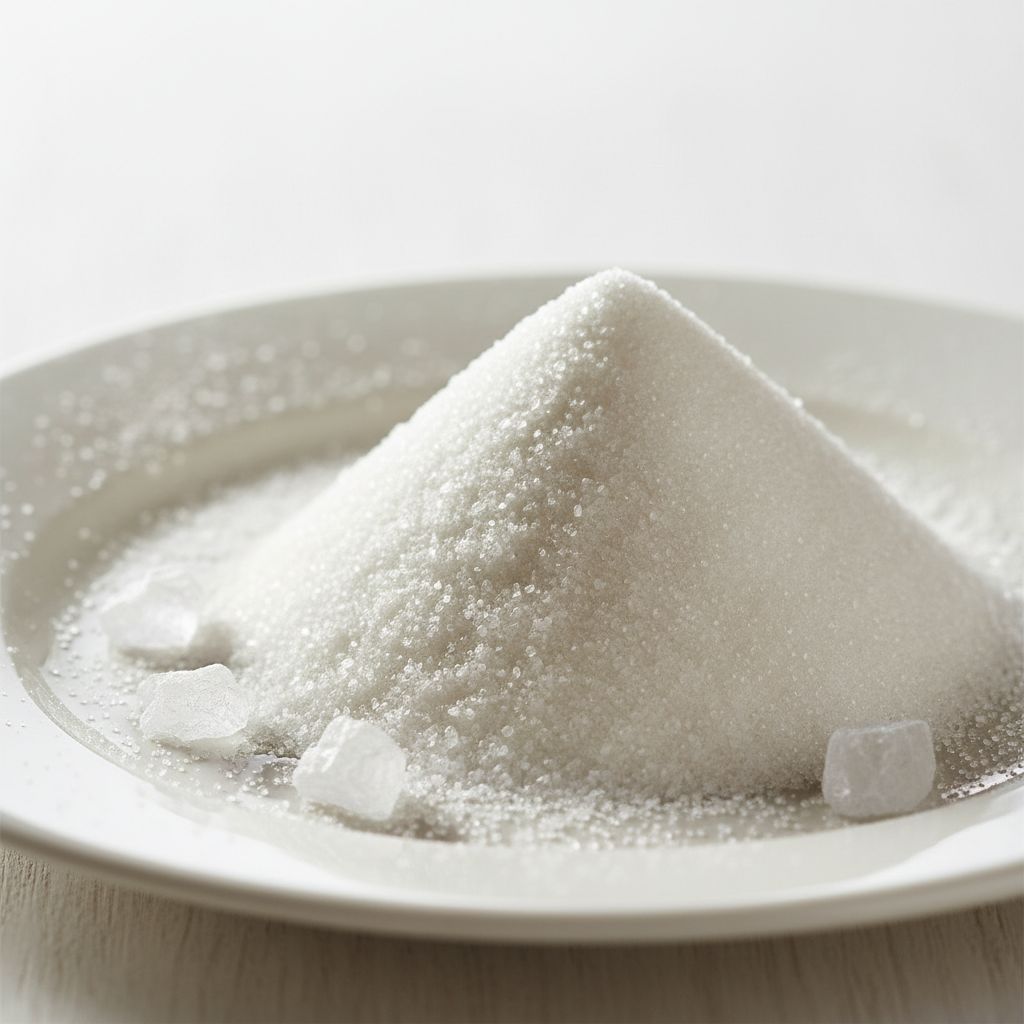 10/10
10/10White Sugar
Inflammatory
Refined white sugar is arguably the single most inflammatory ingredient in the modern diet. It rapidly spikes blood sugar, triggers insulin surges, and activates inflammatory pathways.
 8/10
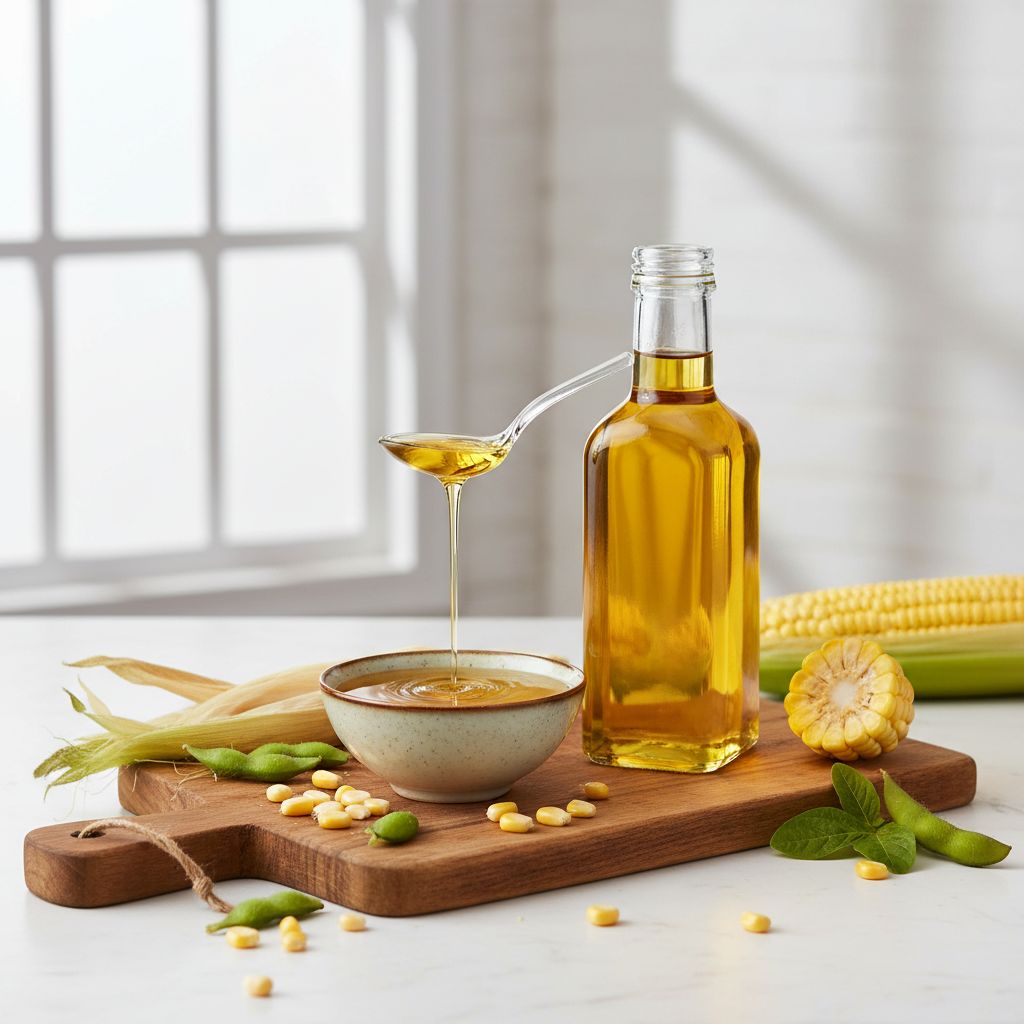
8/10Vegetable Oil (Soybean/Corn)
Inflammatory
Refined vegetable oils like soybean and corn oil are very high in omega-6 fatty acids, which promote inflammation when consumed in excess — which is extremely common in modern diets.
 8/10
8/10Margarine
Inflammatory
Margarine is made from refined vegetable oils through hydrogenation, which can create trans fats — the most inflammatory type of fat. Even "trans-fat free" versions contain inflammatory omega-6.
 7/10
7/10Beer
Inflammatory
Beer is inflammatory due to its alcohol content, refined carbohydrates, and gluten. Alcohol in general promotes gut permeability and activates inflammatory pathways in the liver.
 8/10
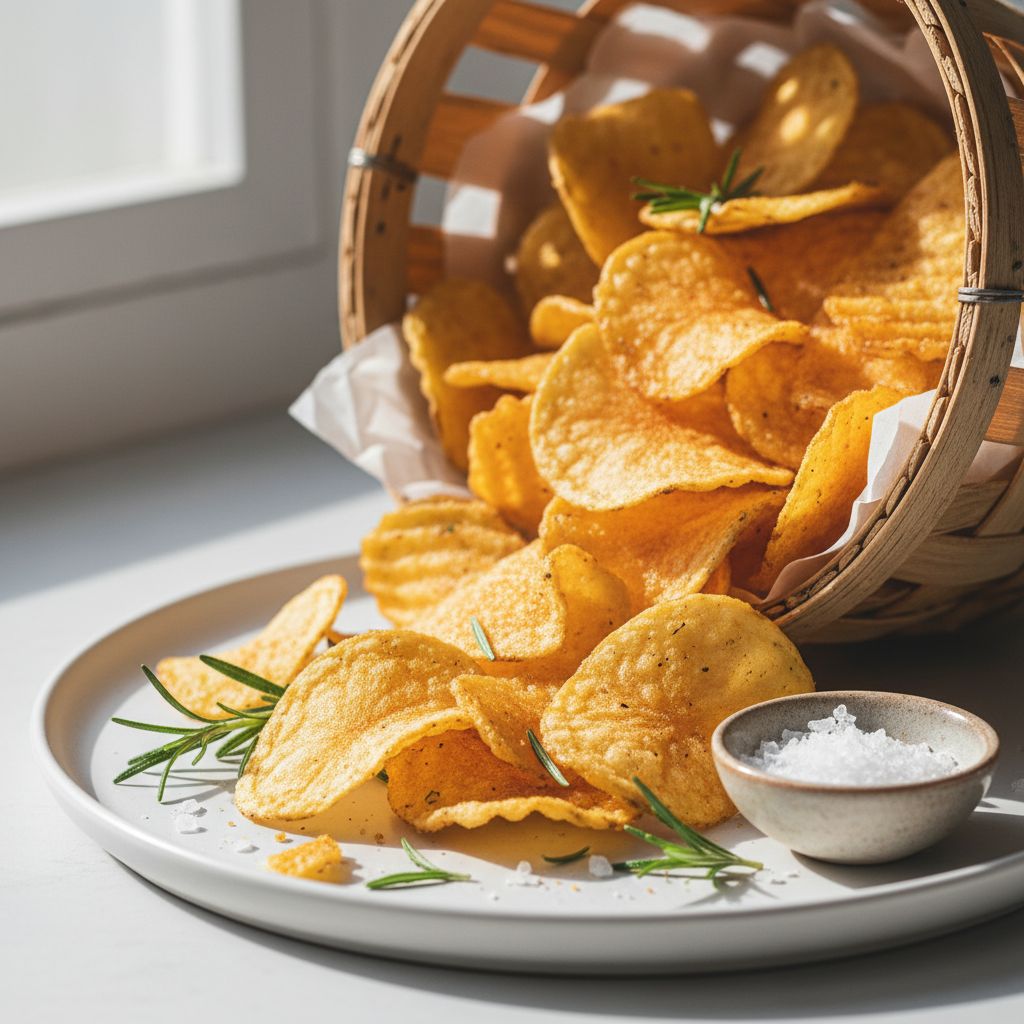
8/10Potato Chips
Inflammatory
Potato chips are fried in inflammatory vegetable oils and contain acrylamide from high-temperature cooking. They combine refined carbs, inflammatory fats, and excessive sodium.
 5/10
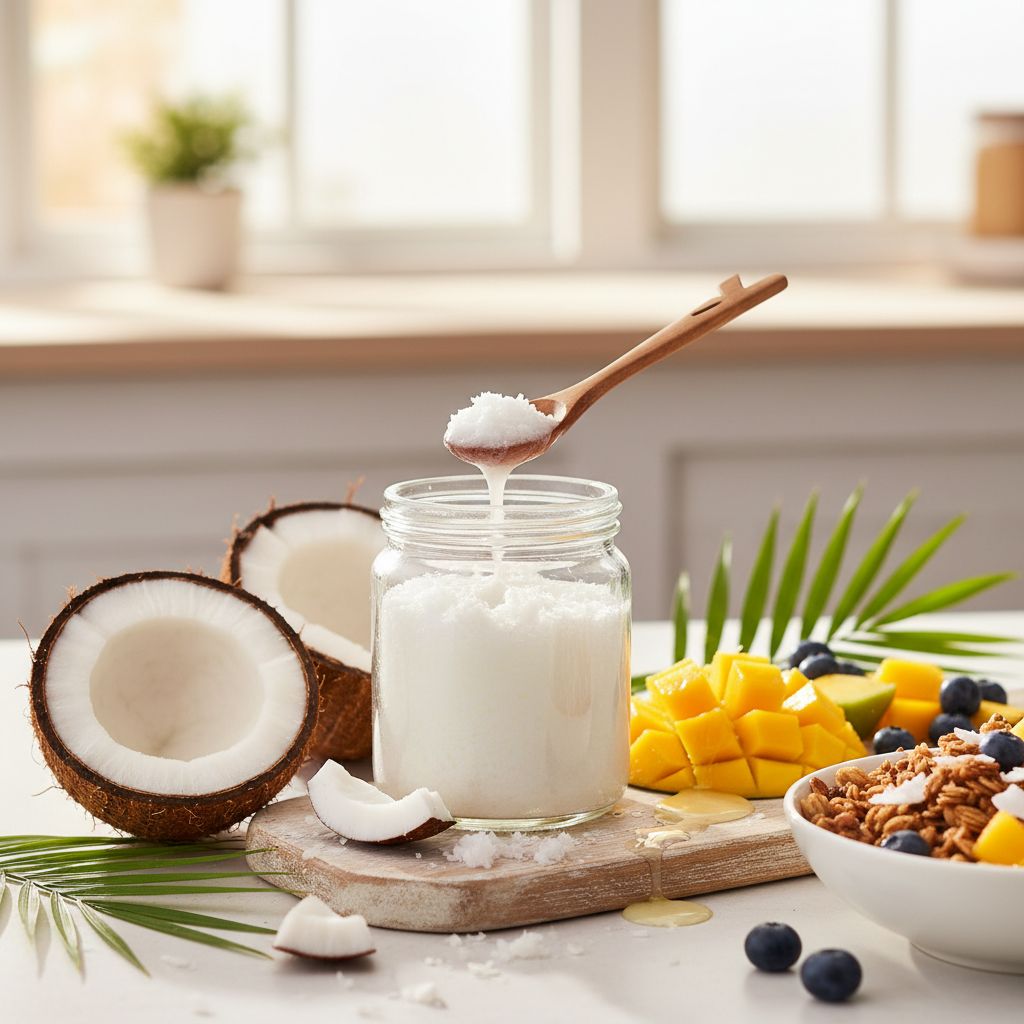
5/10Coconut Oil
Neutral
Coconut oil is high in saturated fat but contains medium-chain triglycerides (MCTs) that are metabolized differently. Its inflammatory profile is debated among nutrition scientists.
 1/10
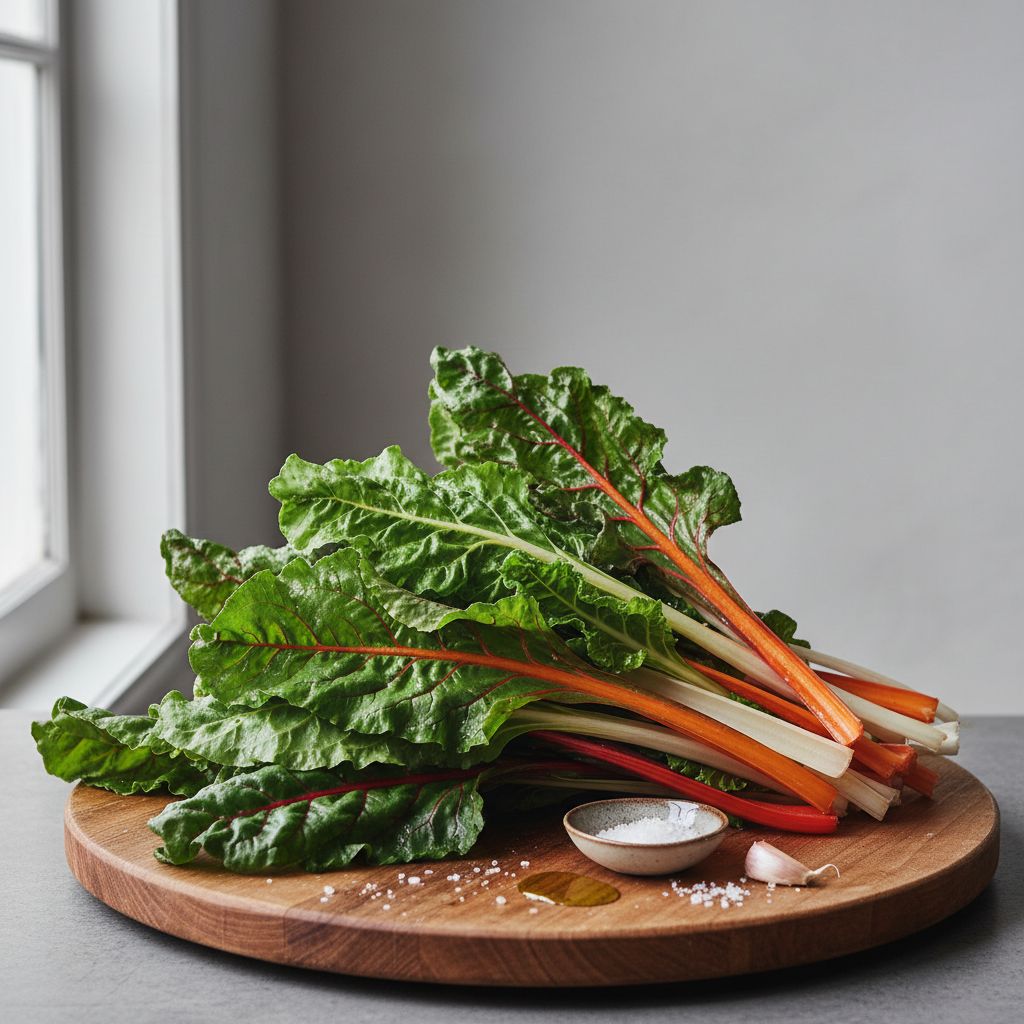
1/10Swiss Chard
Anti-Inflammatory
Swiss chard is a colorful leafy green packed with vitamins, minerals, and betalain pigments with powerful anti-inflammatory and antioxidant properties.
 2/10
2/10Pomegranate
Anti-Inflammatory
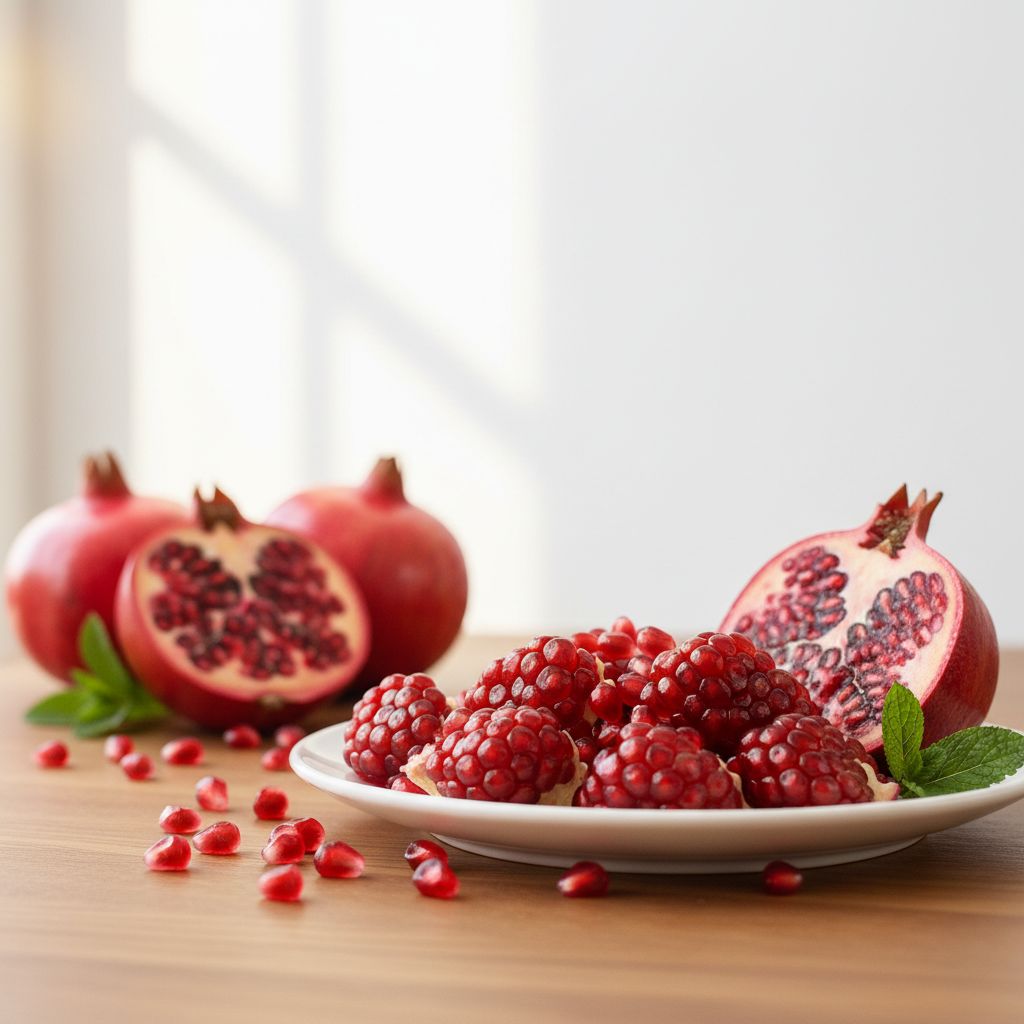
Pomegranates contain punicalagins and punicic acid, unique compounds with potent anti-inflammatory effects. They have 3x the antioxidant activity of red wine and green tea.
 2/10
2/10Beets
Anti-Inflammatory
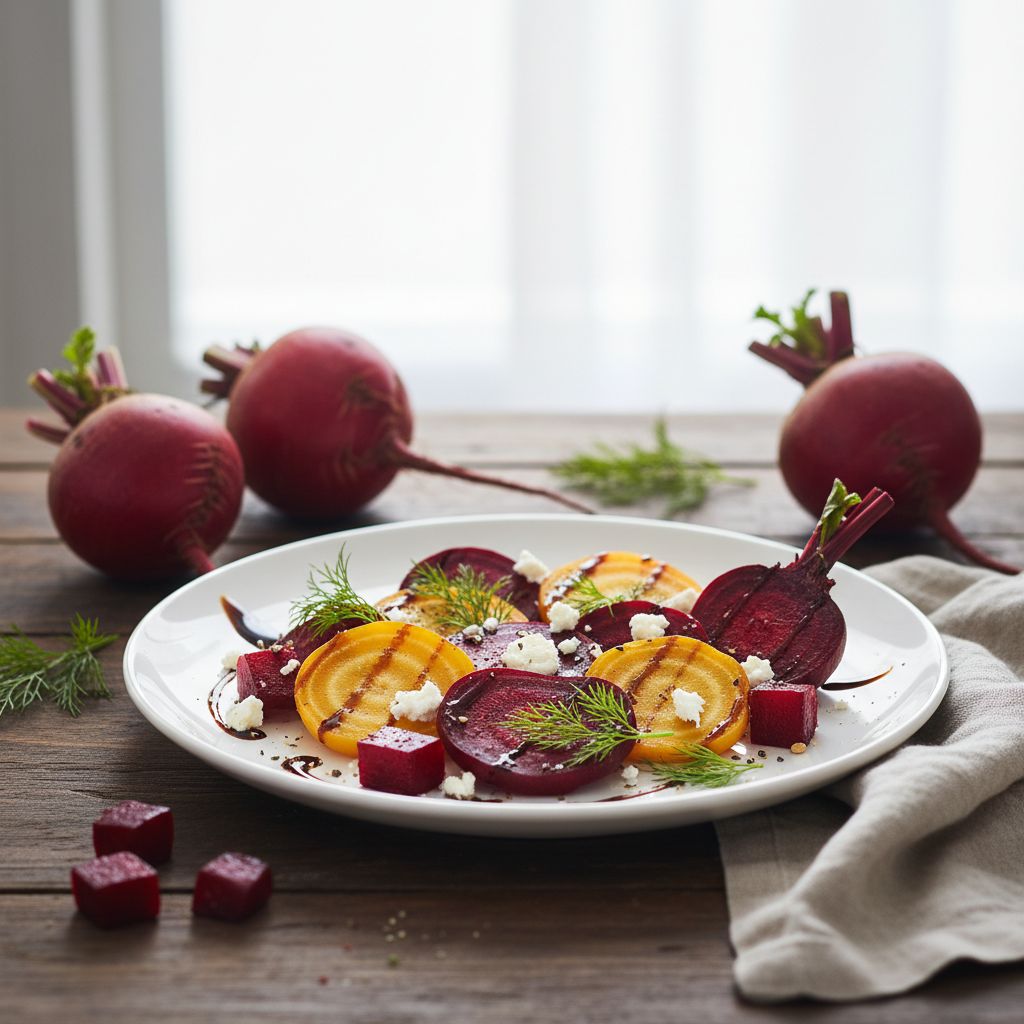
Beets are rich in betalains (the pigment that gives them their deep red color) and nitrates, both of which have anti-inflammatory properties and support cardiovascular health.
 2/10
2/10Hemp Seeds
Anti-Inflammatory
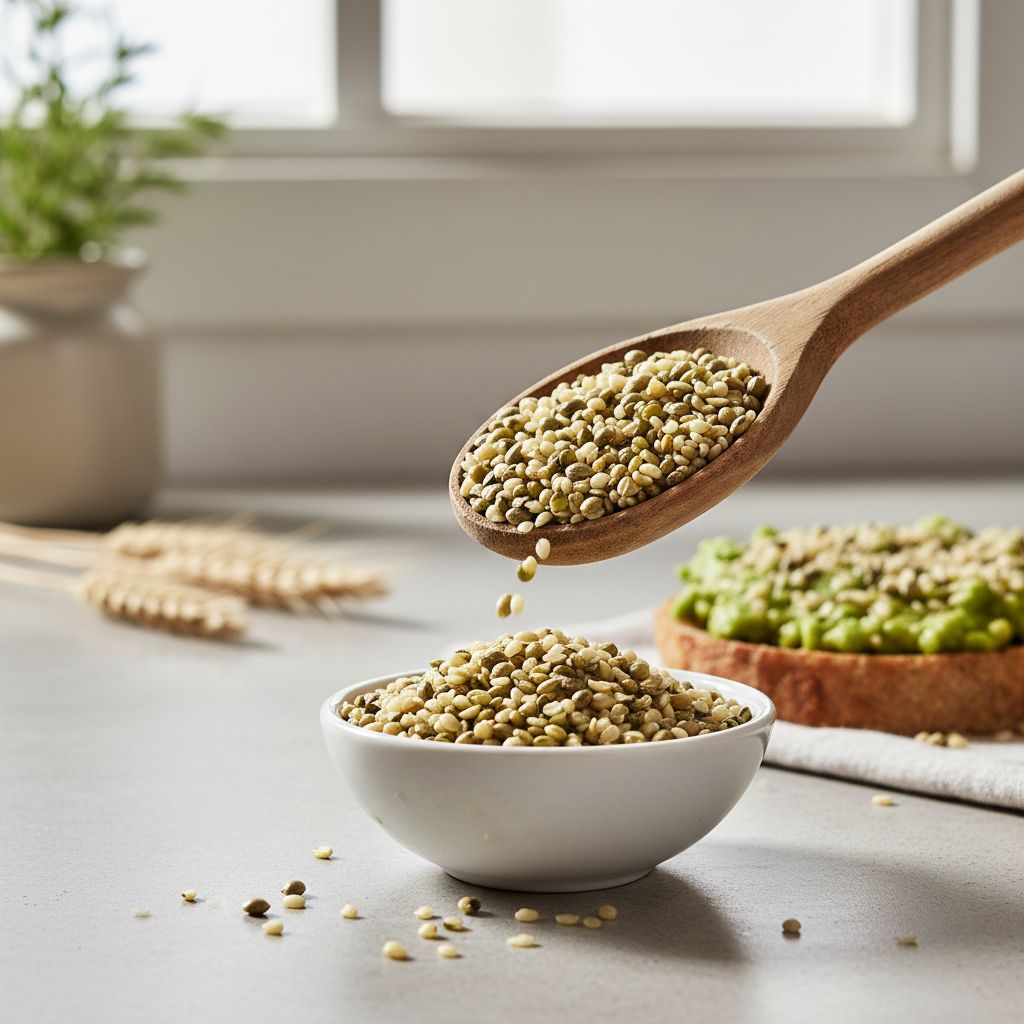
Hemp seeds have an ideal omega-6 to omega-3 ratio (3:1) and provide complete plant protein. They are one of the most balanced anti-inflammatory seed options.
 5/10
5/10Red Wine
Neutral
Red wine contains resveratrol and polyphenols with anti-inflammatory properties, but alcohol itself is inflammatory. The net effect is neutral in moderate amounts (1 glass).
 3/10
3/10Tofu
Anti-Inflammatory
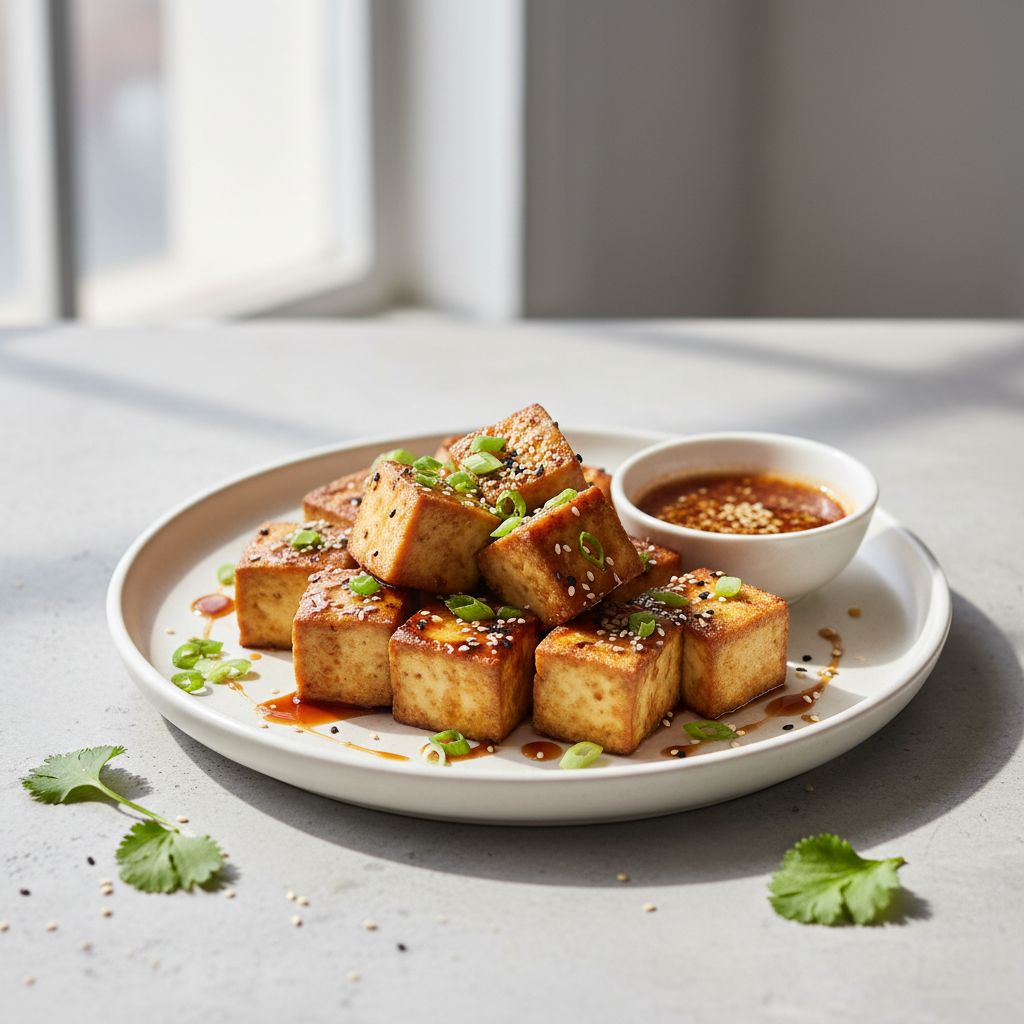
Tofu is a plant-based protein made from soybeans. It contains isoflavones with anti-inflammatory properties and is a staple in many of the world's healthiest diets.
 4/10
4/10Raw Honey
Neutral
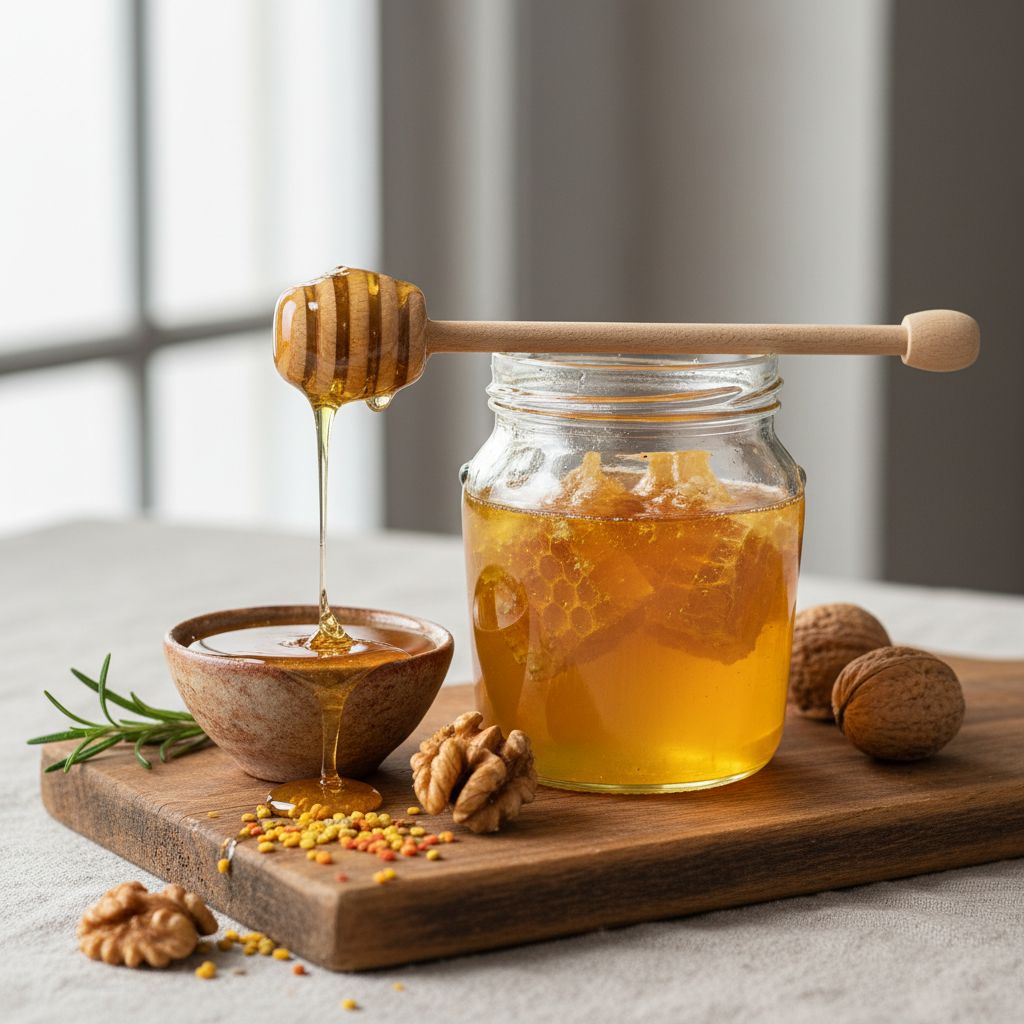
Raw, unprocessed honey contains antioxidants and has antibacterial properties, unlike processed honey. While still a sugar, its additional compounds make it neutral rather than inflammatory.
 3/10
3/10Edamame
Anti-Inflammatory
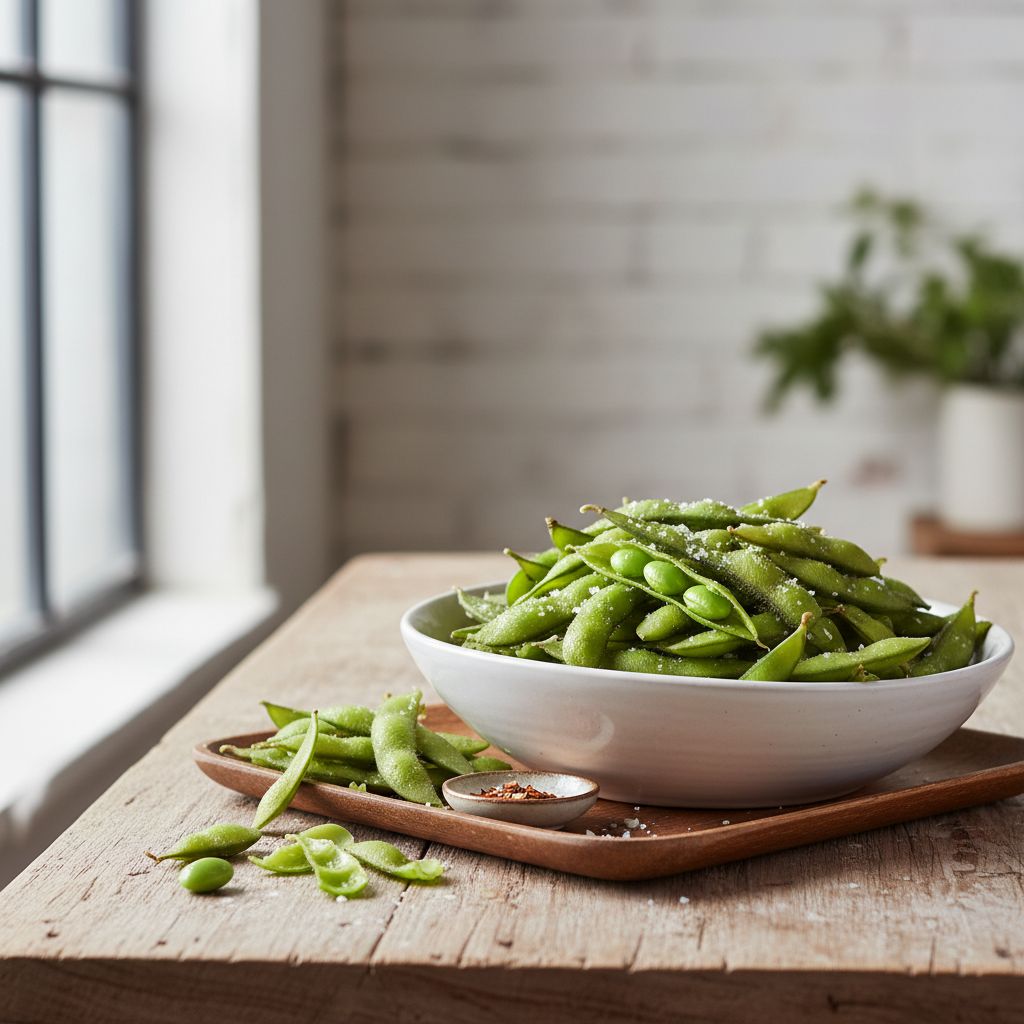
Edamame (young soybeans) are a complete plant protein rich in isoflavones with anti-inflammatory properties. They provide a good balance of protein, fiber, and healthy fats.
 2/10
2/10Kimchi
Anti-Inflammatory
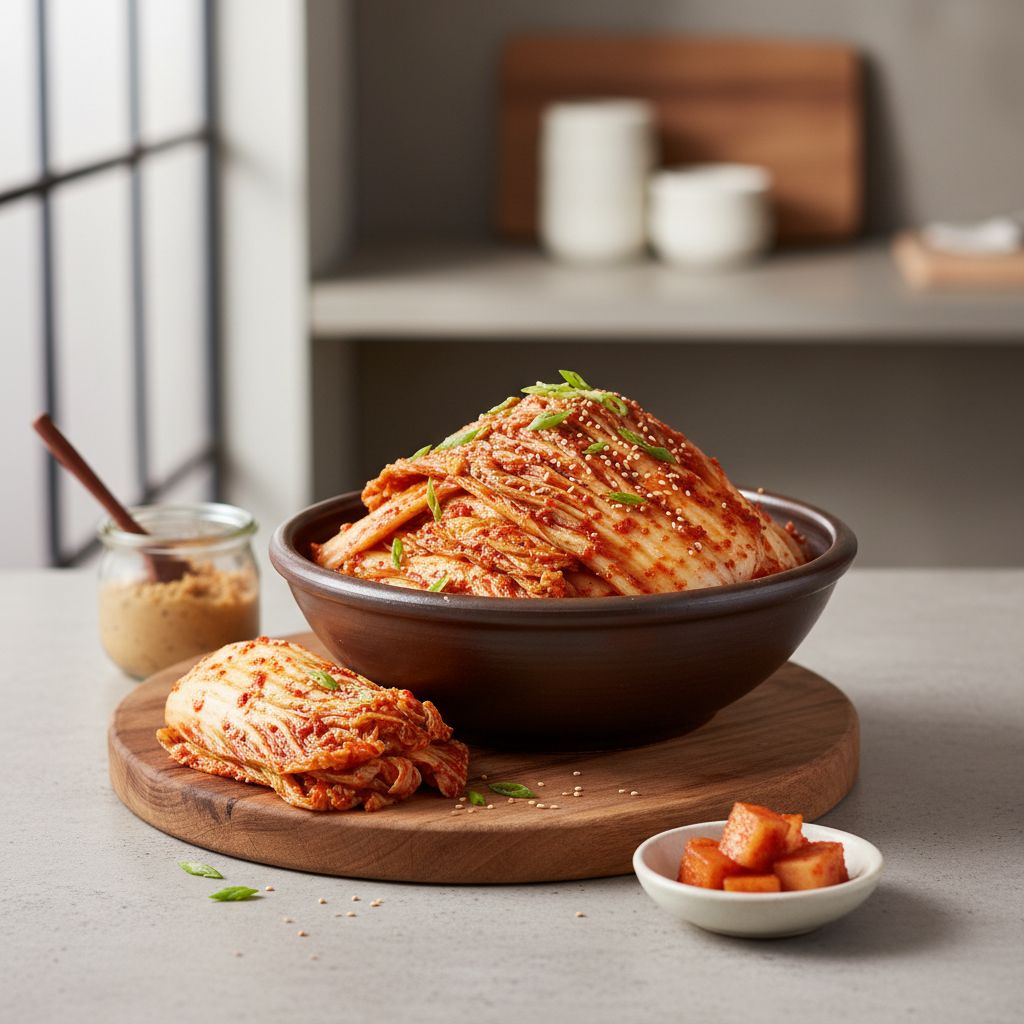
Kimchi is a fermented vegetable dish rich in probiotics, vitamins, and anti-inflammatory compounds. Fermentation creates beneficial bacteria that support gut health and reduce systemic inflammation.
 8/10
8/10Processed Deli Meat
Inflammatory
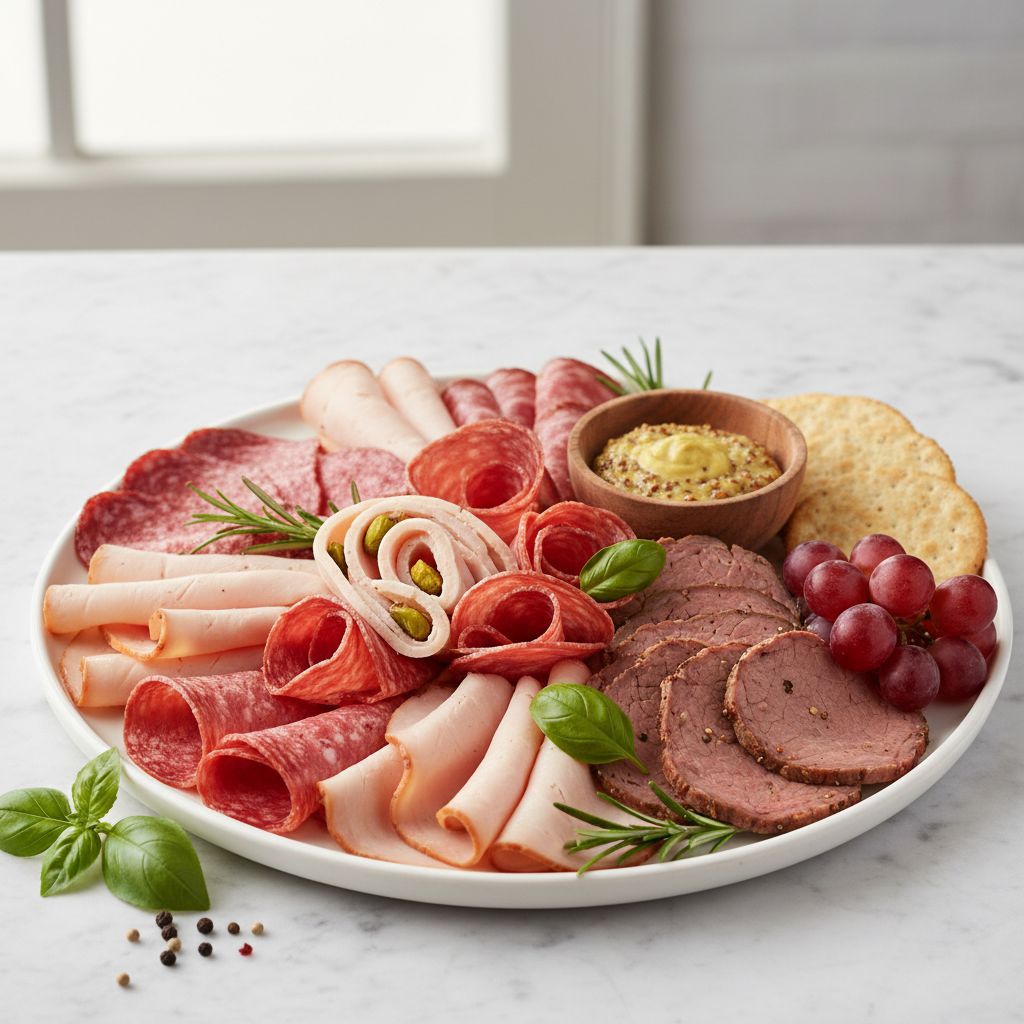
Processed deli meats (salami, ham, bologna, etc.) contain nitrates, high sodium, preservatives, and other additives that trigger inflammation. WHO classifies them as carcinogenic.
 9/10
9/10Energy Drinks
Inflammatory
Energy drinks combine excessive sugar (or artificial sweeteners), high caffeine, and artificial additives — a highly inflammatory cocktail that stresses the cardiovascular and nervous systems.
 3/10
3/10Apple
Anti-Inflammatory
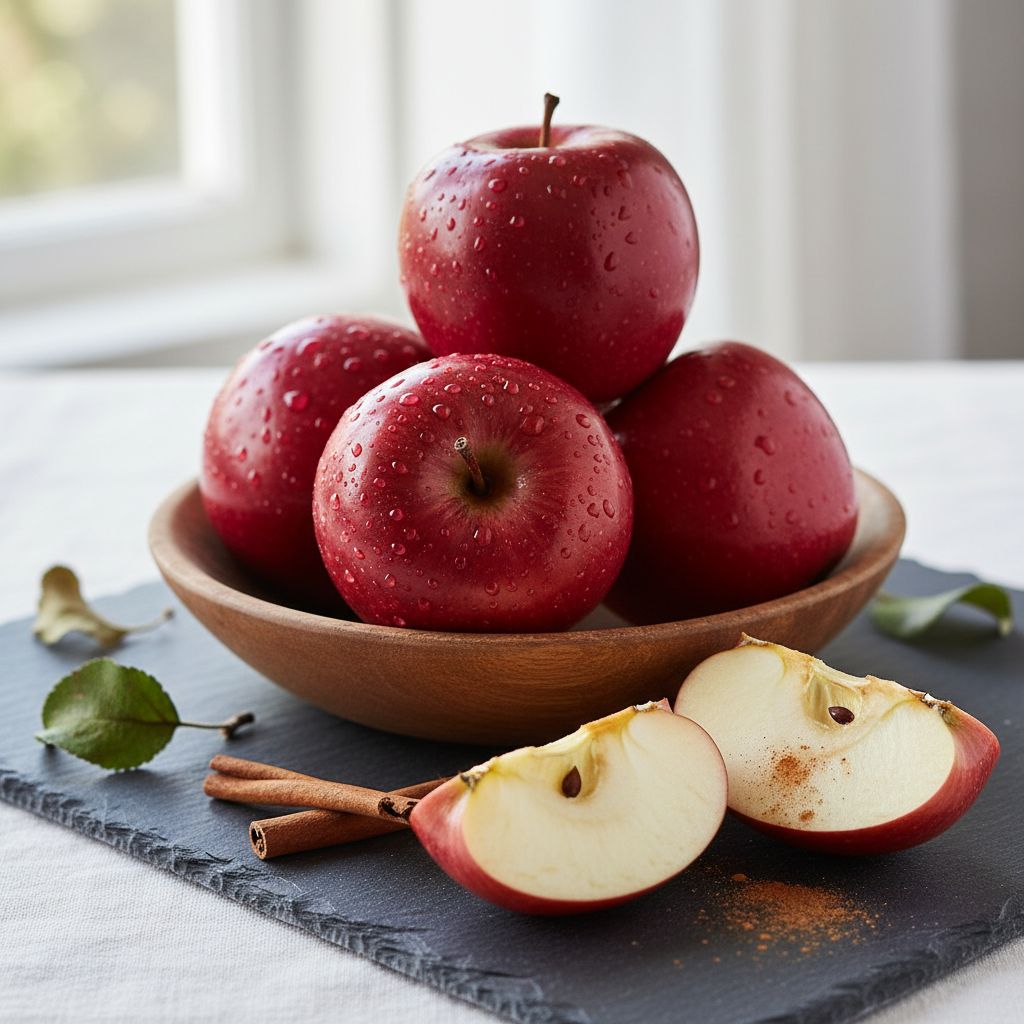
Apples contain quercetin and other polyphenols with anti-inflammatory properties. The skin contains the highest concentration of antioxidants, so eat the whole fruit.
 2/10
2/10Asparagus
Anti-Inflammatory
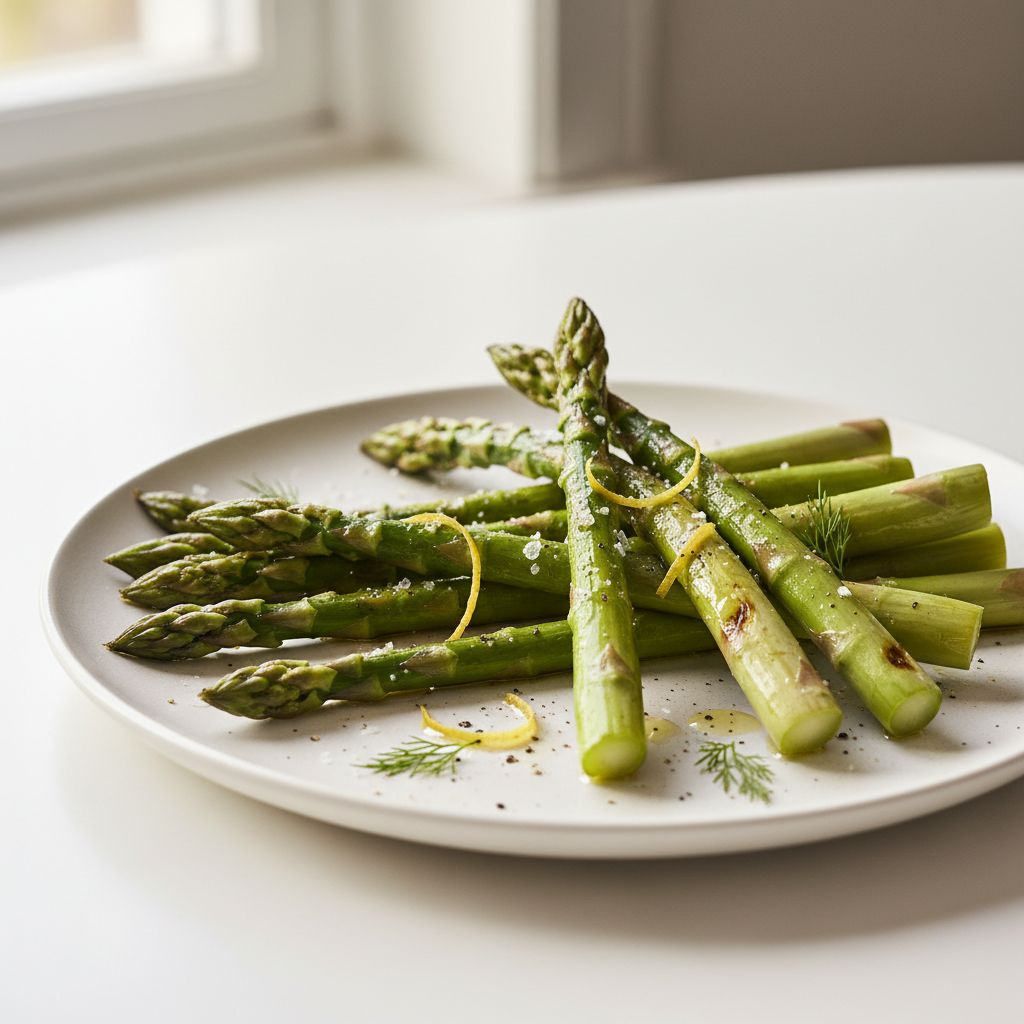
Asparagus is a nutrient-rich vegetable with anti-inflammatory saponins, flavonoids, and prebiotic fiber. It is also a natural diuretic that supports kidney health.
 2/10
2/10Cauliflower
Anti-Inflammatory
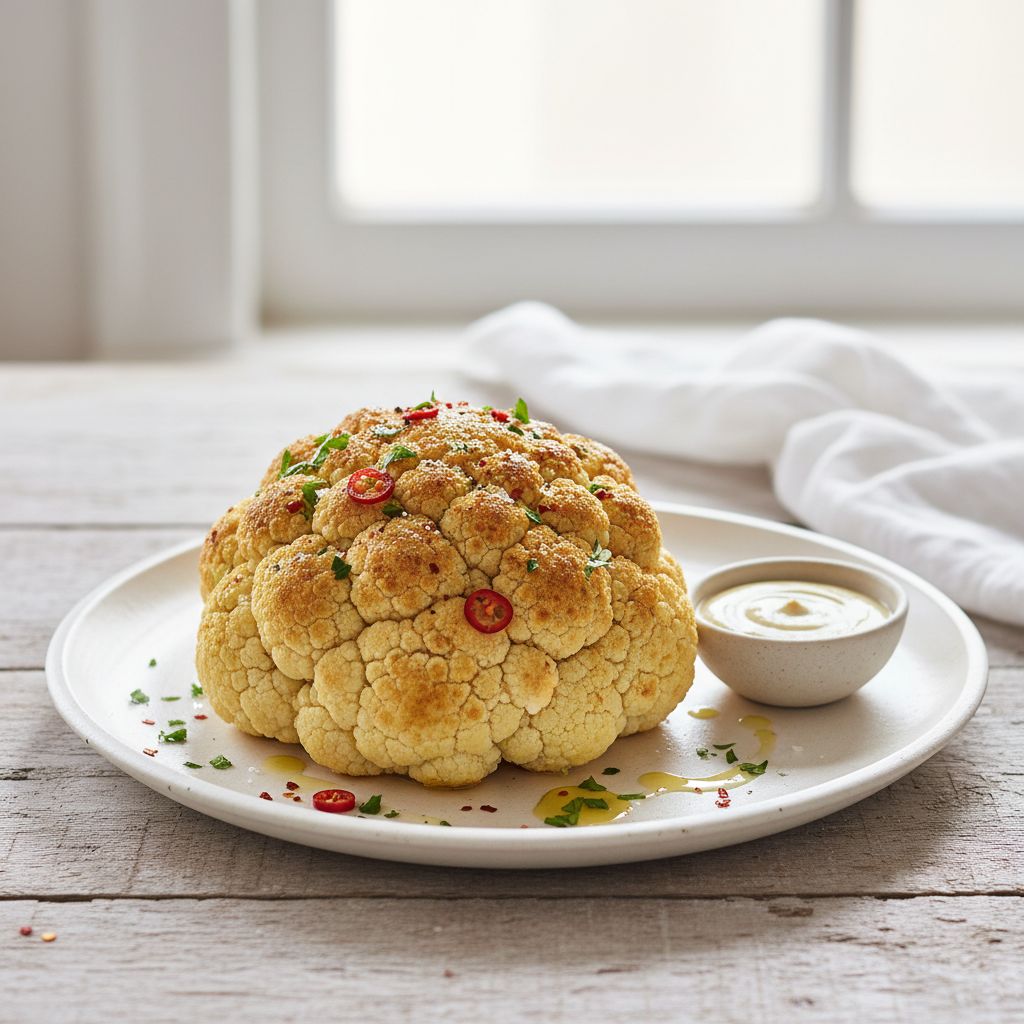
Cauliflower is a cruciferous vegetable rich in sulforaphane and indole-3-carbinol. It is an excellent low-carb substitute for grains and starches.
 6/10
6/10Lamb
Neutral
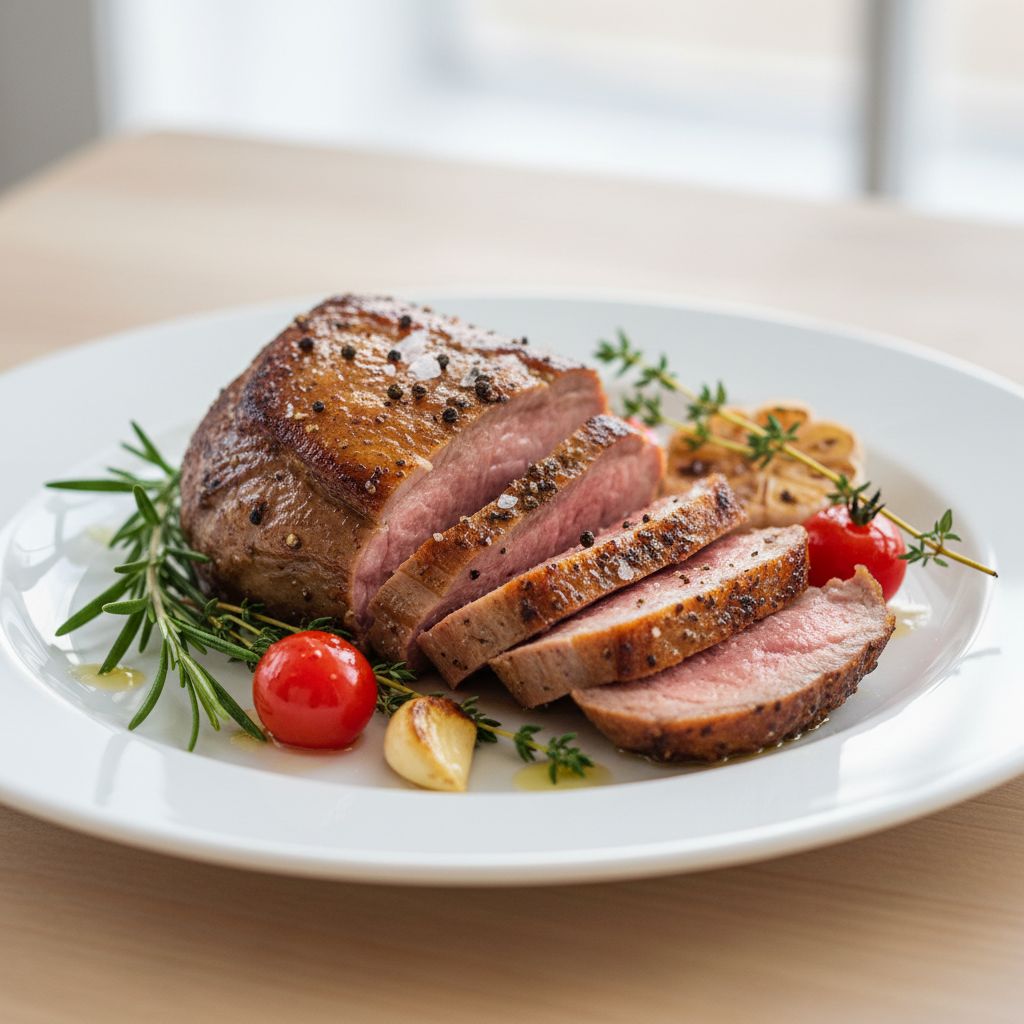
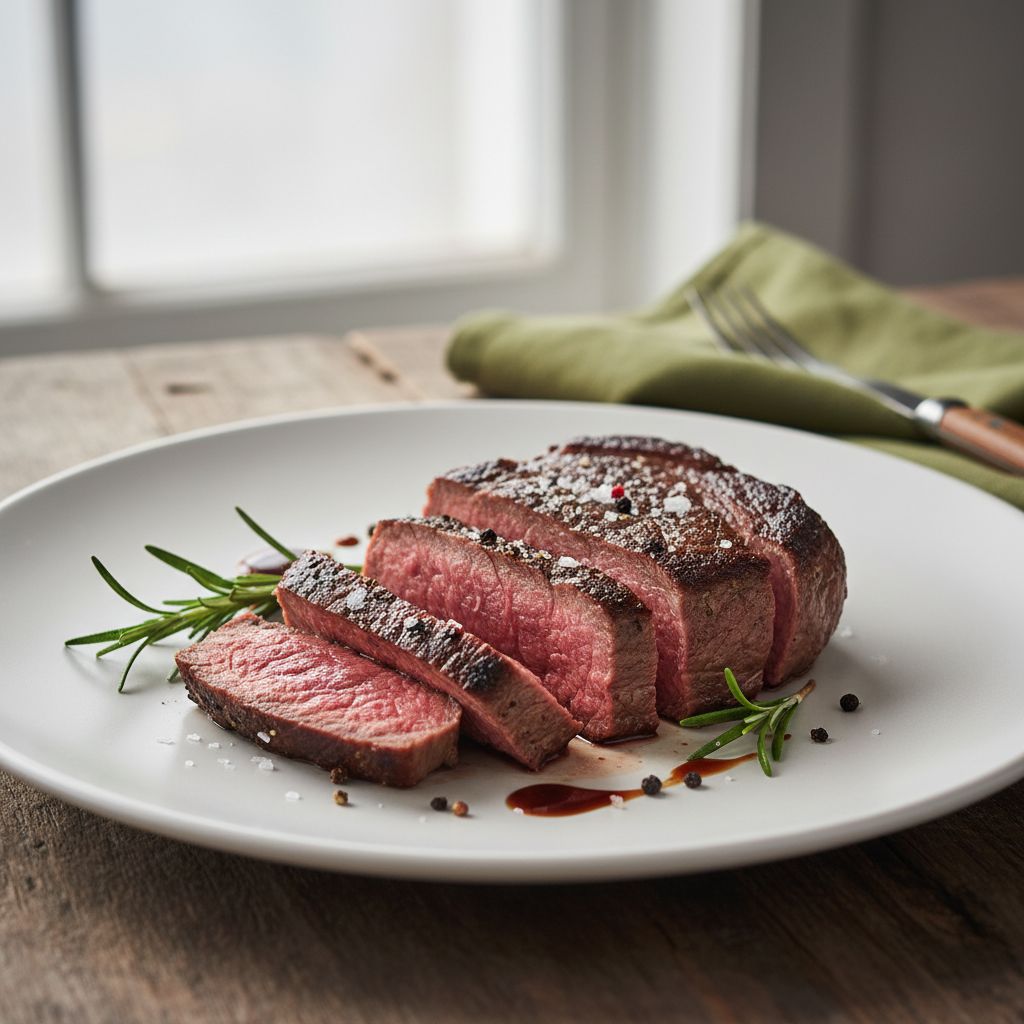
Lamb is a nutrient-dense red meat rich in protein, iron, zinc, and B vitamins. While it contains saturated fats that can promote inflammation, it also provides conjugated linoleic acid (CLA) and omega-3s when grass-fed, which have anti-inflammatory properties.
 7/10
7/10Beef
Inflammatory
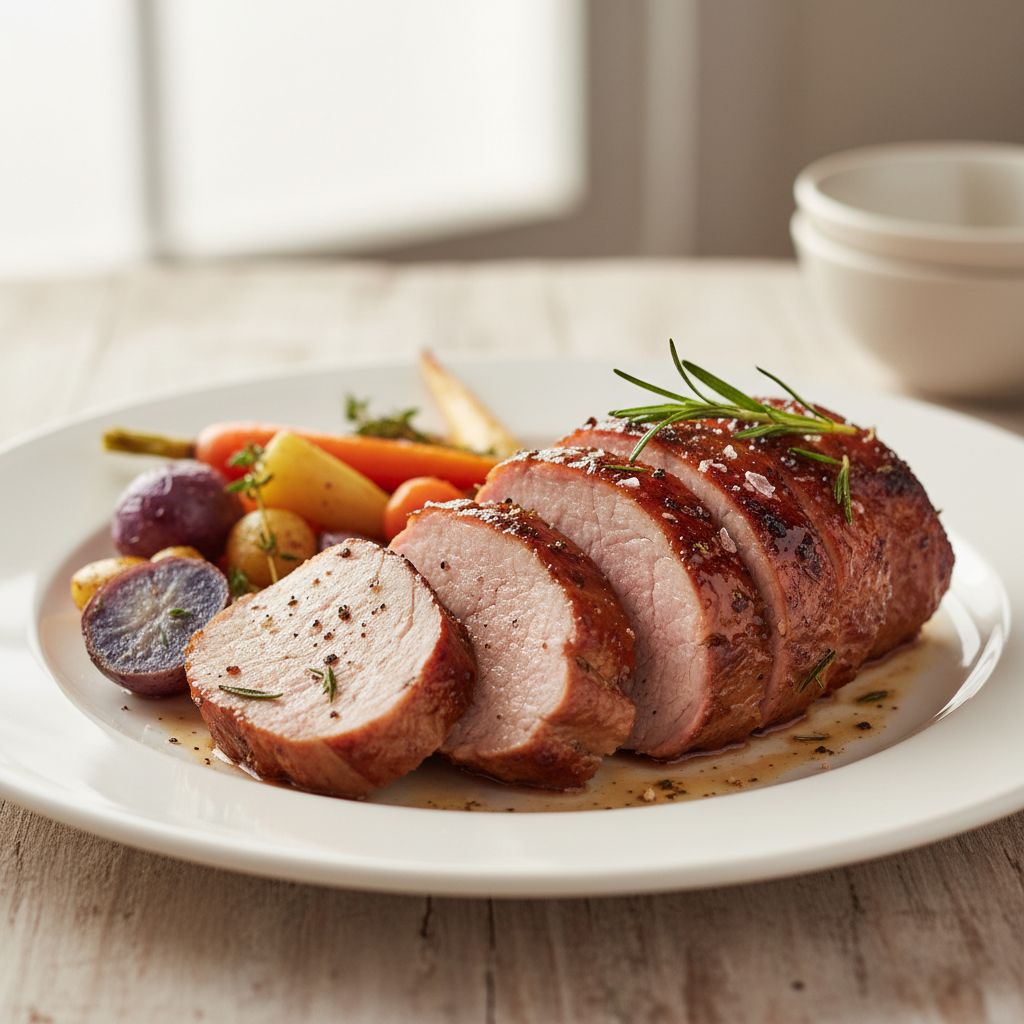
Beef is a common red meat high in protein, iron, and B vitamins. However, conventional beef is rich in omega-6 fatty acids and saturated fats that promote inflammation. Grass-fed beef is a better choice with higher omega-3 content.
 7/10
7/10Pork
Inflammatory
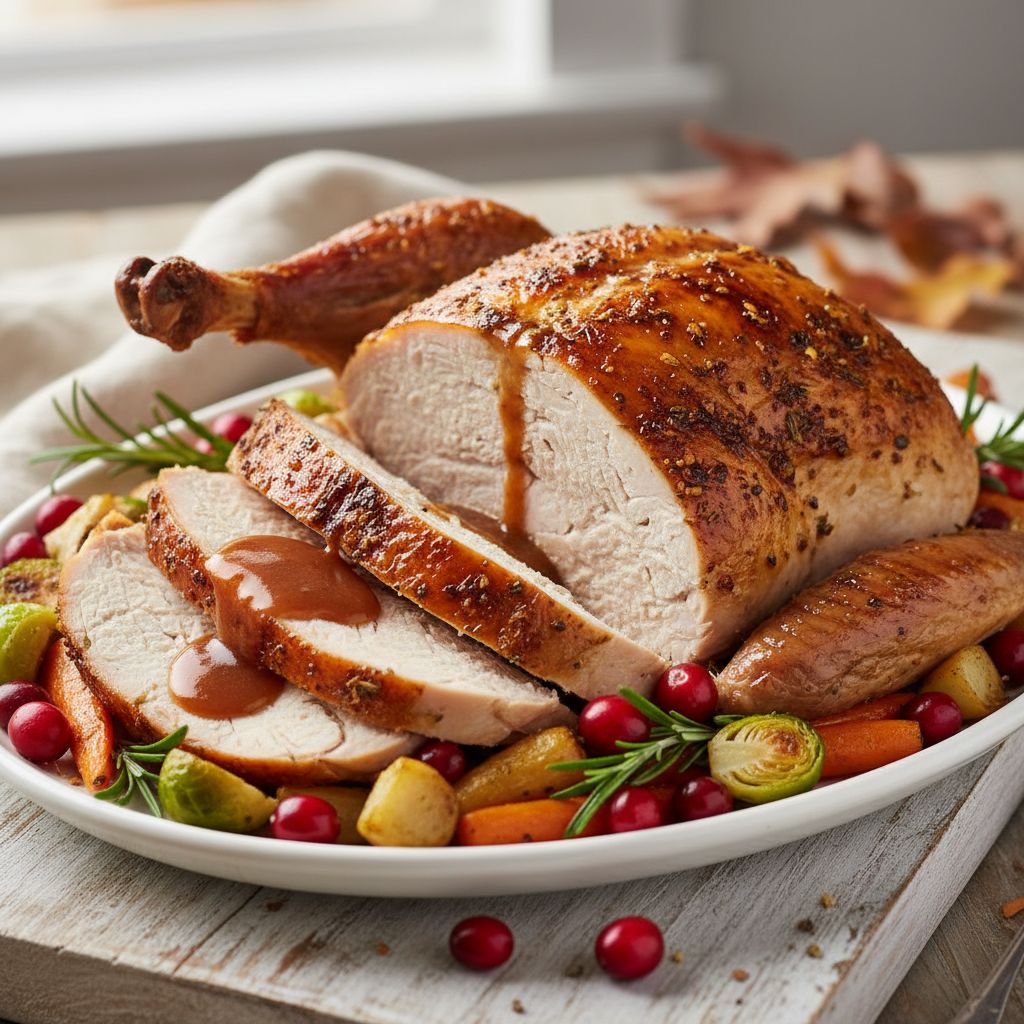
Pork is a widely consumed meat that is high in protein and B vitamins. However, especially processed forms like bacon and sausage, pork can be highly inflammatory due to saturated fats, omega-6 fatty acids, and preservatives.
 4/10
4/10Turkey
Neutral
Turkey is a lean poultry option that provides quality protein with less saturated fat than red meat. It contains selenium and tryptophan. Turkey breast is one of the leaner protein choices available.
 3/10
3/10Shrimp
Anti-Inflammatory
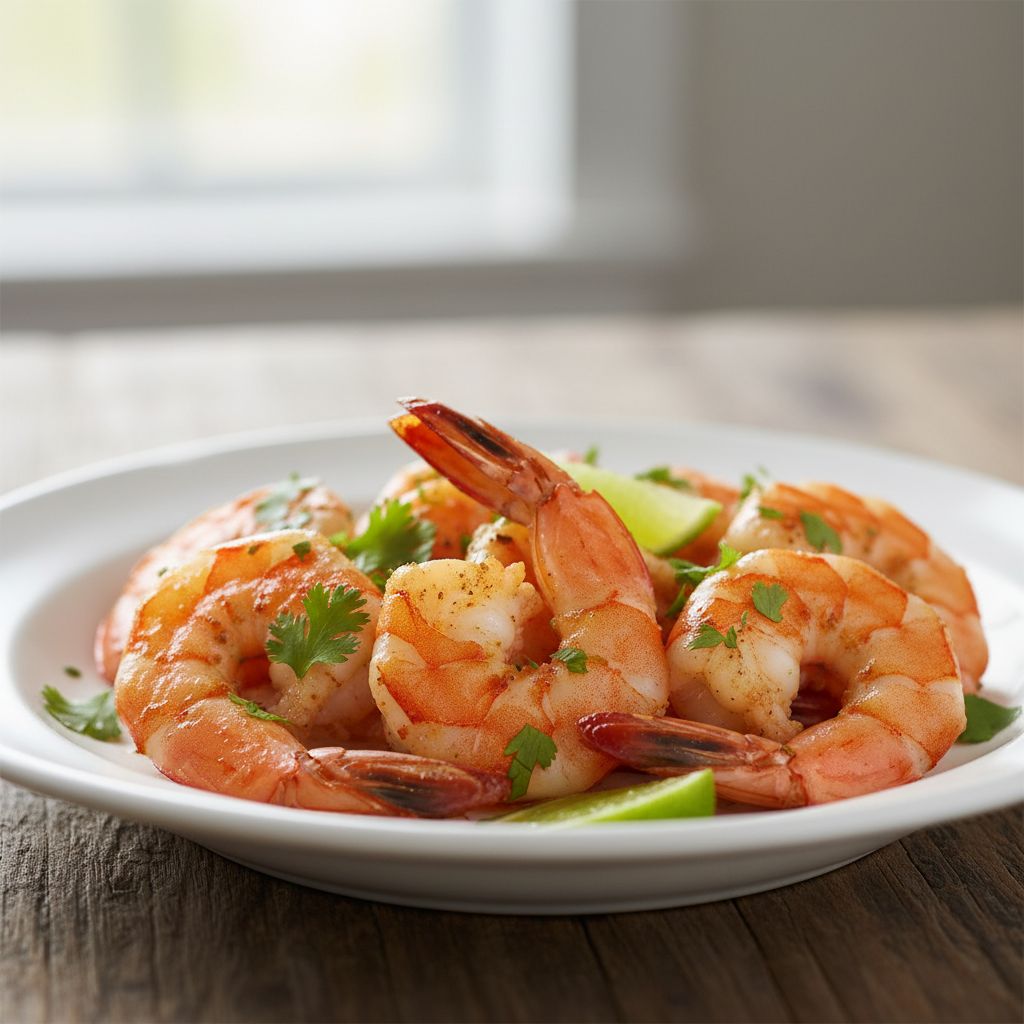
Shrimp is a low-calorie, high-protein seafood rich in astaxanthin, a powerful antioxidant that gives shrimp its pink color. It provides omega-3 fatty acids, selenium, and iodine with anti-inflammatory benefits.
 2/10
2/10Tuna
Anti-Inflammatory
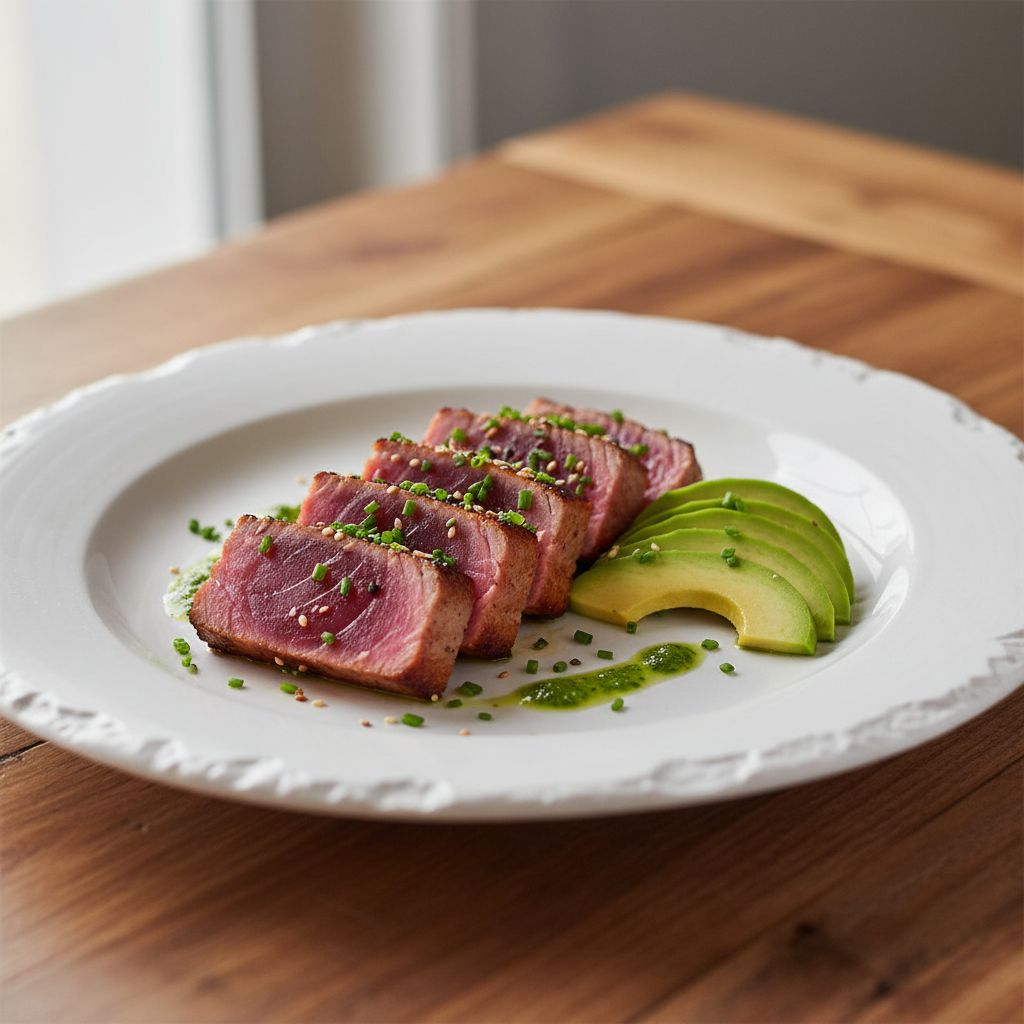
Tuna is an excellent source of omega-3 fatty acids EPA and DHA, which are potent anti-inflammatory compounds. It is also rich in selenium, vitamin D, and high-quality protein.
 3/10
3/10Cod
Anti-Inflammatory
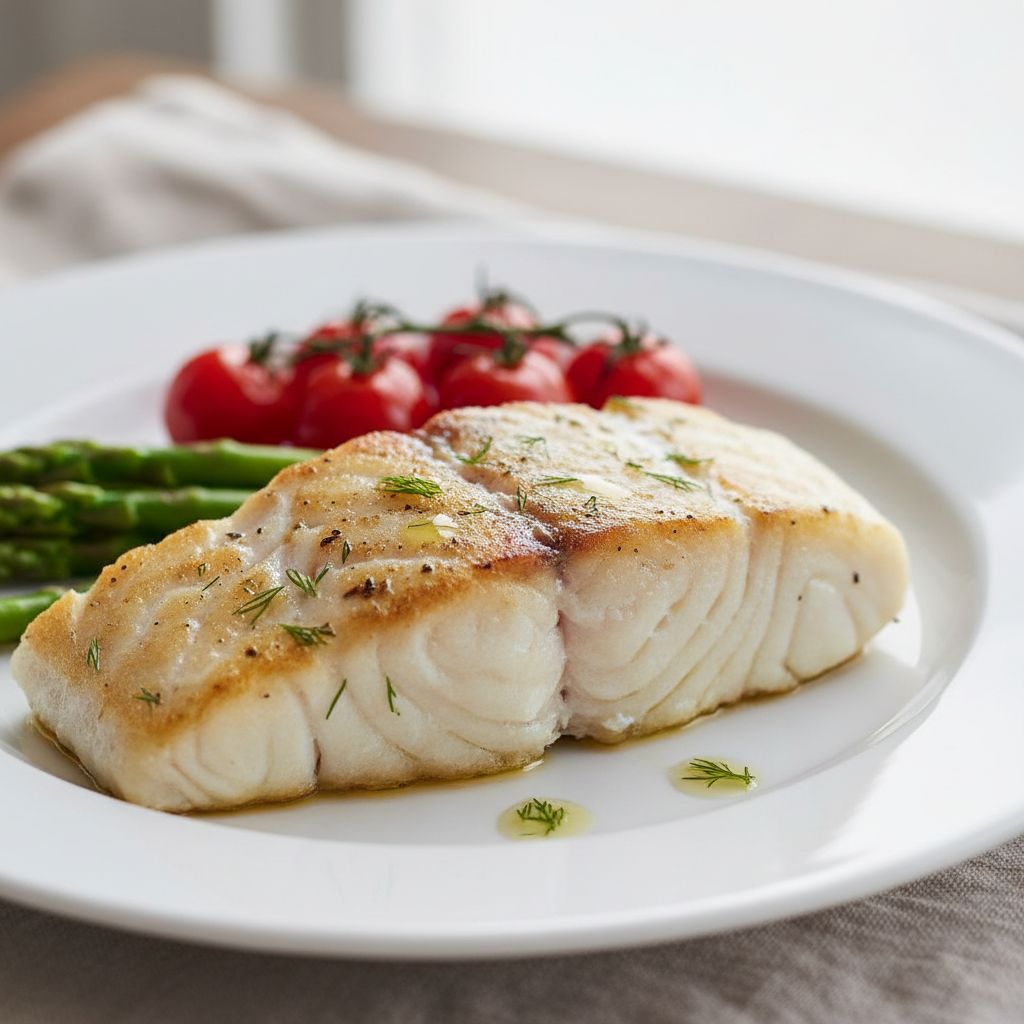
Cod is a mild white fish that is low in fat, high in protein, and a good source of omega-3 fatty acids, vitamin B12, and phosphorus. It is gentle on the digestive system and has anti-inflammatory properties.
 6/10
6/10Chocolate
Neutral
Chocolate varies widely in its inflammatory properties depending on type. Milk chocolate and white chocolate are inflammatory due to sugar and dairy, while dark chocolate (70%+ cacao) contains flavonoids with anti-inflammatory properties.
 6/10
6/10Milk
Neutral
Cow's milk is a controversial food regarding inflammation. While it provides calcium and protein, it contains casein and lactose which can trigger inflammatory responses in sensitive individuals. Fermented dairy may be better tolerated.
 6/10
6/10Bread
Neutral
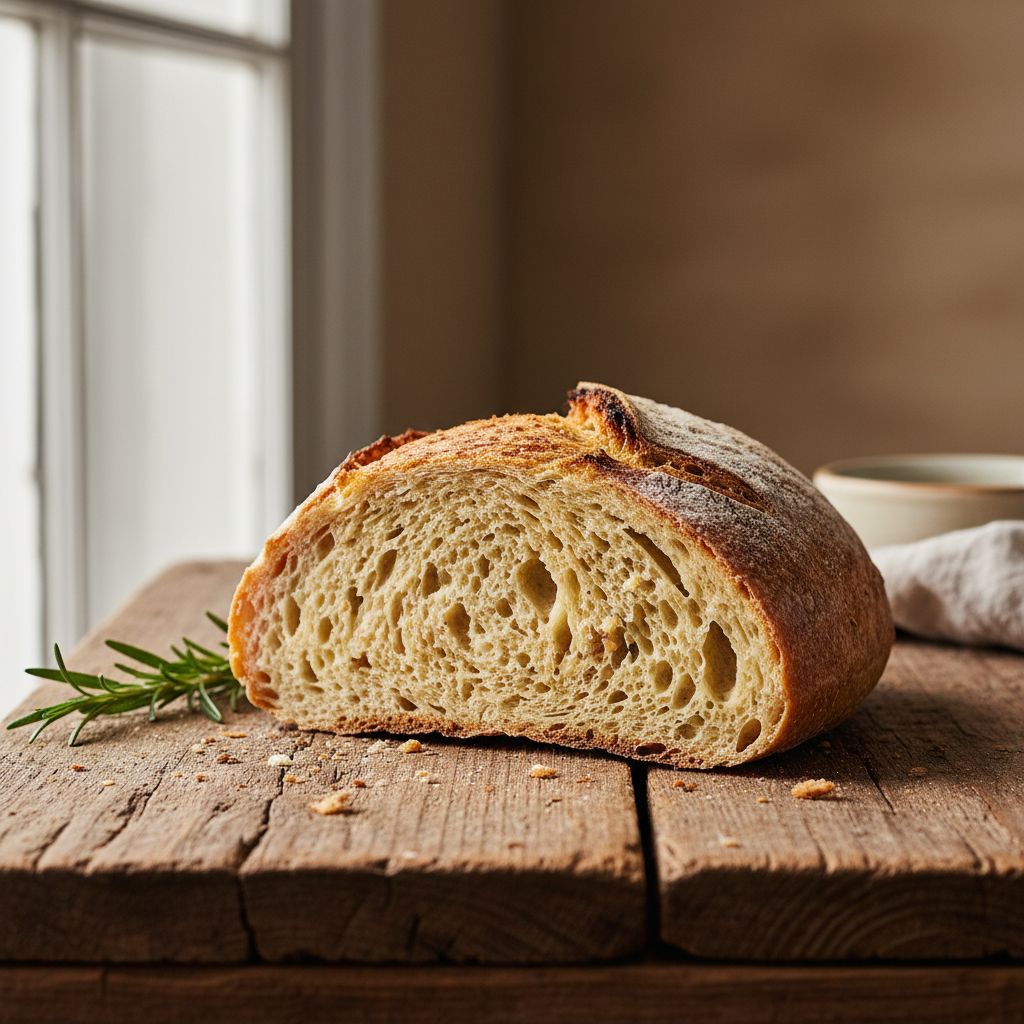
Bread's inflammatory impact depends entirely on the type. White bread made from refined flour is inflammatory, while whole grain, sourdough, and sprouted grain breads have neutral to anti-inflammatory properties due to fiber and nutrients.
 5/10
5/10Corn
Neutral
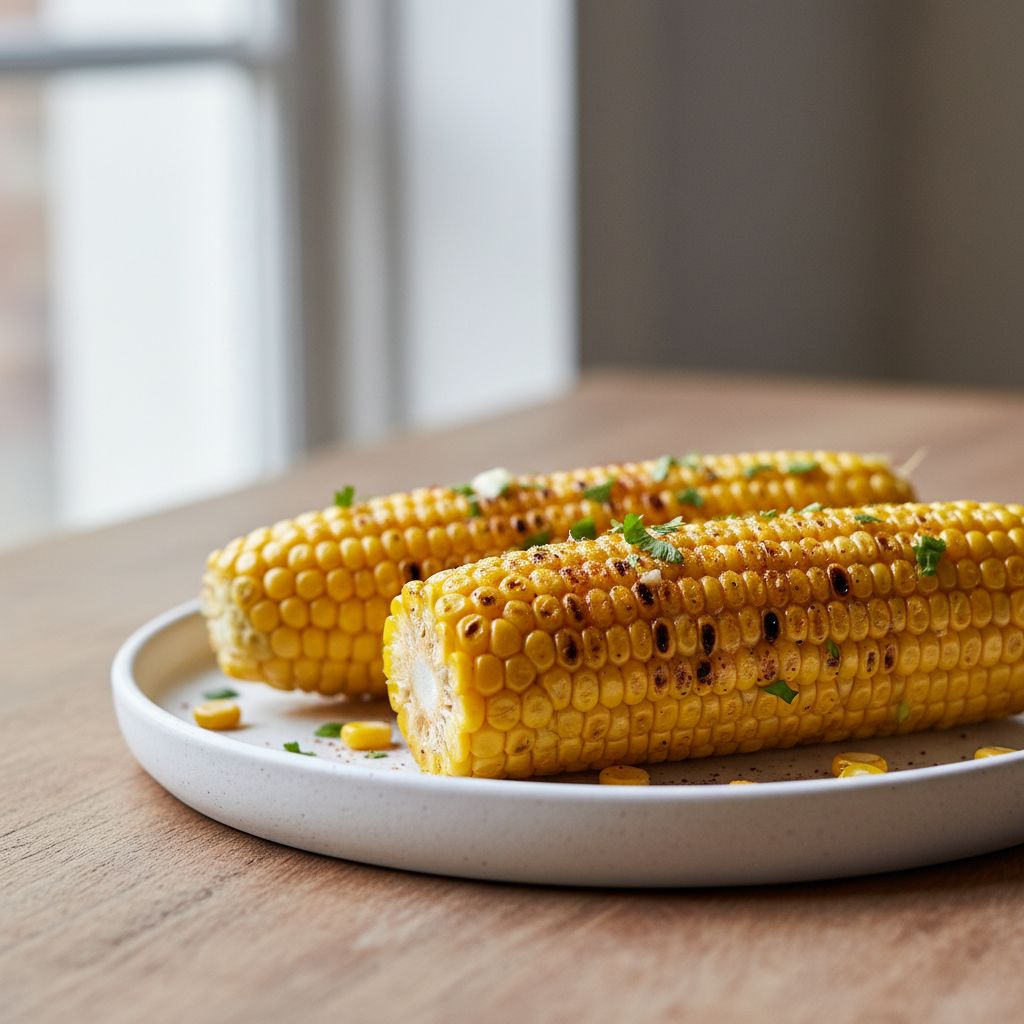
Corn is a starchy vegetable and grain that provides fiber, vitamins, and antioxidants like lutein and zeaxanthin. However, corn is high in omega-6 fatty acids and has a moderate glycemic impact.
 5/10
5/10Peanuts
Neutral
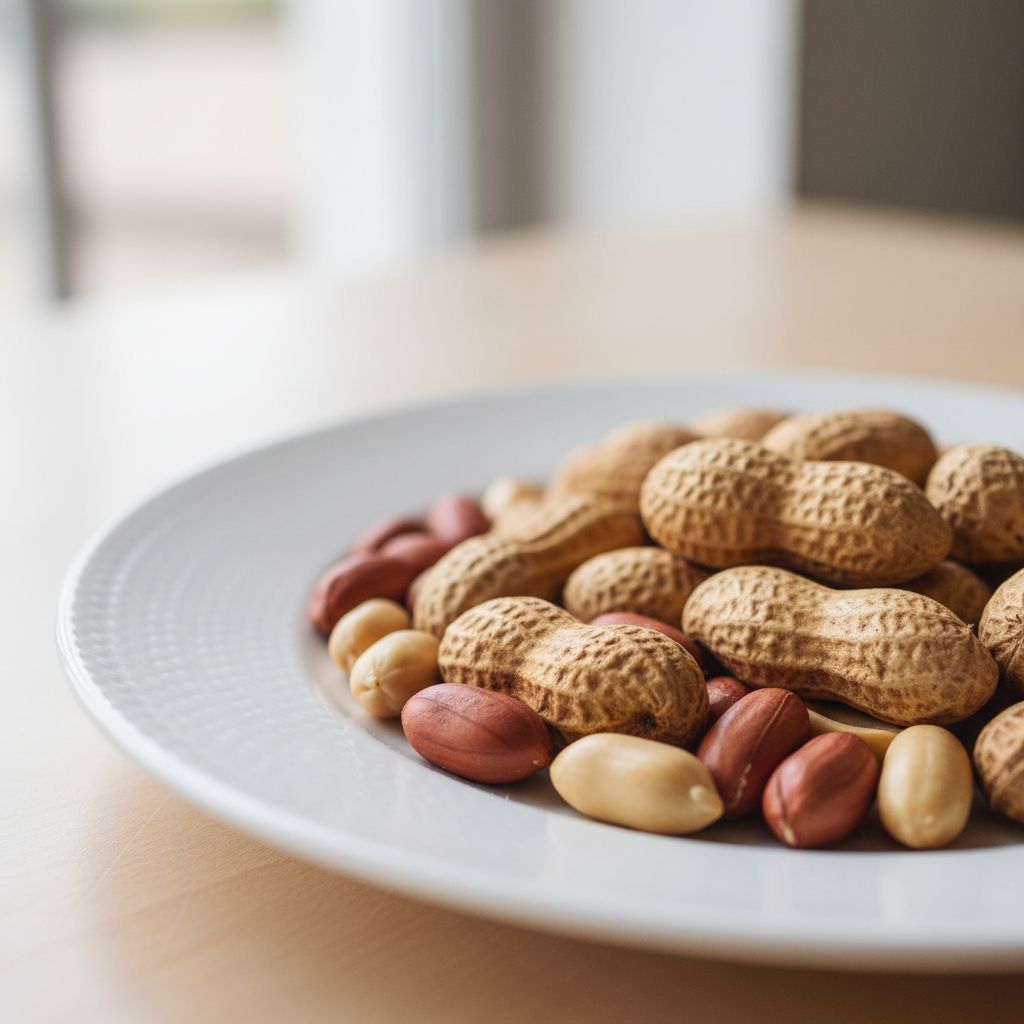
Peanuts are technically legumes rich in protein, healthy fats, and resveratrol. They contain both anti-inflammatory monounsaturated fats and pro-inflammatory omega-6 fatty acids, making them neutral overall.
 2/10
2/10Carrots
Anti-Inflammatory
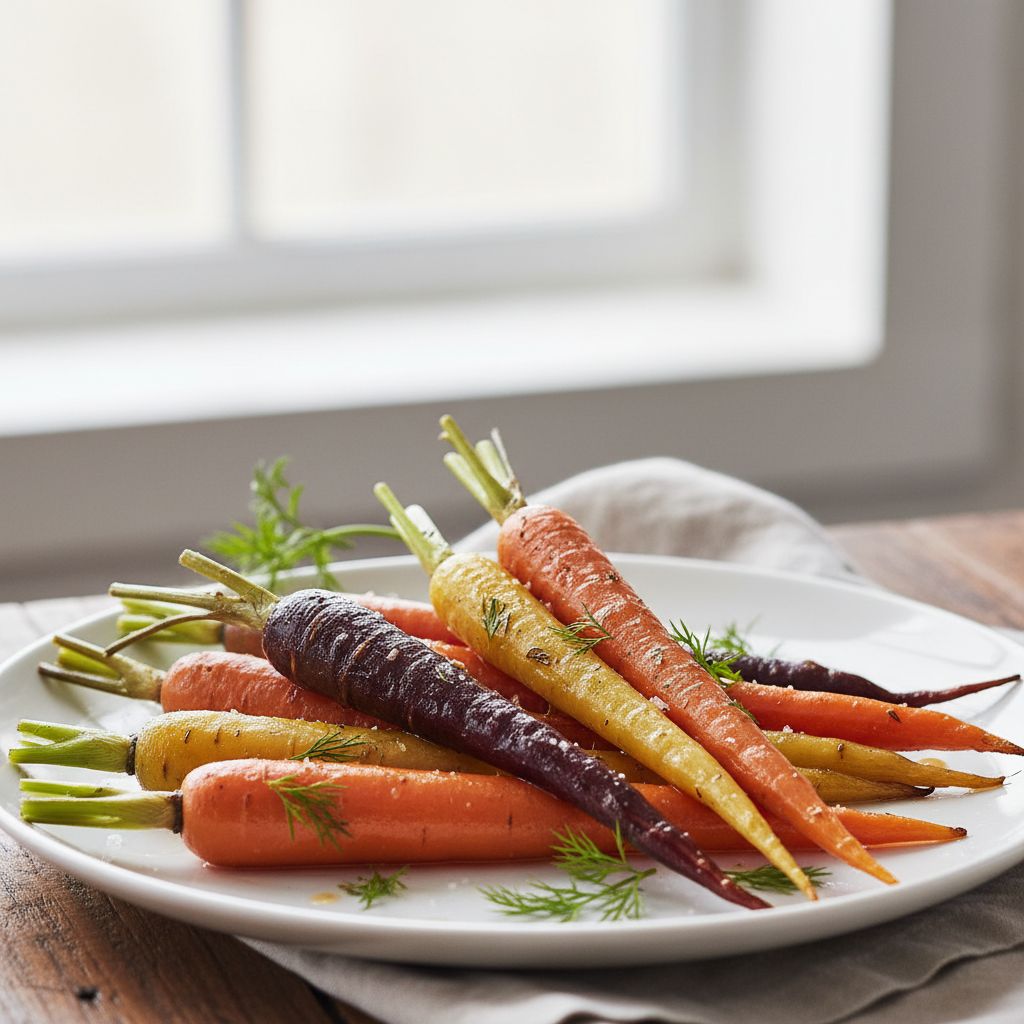
Carrots are rich in beta-carotene, a powerful antioxidant that converts to vitamin A in the body. They contain polyacetylenes and falcarinol, compounds with anti-inflammatory and anti-cancer properties.
 2/10
2/10Cucumber
Anti-Inflammatory
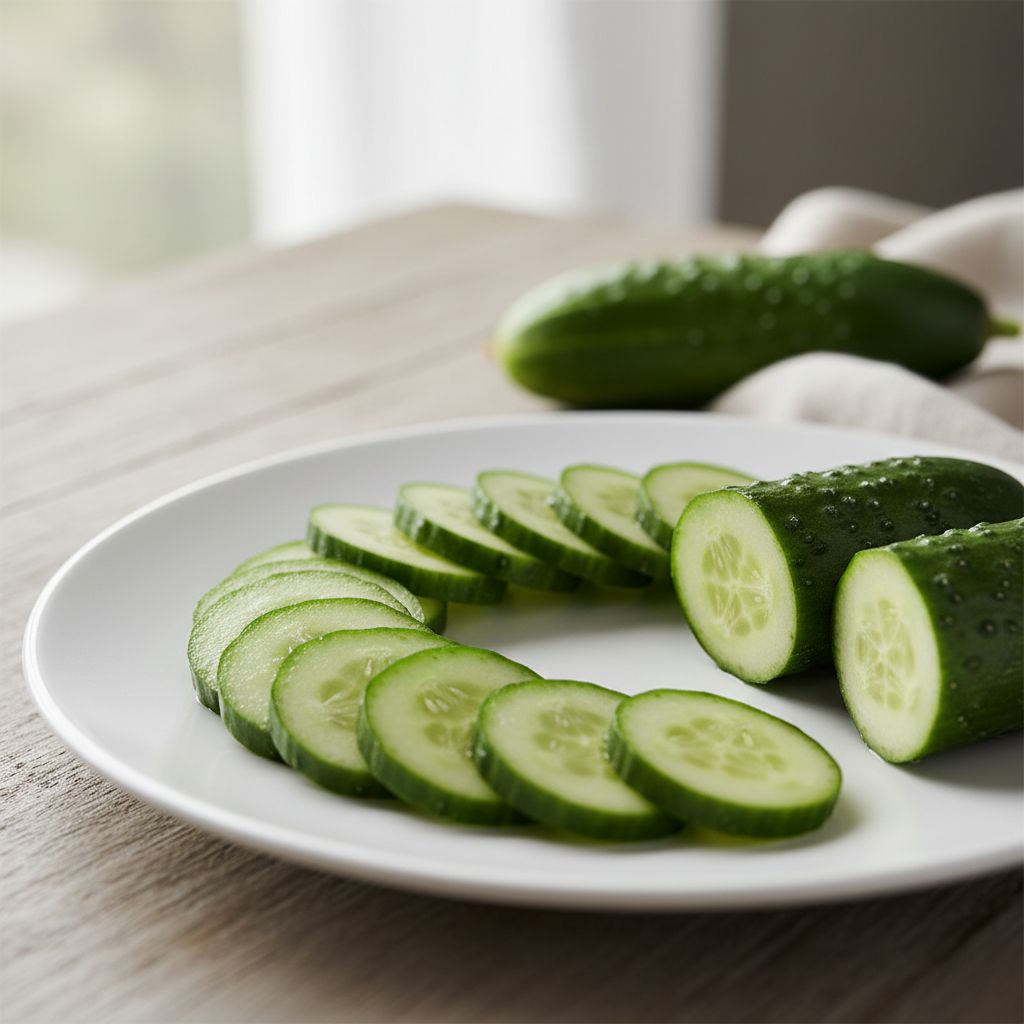
Cucumbers are highly hydrating vegetables rich in flavonoids, tannins, and triterpenes that have anti-inflammatory properties. They contain fisetin, a flavonoid shown to reduce inflammatory markers.
 2/10
2/10Onion
Anti-Inflammatory
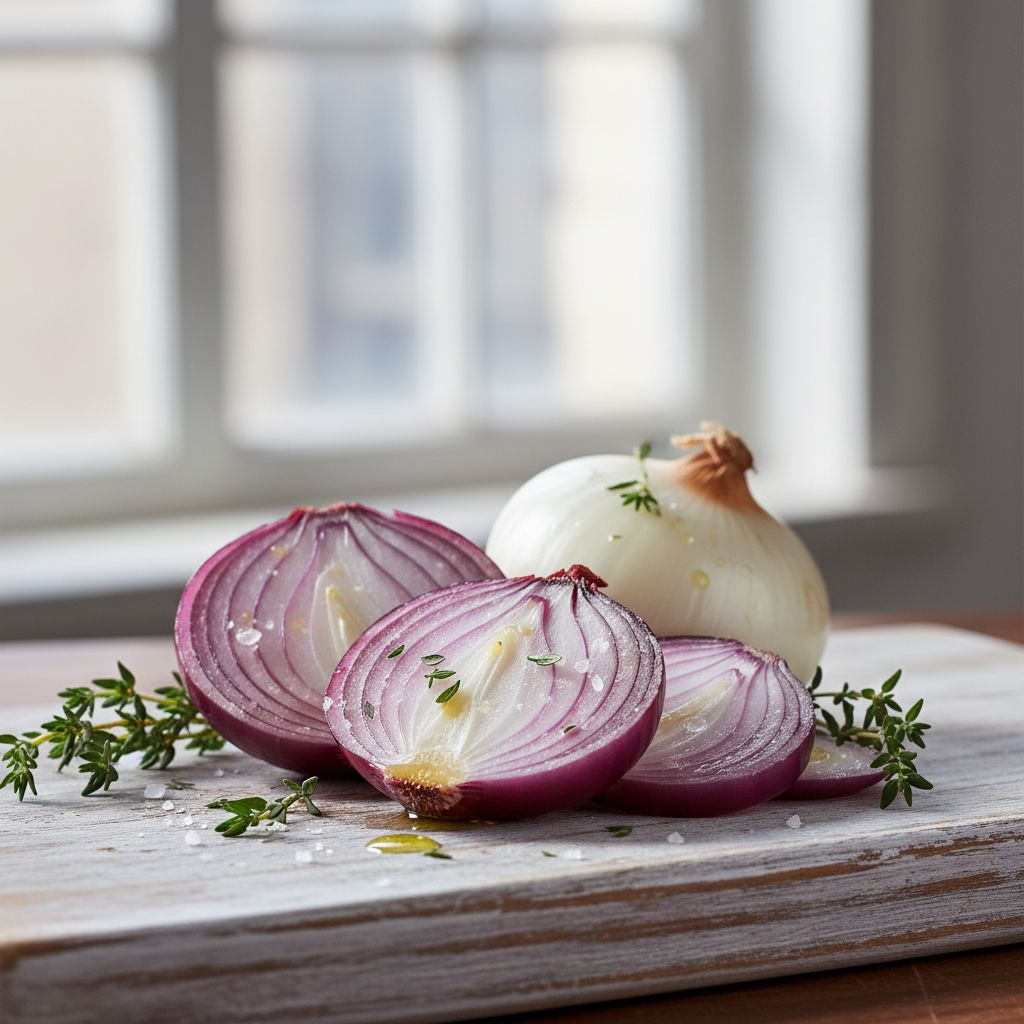
Onions are rich in quercetin, one of the most potent natural anti-inflammatory flavonoids. They also contain sulfur compounds, chromium, and vitamin C that work together to reduce inflammation.
 2/10
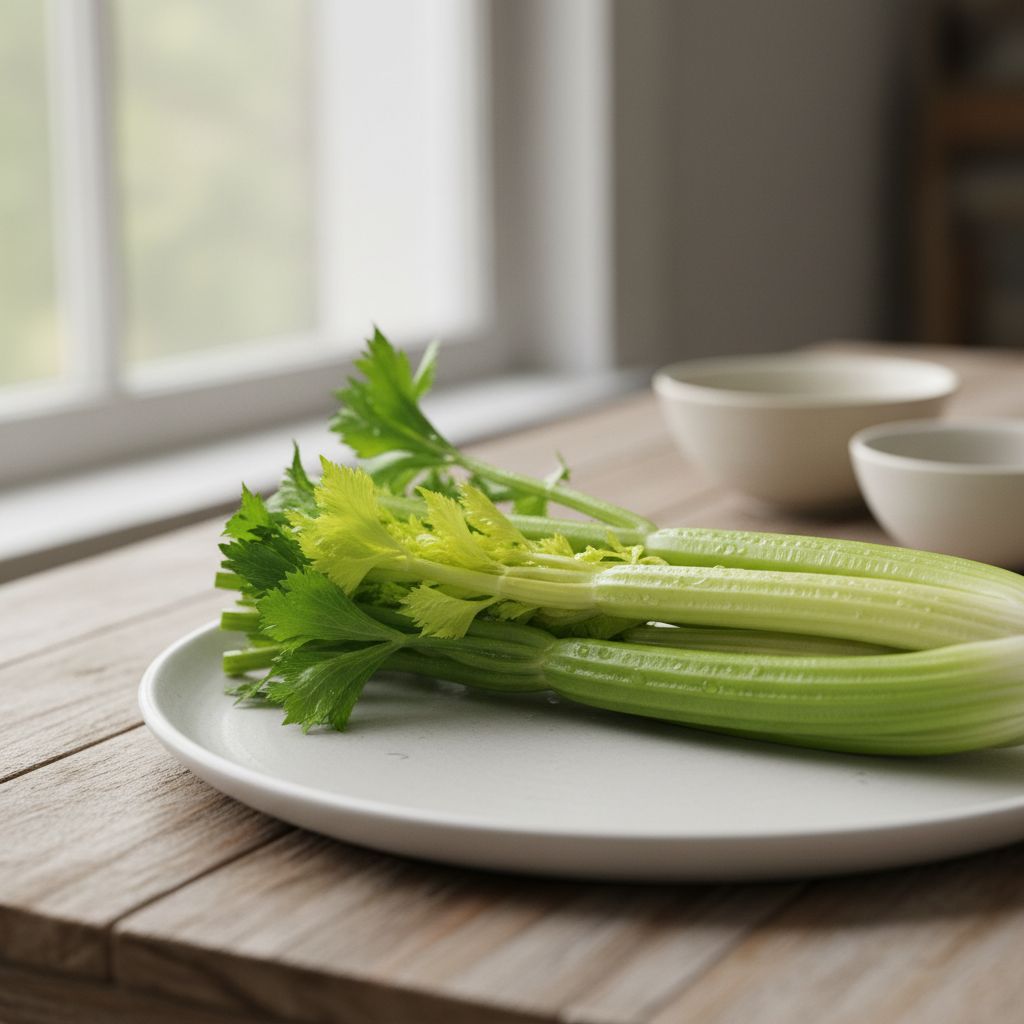
2/10Celery
Anti-Inflammatory
Celery is rich in apigenin and luteolin, two flavonoids with potent anti-inflammatory effects. It also contains polyacetylenes that help reduce inflammation in the joints and digestive tract.
 3/10
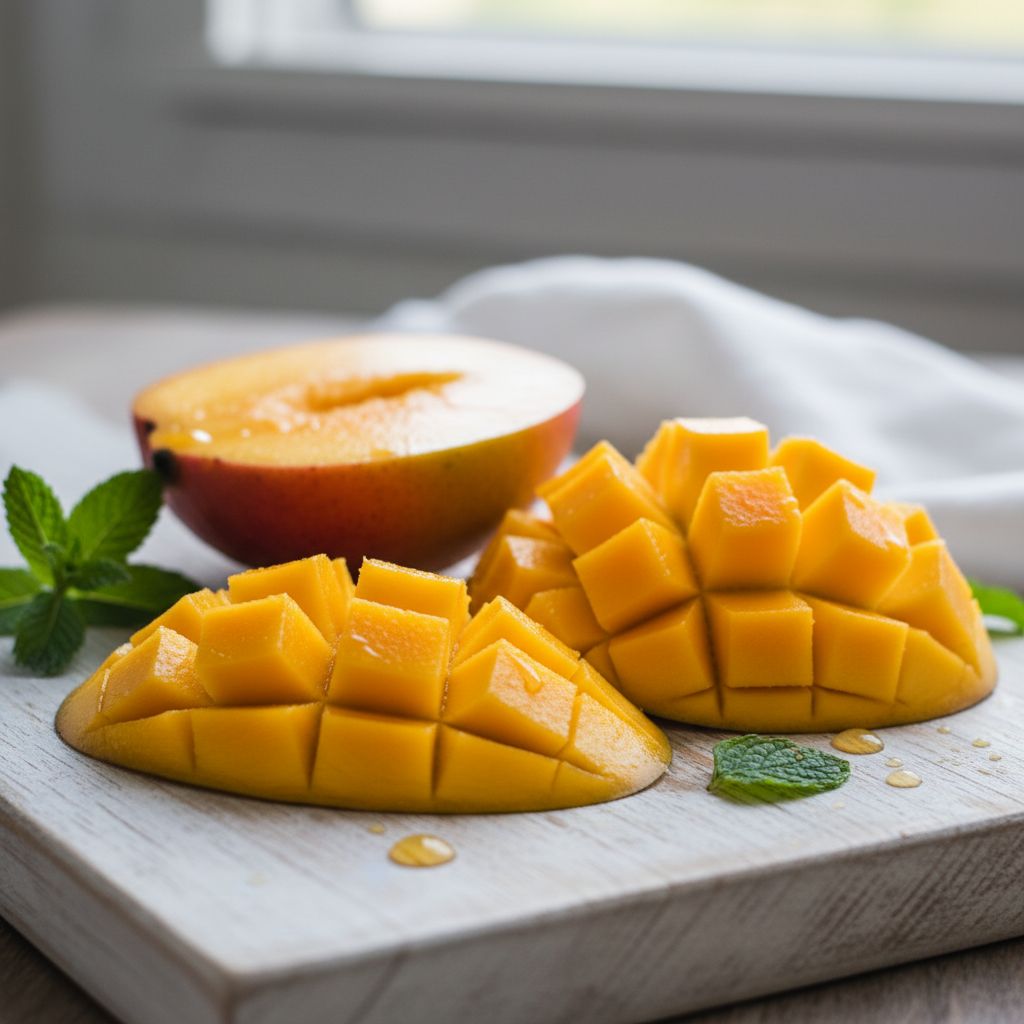
3/10Mango
Anti-Inflammatory
Mangoes are tropical fruits packed with vitamin C, beta-carotene, and polyphenols including mangiferin, a powerful anti-inflammatory compound unique to mangoes. They support immune function and gut health.
 3/10
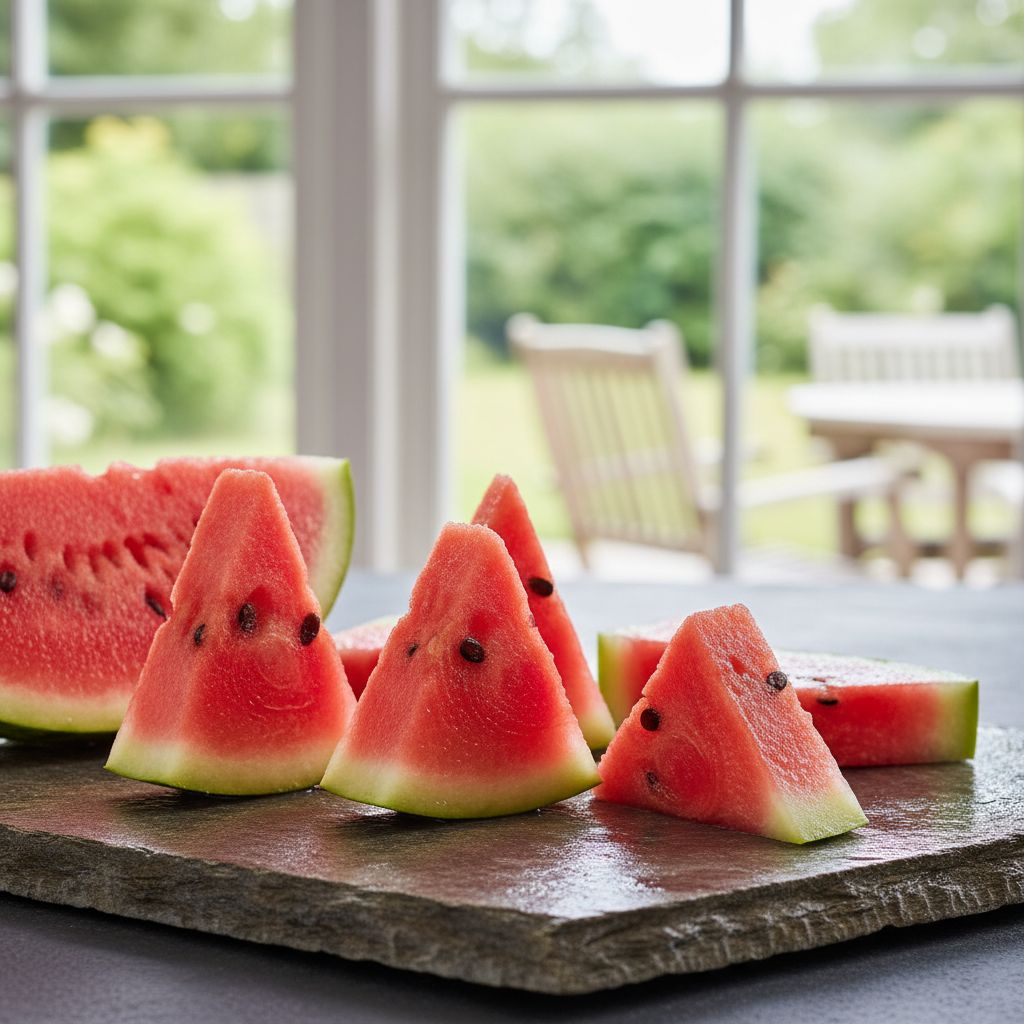
3/10Watermelon
Anti-Inflammatory
Watermelon is rich in lycopene, a carotenoid with powerful anti-inflammatory and antioxidant properties. It also contains citrulline, an amino acid that helps reduce inflammation and improve circulation.
 3/10
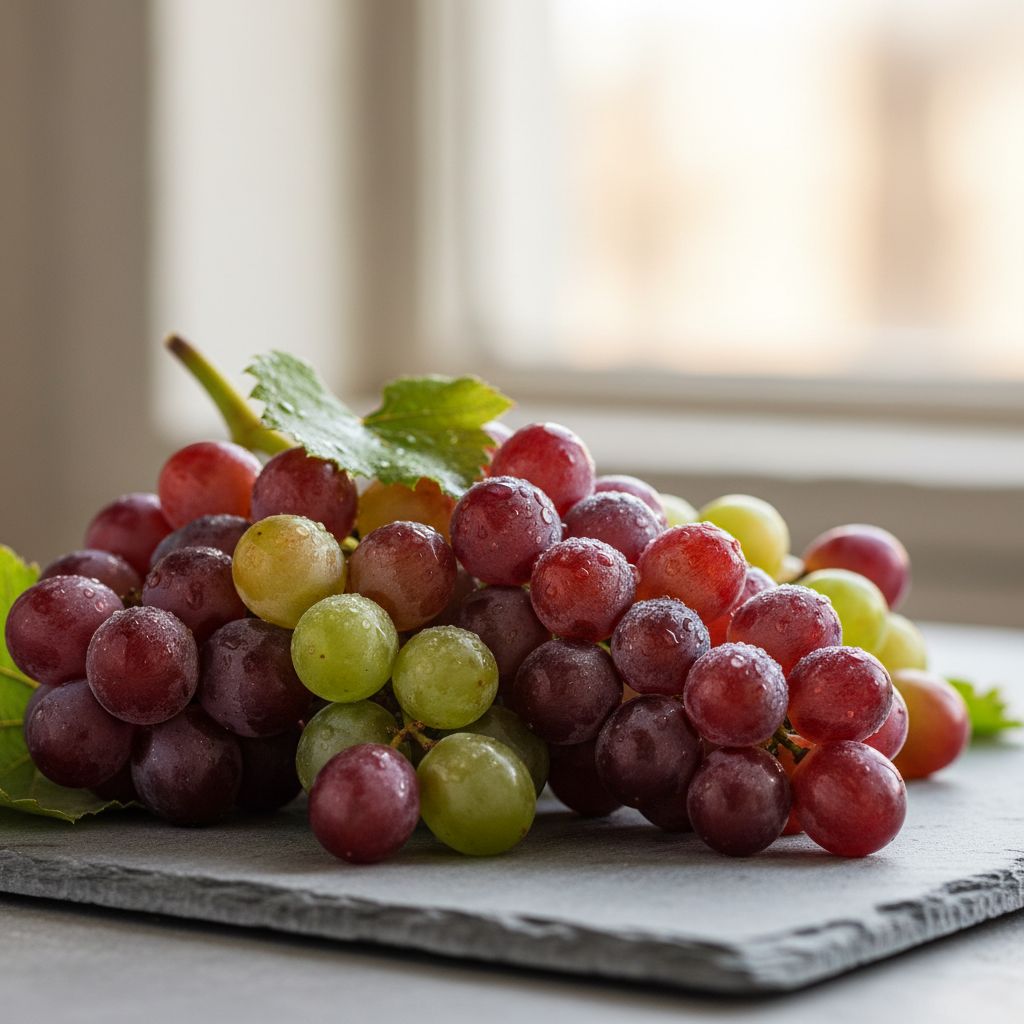
3/10Grapes
Anti-Inflammatory
Grapes, especially red and purple varieties, are rich in resveratrol and other polyphenols with strong anti-inflammatory effects. They contain anthocyanins, quercetin, and catechins that protect against chronic inflammation.
 4/10
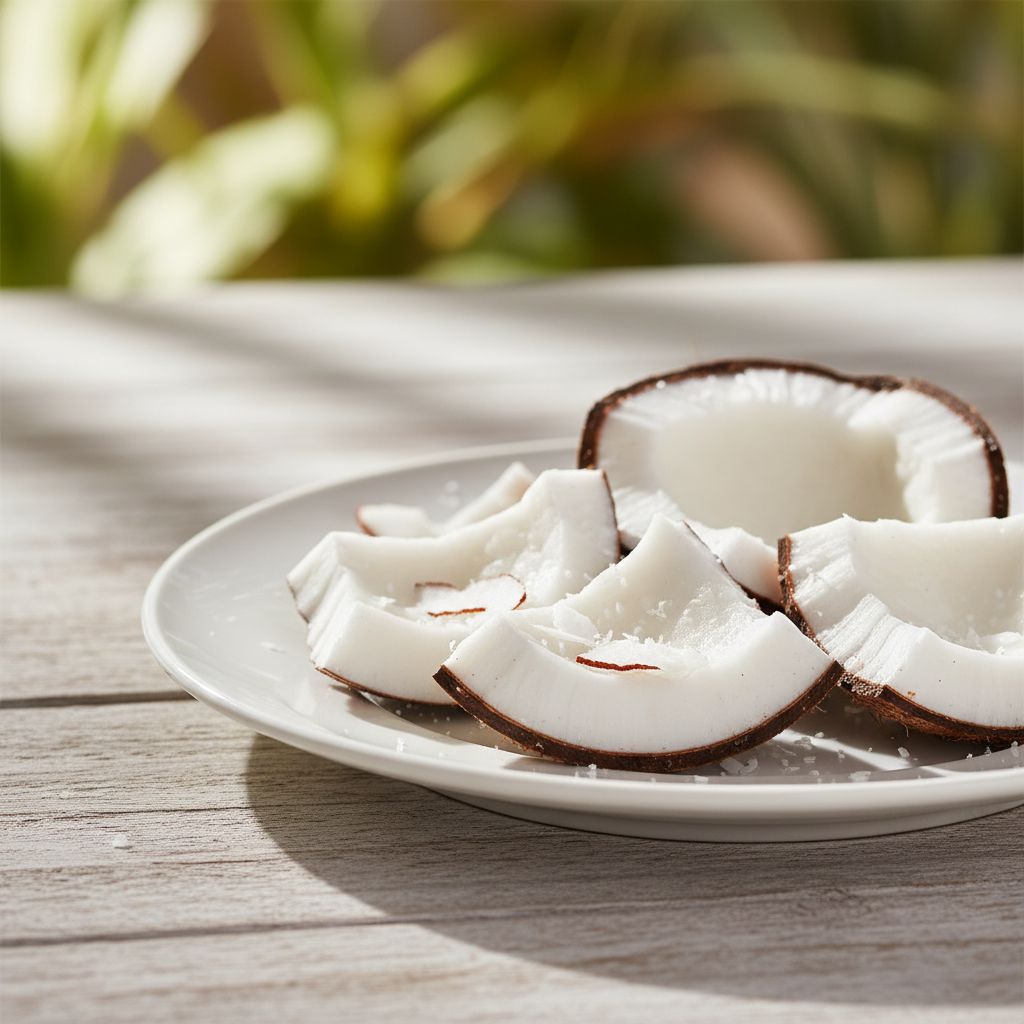
4/10Coconut
Neutral
Coconut has a unique fatty acid profile dominated by medium-chain triglycerides (MCTs), particularly lauric acid. While high in saturated fat, coconut's MCTs are metabolized differently and may have both anti-inflammatory and pro-inflammatory effects.
 5/10
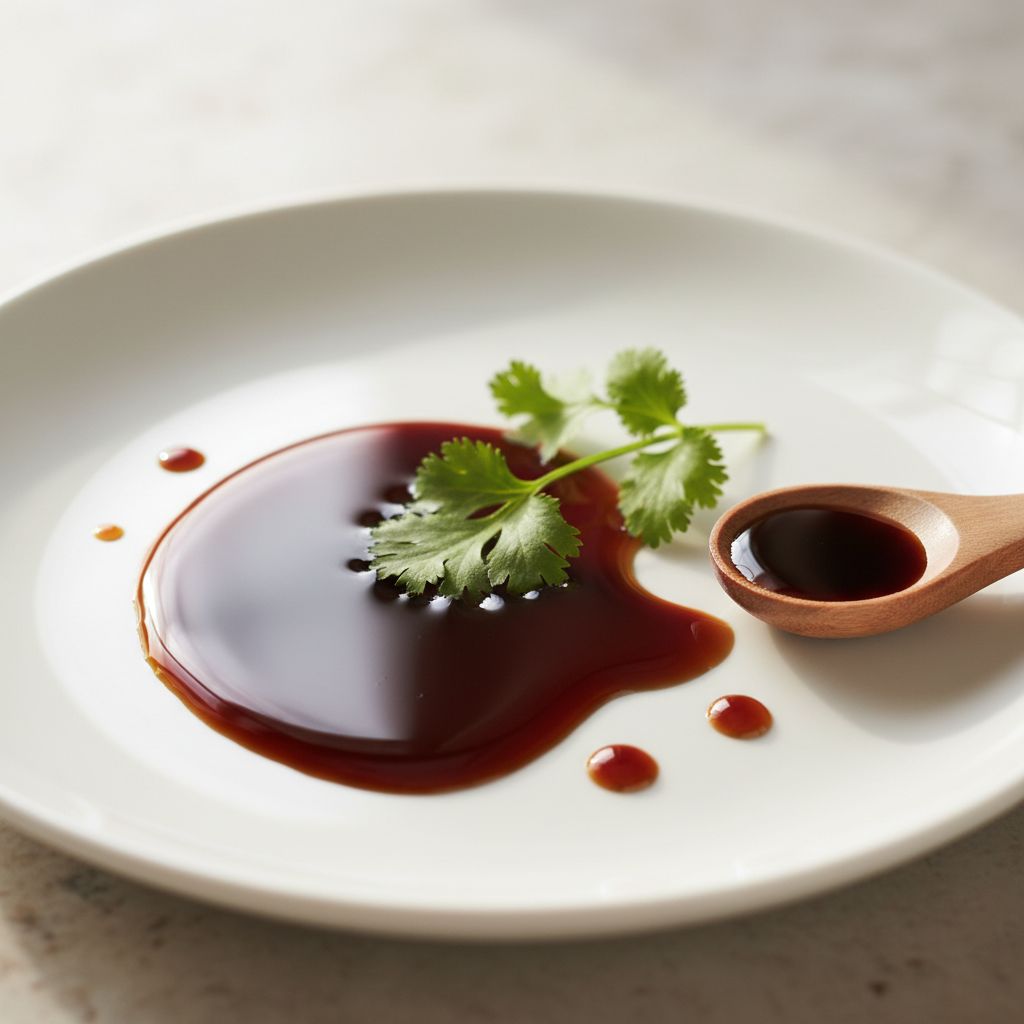
5/10Soy Sauce
Neutral
Soy sauce is a fermented condiment that contains some beneficial compounds from fermentation, but is extremely high in sodium. Naturally brewed soy sauce contains antioxidants, while cheaper versions may contain additives.
 7/10
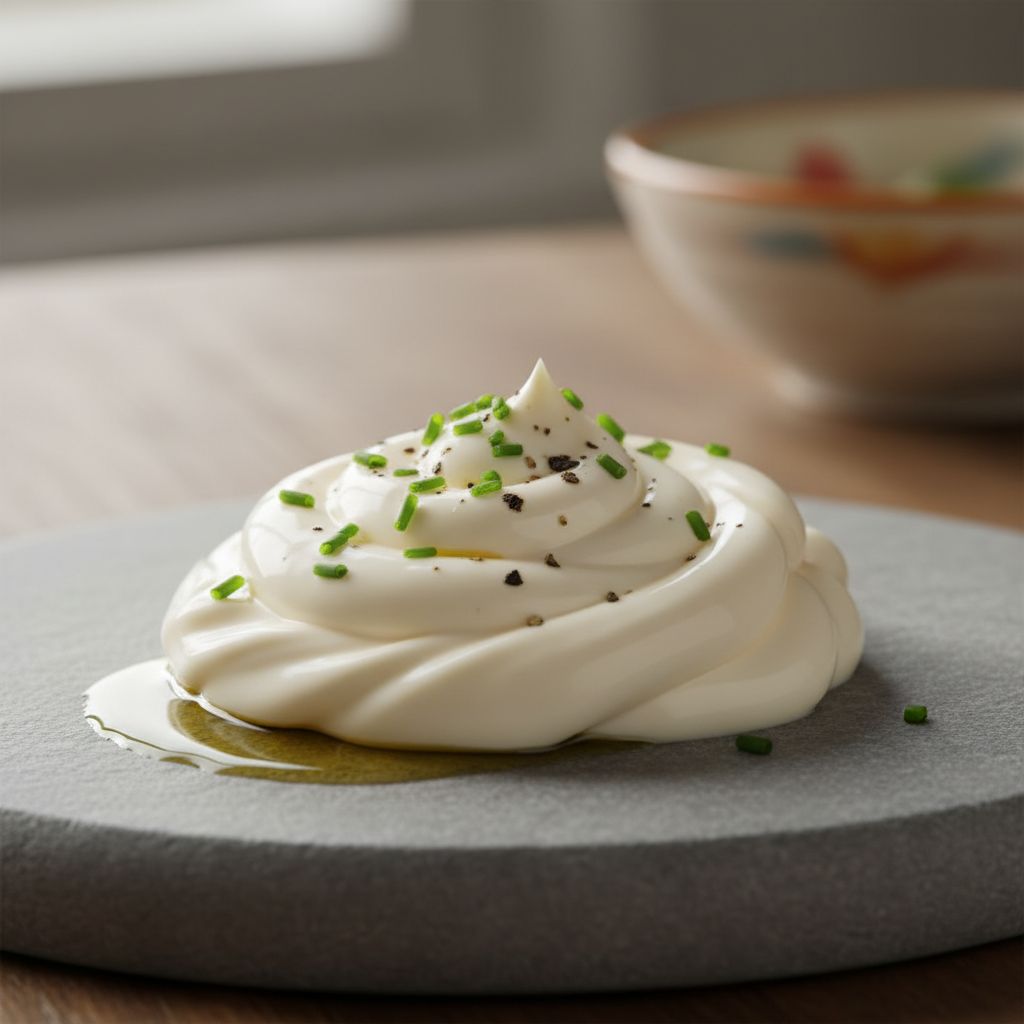
7/10Mayonnaise
Inflammatory
Commercial mayonnaise is typically made with soybean or canola oil, both high in inflammatory omega-6 fatty acids. It is calorie-dense and often contains additives and preservatives.
 3/10
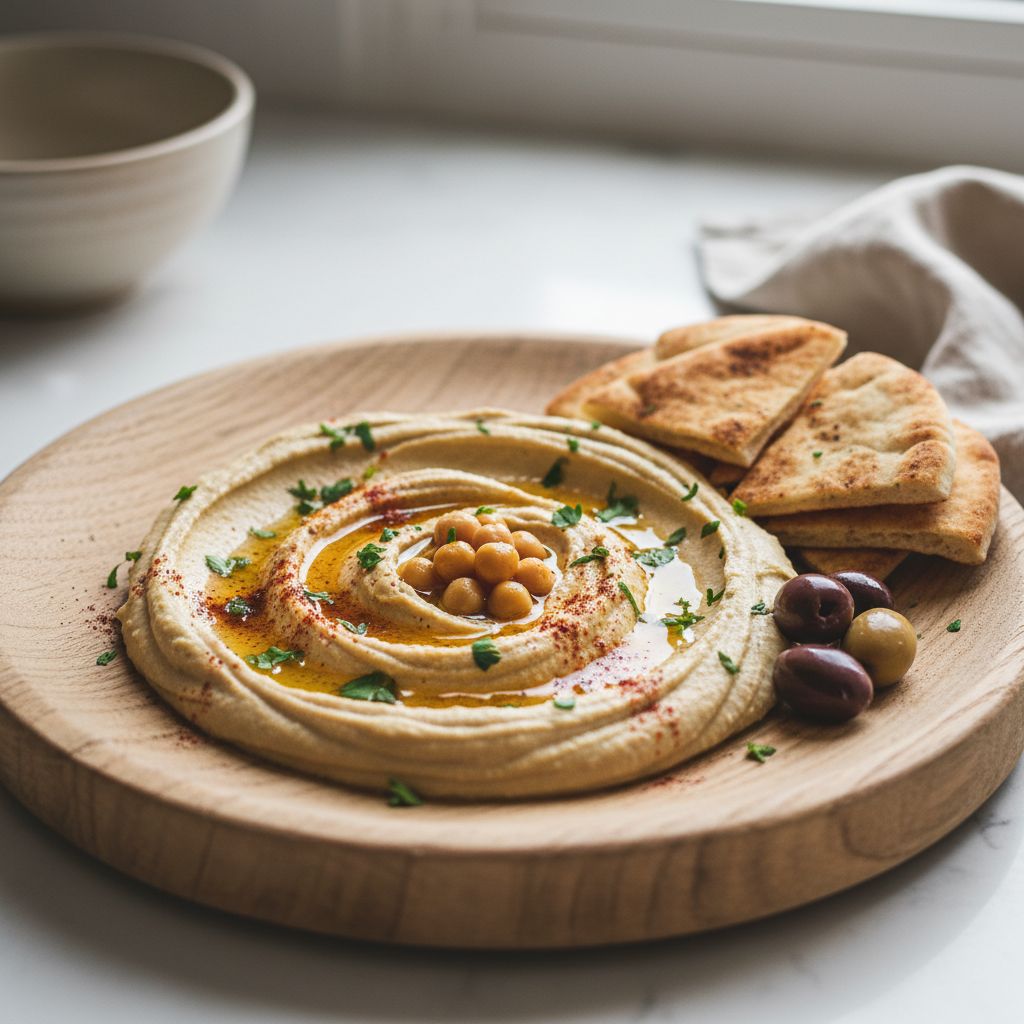
3/10Hummus
Anti-Inflammatory
Hummus is made from chickpeas, tahini, olive oil, lemon, and garlic — all anti-inflammatory ingredients. It provides plant protein, fiber, healthy fats, and minerals with anti-inflammatory properties.
 3/10
3/10Kombucha
Anti-Inflammatory
Kombucha is a fermented tea rich in probiotics, organic acids, and antioxidants from the tea base. The fermentation process produces beneficial bacteria and compounds that support gut health and reduce inflammation.
 3/10
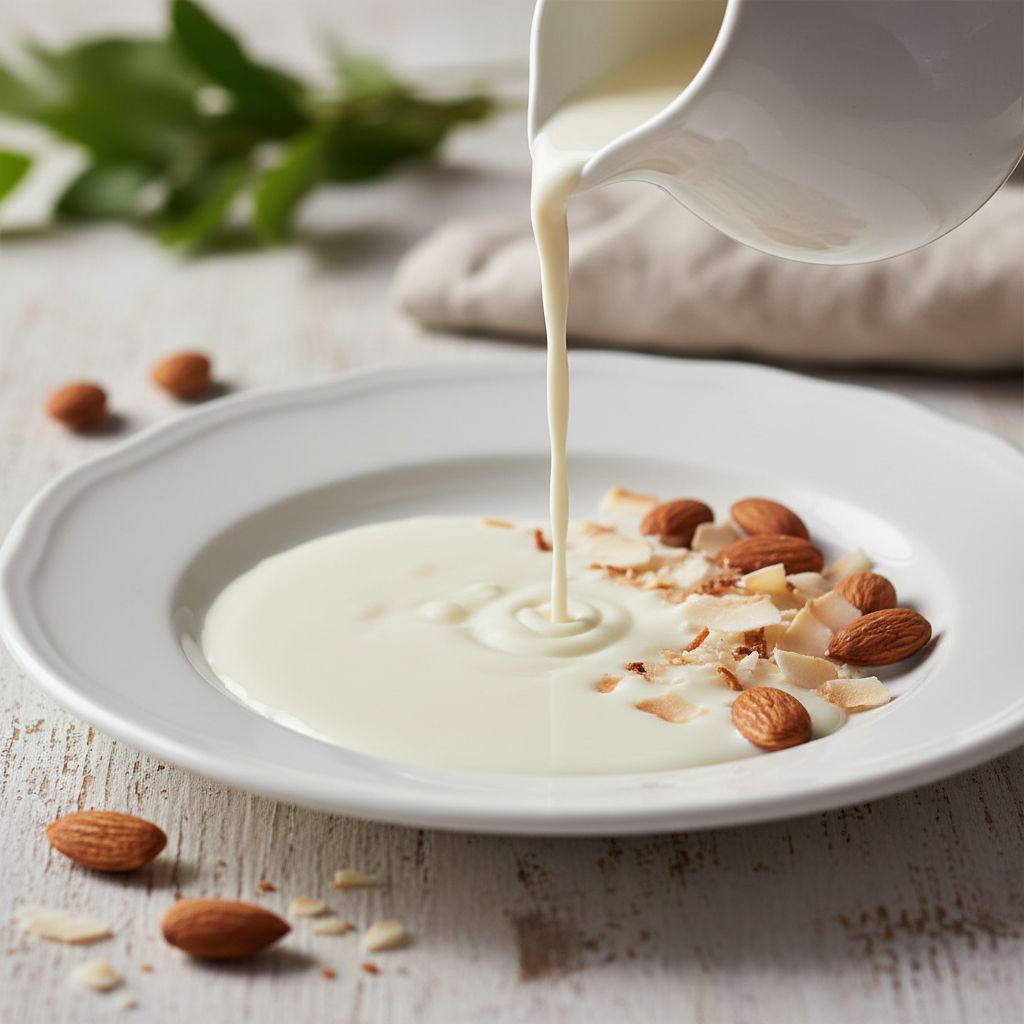
3/10Almond Milk
Anti-Inflammatory
Unsweetened almond milk is a low-calorie, dairy-free alternative that is naturally anti-inflammatory. Almonds provide vitamin E, an antioxidant that helps reduce inflammation, though the milk form is more diluted.
 4/10
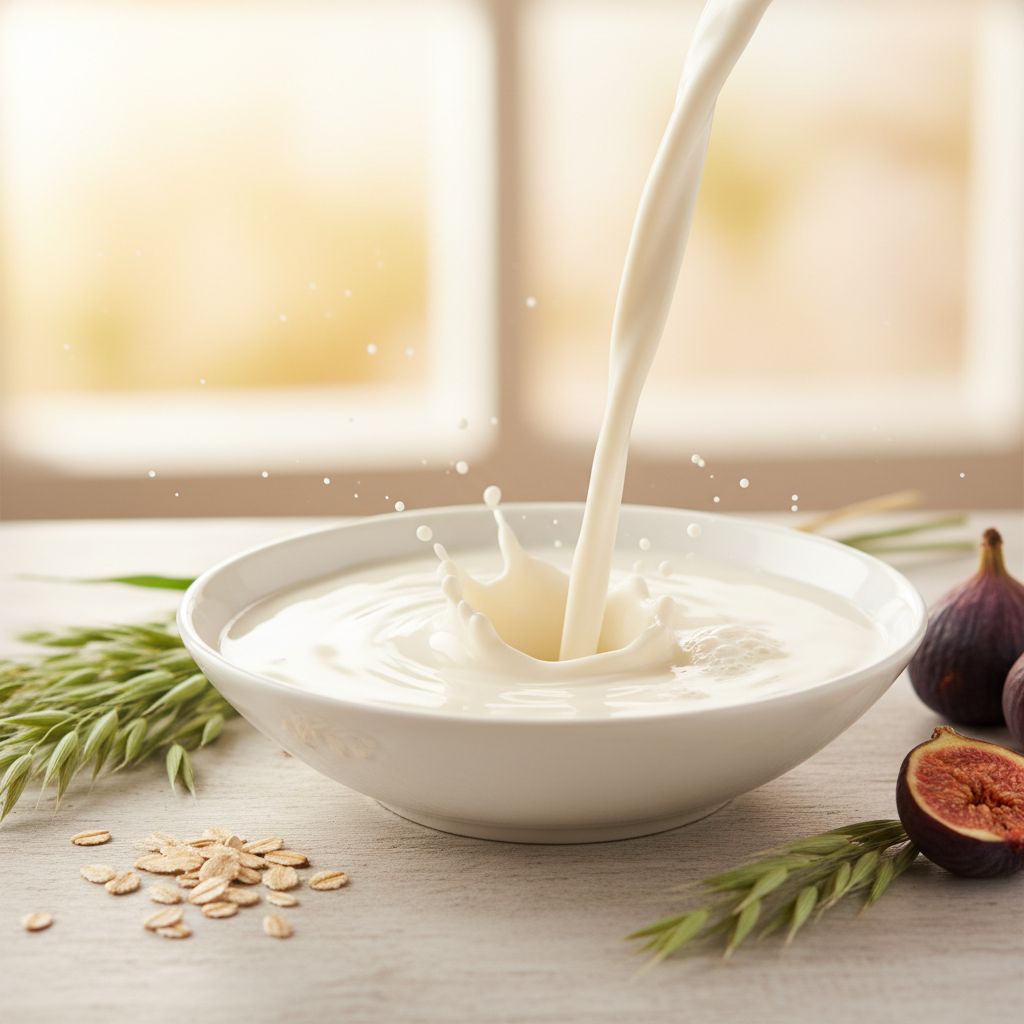
4/10Oat Milk
Neutral
Oat milk is a popular plant-based milk with a creamy texture. It contains beta-glucan fiber which has anti-inflammatory effects, but also has a higher glycemic impact than other plant milks and may contain inflammatory seed oils.
 4/10
4/10Popcorn
Neutral
Plain air-popped popcorn is a whole grain snack that provides fiber and polyphenols. However, microwave and movie theater popcorn loaded with butter, salt, and artificial flavors become inflammatory.
 6/10
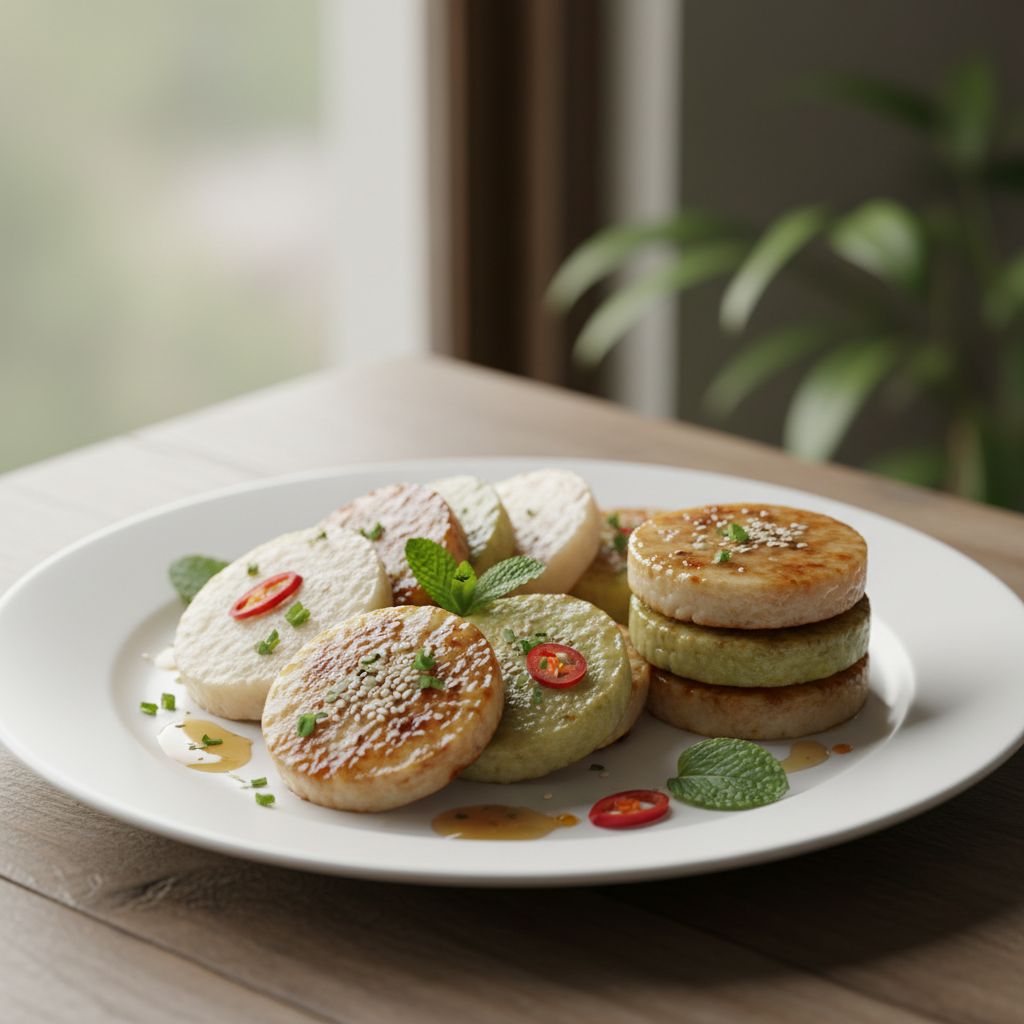
6/10Rice Cakes
Neutral
Rice cakes are low-calorie snacks made from puffed rice. They have a very high glycemic index which spikes blood sugar and can promote inflammation. They provide minimal nutrition on their own.
 2/10
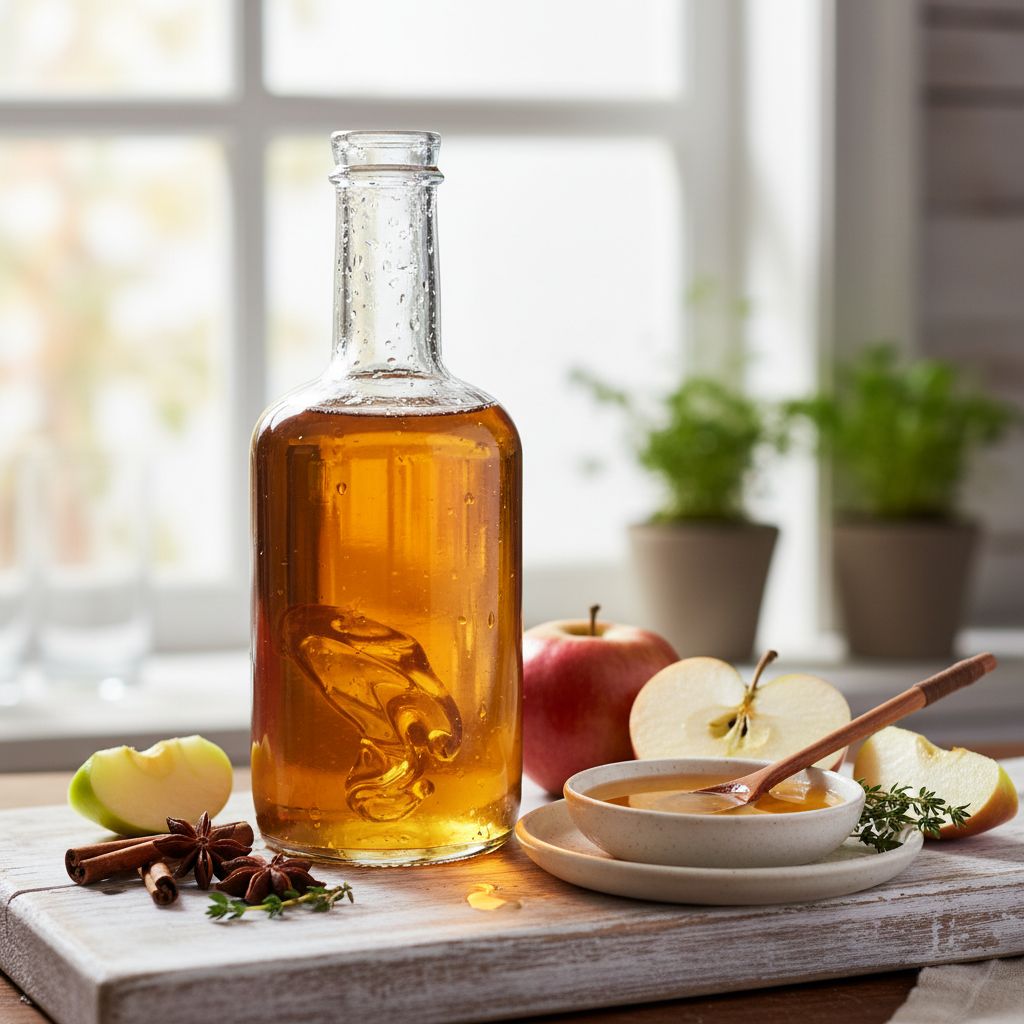
2/10Apple Cider Vinegar
Anti-Inflammatory
Apple cider vinegar contains acetic acid and polyphenols with anti-inflammatory properties. Raw, unfiltered ACV with the mother contains beneficial bacteria and enzymes that support gut health.
 2/10
2/10Cabbage
Anti-Inflammatory
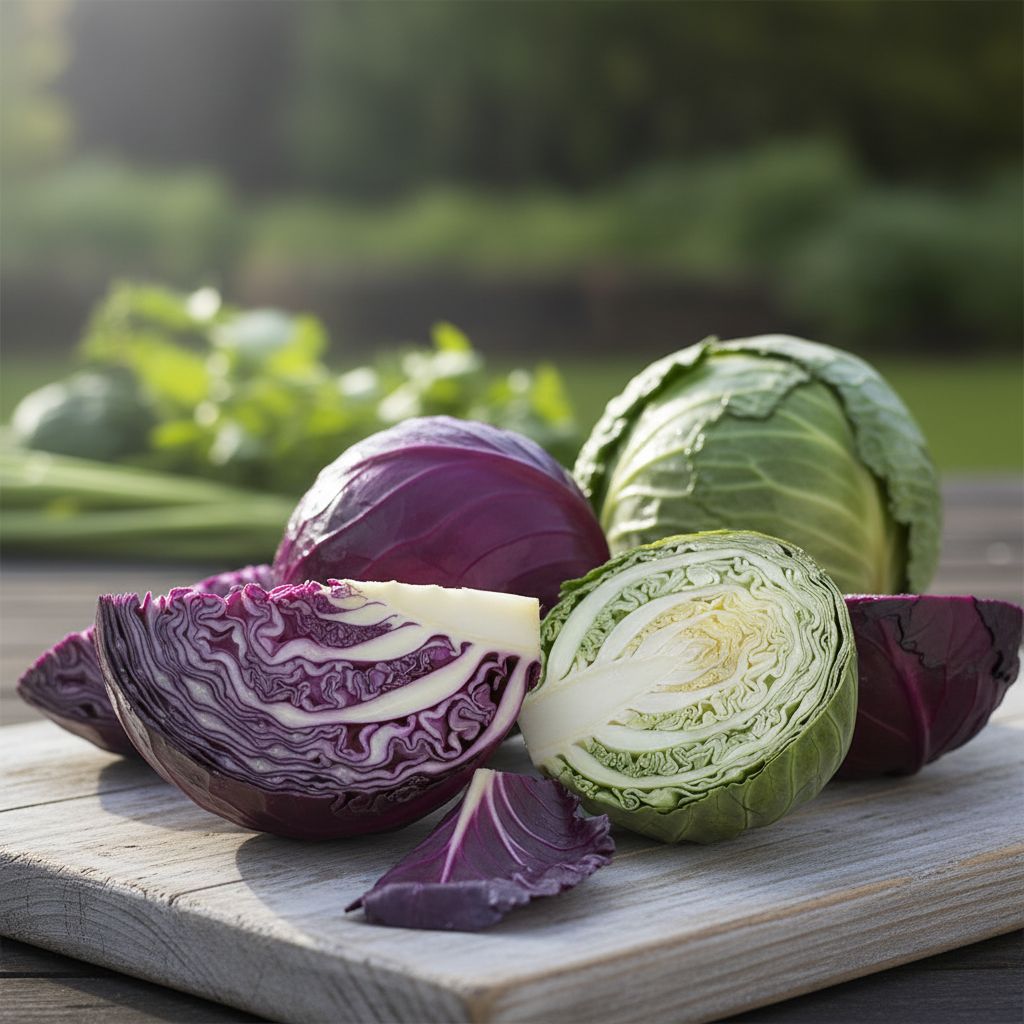
Cabbage is a cruciferous vegetable rich in glucosinolates, sulfur compounds that have potent anti-inflammatory and anti-cancer properties. Red cabbage is especially high in anthocyanins.
 2/10
2/10Brussels Sprouts
Anti-Inflammatory
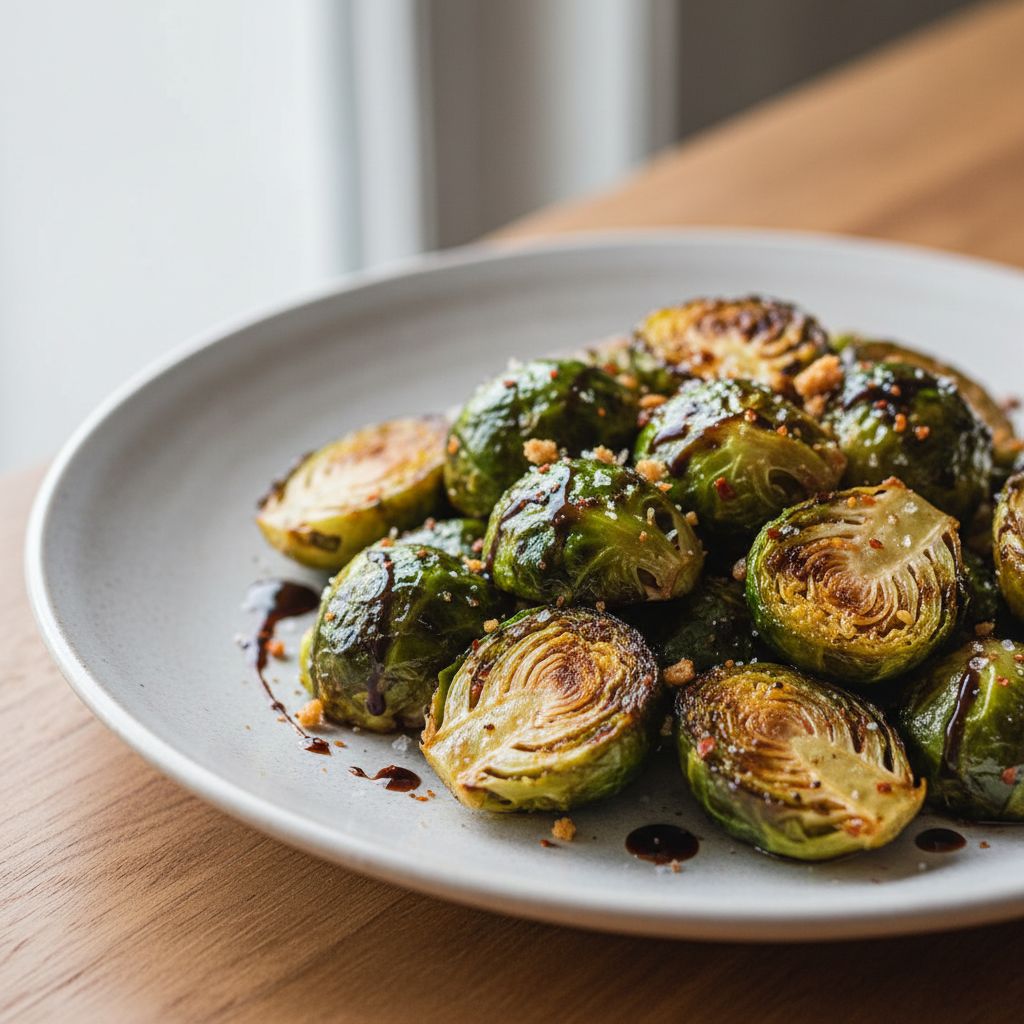
Brussels sprouts are cruciferous vegetables packed with kaempferol, a flavonoid with powerful anti-inflammatory effects. They are also rich in vitamin C, vitamin K, and sulforaphane.
 5/10
5/10Whole Wheat Pasta
Neutral
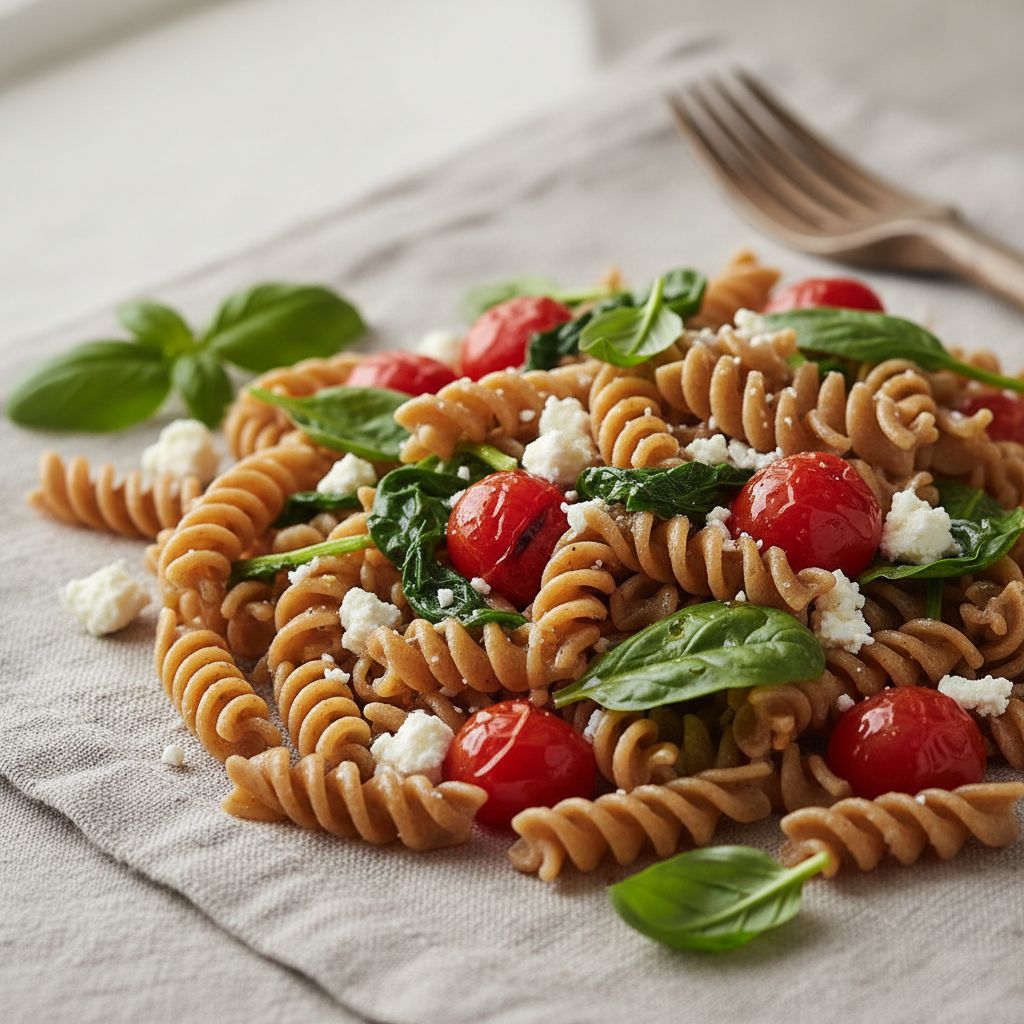
Whole wheat pasta retains the bran and germ, providing more fiber, vitamins, and minerals than refined pasta. It has a lower glycemic impact and provides B vitamins and selenium.
 5/10
5/10Maple Syrup
Neutral
Pure maple syrup contains some minerals and antioxidants not found in refined sugar, including manganese, zinc, and unique polyphenols. However, it is still a concentrated sugar source.
 1/10
1/10Matcha
Anti-Inflammatory
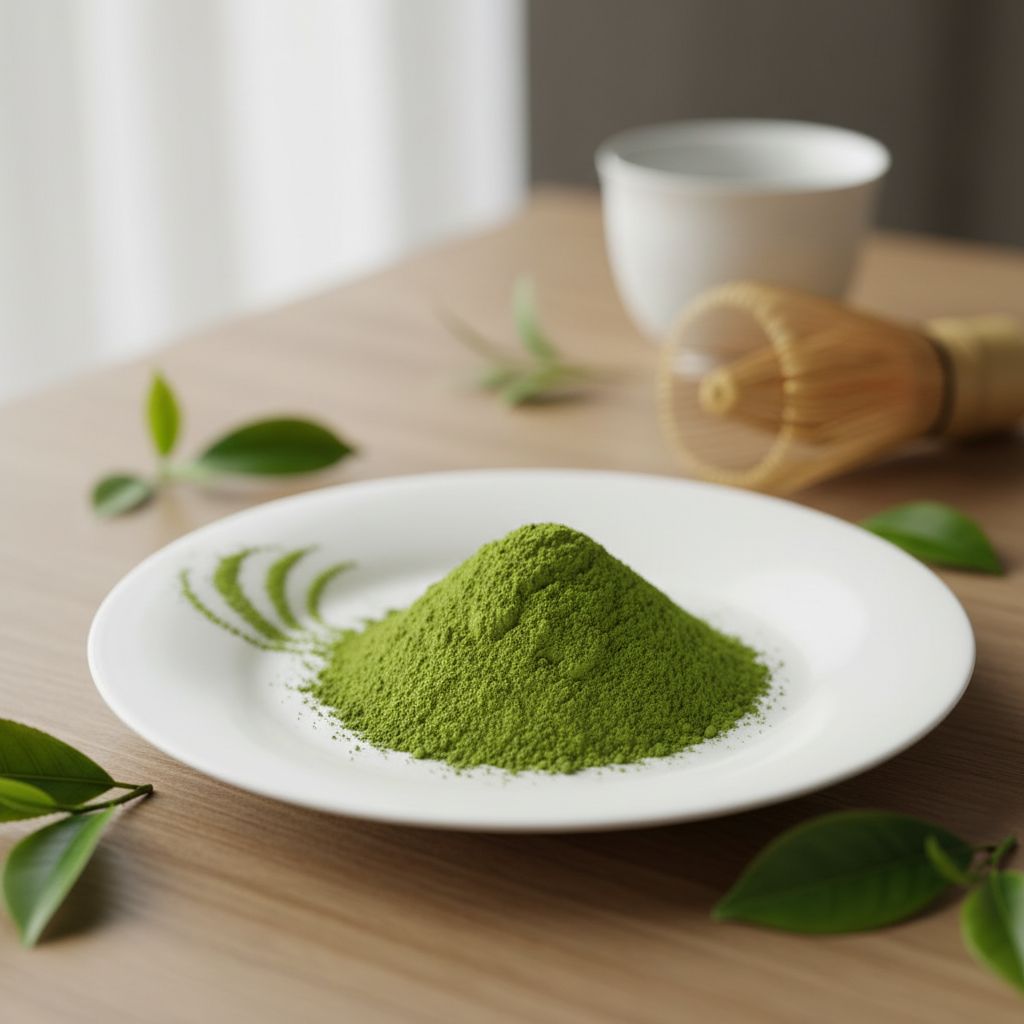
Matcha is powdered green tea with exceptionally high levels of catechins, particularly EGCG (epigallocatechin gallate), one of the most studied anti-inflammatory compounds. Since you consume the whole leaf, matcha has 10x the antioxidants of regular green tea.
 2/10
2/10Kefir
Anti-Inflammatory
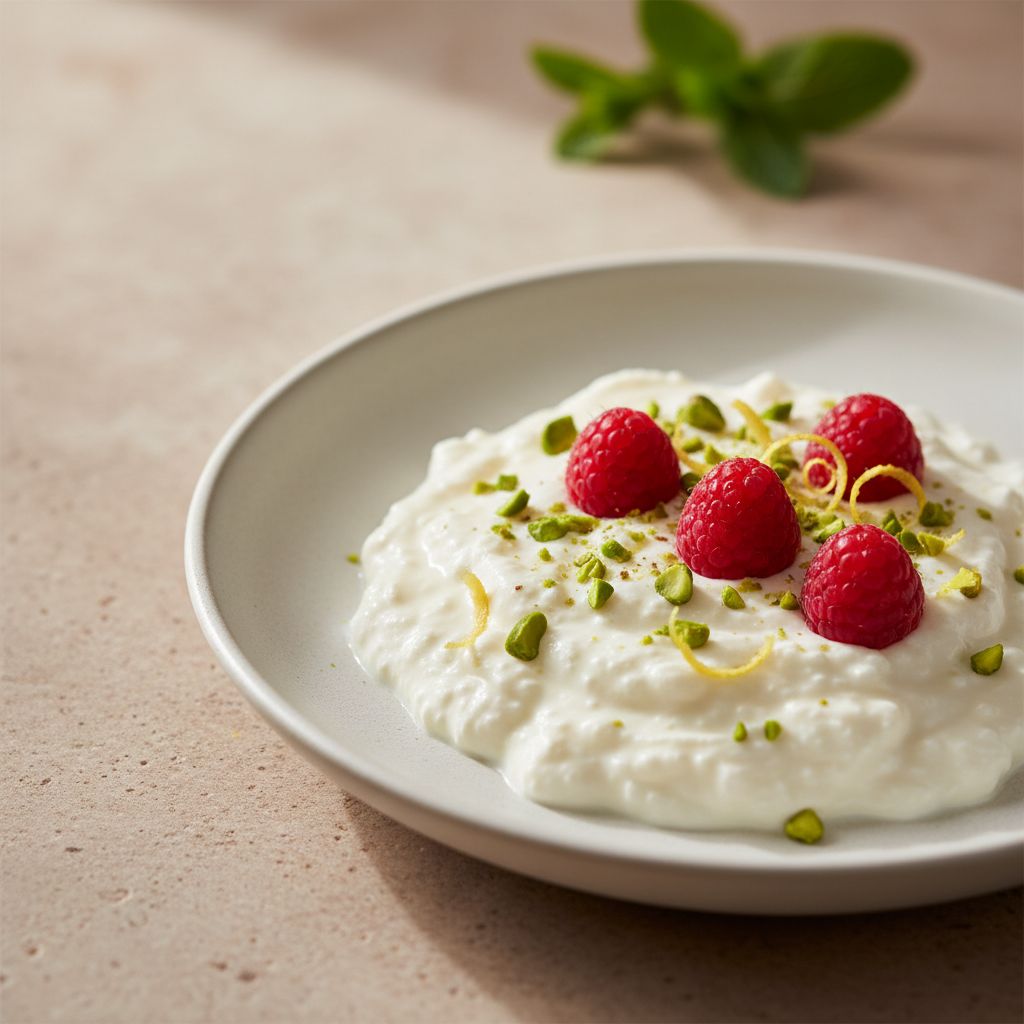
Kefir is a fermented milk drink containing up to 61 different strains of bacteria and yeasts, making it one of the most probiotic-rich foods available. It reduces inflammation through improved gut health.
 2/10
2/10Tempeh
Anti-Inflammatory
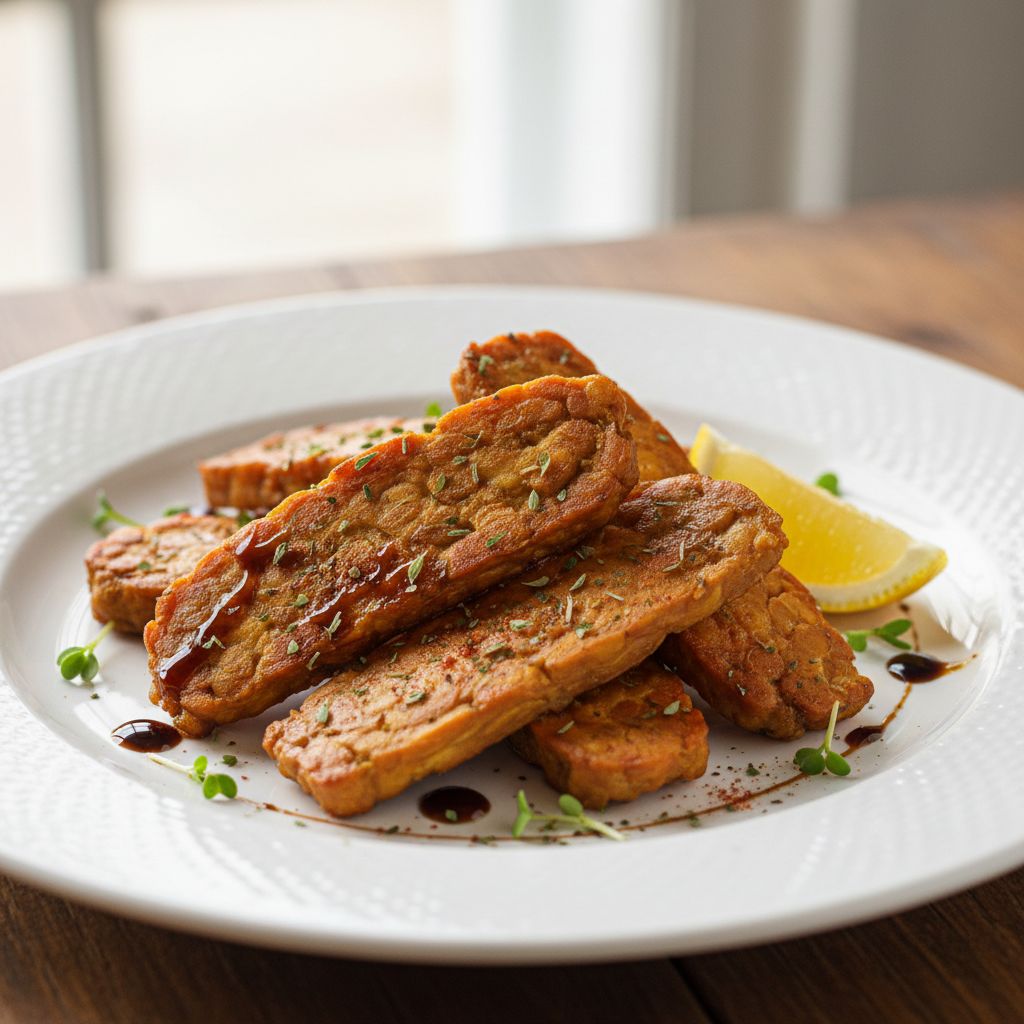
Tempeh is a fermented soybean product that provides complete protein, probiotics, and isoflavones with anti-inflammatory properties. Fermentation makes the nutrients more bioavailable and easier to digest.
 2/10
2/10Seaweed
Anti-Inflammatory
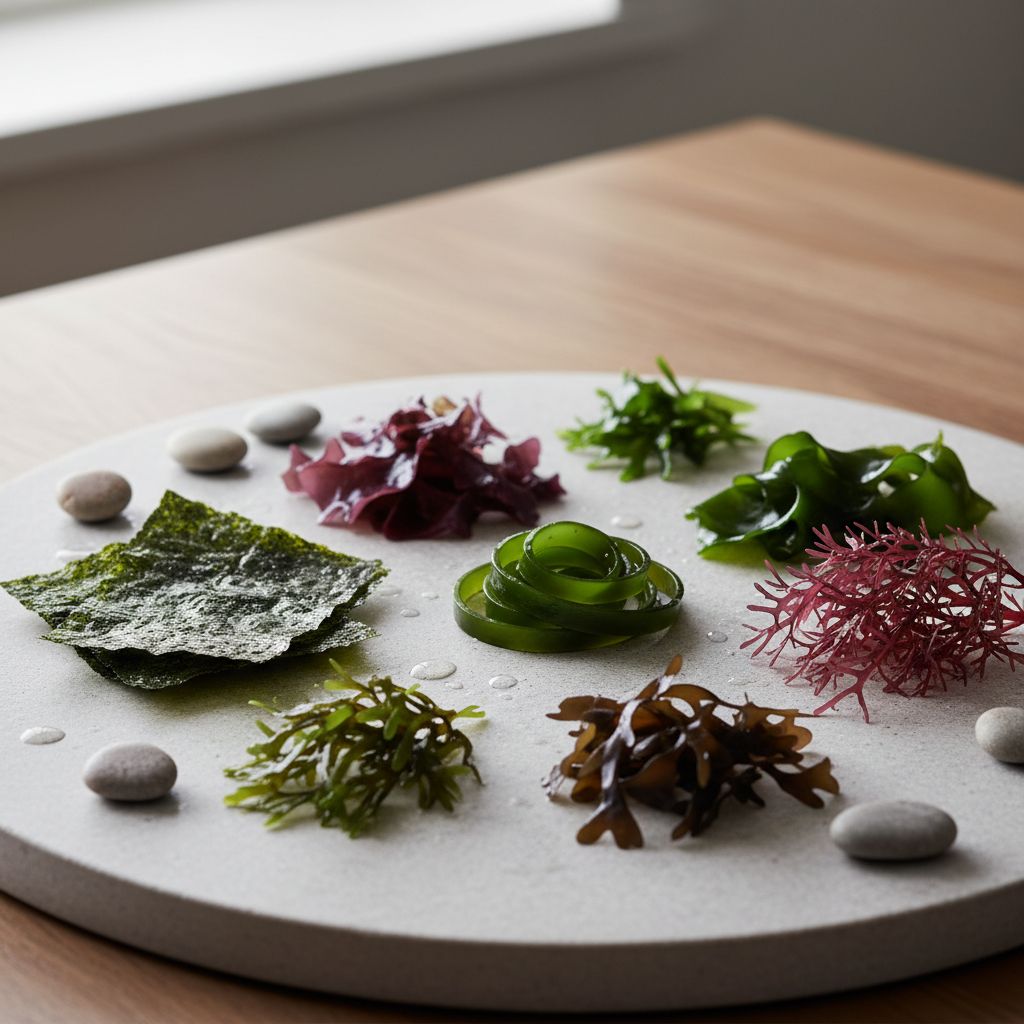
Seaweed and sea vegetables like nori, kelp, and wakame are rich in fucoidans, unique sulfated polysaccharides with potent anti-inflammatory effects. They also provide iodine, iron, and unique antioxidants.
 3/10
3/10Pistachios
Anti-Inflammatory
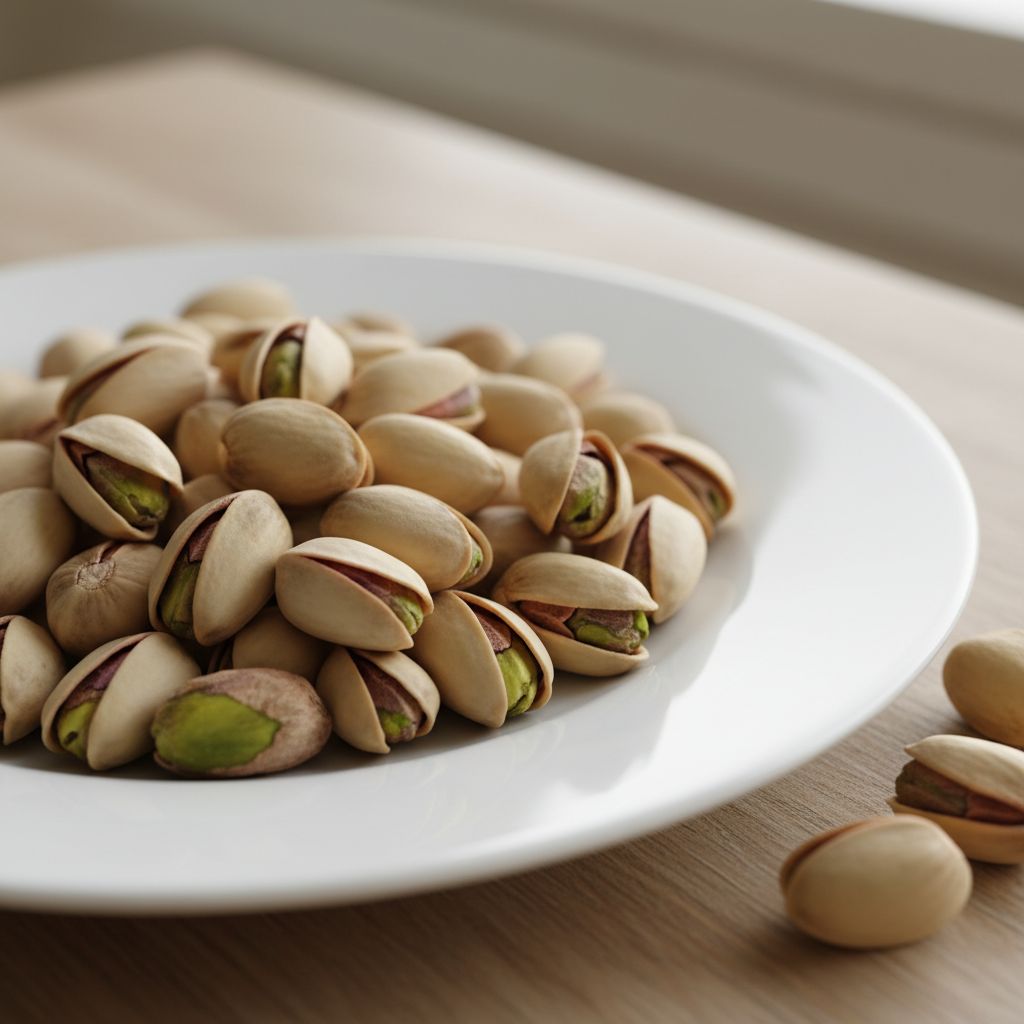
Pistachios are rich in antioxidants including lutein, zeaxanthin, and gamma-tocopherol (vitamin E). They have been shown to reduce inflammatory markers like IL-6 and CRP in clinical studies.
 4/10
4/10Dates
Neutral
Dates are naturally sweet fruits rich in fiber, potassium, and polyphenol antioxidants including flavonoids, carotenoids, and phenolic acid. While nutritious, they are very high in natural sugar.
Scan a food in 2 seconds. Know if it's healing or hurting you.
Point your camera at any meal, ingredient, or label. Get an instant inflammation score, the science behind it, and better alternatives. All free.