FAQ · everything you need
Frequently Asked Questions
Everything you need to know about anti-inflammatory diets, inflammation scores, and how Flammy helps you eat healthier.
Free · iOS & Android
Stop guessing what's inflammatory
Scan any food with Flammy and get a clear inflammation score on the spot.


General
What is an anti-inflammatory diet?+
An anti-inflammatory diet focuses on eating whole, nutrient-dense foods that help reduce chronic inflammation in the body. It emphasizes fruits, vegetables, fatty fish like salmon, nuts, seeds, and spices such as turmeric, while limiting processed foods, refined sugars, and trans fats. This way of eating is inspired by the Mediterranean diet and has been shown to lower markers of inflammation like C-reactive protein (CRP).
What causes chronic inflammation?+
Chronic inflammation can be triggered by a poor diet high in processed foods, refined sugar, and unhealthy fats, as well as stress, lack of sleep, and a sedentary lifestyle. Environmental toxins, smoking, and excessive alcohol consumption also contribute. Unlike acute inflammation (which heals injuries), chronic inflammation persists over time and is linked to conditions like heart disease, diabetes, and autoimmune disorders.
How long does it take for an anti-inflammatory diet to work?+
Most people begin to notice improvements within 2 to 4 weeks of consistently following an anti-inflammatory diet, though some experience changes in energy and digestion even sooner. Significant reductions in inflammation markers may take 6 to 12 weeks. The key is consistency -- making daily food choices that prioritize anti-inflammatory ingredients like blueberries, olive oil, and leafy greens over processed alternatives.
What is an inflammation score?+
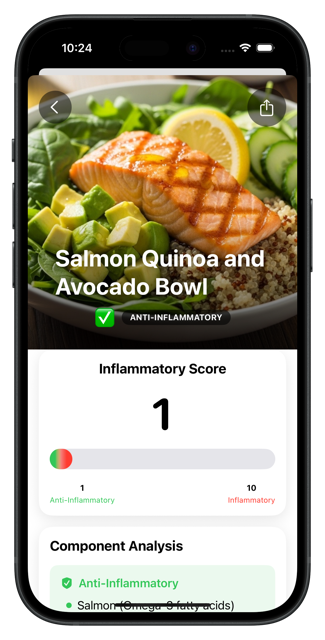
An inflammation score is a rating that indicates how likely a food is to promote or reduce inflammation in the body. Flammy uses a scale from 1 (strongly anti-inflammatory) to 10 (highly inflammatory) based on scientific research about each food's nutritional profile, omega-3 to omega-6 ratio, antioxidant content, and glycemic impact. You can browse inflammation scores for hundreds of foods in our food database.
Foods
What are the best anti-inflammatory foods?+
The top anti-inflammatory foods include fatty fish like salmon (rich in omega-3s), blueberries (packed with anthocyanins), turmeric (contains curcumin), leafy greens like spinach, and extra virgin olive oil. Nuts such as walnuts and almonds, as well as green tea, are also excellent choices. Check our full foods list for detailed scores and information.
What foods cause the most inflammation?+
The most inflammatory foods include refined sugars, trans fats, processed meats, fried foods, and highly processed snacks. Sugary beverages like soda, white bread, and foods made with refined seed oils are also major contributors. These foods spike blood sugar, promote oxidative stress, and increase pro-inflammatory cytokines. Use Flammy's food scanner to quickly check any food's inflammation score before you eat.
Is dairy inflammatory?+
Dairy's effect on inflammation varies by type and individual. Full-fat, fermented dairy like yogurt and kefir may actually have anti-inflammatory properties due to their probiotics. However, highly processed dairy products and those with added sugars can promote inflammation. People with lactose intolerance or casein sensitivity may experience increased inflammation from dairy. Check specific dairy foods in our food database for individual scores.
Is gluten inflammatory?+
Gluten is not inherently inflammatory for most people. However, for individuals with celiac disease or non-celiac gluten sensitivity, gluten triggers an immune response that causes significant inflammation. For the general population, whole grains containing gluten (like whole wheat) can actually be part of an anti-inflammatory diet. The issue is more with refined grain products that have been stripped of fiber and nutrients.
Are eggs inflammatory?+
Eggs are generally considered neutral to mildly anti-inflammatory for most people. They contain choline, selenium, and B vitamins that support the body's anti-inflammatory processes. However, eggs from pasture-raised chickens tend to have a better omega-3 to omega-6 ratio. Some individuals may have egg sensitivities that trigger inflammation, so it depends on your personal response. Check out the full analysis of eggs and inflammation.
Is coffee inflammatory?+
Coffee is actually rich in antioxidants and polyphenols, making it mildly anti-inflammatory when consumed in moderation (1-3 cups per day). Studies show that regular coffee consumption is associated with lower levels of inflammatory markers. However, adding sugar, flavored syrups, or excessive cream can negate these benefits. Check out our detailed analysis of coffee and inflammation for more information.
Is sugar inflammatory?+
Yes, refined sugar is one of the most inflammatory substances in the modern diet. It triggers a rapid spike in blood glucose and insulin, promotes the release of pro-inflammatory cytokines, and increases oxidative stress. High sugar intake is linked to obesity, type 2 diabetes, and heart disease -- all inflammation-driven conditions. Natural sugars found in whole fruits are much less problematic because the fiber slows absorption.
Is alcohol inflammatory?+
Alcohol is generally inflammatory, especially when consumed in excess. It damages the gut lining, disrupts the gut microbiome, and increases intestinal permeability ("leaky gut"), all of which promote systemic inflammation. While some research suggests that very moderate red wine consumption may offer anti-inflammatory polyphenols, the overall effect of alcohol on inflammation is negative. Reducing or eliminating alcohol is one of the most impactful dietary changes for lowering inflammation.
Health Conditions
Can an anti-inflammatory diet help with arthritis?+
Yes, numerous studies show that an anti-inflammatory diet can help reduce arthritis symptoms, including joint pain, stiffness, and swelling. Foods rich in omega-3 fatty acids like salmon and walnuts are particularly beneficial. The Arthritis Foundation recommends a Mediterranean-style anti-inflammatory diet as a complementary approach to managing both rheumatoid and osteoarthritis.
Can diet reduce inflammation in the gut?+
Absolutely. The gut is one of the first places where dietary changes impact inflammation. Eating fiber-rich foods, fermented foods like yogurt and kimchi, and prebiotic-rich vegetables feeds beneficial gut bacteria that produce anti-inflammatory short-chain fatty acids. Avoiding processed foods, artificial sweeteners, and excessive alcohol helps restore gut barrier integrity. Many people with IBS, Crohn's, or colitis report significant improvement when following an anti-inflammatory eating pattern.
Does an anti-inflammatory diet help with weight loss?+
An anti-inflammatory diet can support weight loss, though that is not its primary goal. By focusing on whole foods, healthy fats, and lean proteins while reducing processed foods and sugar, many people naturally eat fewer calories. Chronic inflammation also disrupts hunger hormones (leptin and ghrelin) and promotes fat storage, so reducing inflammation can help normalize metabolism. Browse our anti-inflammatory recipes for satisfying, healthy meal ideas.
Can food reduce joint pain?+
Yes, certain foods have been clinically shown to reduce joint pain and inflammation. Omega-3 rich fish like salmon, turmeric (which contains curcumin), and ginger are among the most effective. At the same time, reducing intake of sugar, refined carbs, and processed meats can lower inflammation that contributes to joint pain. Use the food comparison tool to find the least inflammatory options.
About Flammy
How does Flammy's food scanner work?+
Flammy's food scanner uses AI to analyze any food item you scan or search for. Simply point your camera at a food, a menu, or a nutrition label, and Flammy identifies the item and provides its inflammation score on a 1-10 scale. The analysis considers the food's nutritional composition, including omega fatty acid ratios, antioxidant content, glycemic index, and known inflammatory compounds. Try the web scanner or download the app for the full experience.
What is the Flammy inflammation score?+
The Flammy inflammation score rates foods on a scale from 1 to 10, where 1 is strongly anti-inflammatory and 10 is highly inflammatory. The score is calculated using peer-reviewed nutritional research, taking into account factors like omega-3 and omega-6 content, antioxidant levels, fiber, glycemic impact, and the presence of known inflammatory compounds. You can explore scores for hundreds of foods in our food database and compare foods side by side.
Is Flammy free to use?+
Yes, Flammy is free to download and use. The app offers core features at no cost, including the food scanner, inflammation scores, and access to our food database. You can scan foods, browse anti-inflammatory recipes, and track your diet without paying. Premium features may be available for users who want advanced tracking and personalized recommendations.
How accurate is Flammy's AI analysis?+
Flammy's AI analysis is based on established nutritional science and peer-reviewed research on food-inflammation relationships. Our inflammation scores align with recognized indices like the Dietary Inflammatory Index (DII). While no tool can account for individual biological variation, Flammy provides a reliable, science-backed starting point for making anti-inflammatory food choices. The AI model is continuously updated as new nutritional research becomes available.
Free · iOS & Android
Scan a food in 2 seconds. Know if it's healing or hurting you.
Point your camera at any meal, ingredient, or label. Get an instant inflammation score, the science behind it, and better alternatives. All free.
Camera scanAI-powered1–10 scoreBetter swaps