Guide · Symptoms

Signs of inflammation in the body, and what they actually mean

Most chronic inflammation runs in the background for years before anyone notices. People feel off, blame age or stress, and quietly adapt to feeling worse. Here are the 7 most common signs your body is dealing with low-grade inflammation, what each one means, and what to do about it.

9 min read·Updated May 2026·For people who've been feeling off and don't know why
Fresh fruits and vegetables on a table, arranged with hands

The short answer

The most common signs are fatigue that sleep doesn't fix, brain fog, morning joint stiffness, gut issues (bloating, irregular bowels), skin problems (adult acne, eczema), frequent infections, and stubborn belly fat. Most people have two or three at once and dismiss them as aging or stress. They're usually wrong.

First, two kinds of inflammation

Acute inflammation is what happens when you sprain your ankle. Swelling, heat, redness, pain. It shows up fast, does its job, and goes away. You want this one. It's your body fixing something.

Chronic inflammation is the other kind. It runs quietly for years, doesn't cause obvious pain, doesn't make anything swell up visibly. It just sits in the background damaging tissue, tuning your hormones wrong, and setting the stage for bigger problems later (heart disease, type 2 diabetes, autoimmune conditions, cancer).

The signs below are about the second kind. The quiet kind. The one most people have and don't know.

The 7 most common signs

In rough order of how often they show up. Most people have two or three of these running at once.

1

Tired in a way sleep doesn't fix

What it looks like

You sleep 8 hours and still feel like you barely slept. Coffee stops working. Afternoons are the worst. Your weekends should fix it but they don't.

Why inflammation causes it

Inflammatory cytokines mess with your mitochondria, the energy factories in your cells. When inflammation is running 24/7, those factories work at half speed. No amount of sleep compensates.

What to do

Cut sugary drinks and seed oils for two weeks. If energy comes back, you have your answer. If it doesn't, get blood work that includes CRP and hs-CRP.


2

Brain fog and trouble focusing

What it looks like

You forget what you walked into the room for. Reading a paragraph and remembering nothing. Words you knew yesterday don't come. You blame age. You're probably wrong.

Why inflammation causes it

The same cytokines that drain your energy cross the blood-brain barrier and slow down neuron communication. Cognitive function tanks. Doctors call this neuroinflammation. You call it Wednesday.

What to do

Add fish twice a week, cut alcohol for a month, get sleep regular. If it doesn't clear, talk to your doctor about thyroid panels and a metabolic workup.

3

Joints that ache for no reason

What it looks like

You wake up stiff. Knees, hips, lower back, neck. It loosens up after 30 minutes of moving, but it's back tomorrow. You haven't done anything to deserve this.

Why inflammation causes it

Inflammation builds fluid and irritation in the joint capsule. The classic morning stiffness pattern is a major flag for systemic inflammation, even before any arthritis diagnosis.

What to do

Daily turmeric with black pepper (the pepper makes it absorb 20x better), fatty fish twice a week, and walk 20 minutes a day. If stiffness lasts more than an hour or hits one joint hard, see a rheumatologist.

4

Gut issues that come and go

What it looks like

Bloated by 8pm even when you ate normally. Bowels alternate between blocked up and the opposite. Foods you used to eat suddenly bother you. You blame stress.

Why inflammation causes it

Your gut lining is a single cell thick. Chronic inflammation makes it leakier (the technical term is increased intestinal permeability), which lets undigested food trigger immune reactions. The result is the IBS-like pattern most people just live with.

What to do

Drop processed foods for 14 days. Add a daily fermented food (yogurt, kefir, sauerkraut, kimchi). Track what you eat for one week and look for patterns. If bleeding or weight loss shows up, see a GI doctor.

5

Skin that won't behave

What it looks like

Adult acne showing up in your 30s or 40s. Eczema patches that flare and calm with no pattern. Skin looking dull even with sleep. Wounds that take forever to heal.

Why inflammation causes it

Your skin is the largest organ and one of the first to show what's happening inside. Inflammatory hormones affect oil production, immune response in the skin layer, and tissue repair speed. Acne and eczema in adults are usually inside-out problems.

What to do

Cut dairy and refined sugar for 4 weeks. Drink water. Add foods rich in zinc (pumpkin seeds, oysters, beef) and vitamin A (eggs, sweet potato, liver). For real eczema or psoriasis, see a dermatologist. Diet helps but won't cure it on its own.

6

Getting sick more than your friends

What it looks like

Three colds a year that everyone else gets in two days but you carry for two weeks. Wounds heal slowly. Allergies hitting harder than they used to.

Why inflammation causes it

Your immune system is busy fighting low-grade fires everywhere. It's exhausted by the time a real virus shows up. Chronic inflammation also messes with your gut microbiome, which is where 70% of your immune system lives.

What to do

Vitamin D level check (a third of adults are low). Get 7-8 hours of sleep, not 6. Daily vegetables. Stress management isn't optional, even if it sounds soft.

7

Stubborn belly fat that won't move

What it looks like

You're eating less and moving more and the scale doesn't budge. The fat parks itself around your middle. You used to be able to lose 5 pounds in a week. Now it takes a month.

Why inflammation causes it

Belly fat (visceral fat specifically) actually produces inflammatory hormones itself. Inflammation also raises cortisol and disrupts insulin sensitivity, both of which lock fat in place. It's a feedback loop. The inflammation drives the fat, the fat drives the inflammation.

What to do

Forget calorie counting for now. Cut liquid sugar (juice, soda, sweetened coffee). Eat protein at every meal. Walk after dinner. Strength train twice a week. The scale moves when inflammation drops, not when you starve.

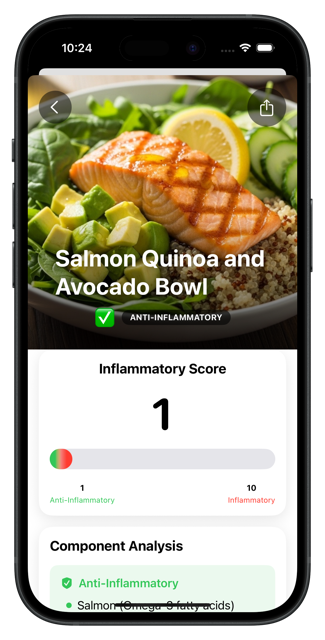
Flammy app icon

Free · iOS & Android

Want to know if a food is fueling these symptoms?

Download Flammy on the App StoreGet Flammy on Google Play
Cup of herbal tea with ginger and lemon on a wooden tray

Ginger, turmeric, and green tea are three of the few ingredients with solid research on lowering inflammation markers. Worth working into the day.

8 less obvious signs people miss

These get blamed on age, hormones, stress, or genetics. Sometimes that's right. Often inflammation is hiding underneath.

1

Mood swings or low-grade depression

Cytokines affect serotonin production.

2

New seasonal allergies as an adult

Immune system getting more reactive overall.

3

Cold hands and feet often

Circulation and thyroid both affected.

4

Hair shedding more than usual

Especially in women, often hormonal/inflammatory mix.

5

Slow recovery from workouts

Soreness lasting 4+ days when it used to take 1.

6

Dental issues that keep showing up

Gum inflammation is a strong signal of body-wide inflammation.

7

Headaches that have no clear trigger

Especially the dull, all-day kind.

8

Cravings for sugar that override willpower

Inflammatory feedback loop messes with appetite hormones.

How to know for sure (a $30 blood test)

You don't have to guess. Ask your doctor for a hs-CRP test (high-sensitivity C-reactive protein). It measures systemic inflammation directly. The numbers:

  • Under 1.0Low risk, you're doing fine.
  • 1.0 to 3.0Moderate. Worth addressing with diet and lifestyle.
  • Over 3.0High. Talk to a doctor about a full workup.

If you're paying out of pocket, hs-CRP runs $20 to $50 at most US labs. Quest, LabCorp, and direct-to-consumer services like Function Health all offer it.

Other useful tests: ESR (another inflammation marker), fasting insulin (catches metabolic inflammation early), ferritin (catches iron-related issues), and a basic thyroid panel. Your doctor will know which to order based on your symptoms.

When to actually see a doctor

Most of the signs above respond to diet and lifestyle in 4 to 12 weeks. But a few warrant skipping the home approach and getting checked. Don't Google these. Just go.

Red flags:

  • Joint pain in one specific joint lasting over a month.
  • Unexplained weight loss (5+ pounds without trying).
  • Blood in stool, persistent abdominal pain, or fever.
  • Skin rash that's spreading, blistering, or painful.
  • Fatigue paired with new neurological symptoms (numbness, vision changes, balance issues).
  • Symptoms interfering with work or daily life.

This isn't medical advice. It's pattern recognition from public research. If something feels off, listen to it. Doctors can't tell you what you're feeling, but they can run the tests that confirm or rule out the bigger stuff.

Free · iOS & Android

Scan a food in 2 seconds. Know if it's healing or hurting you.

Point your camera at any meal, ingredient, or label. Get an instant inflammation score, the science behind it, and better alternatives. All free.

Camera scanAI-powered1–10 scoreBetter swaps
Download Flammy on the App StoreGet Flammy on Google Play