Anti-Inflammatory Diet for Skin Health
10
Foods to eat
8
Foods to avoid
6
Common symptoms
6
Dietary tips
The foods, tips, and strategies to manage skin health through anti-inflammatory eating.
Common symptoms
- Acne breakouts and blemishes
- Dry, dull, or lackluster skin
- Premature wrinkles and fine lines
- Redness, rosacea, or uneven skin tone
- Dark circles under eyes
- Slow wound healing or scarring
At a glance
Eat 10 inflammation-fighting foods, limit 8 known triggers, and follow 6 dietary tips to help manage skin health.
Understanding Skin Health & Inflammation
The skin is the body's largest organ and a direct reflection of internal health, particularly the state of inflammation in your body. Conditions like acne, rosacea, premature aging, and dullness are often driven by systemic inflammation that manifests on the skin's surface. The skin-gut axis means that what you eat profoundly affects your complexion, texture, and overall skin vitality.
Anti-inflammatory foods supply the building blocks your skin needs to repair, regenerate, and protect itself. Omega-3 fatty acids strengthen the skin barrier and reduce redness, while antioxidants like vitamins C and E neutralize free radicals that cause photoaging. Collagen-supporting nutrients like vitamin C and amino acids from bone broth help maintain skin elasticity and firmness.
Many people notice visible improvements in skin clarity and glow within 3-4 weeks of adopting an anti-inflammatory diet. By removing dietary triggers — particularly sugar, dairy, and processed foods — and loading up on colorful fruits, vegetables, and healthy fats, you can transform your skin from the inside out without expensive topical treatments.
Foods to eat
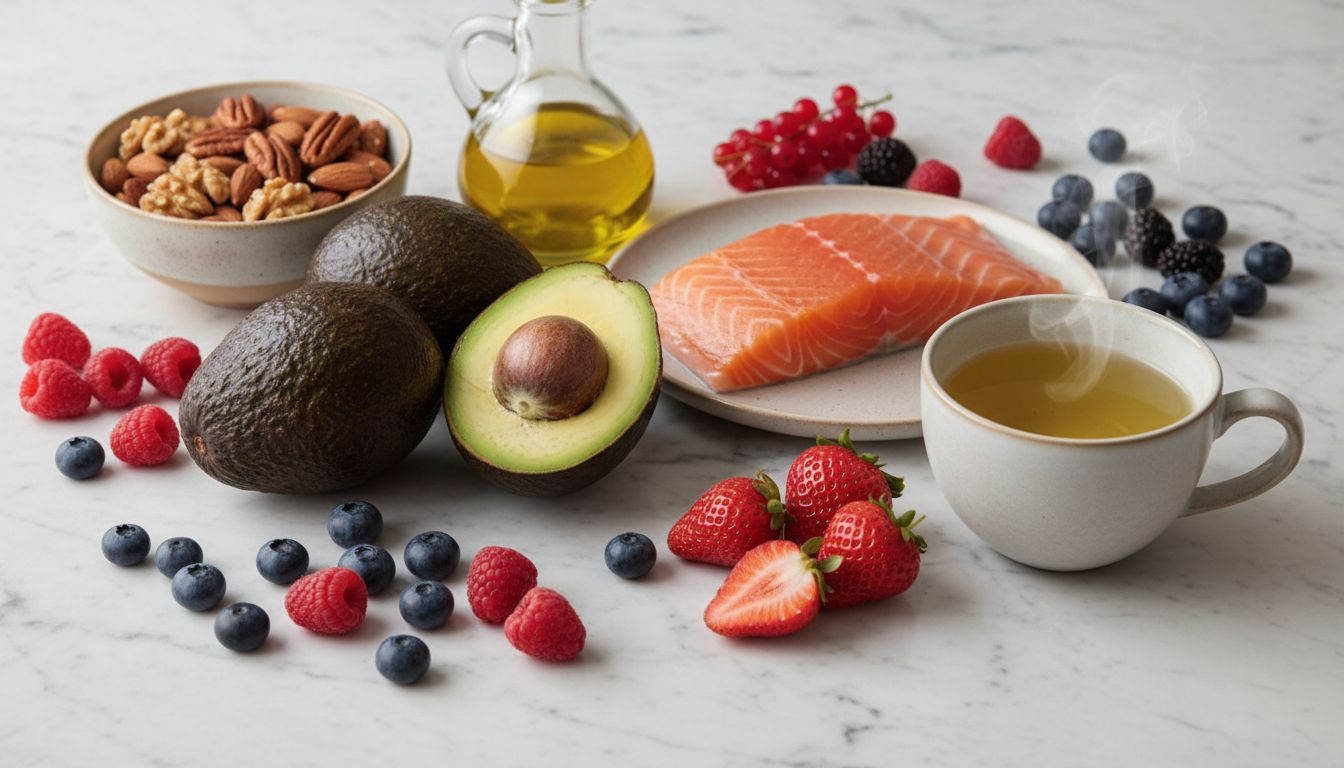
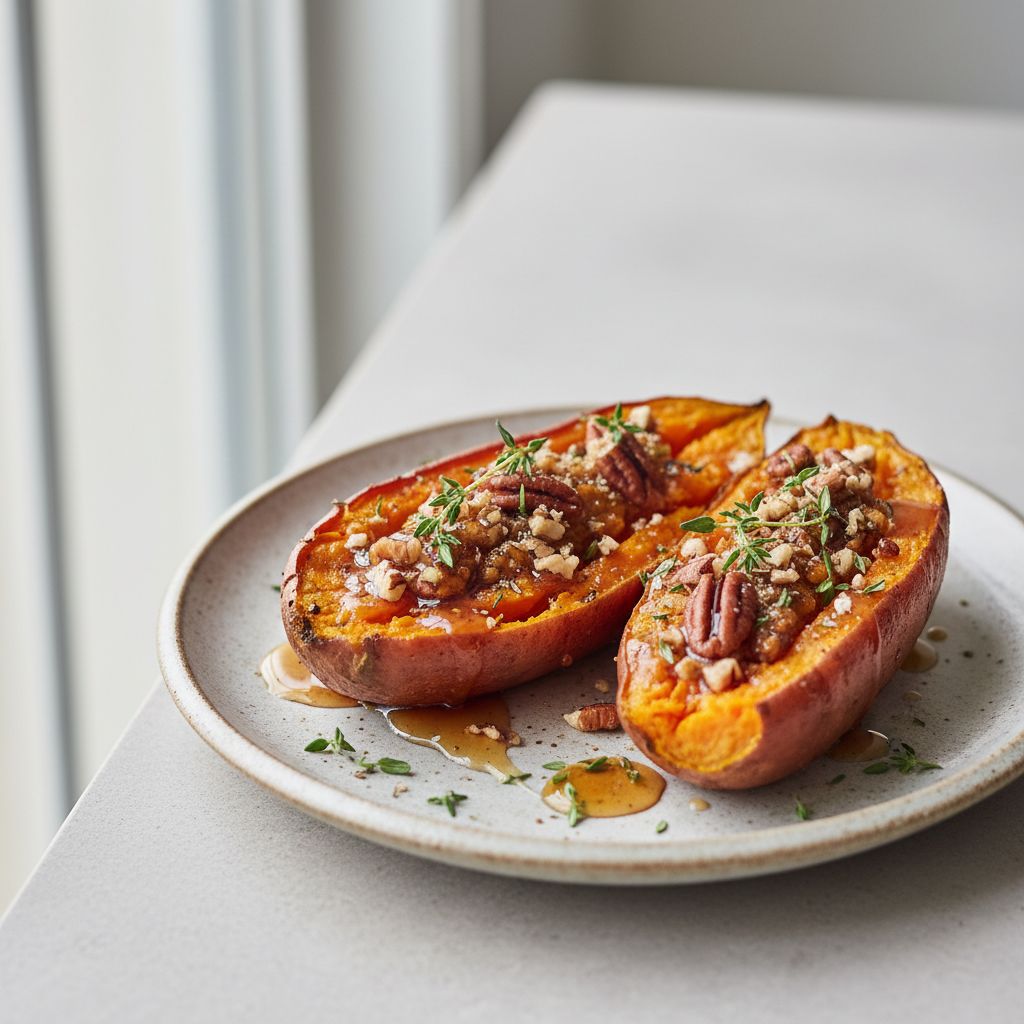
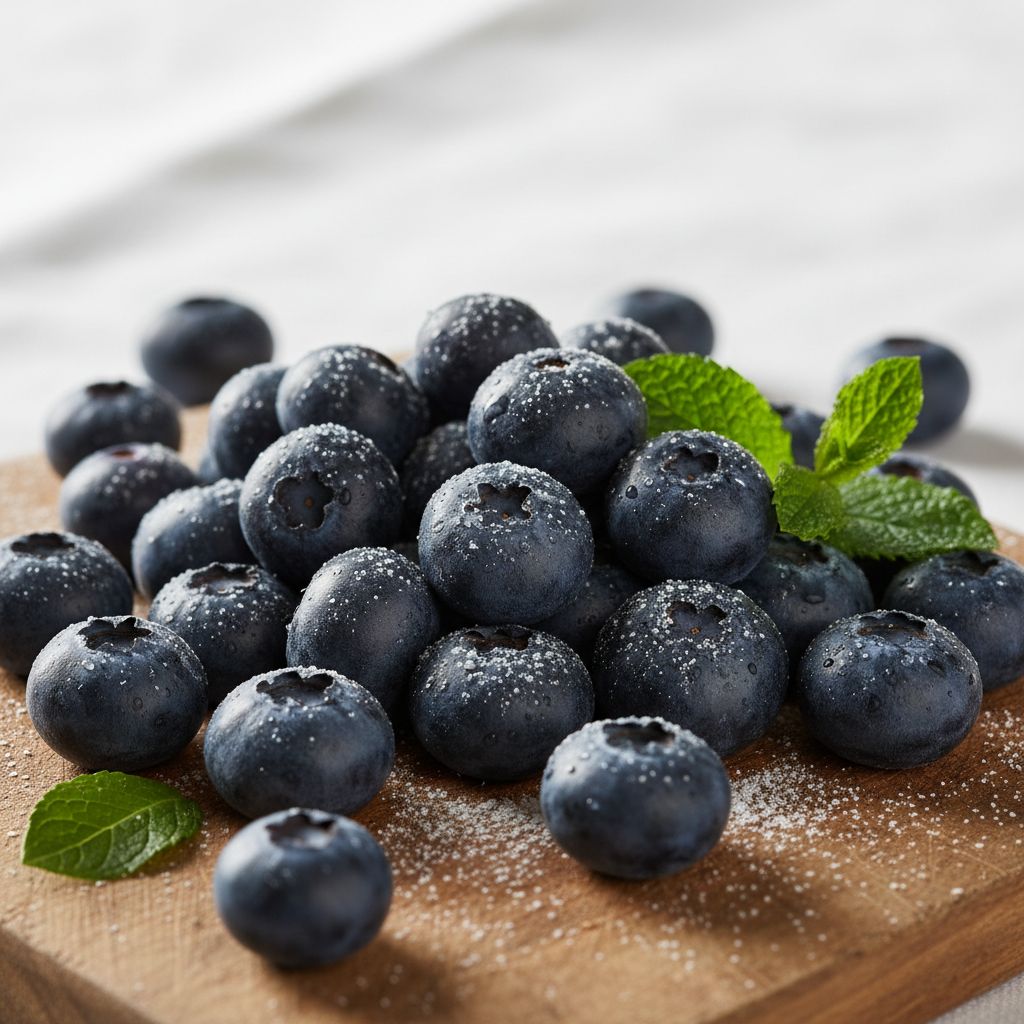
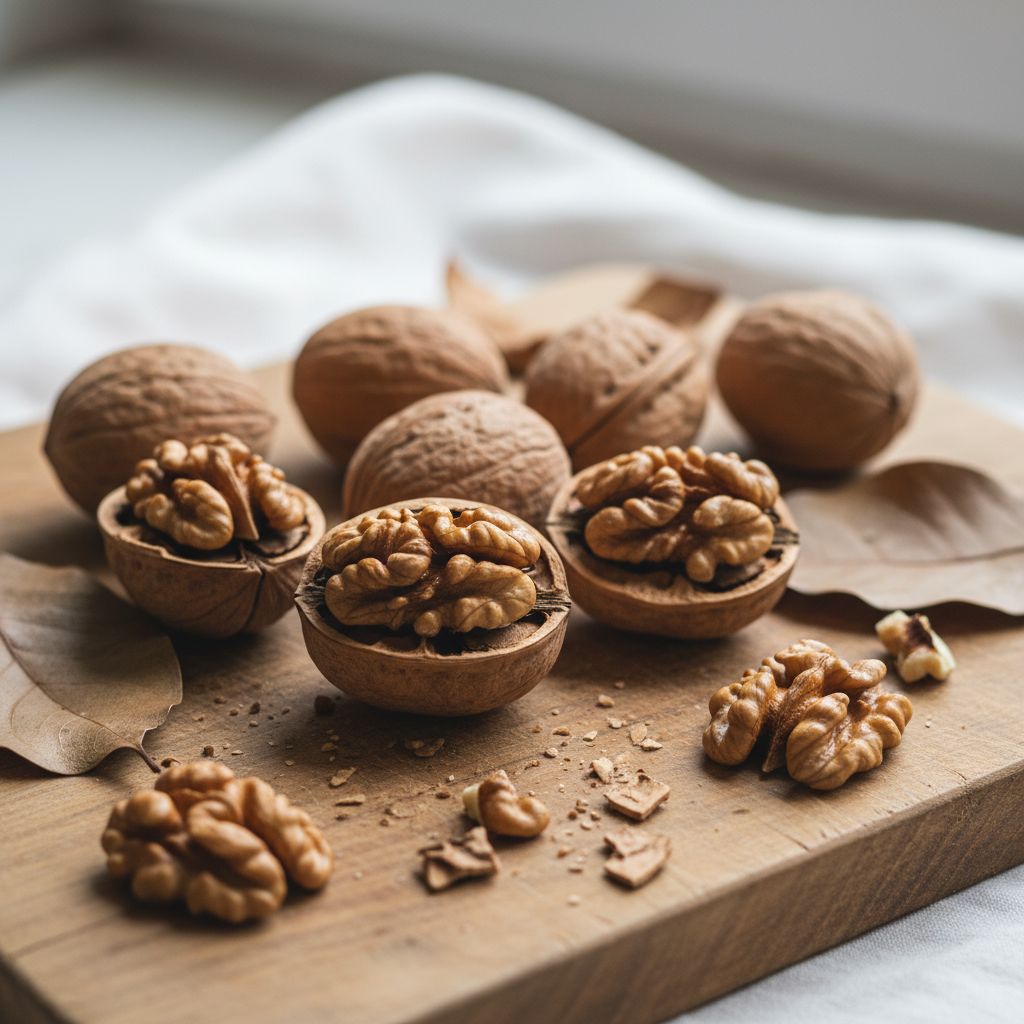
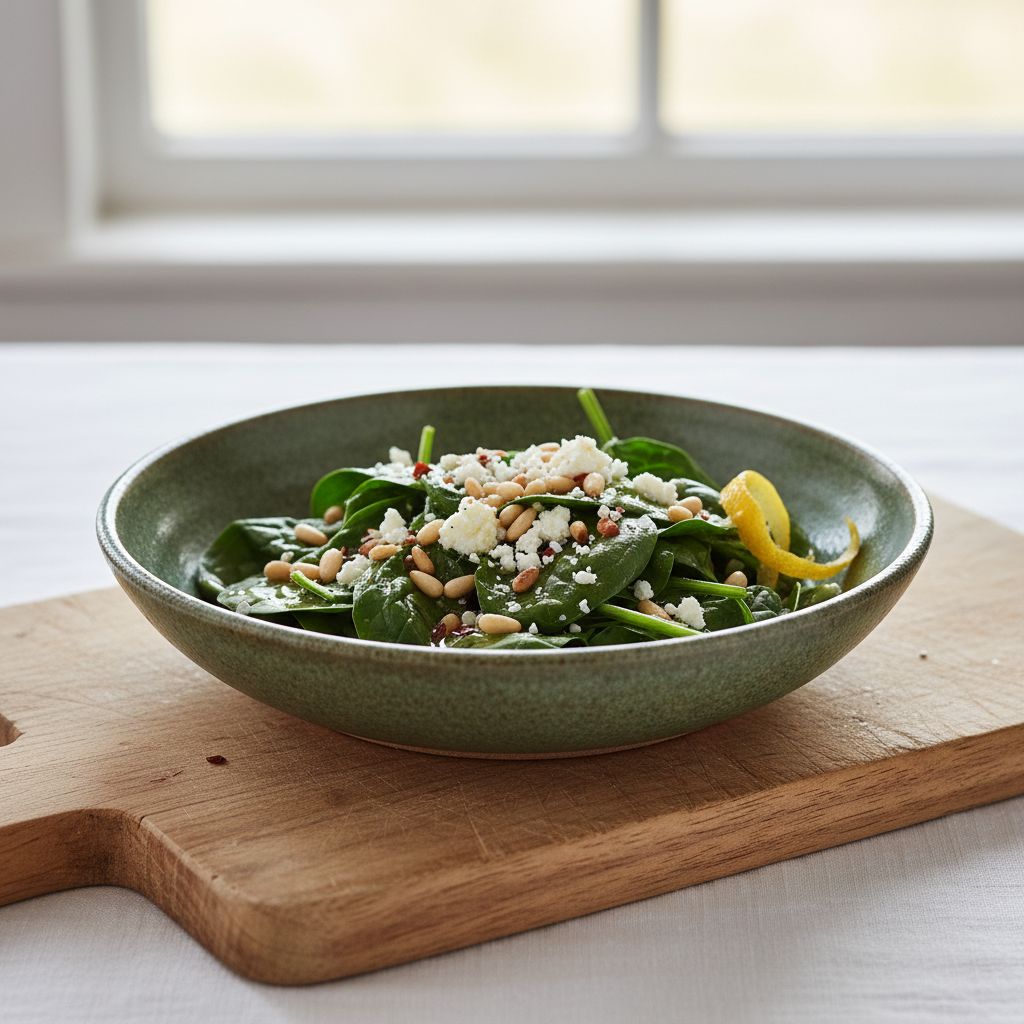
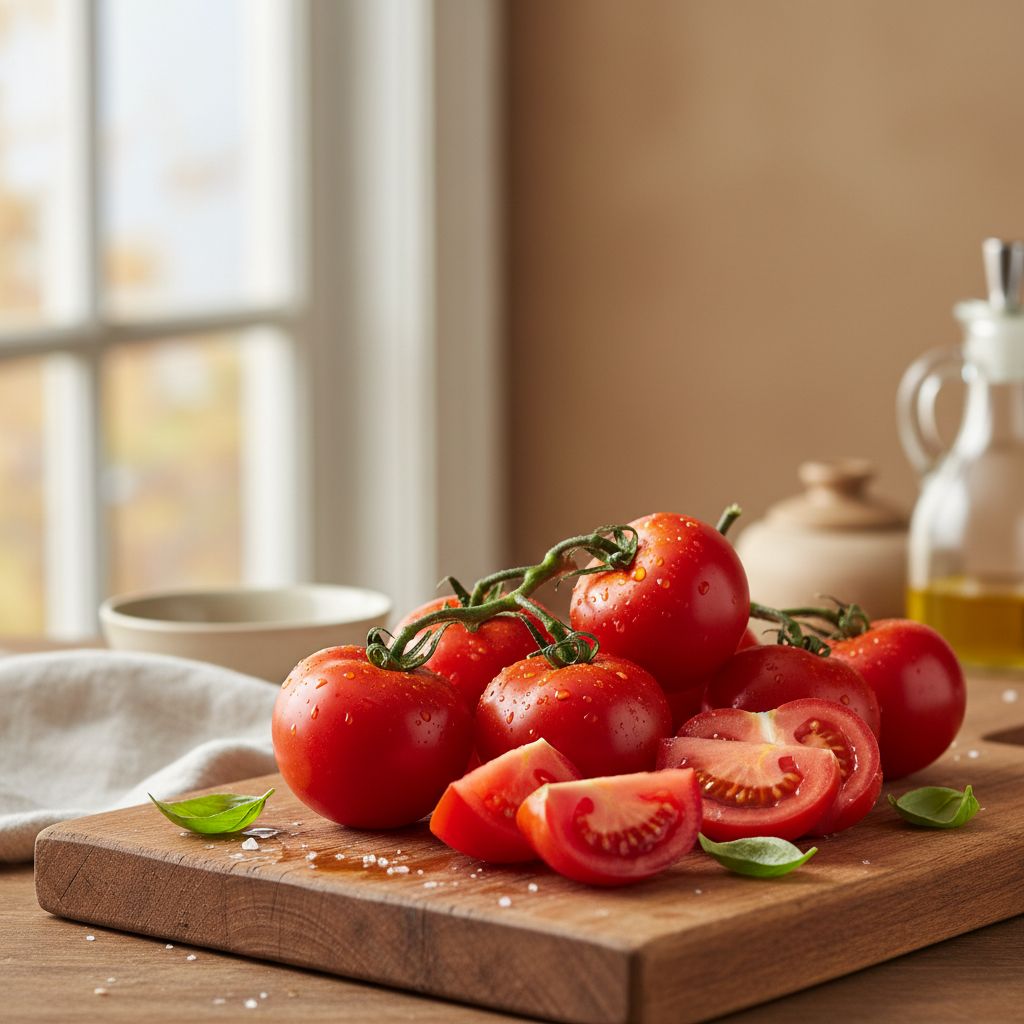
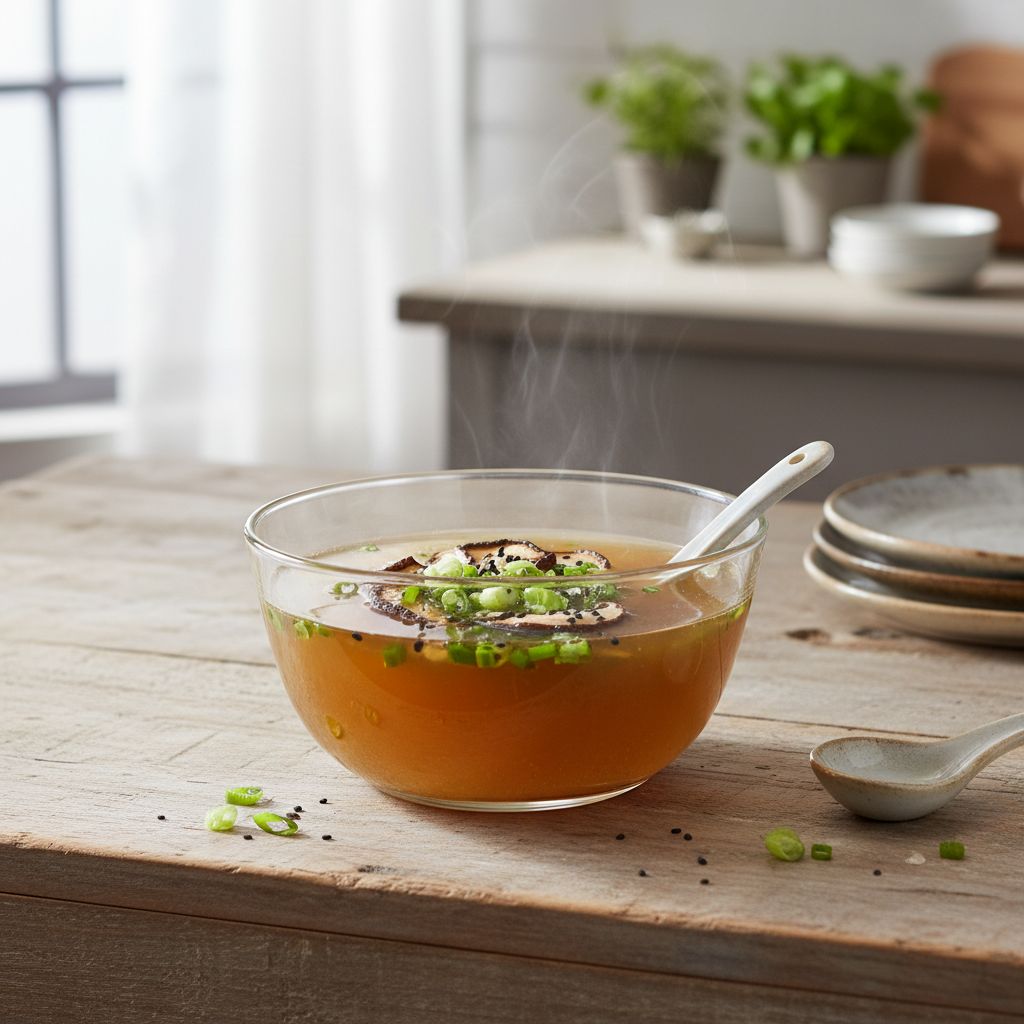
These foods have been shown to help reduce inflammation associated with skin health.
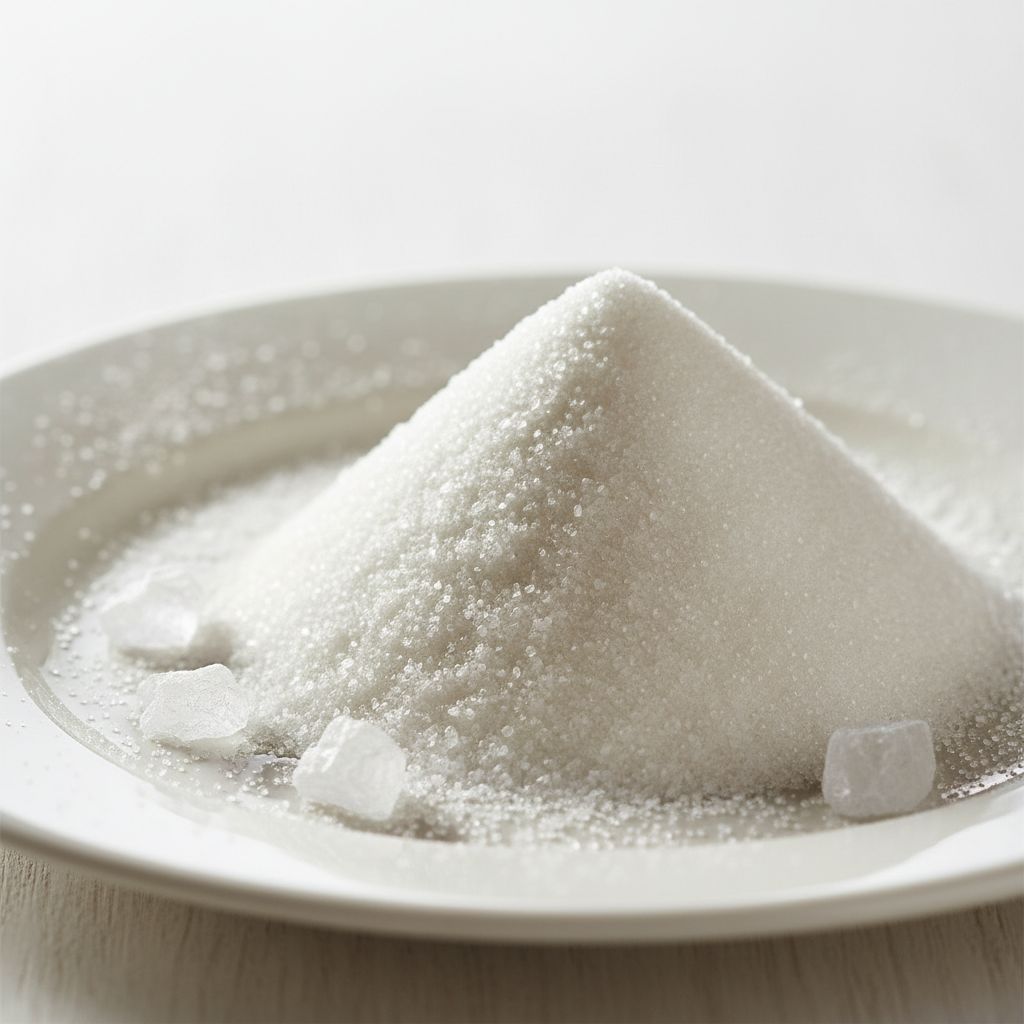
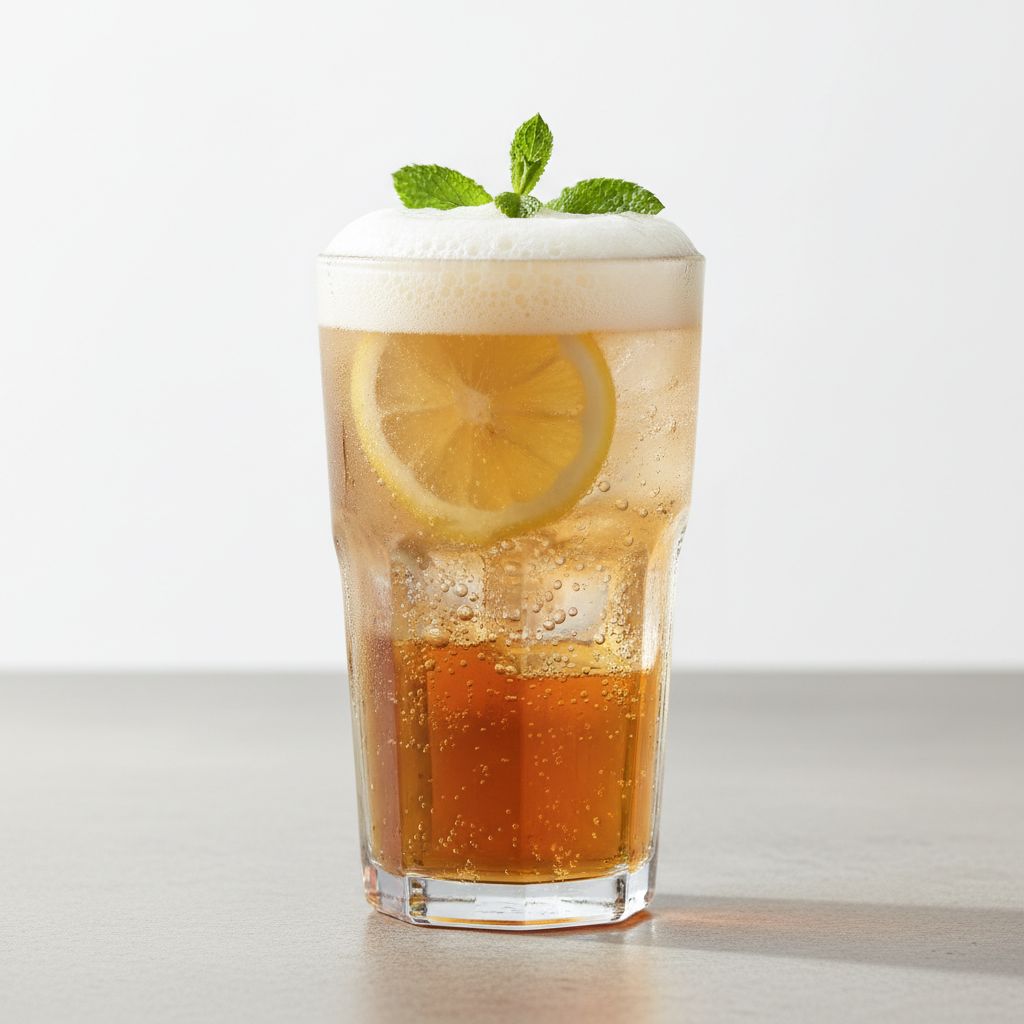
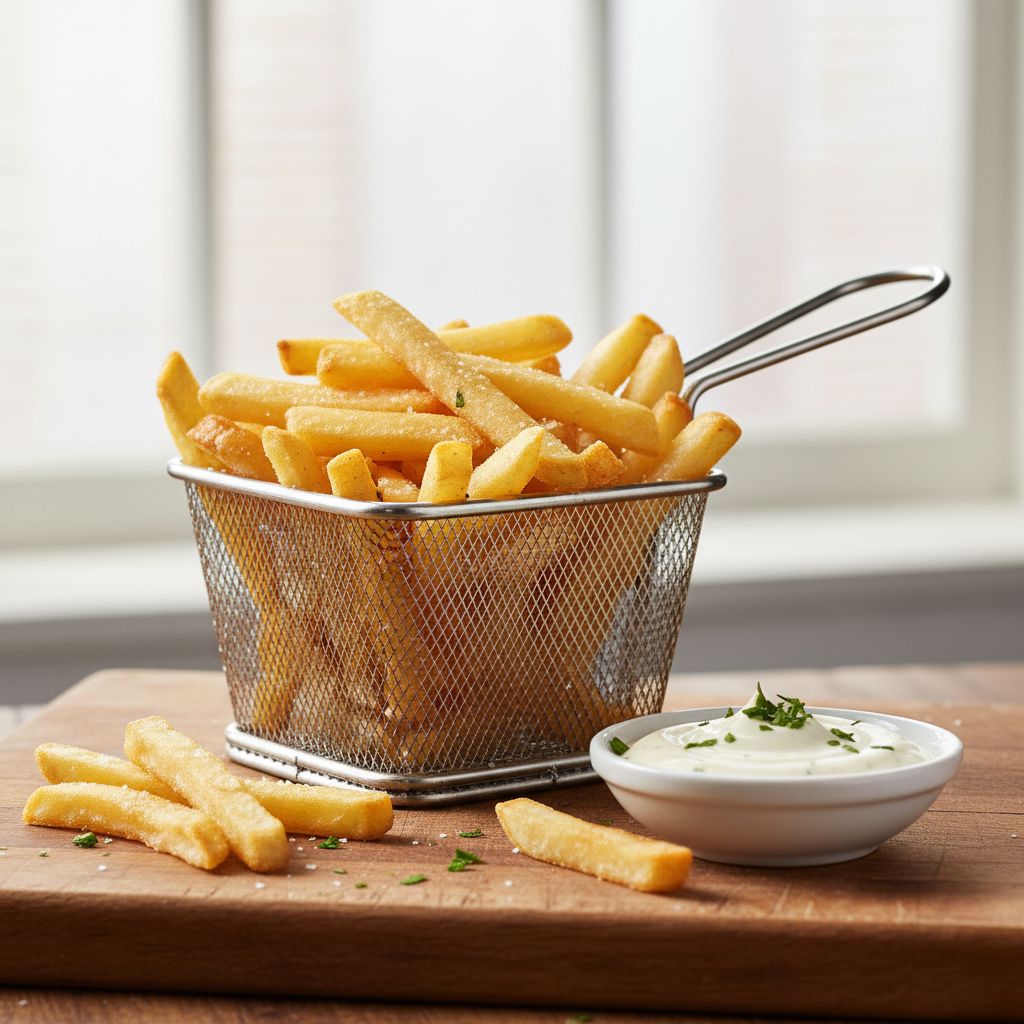
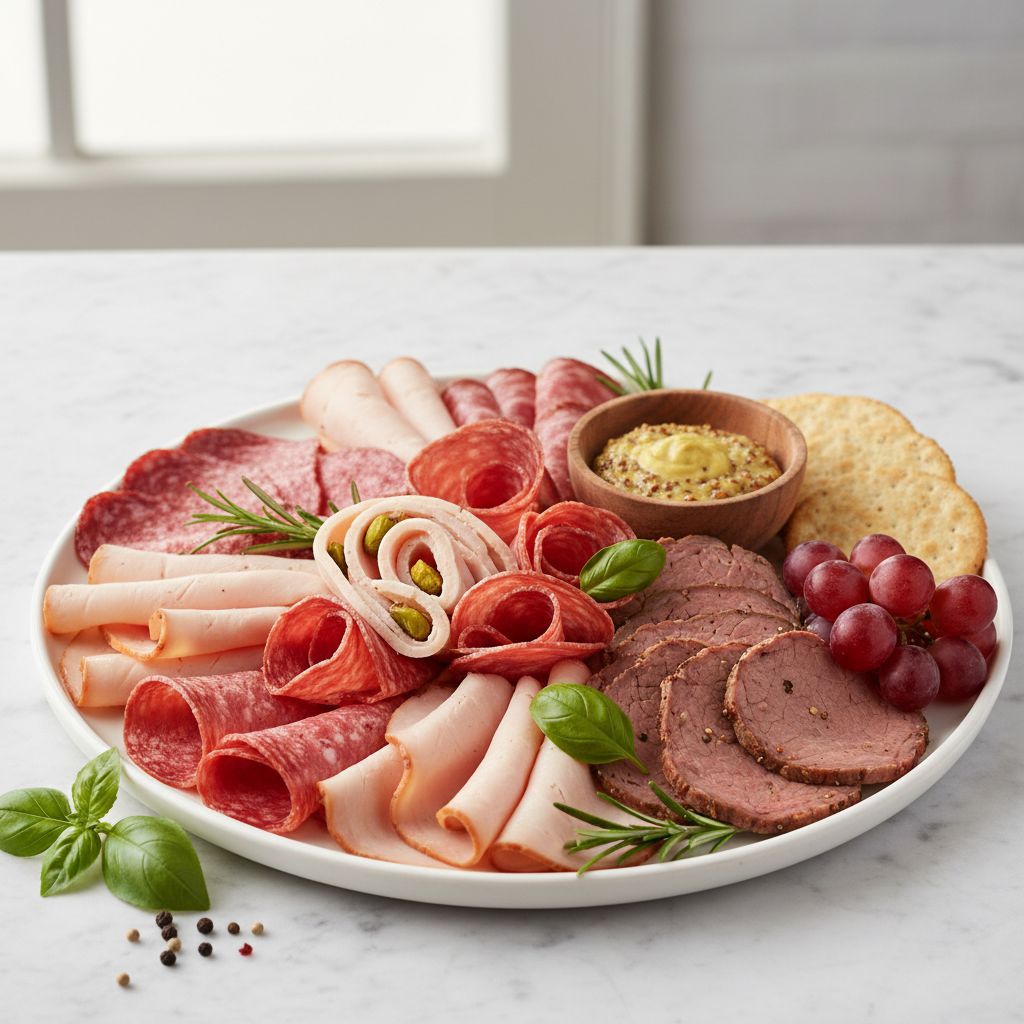
Foods to avoid
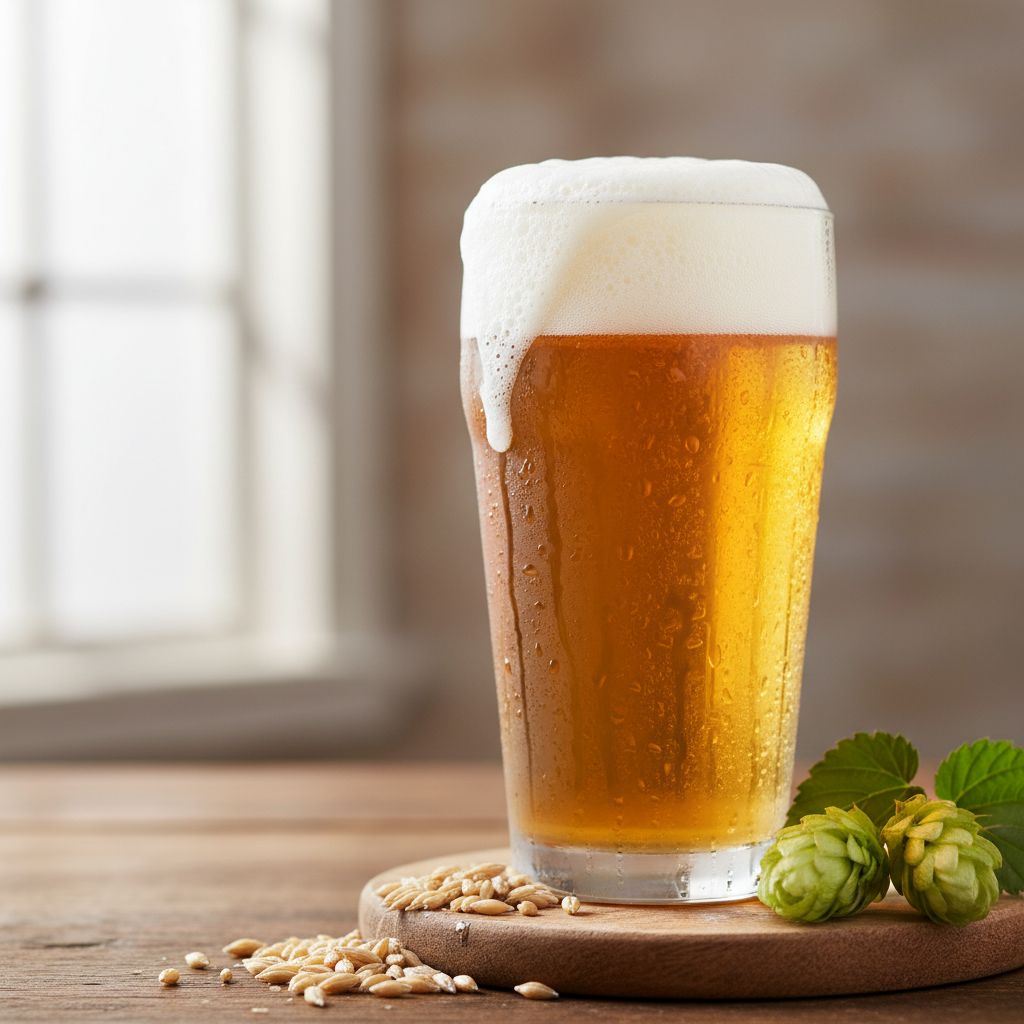
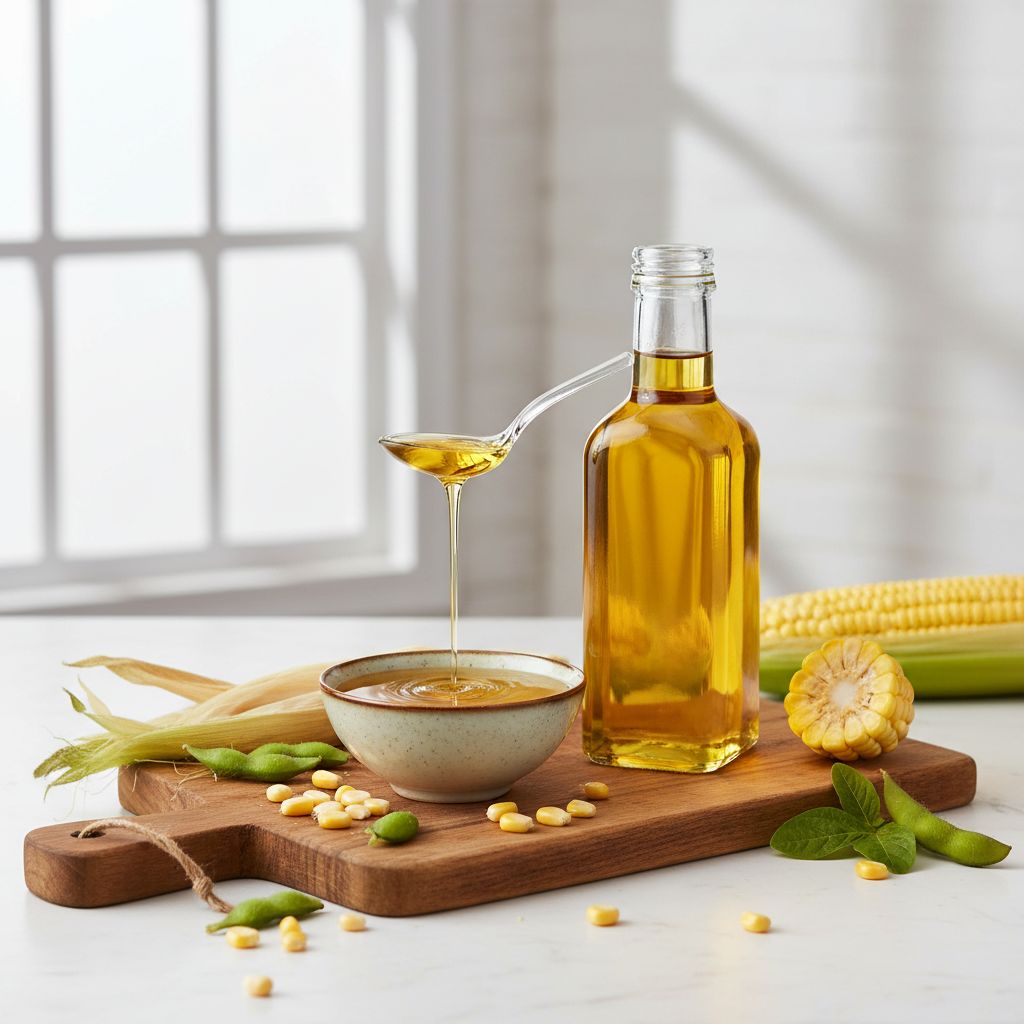
These inflammatory foods can worsen skin health symptoms and should be limited or eliminated.


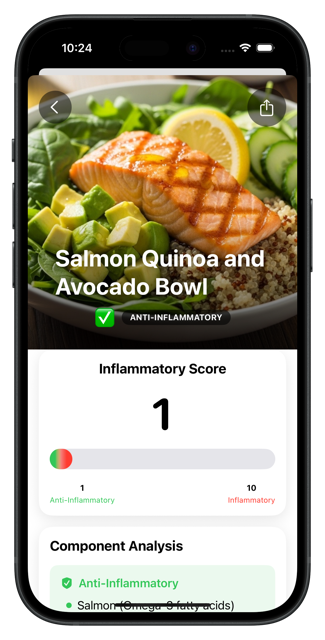
Get instant inflammation scores in your pocket
Scan any food with your camera, track your daily score, and get healthier swaps. Free on iOS & Android.


Dietary Tips for Skin Health
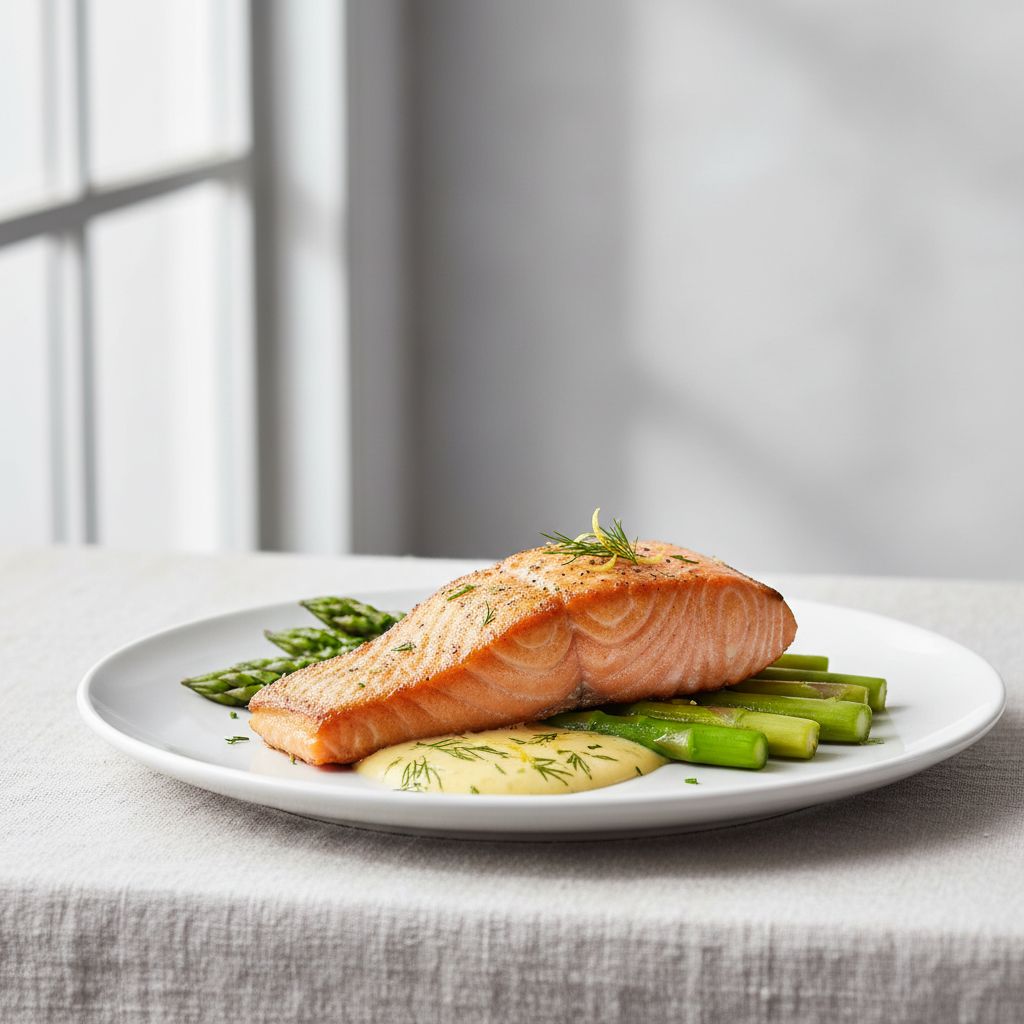
Eat salmon or sardines 2-3 times per week for omega-3 fatty acids that reduce skin inflammation.
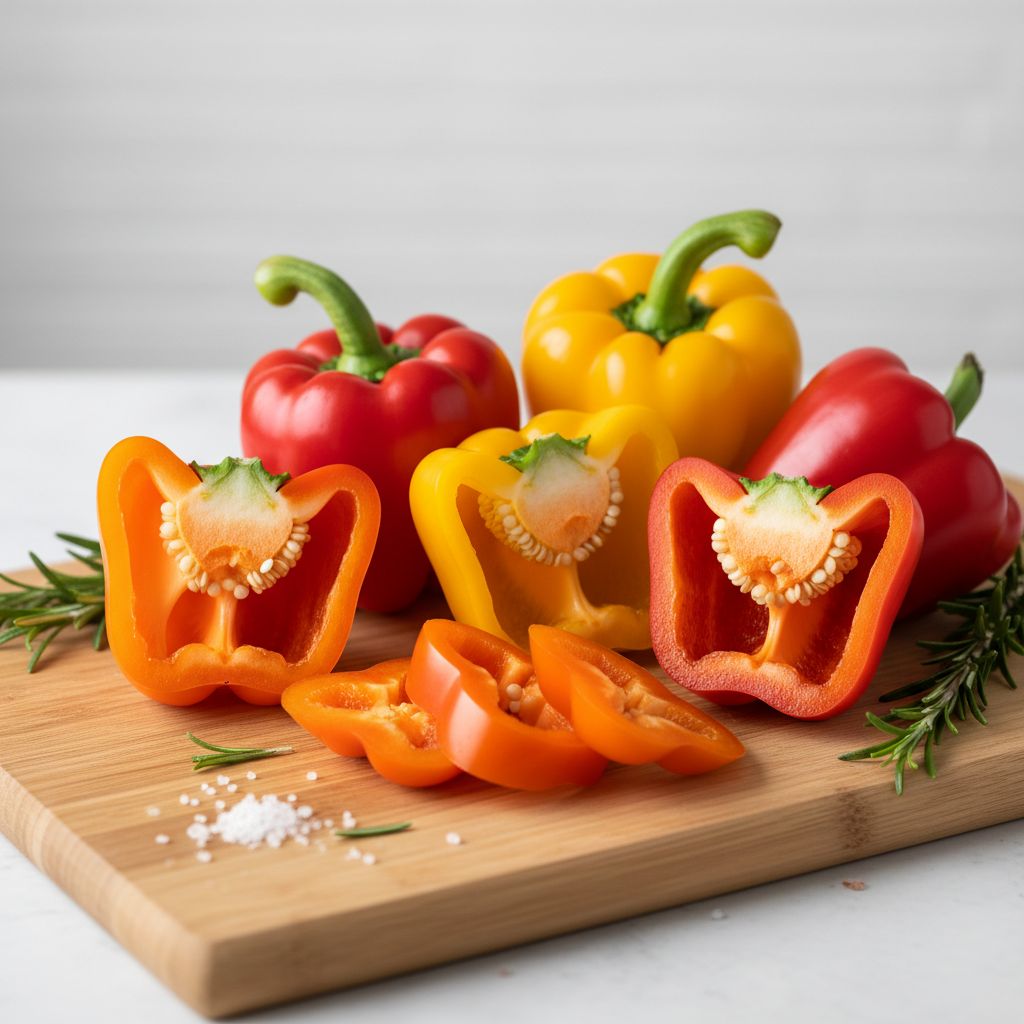
Include vitamin C-rich foods like bell peppers and strawberries to support collagen production.
Consume beta-carotene-rich foods like sweet potatoes for natural sun protection from within.
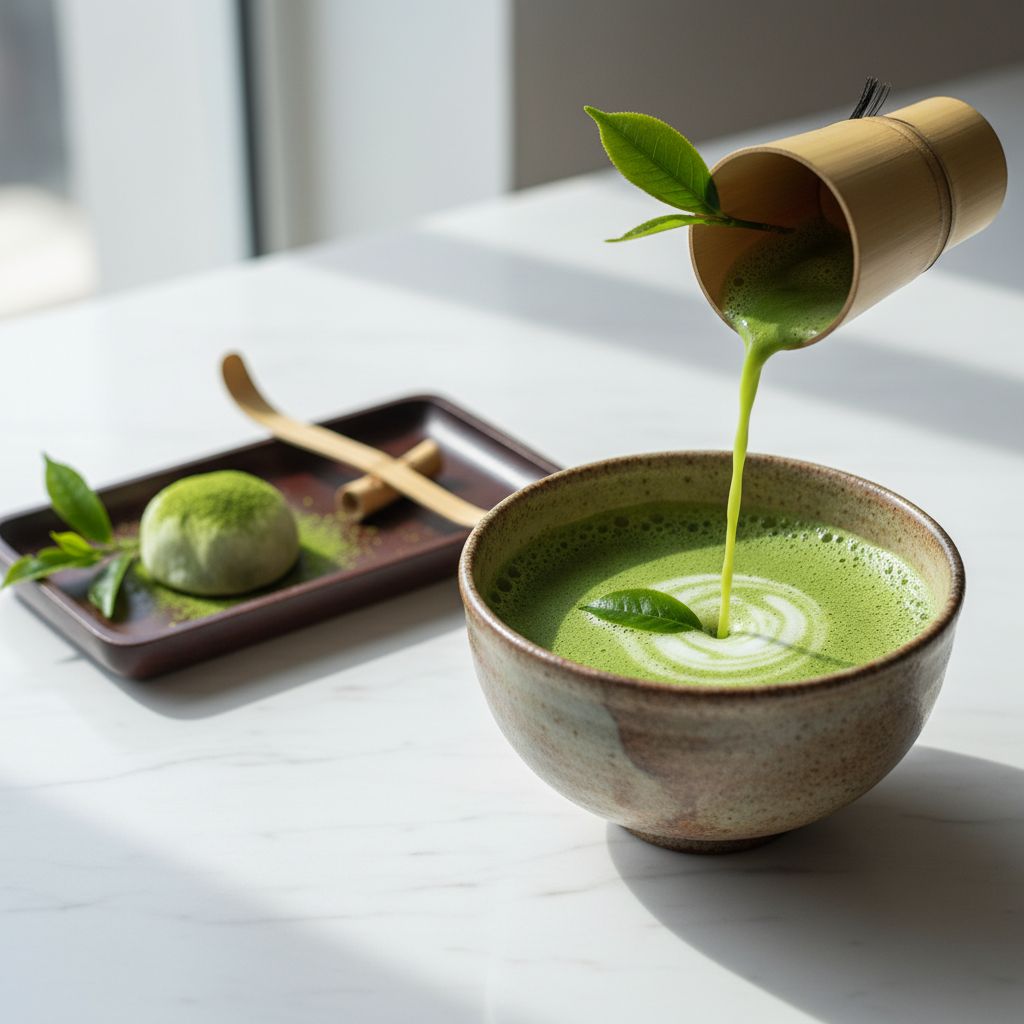
Drink green tea daily for its EGCG catechins that protect against UV damage and aging.
Limit sugar intake, which causes glycation — a process that breaks down collagen and elastin.
Stay hydrated and include water-rich foods like cucumbers and spinach in your daily diet.
Frequently Asked Questions
Q.Can an anti-inflammatory diet clear acne?
Yes, research shows that anti-inflammatory diets can significantly reduce acne. High-glycemic foods and dairy are common acne triggers because they increase insulin and IGF-1, which stimulate oil production and inflammation. Replacing these with low-glycemic whole foods, omega-3-rich fish, and antioxidant-packed vegetables can visibly reduce breakouts within 4-6 weeks.
Q.What foods are best for glowing skin?
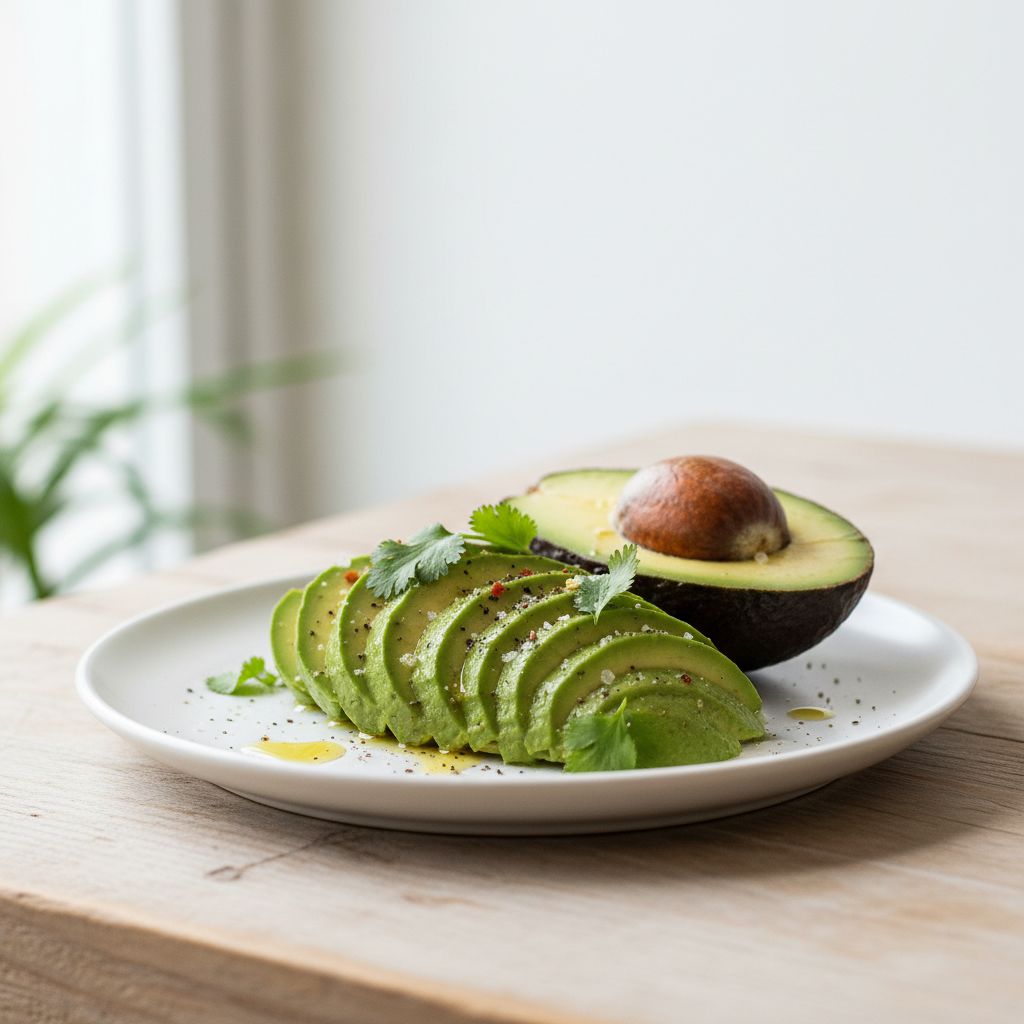
The best foods for glowing skin include salmon (omega-3s), avocado (healthy fats and vitamin E), sweet potato (beta-carotene), blueberries (antioxidants), bell peppers (vitamin C for collagen), and green tea (EGCG for UV protection). These foods provide the nutrients your skin needs to glow from within.
Q.Does sugar cause skin aging?
Yes, excess sugar consumption accelerates skin aging through a process called glycation, where sugar molecules attach to collagen and elastin fibers, making them stiff and less elastic. This leads to wrinkles, sagging, and dull skin. Reducing sugar intake is one of the most impactful dietary changes for anti-aging.
Educational content. Not medical advice.
Information on this page is for educational purposes only. It is not a substitute for professional medical advice, diagnosis, or treatment. Consult your healthcare provider before changing your diet, especially if you have a medical condition, take medications, or are pregnant or breastfeeding. Read the full disclaimer.
Scan a food in 2 seconds. Know if it's healing or hurting you.
Point your camera at any meal, ingredient, or label. Get an instant inflammation score, the science behind it, and better alternatives. All free.