Anti-Inflammatory Diet for Autoimmune Disorders
10
Foods to eat
8
Foods to avoid
6
Common symptoms
6
Dietary tips
The foods, tips, and strategies to manage autoimmune disorders through anti-inflammatory eating.
Common symptoms
- Chronic fatigue and low energy
- Joint pain and muscle aches
- Recurring inflammation and flare-ups
- Skin rashes or lesions
- Brain fog and difficulty concentrating
- Digestive issues and food sensitivities
At a glance
Eat 10 inflammation-fighting foods, limit 8 known triggers, and follow 6 dietary tips to help manage autoimmune disorders.
Understanding Autoimmune Disorders & Inflammation
Autoimmune disorders occur when the immune system mistakenly attacks the body's own healthy tissues, causing chronic inflammation and tissue damage. Conditions like lupus, multiple sclerosis, Hashimoto's thyroiditis, and celiac disease all share this common mechanism of immune dysregulation. There are over 80 recognized autoimmune conditions, and they affect approximately 8% of the population, predominantly women.
Diet is increasingly recognized as a crucial factor in autoimmune disease management. The gut contains roughly 70% of the immune system, and the foods you eat directly influence immune function. An anti-inflammatory diet can help calm the overactive immune response, reduce flare-up frequency, and minimize tissue damage. Many autoimmune patients find significant symptom relief through dietary interventions like the Autoimmune Protocol (AIP) or Mediterranean diet.
Key dietary principles for autoimmune conditions include removing common immune triggers (gluten, refined sugar, processed foods), healing the gut lining to prevent immune activation from food particles entering the bloodstream, and flooding the body with anti-inflammatory nutrients. While diet cannot cure autoimmune diseases, it can dramatically influence disease activity and quality of life.
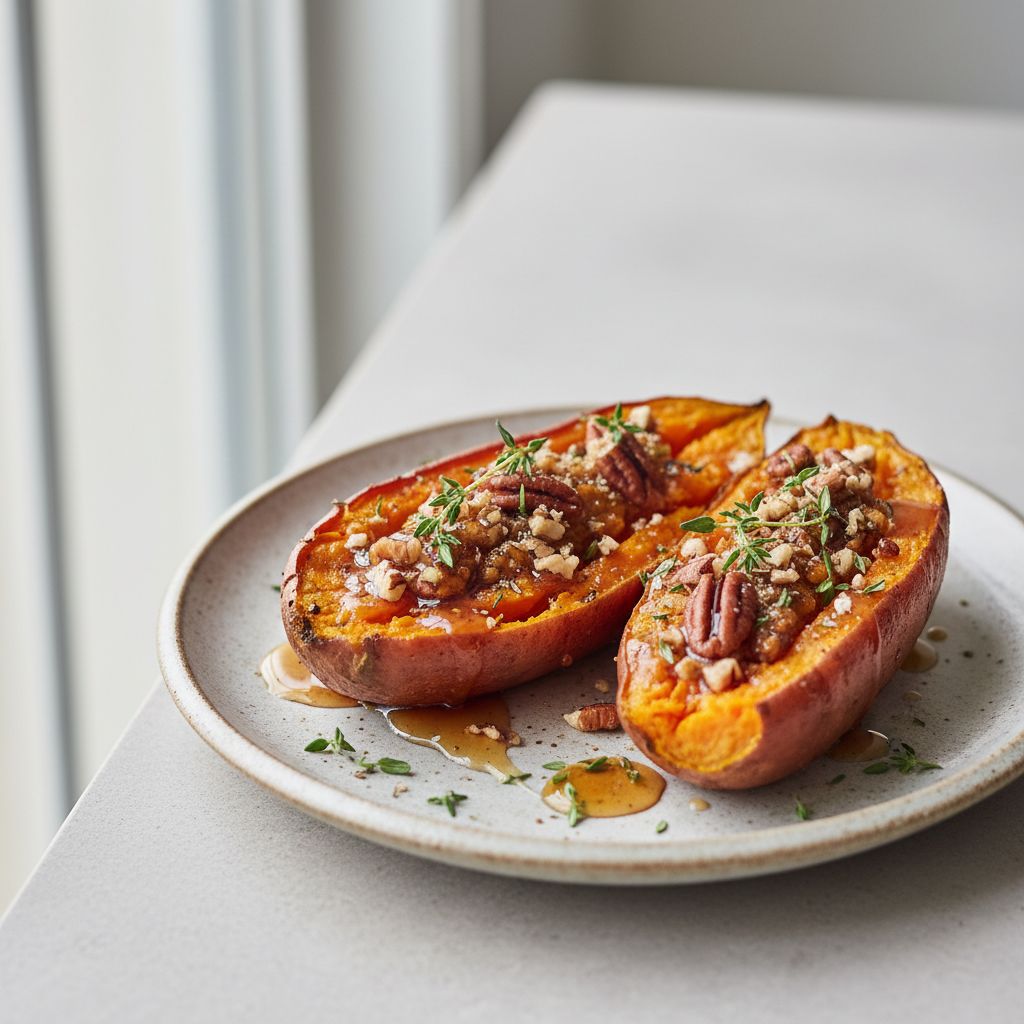
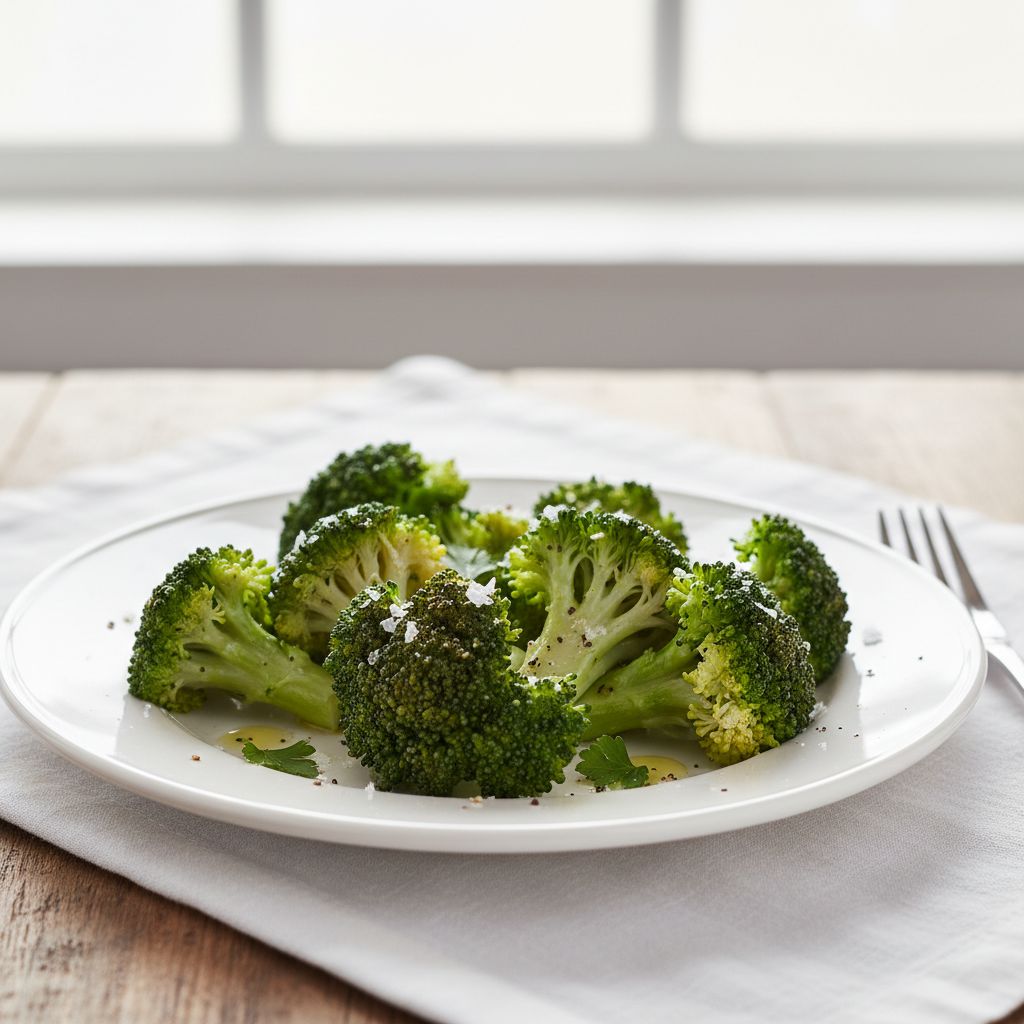
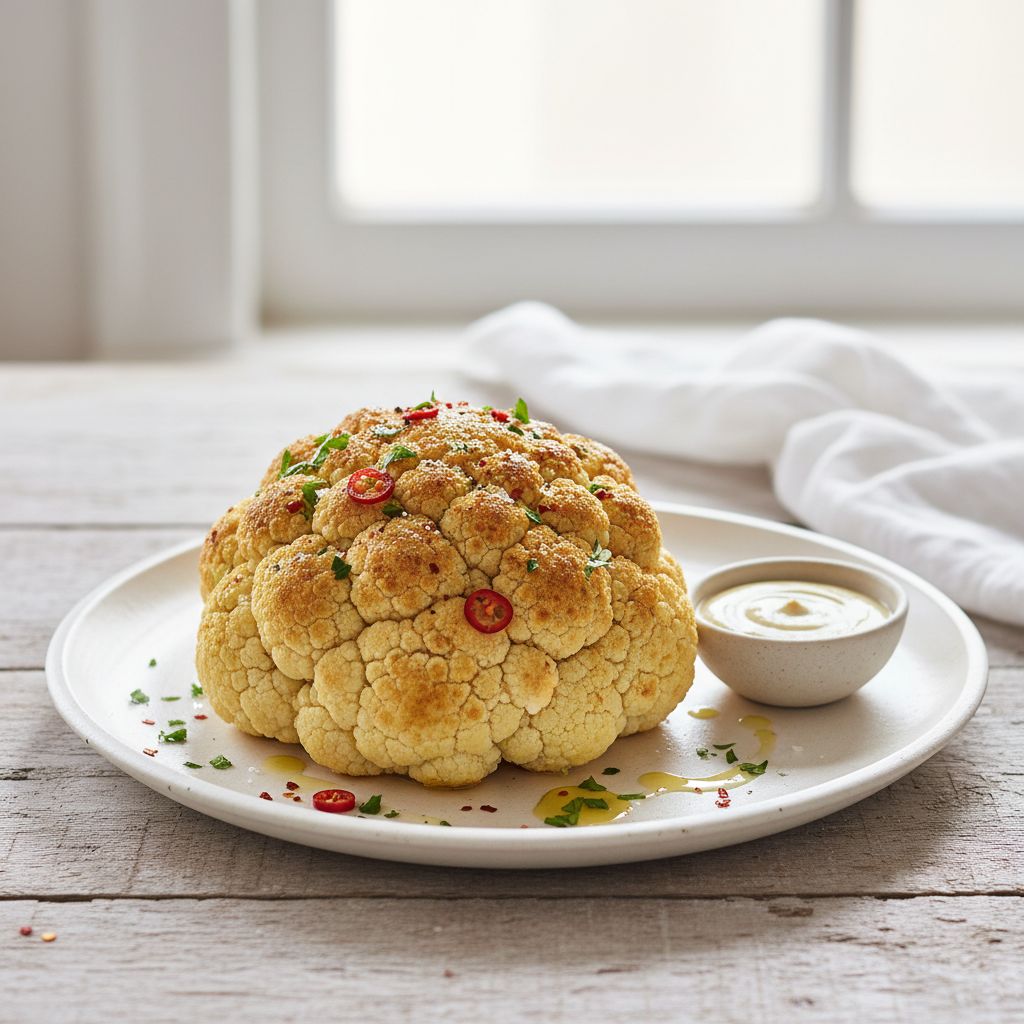
Foods to eat
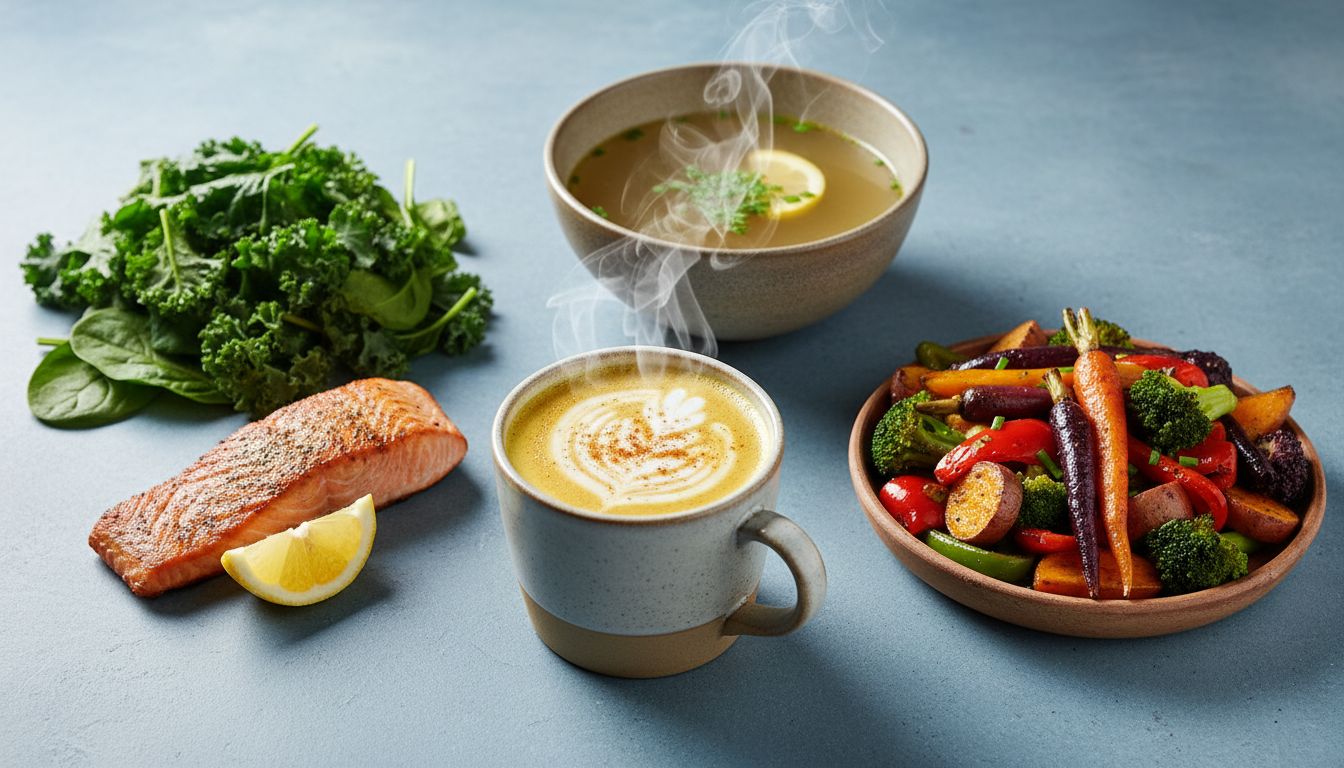
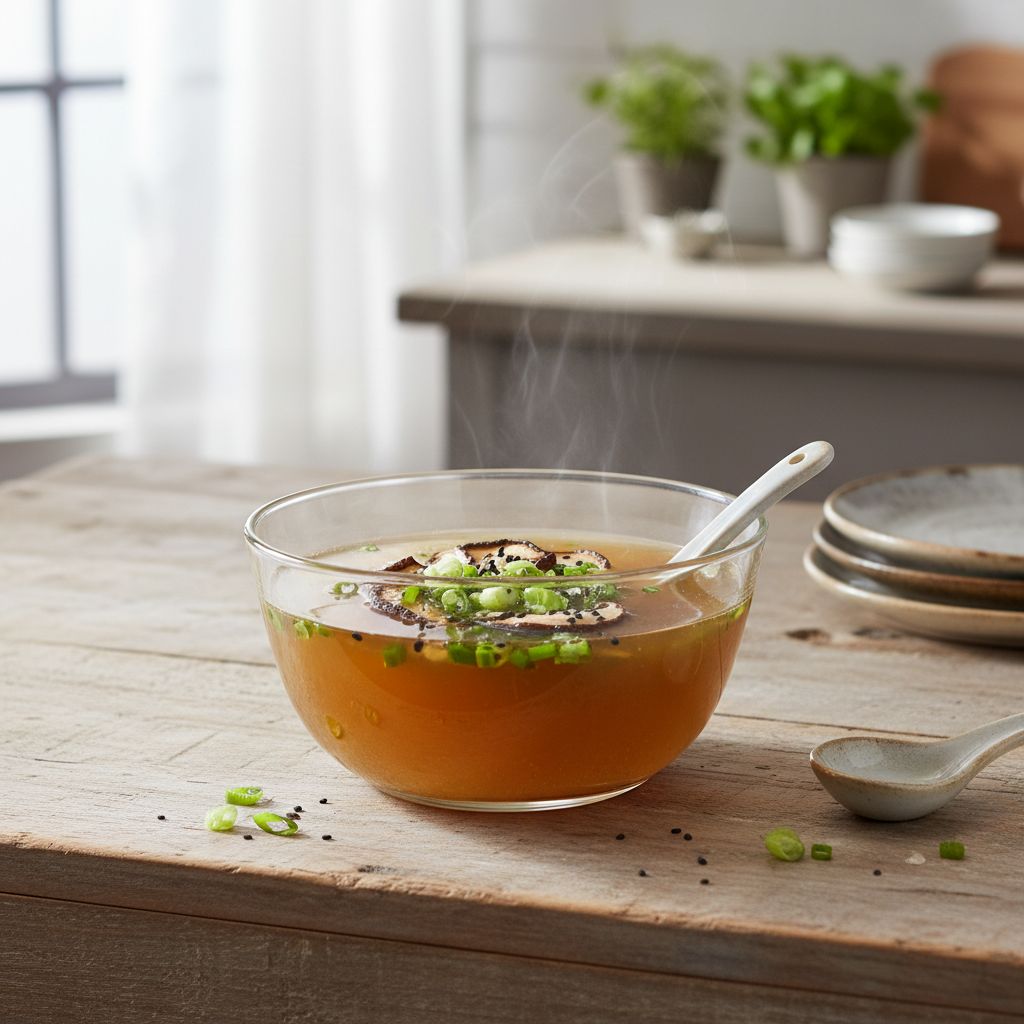
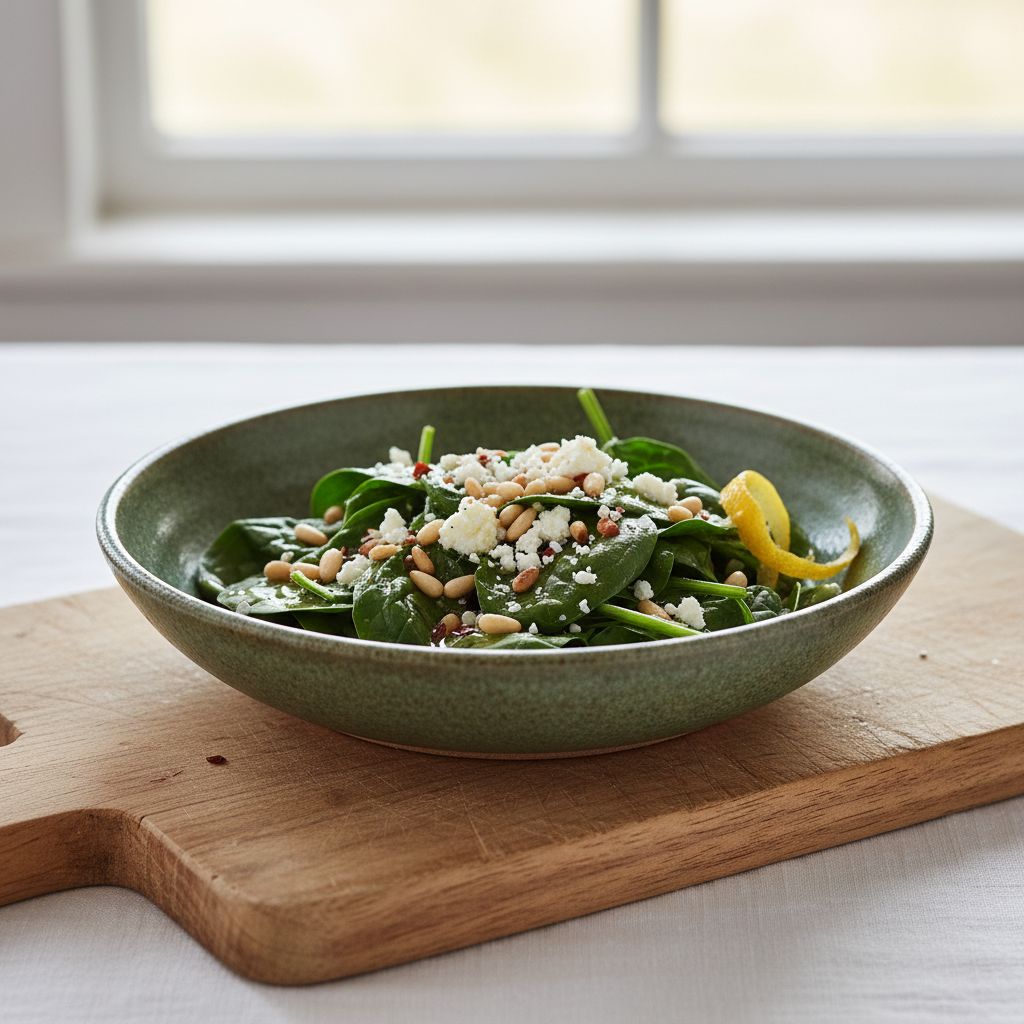
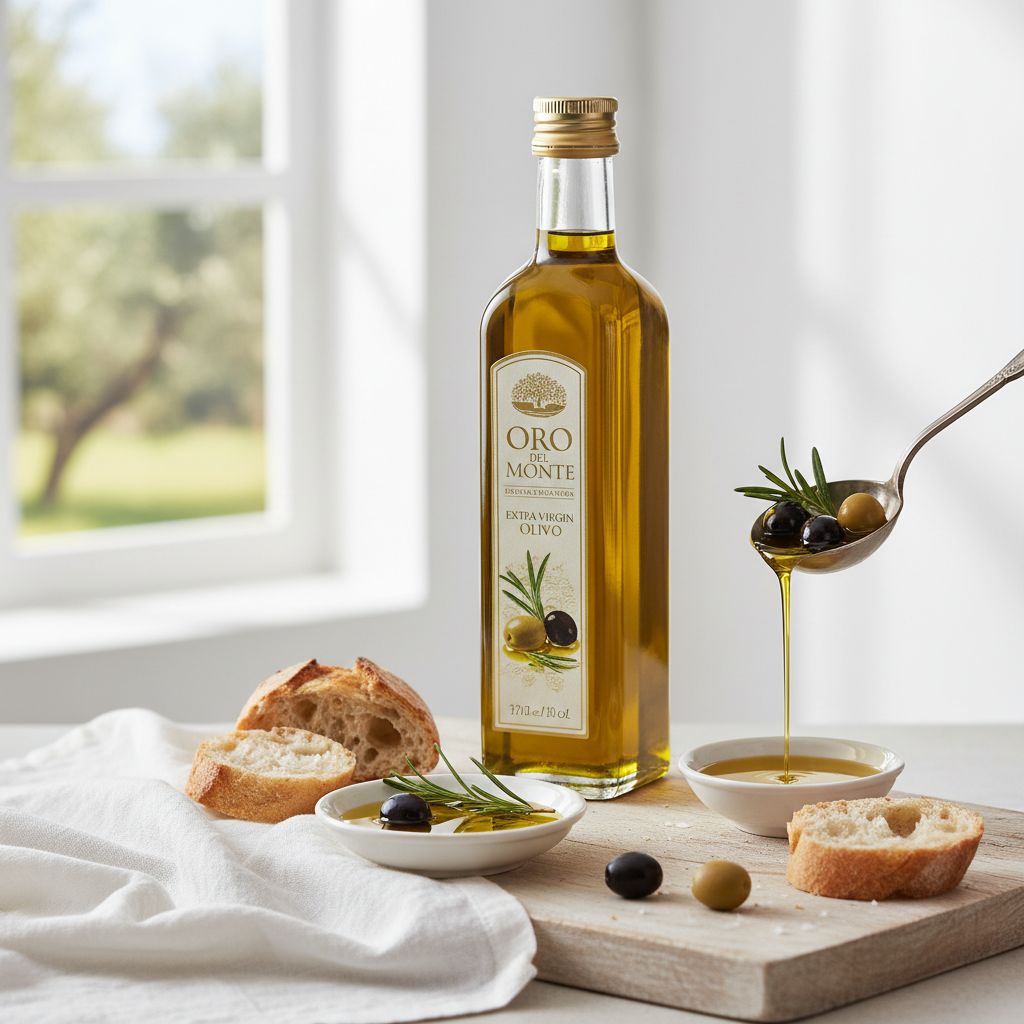
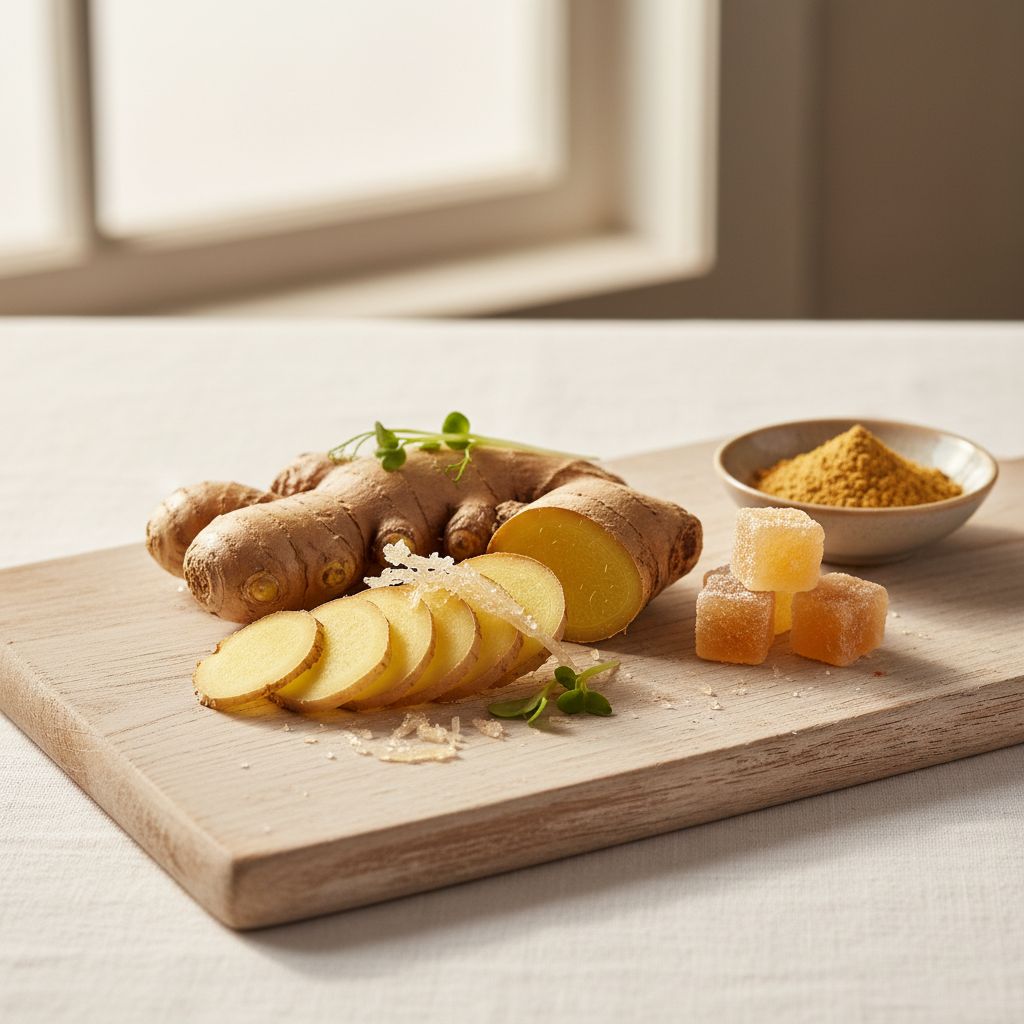
These foods have been shown to help reduce inflammation associated with autoimmune disorders.

Foods to avoid
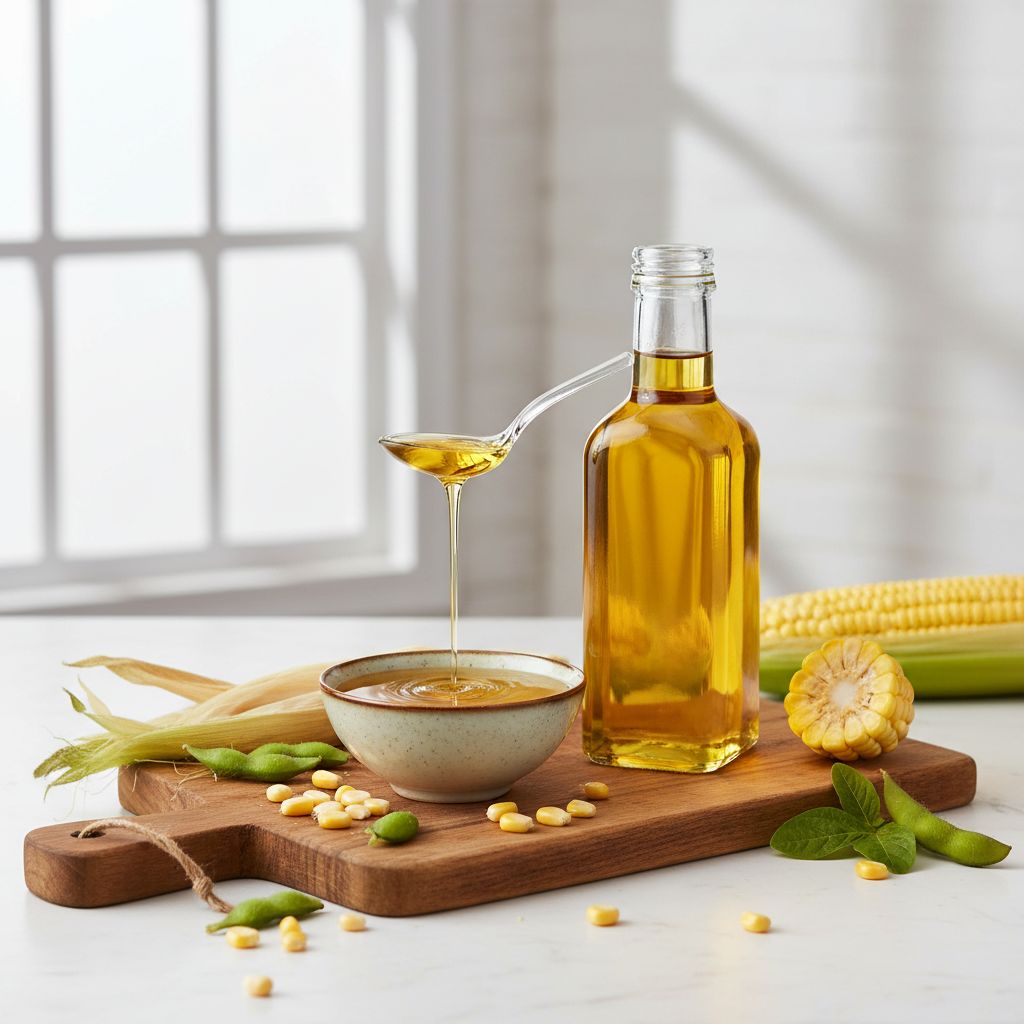
These inflammatory foods can worsen autoimmune disorders symptoms and should be limited or eliminated.






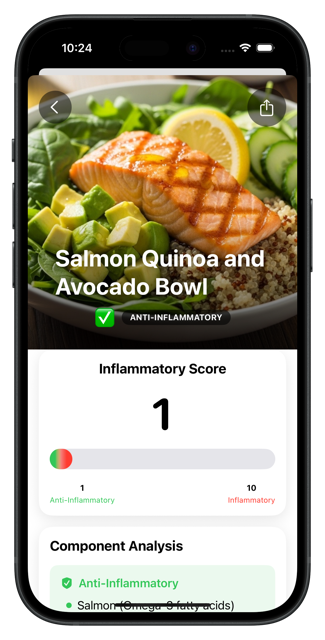
Get instant inflammation scores in your pocket
Scan any food with your camera, track your daily score, and get healthier swaps. Free on iOS & Android.


Dietary Tips for Autoimmune Disorders
Prioritize gut-healing foods like bone broth, which contains collagen and glutamine.
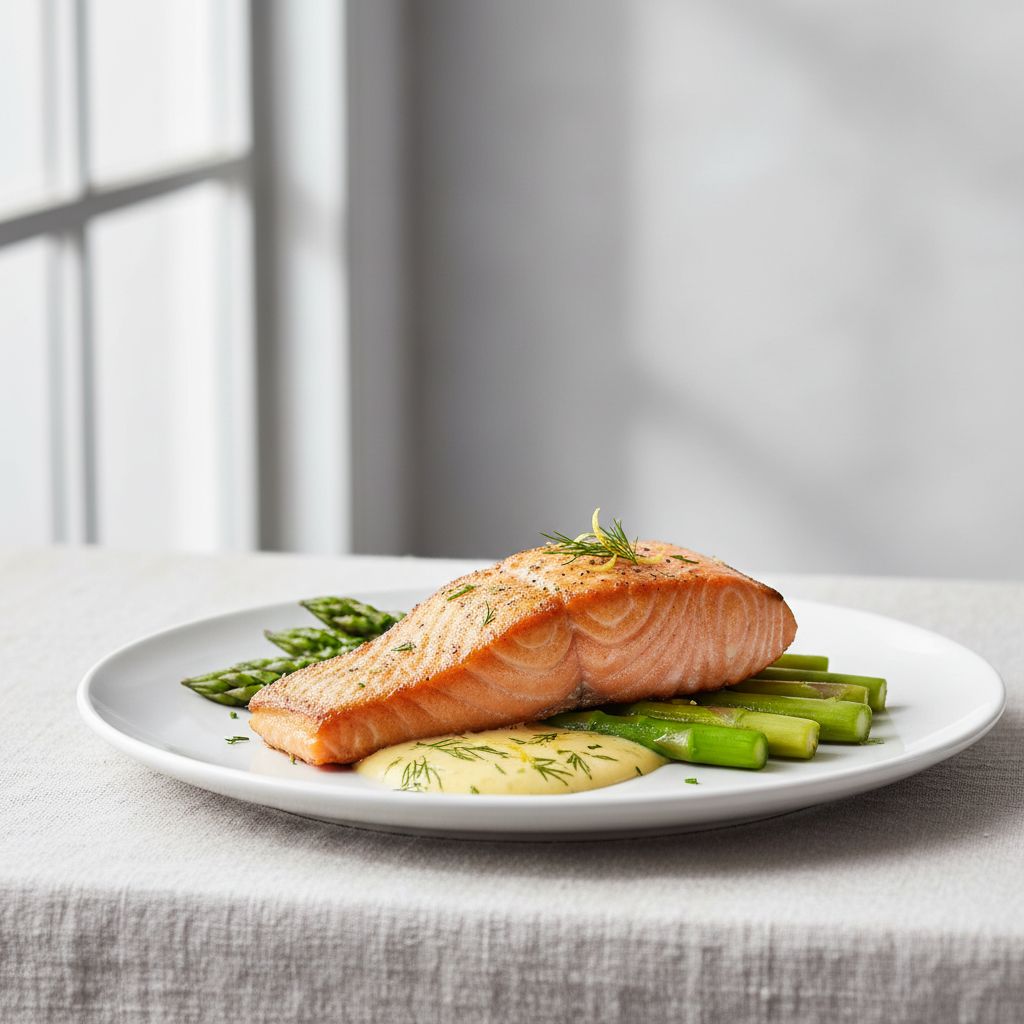
Eat omega-3-rich fish regularly to modulate immune function and reduce antibody production.
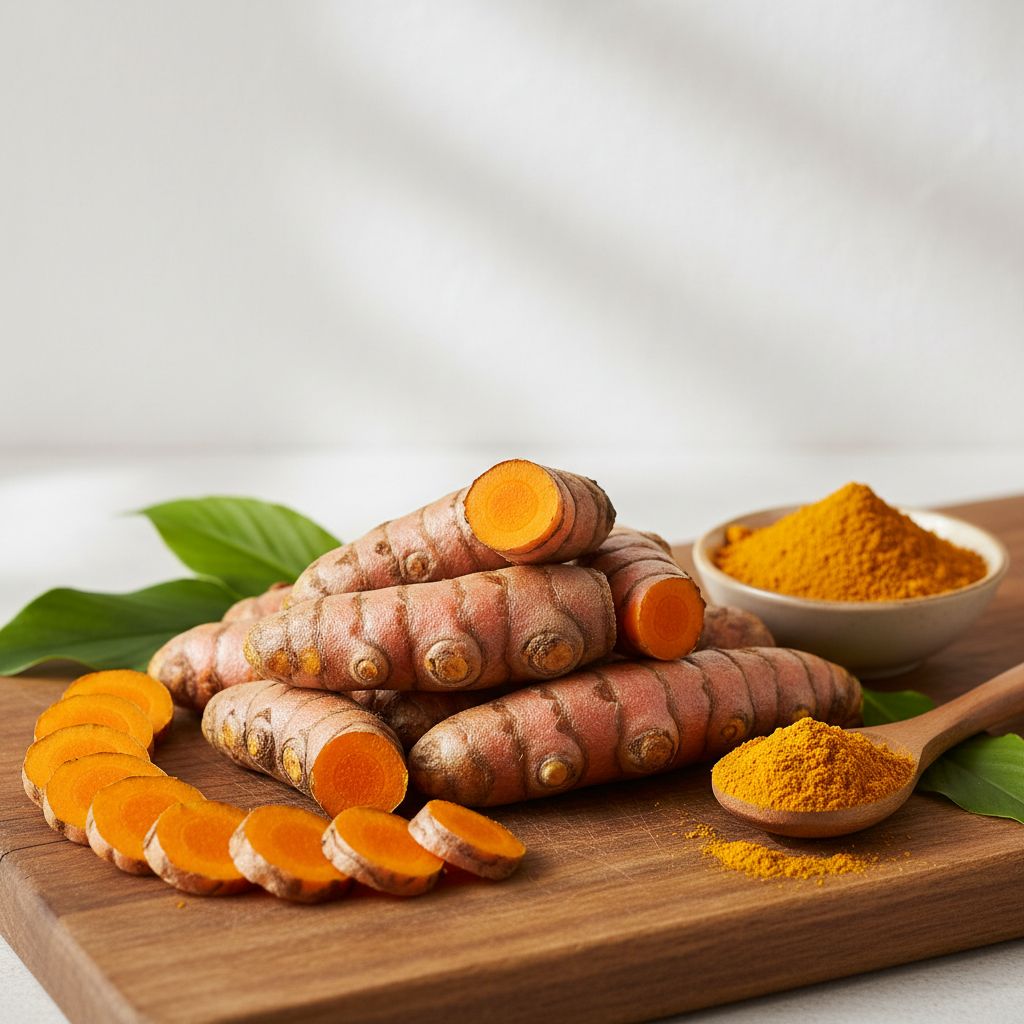
Use turmeric and ginger liberally — both have proven immunomodulatory effects.
Eliminate refined sugars and processed foods which can trigger immune flare-ups.
Consider an elimination diet to identify personal food triggers unique to your condition.
Include colorful vegetables rich in vitamins A and D, which support immune regulation.
Frequently Asked Questions
Q.Can diet help manage autoimmune disease?
Yes, extensive research shows that diet significantly influences autoimmune disease activity. An anti-inflammatory diet can reduce flare frequency, lower inflammatory markers, and improve symptoms. The Autoimmune Protocol (AIP) and Mediterranean diets have the most evidence for autoimmune conditions, with many patients achieving measurable improvements in 6-12 weeks.
Q.What foods trigger autoimmune flare-ups?
Common dietary triggers for autoimmune flare-ups include refined sugar, gluten, processed foods, vegetable oils high in omega-6, alcohol, and artificial additives. However, triggers are highly individual — some people also react to dairy, nightshade vegetables, eggs, or legumes. An elimination diet can help identify your specific triggers.
Q.How does gut health affect autoimmune disease?
The gut houses approximately 70% of the immune system, so gut health directly impacts autoimmune activity. Intestinal permeability (leaky gut) allows food particles and bacteria to enter the bloodstream, triggering immune responses. Healing the gut through bone broth, probiotics, and removing inflammatory foods is often the foundation of autoimmune dietary management.
Educational content. Not medical advice.
Information on this page is for educational purposes only. It is not a substitute for professional medical advice, diagnosis, or treatment. Consult your healthcare provider before changing your diet, especially if you have a medical condition, take medications, or are pregnant or breastfeeding. Read the full disclaimer.
Scan a food in 2 seconds. Know if it's healing or hurting you.
Point your camera at any meal, ingredient, or label. Get an instant inflammation score, the science behind it, and better alternatives. All free.