Guide · Blood sugar

The best bread for diabetics, ranked by what actually matters

Bread is the food people with diabetes get told to fear, and the aisle is engineered to confuse them: brown-dyed white bread, "multigrain" with zero whole grains, honey wheat with more sugar than some cookies. The truth is simpler. A handful of breads produce a gentle glucose curve, most produce a spike, and the label tells you which is which in about 20 seconds.

This matters beyond glucose. Repeated blood sugar spikes are one of the most consistent drivers of chronic inflammation, which is why the breads that work for diabetes are the same ones an anti-inflammatory diet lands on anyway. Here are the 9 worth buying, the ones to leave on the shelf, and how to eat any of them with a smaller spike.

General nutrition information, not medical advice. If you dose insulin or manage diabetes with medication, plan carbs with your care team.

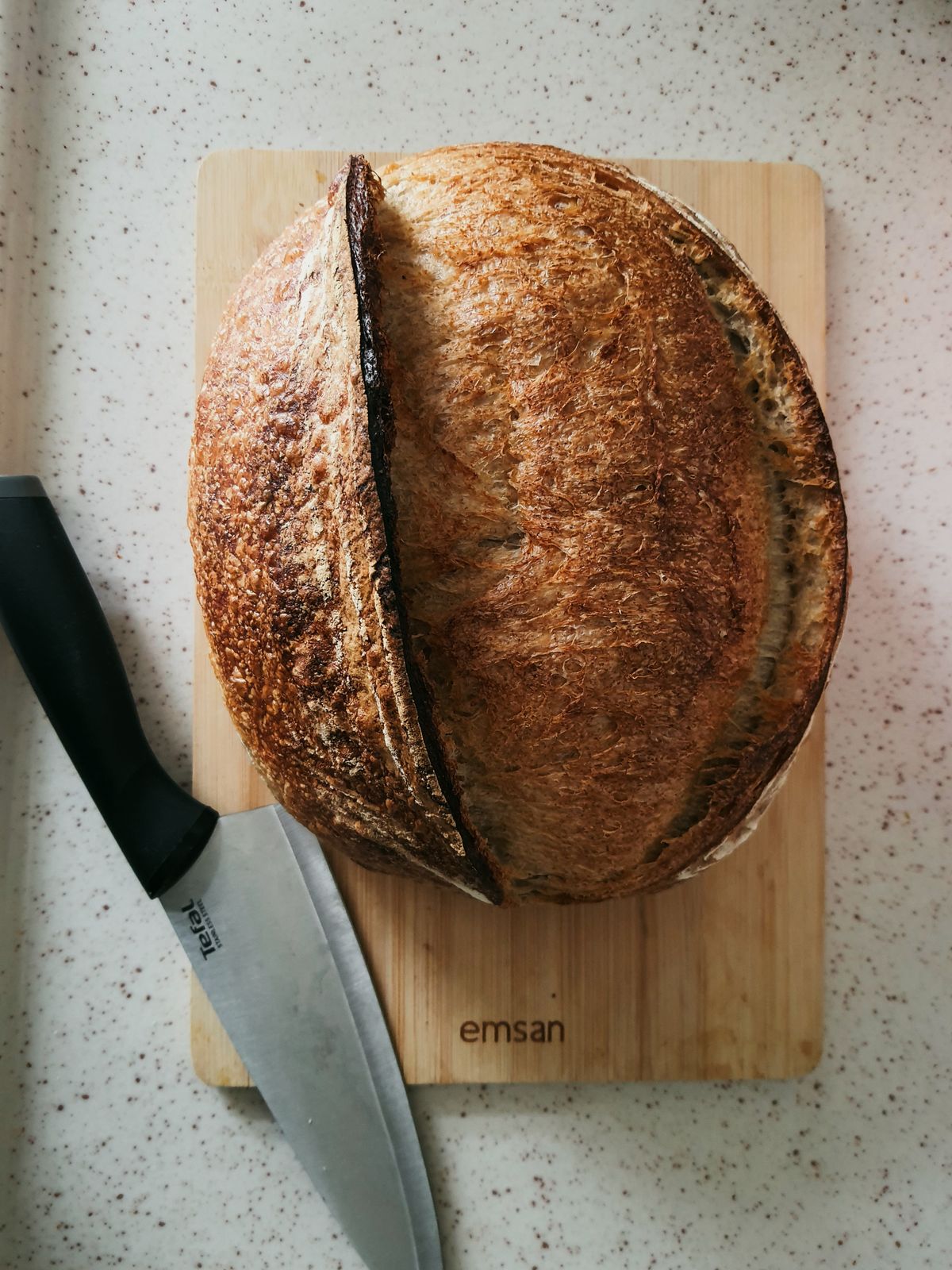
Dense whole grain sourdough loaf on a wooden cutting board

Dense and heavy is a feature. The lighter and fluffier a loaf feels, the faster it usually hits your blood sugar.

The 3 things that decide whether a bread spikes you

Ignore the branding. Every bread on earth is judged by the same three factors.

Fiber per slice

Fiber slows how fast the carbs become blood glucose. 3g or more per slice is the working threshold. Under 2g, the bread behaves like white bread whatever the bag claims.

How intact the grain is

Whole kernels and sprouted grains digest slowly. The same grain milled into fine flour digests fast, even when it is technically whole wheat. Coarse beats fine, always.

Acid and fermentation

Sourdough fermentation and rye's natural acids slow stomach emptying. It is why real sourdough and pumpernickel outperform their own carb counts.

The 9 best breads for diabetics

Typical US label values per slice; your brand's panel wins over this table.

#BreadCarbs/sliceFiberGlycemic impactVerdict
1Sprouted whole grain bread15g3gLowThe default answer
2Traditional pumpernickel15g2gLowThe underrated one
3100% whole grain rye15g2gLow to mediumBest flavor-to-spike ratio
4Real sourdough (whole grain)18g2gLow to mediumThe fermented option
5100% whole wheat17g3gMediumFine, not special
6Low-carb / high-fiber bread9g6gLowLowest numbers, read the label
7Oat bread17g2gMediumThe beta-glucan bonus
8Whole wheat pita (small)16g2gMediumPortion control built in
9Dense seeded multigrain (100% whole)15g3gMediumOnly the honest version
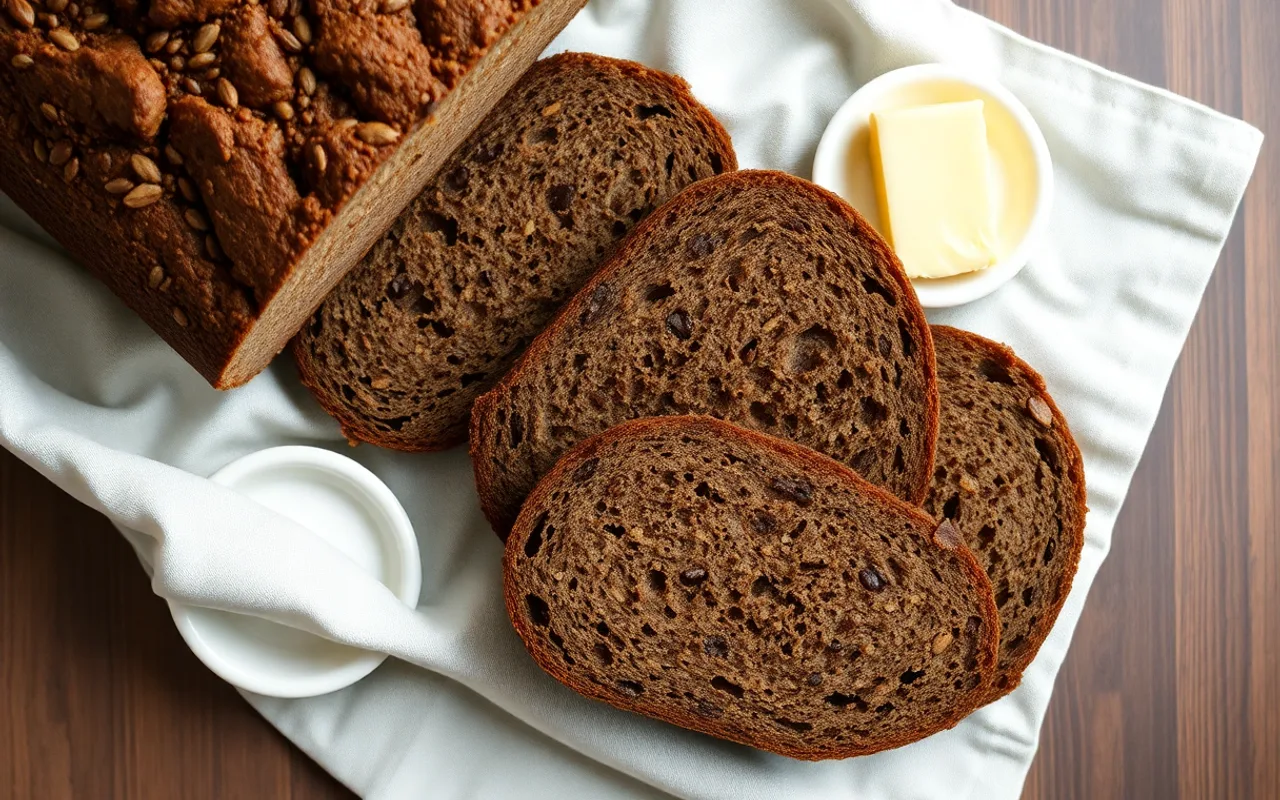
Sliced dense dark rye pumpernickel bread with visible whole grains

Real pumpernickel and whole rye: you can see the kernels in the slice. If the crumb looks like uniform foam, the label will disappoint you.

Each one, and what to check before it goes in the cart

Every bread here has a fake supermarket twin. The "watch out" line is how you spot it.

1

Sprouted whole grain bread

Sprouting breaks down some of the starch before you ever eat it, and the grain stays fully intact. You get more protein and fiber per slice than almost any regular bread, which blunts the glucose rise. Ezekiel 4:9 is the reference product here.

Look for

Sprouted grains as the first ingredient, around 15g carbs and 3g+ fiber per slice, no added sugar.

It lives in the freezer aisle and the texture is dense. Toast it. Fresh from the bag it converts people back to white bread.

2

Traditional pumpernickel

Real pumpernickel is whole rye kernels cooked low and slow, and the acid formed in that process slows digestion measurably. It has one of the lowest glycemic responses of any bread that still tastes like bread.

Look for

Whole rye kernels or whole rye meal first on the list. German imports are usually the real thing.

Most US supermarket pumpernickel is white flour dyed dark with molasses or caramel color. If the first ingredient is wheat flour, it is costume pumpernickel.

3

100% whole grain rye

Rye fiber is mostly viscous fiber, the kind that forms a gel and slows how fast glucose hits the blood. Studies on rye consistently show a flatter response than wheat bread with the same carbs.

Look for

Whole rye flour as the first ingredient and a dense, heavy loaf. Real rye is a brick, not a pillow.

Marbled and deli rye are usually mostly white flour with rye flavoring. Same trick as fake pumpernickel.

4

Real sourdough (whole grain)

Long fermentation produces organic acids that slow stomach emptying and lower the glycemic response versus the same flour unfermented. Whole grain sourdough stacks both advantages.

Look for

Flour, water, salt, starter culture, and time. A real sourdough has a short ingredient list and takes days, not hours.

Supermarket 'sourdough' is often regular white bread with vinegar flavoring. White sourdough is still better than plain white, but the whole grain version is the one that earns this ranking.

5

100% whole wheat

The honest workhorse. Finely milled whole wheat digests faster than intact grains, so the spike is real, but the fiber and nutrients still beat anything white. Widely available and cheap.

Look for

The word is '100% whole wheat'. Just 'wheat bread' means white bread with a tan.

Many brands add honey or sugar to mask bitterness. Keep added sugar under 3g per slice.

6

Low-carb / high-fiber bread

Built from wheat protein, seeds, and added fibers, these get carbs per slice into single digits with fiber covering most of it. For strict carb budgets they are the easiest slot-in.

Look for

Under 10g total carbs and at least 4g fiber per slice, with recognizable ingredients up front.

Some rely on fiber syrups and gums that bother sensitive stomachs, and a few taste like packing foam. Try one loaf before committing to six.

7

Oat bread

Oats bring beta-glucan, the same viscous fiber that makes oatmeal a reasonable diabetic breakfast. In bread the dose is smaller, but a loaf with real oats still lands gentler than plain wheat.

Look for

Whole oats or oat flour high on the ingredient list, not just oats sprinkled on the crust for the photo.

Most 'oat' supermarket loaves are wheat bread with oat decoration. The crust sprinkle does nothing.

8

Whole wheat pita (small)

A small whole wheat pita caps the portion by design and holds a filling without needing two slices. Practical for lunches where sliced bread pushes you to 34g of carbs before the filling.

Look for

Whole wheat flour first, and the small size, around 15-17g carbs each.

Large white pitas run 30-35g carbs each and disappear in two bites. Size is the whole point here.

9

Dense seeded multigrain (100% whole)

When every grain in it is actually whole, a heavy seeded loaf adds fat and protein from the seeds, which slows the carbs down. The Scandinavian-style bricks are the model.

Look for

'100% whole grain' plus visible seeds through the slice, not just on top. Heavy for its size is a good sign.

'Multigrain' alone is the most abused word in the aisle. Seven grains can all be refined. The word you need is 'whole'.
Free · iOS & Android

Not sure about the loaf in your hand?

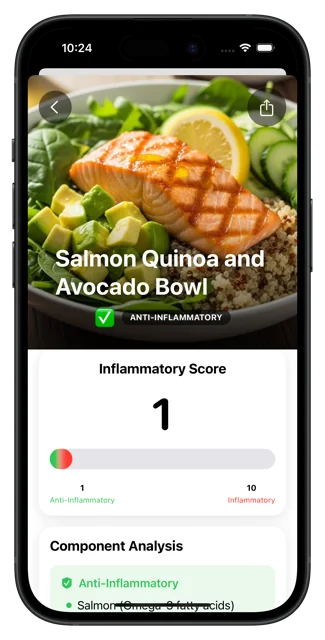
Scan it with Flammy. Inflammation score, key nutrients, and cleaner swaps in 2 seconds, right in the bread aisle.

Download Flammy on the App StoreGet Flammy on Google Play
Flammy app showing a food inflammation score
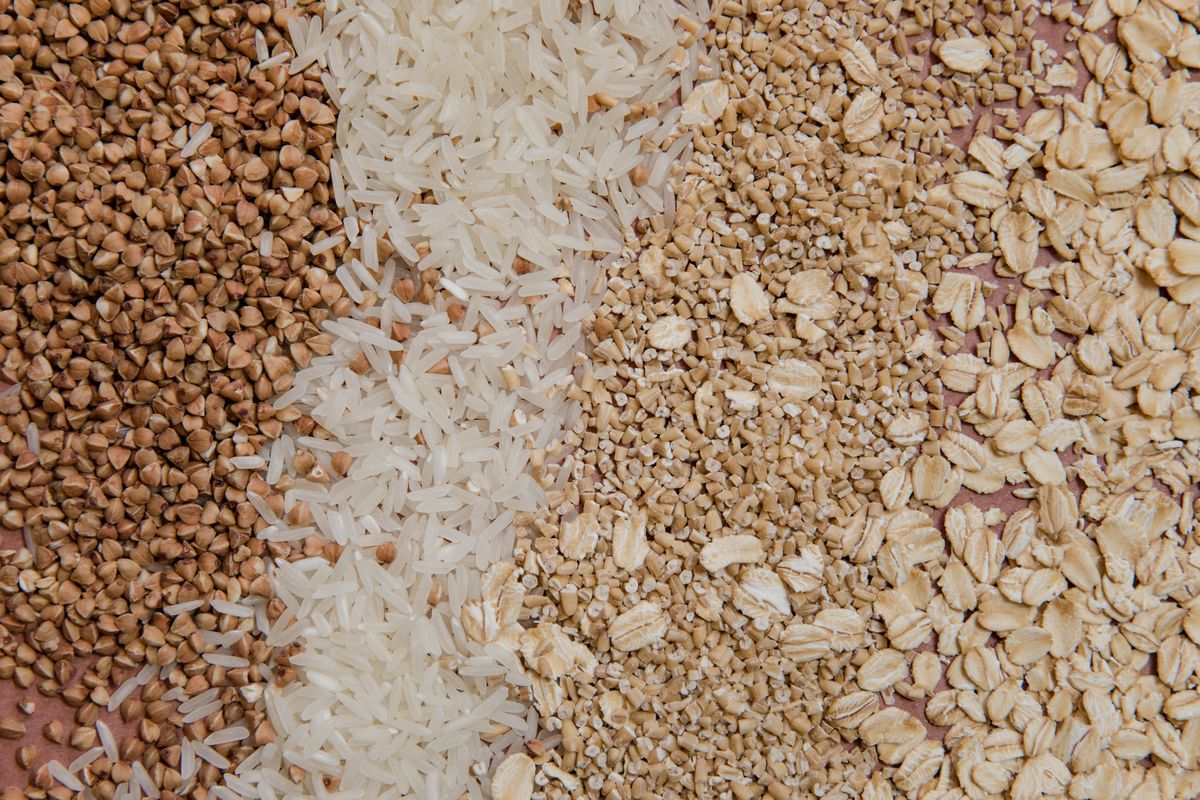
Whole grains including buckwheat, rice and oats laid side by side

The closer the grain is to this state when it goes into the loaf, the slower it digests. Fine flour is the enemy, not wheat itself.

The 20-second label check

Five rules, in order. A loaf that passes the first three is already better than 90% of the aisle.

1

First ingredient must say 'whole' or 'sprouted'

Ingredients are listed by weight. If the first line is 'wheat flour' or 'enriched flour', it is white bread regardless of the color or the oats glued on top.

2

At least 3g fiber per slice

Fiber is the number that predicts the spike. Under 2g per slice, the bread will behave like white bread no matter what the front of the bag says.

3

Added sugar under 3g per slice

Honey, molasses, cane syrup: same glucose to your blood. Plenty of good loaves come in at 0-2g. There is no reason to accept 5g.

4

Check carbs per slice, not per serving

Some brands define a serving as one slice, some as two, and thin-sliced loaves change the math again. Compare per slice or you are comparing nothing.

5

Ignore the front of the bag entirely

'Multigrain', '12 grain', 'harvest', 'artisan': none of these words are regulated to mean whole grain. The ingredient list and the nutrition panel are the only two honest surfaces on the package.

US brands that pass the check

Formulations change, so the label always gets the final word. But these five are consistently built the right way, and together they cover every budget and texture preference on the ranking above.

Sprouted whole grain

Food for Life Ezekiel 4:9

The reference sprouted bread: sprouted wheat, barley, beans and lentils, no added sugar, about 15g carbs and 3g fiber per slice. Freezer aisle. Toast it or regret it.

Traditional German rye

Mestemacher Pumpernickel / Whole Rye

Whole rye kernels, shelf-stable, dense as a paving stone in the best way. One thin slice holds toppings that would need two slices of anything fluffy.

Organic whole grain

Dave's Killer Bread, Thin-Sliced

The regular slices run over 20g carbs with added sugar. The thin-sliced Powerseed and 21 Whole Grains versions roughly halve that, which moves them from 'no' to 'fine'. Same brand, different answer per loaf.

Sprouted whole grain

Angelic Bakehouse Sprouted 7-Grain

Lighter texture than Ezekiel while keeping sprouted grains first on the label. A good gateway sprouted bread for a household that resists bricks.

Low-carb, grain-free

Base Culture Original Keto

For strict carb budgets: single-digit carbs from nuts, seeds and eggs. Expensive per slice, and the texture is closer to cake than sandwich bread. Works best toasted.

A note on glycemic index numbers

You will find GI charts online claiming precise numbers for "whole wheat bread" or "rye bread", and they disagree with each other constantly. That is not sloppiness. GI is measured on specific products with specific recipes, and "rye bread" covers everything from whole-kernel German pumpernickel to dyed white deli rye. The category label tells you almost nothing.

This is why the ranking above leans on things you can verify on the package in front of you: first ingredient, fiber per slice, added sugar, density. Those travel with the actual loaf. A GI number from a chart describes a different bread measured on different people in a different country. Use the label, and if you wear a CGM, trust your own curve over every chart including this one.

The same list works for inflammation

Glucose spikes and chronic inflammation are not separate problems. Each spike triggers a short burst of oxidative stress and inflammatory signaling; repeat that several times a day for years and the inflammation stops being short. Refined flour is a double offender because it spikes hard and brings none of the fiber your gut bacteria turn into anti-inflammatory compounds.

Which is why this ranking would look nearly identical if it were titled "best bread for an anti-inflammatory diet". Intact grains, real fiber, fermentation, no added sugar: the bread that keeps your glucose flat is the bread that keeps inflammation quiet. One list, two problems solved.

What a day with bread in it looks like

Two slices across the day, both doing real work, neither eaten naked. The carb counts assume ~15-18g per slice breads from the ranking.

Breakfast

~18g carbs

1 slice sprouted bread, toasted, with 2 eggs and half an avocado

Protein and fat around the slice flatten the morning curve, which is the spikiest time of day for most people with diabetes.

Lunch

~20g carbs

Open-faced sandwich on 1 slice of rye: tuna or turkey, mustard, a pile of greens, side salad

Open-faced is the trick: all the filling, half the bread. The rye's viscous fiber slows the rest down.

Dinner

0g from bread

No bread. Protein, vegetables, olive oil, maybe lentils

Spending the whole day's bread budget on breakfast and lunch beats rationing three sad half-slices across the day.

The ones to leave on the shelf

None of these are poison, and none of them are worth their spike.

BreadWhy it fails
White sandwich breadRefined flour, high glycemic index, near-zero fiber. The reference food for a glucose spike.
'Wheat bread' (not 100% whole)Mostly white flour with caramel coloring. The most common label trick in the aisle.
Honey wheat / potato / briocheRefined flour plus added sugar or fat. Brioche runs on butter and sugar; potato bread spikes faster than white.
BagelsOne plain bagel is 50-60g of carbs, roughly four slices of bread pressed into a ring.
'Multigrain' without 'whole'Grain count is marketing. Seven refined grains still behave like white flour.

How to eat bread with a smaller spike

Picking the right loaf is half the game. How you eat it is the other half, and these four moves work with any bread on the list.

Pair it with protein or fat

Bread alone hits fastest. The same slice with eggs, avocado, nut butter, or cheese digests noticeably slower. Open-faced with real toppings beats two dry slices.

Freeze it, then toast it

Freezing and toasting converts part of the starch into resistant starch, which your body absorbs more slowly. Same bread, measurably smaller glucose response. Store the loaf in the freezer and toast from frozen.

Eat it last, not first

Vegetables and protein first, bread after, is one of the most consistent tricks in glucose research. Same meal, flatter curve.

Cap it at 1-2 slices per meal

Even the best bread is still 15g of carbs per slice. The ranking above buys you a gentler curve, not a free pass to half a loaf.

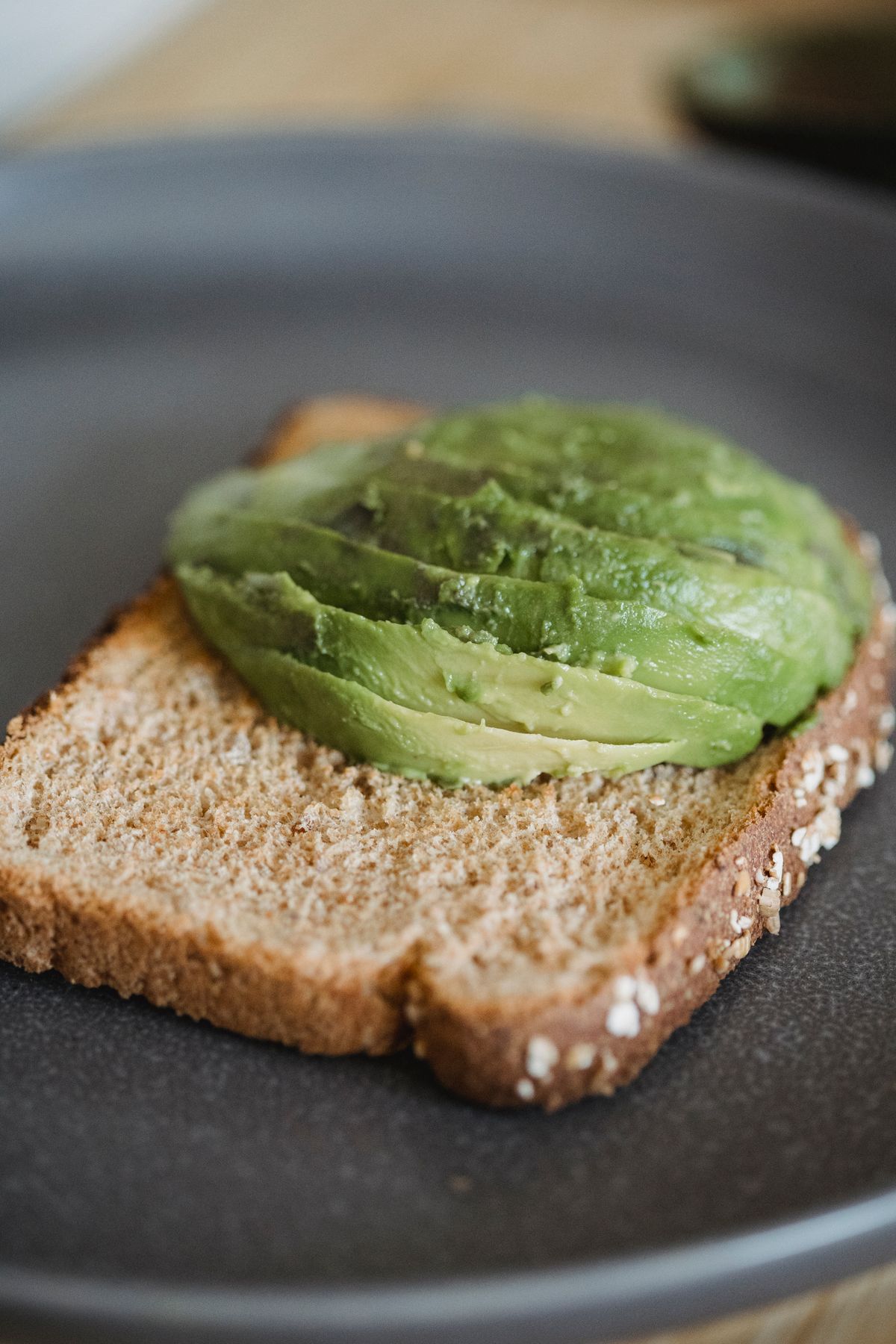
Whole grain toast topped with sliced avocado on a plate

One slice, open-faced, with fat and fiber on top. This is the format that keeps bread in a diabetic diet.

Common questions

Can diabetics eat bread at all?

Yes. Bread is not banned with diabetes; the type and the portion decide everything. Dense whole grain, sprouted, rye, and real sourdough breads at 1-2 slices per meal fit in most diabetic meal plans. What does not fit is refined white bread in uncounted quantities. Confirm specifics with your care team, especially if you dose insulin by carb count.

What is the single best bread for diabetics?

Sprouted whole grain bread (Ezekiel 4:9 is the classic) is the safest default: intact sprouted grains, around 15g carbs and 3g fiber per slice, no added sugar, and more protein than regular bread. Traditional whole-kernel pumpernickel and 100% whole grain rye are right behind it.

Is sourdough bread good for diabetics?

Real sourdough is one of the better choices. The long fermentation creates acids that slow digestion and lower the glycemic response compared to the same flour unfermented. Whole grain sourdough is the strong version of this; supermarket 'sourdough flavored' white bread keeps only a small part of the benefit.

Is rye bread good for diabetics?

Yes, with one condition: it has to be mostly rye. Whole grain rye and traditional pumpernickel produce a flatter glucose response than wheat bread thanks to viscous rye fiber. US deli and marbled rye are usually white flour with rye flavoring, which erases the advantage.

Is whole wheat bread good for diabetics?

It is acceptable rather than great. 100% whole wheat keeps the fiber and nutrients, but the flour is finely milled, so it still raises glucose at a medium pace. It clearly beats white bread, and sprouted, rye, and sourdough options beat it.

Is Dave's Killer Bread good for diabetics?

The regular slices are hefty: over 20g of carbs each, with several grams of added sugar in some varieties. The thin-sliced versions cut that nearly in half and become a reasonable choice. Check the exact variety's panel; the answer changes between loaves of the same brand.

How many slices of bread can a diabetic eat per day?

There is no universal number, but a common pattern that works is 1-2 slices per meal within your overall carb budget, using breads around 15g carbs per slice. Someone on a 45g-per-meal plan can spend a third of it on good bread and still have room for the rest of the plate.

Free · iOS & Android

Scan a food in 2 seconds. Know if it's healing or hurting you.

Point your camera at any meal, ingredient, or label. Get an instant inflammation score, the science behind it, and better alternatives. All free.

Camera scanAI-powered1–10 scoreBetter swaps
Download Flammy on the App StoreGet Flammy on Google Play