Anti-Inflammatory Diet for Gut Health
10
Foods to eat
8
Foods to avoid
6
Common symptoms
6
Dietary tips
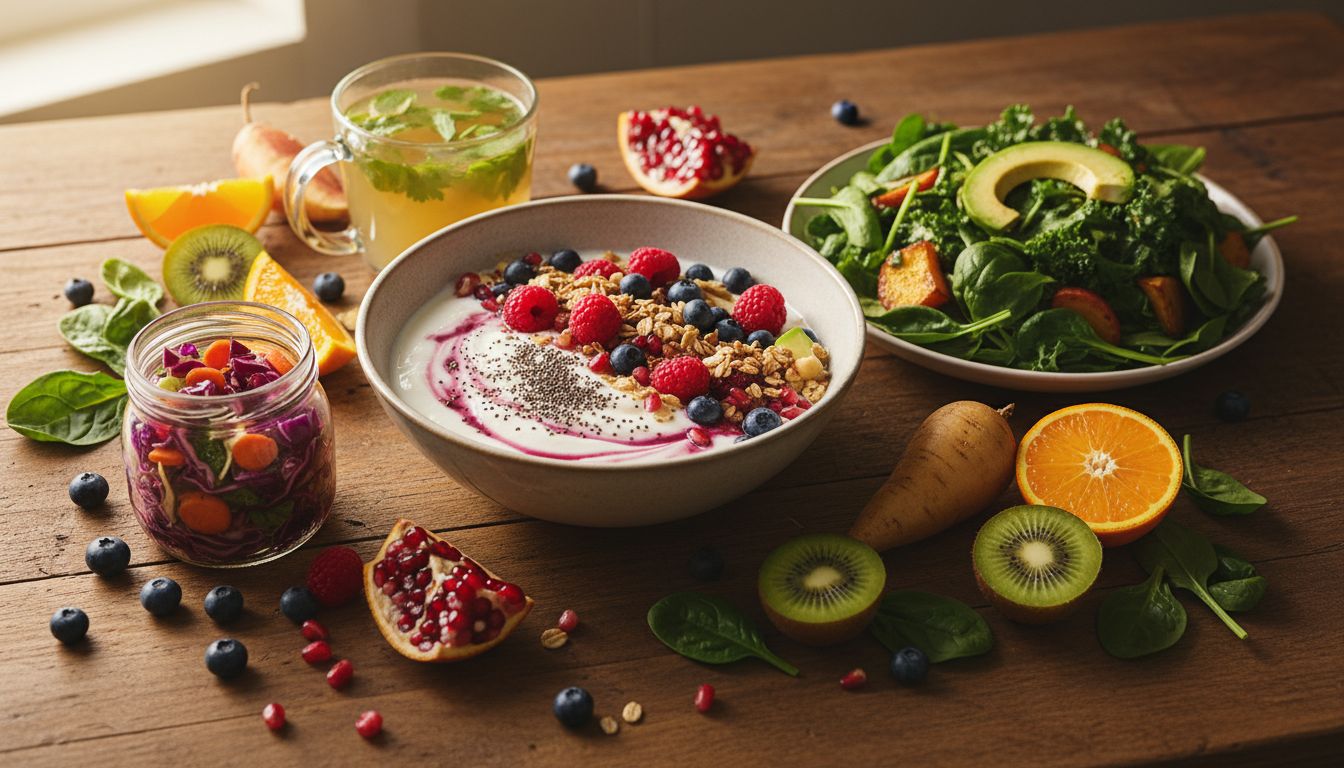
The foods, tips, and strategies to manage gut health through anti-inflammatory eating.
Common symptoms
- Bloating and gas after meals
- Irregular bowel movements
- Food sensitivities or intolerances
- Fatigue and brain fog
- Frequent infections or weakened immunity
- Skin issues like acne or rashes
At a glance
Eat 10 inflammation-fighting foods, limit 8 known triggers, and follow 6 dietary tips to help manage gut health.
Understanding Gut Health & Inflammation
Gut health refers to the balance and function of the gastrointestinal tract, including the diverse community of microorganisms known as the gut microbiome. A healthy gut is essential for proper digestion, nutrient absorption, immune function, and even mental health through the gut-brain axis. When the gut microbiome becomes imbalanced (dysbiosis), it can trigger chronic inflammation throughout the body.
The foods you eat directly shape your gut microbiome composition. Fiber-rich foods, fermented foods, and polyphenol-rich plant foods promote the growth of beneficial bacteria that produce short-chain fatty acids (SCFAs) — powerful anti-inflammatory compounds. Conversely, diets high in processed foods, sugar, and artificial additives can damage the gut lining and promote harmful bacterial overgrowth.
Healing the gut through diet involves reducing inflammatory triggers, rebuilding the intestinal lining, and repopulating beneficial bacteria. This three-pronged approach — often called "remove, repair, repopulate" — can lead to improvements in digestion, energy levels, skin health, and immune function within weeks of consistent dietary changes.
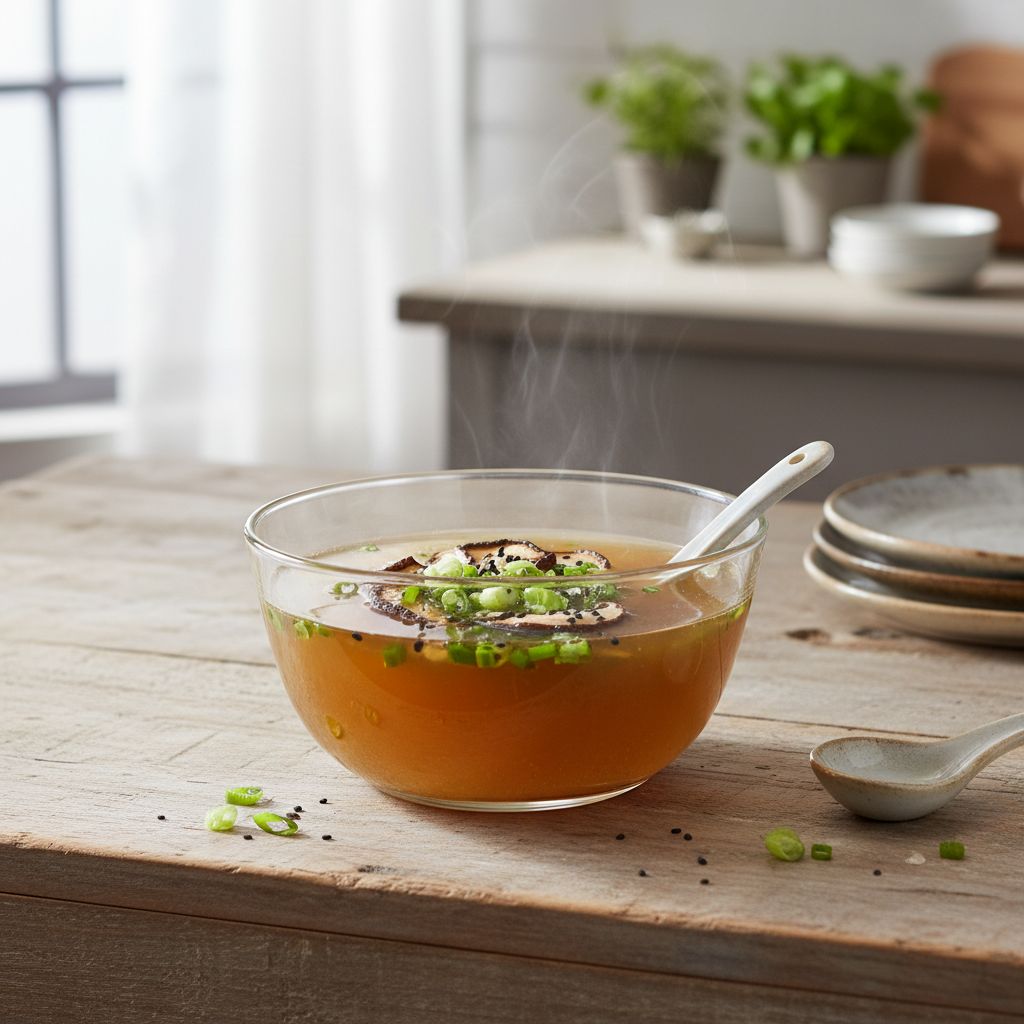
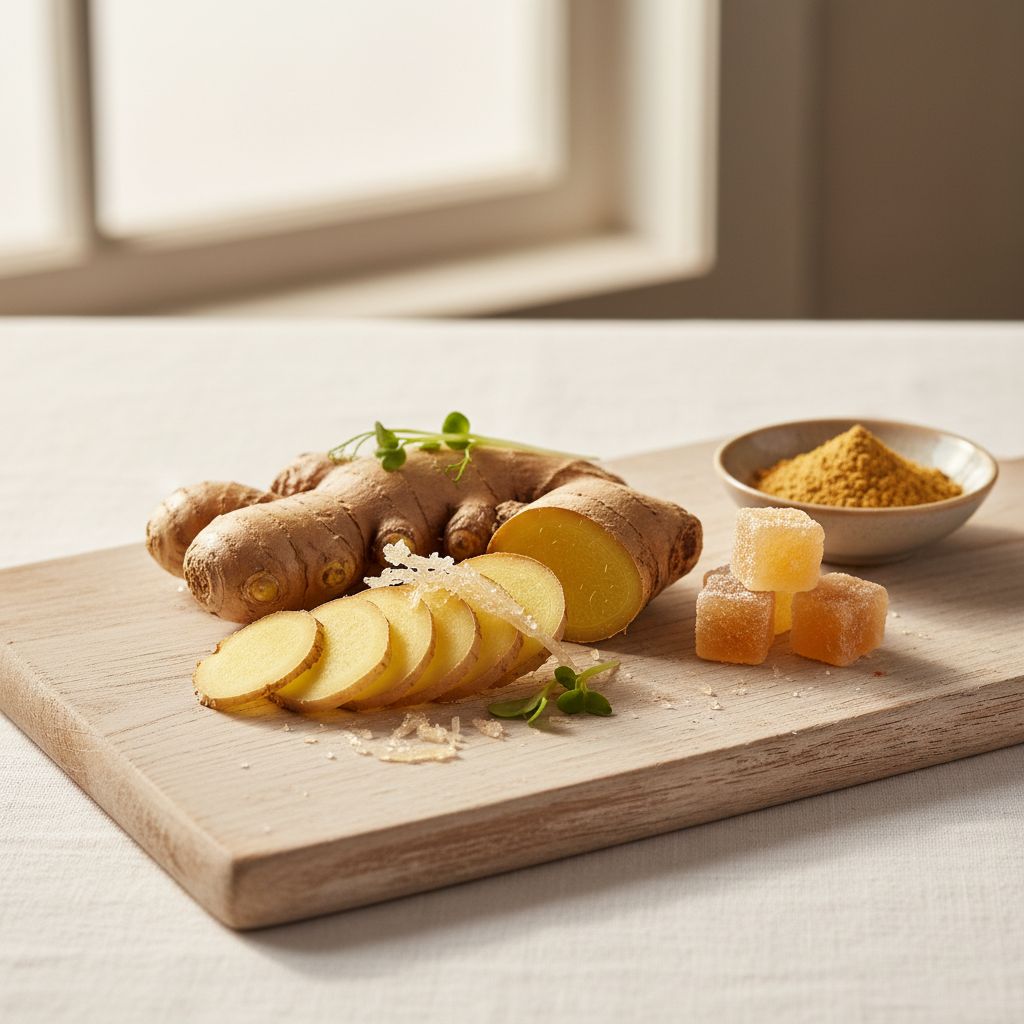
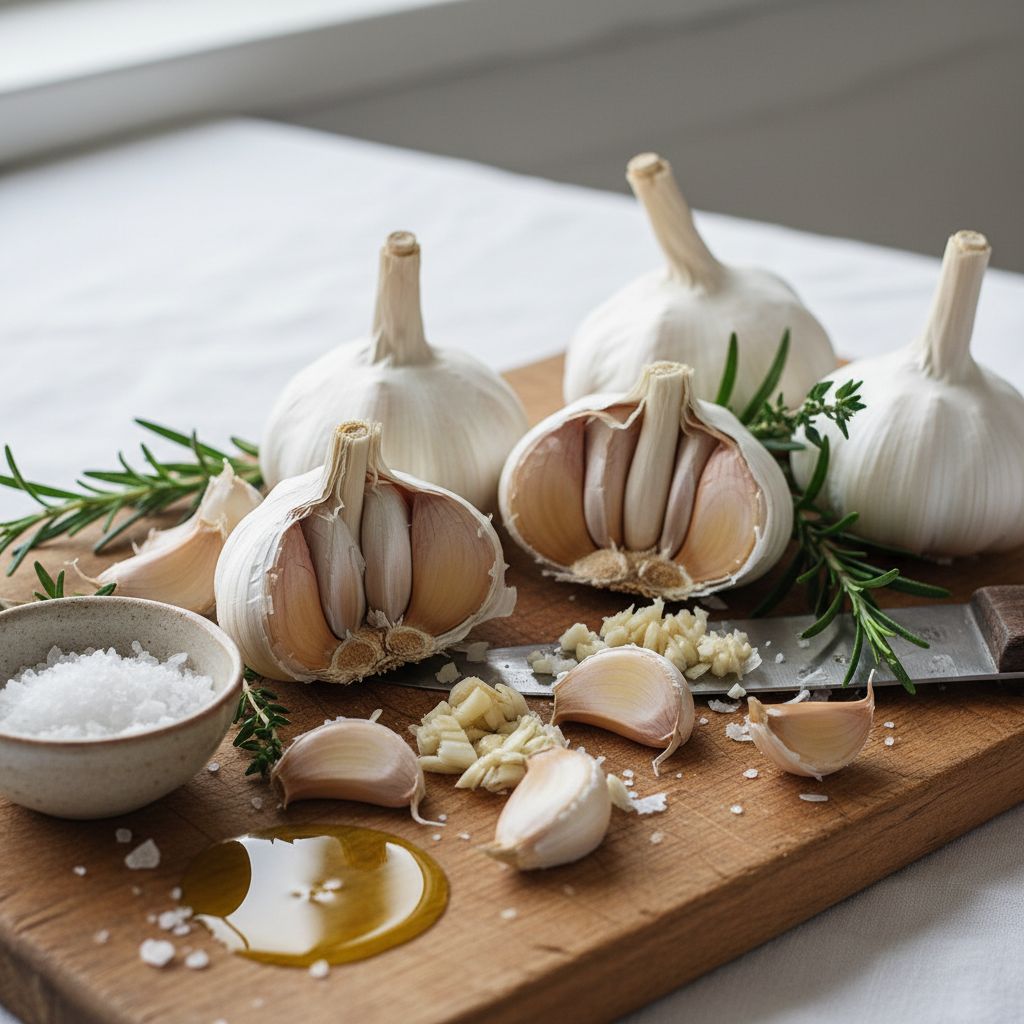
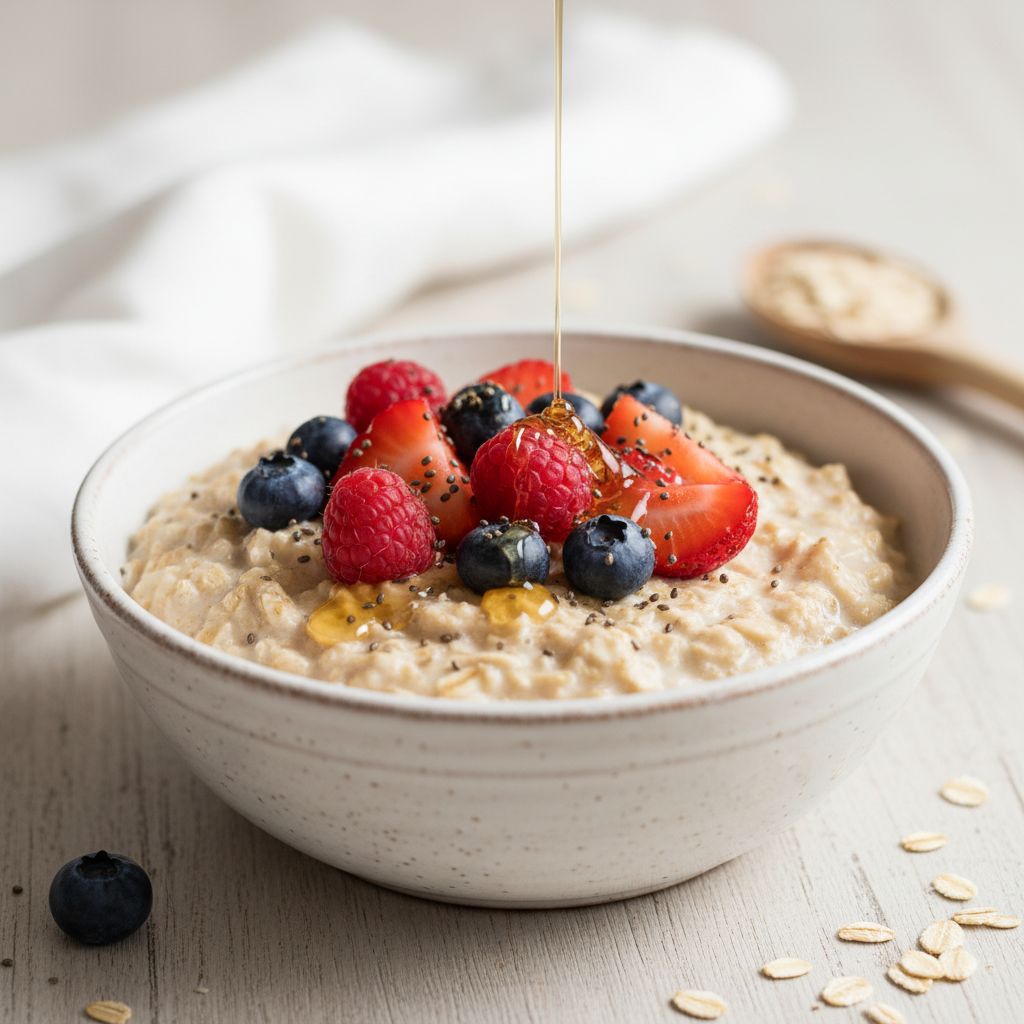
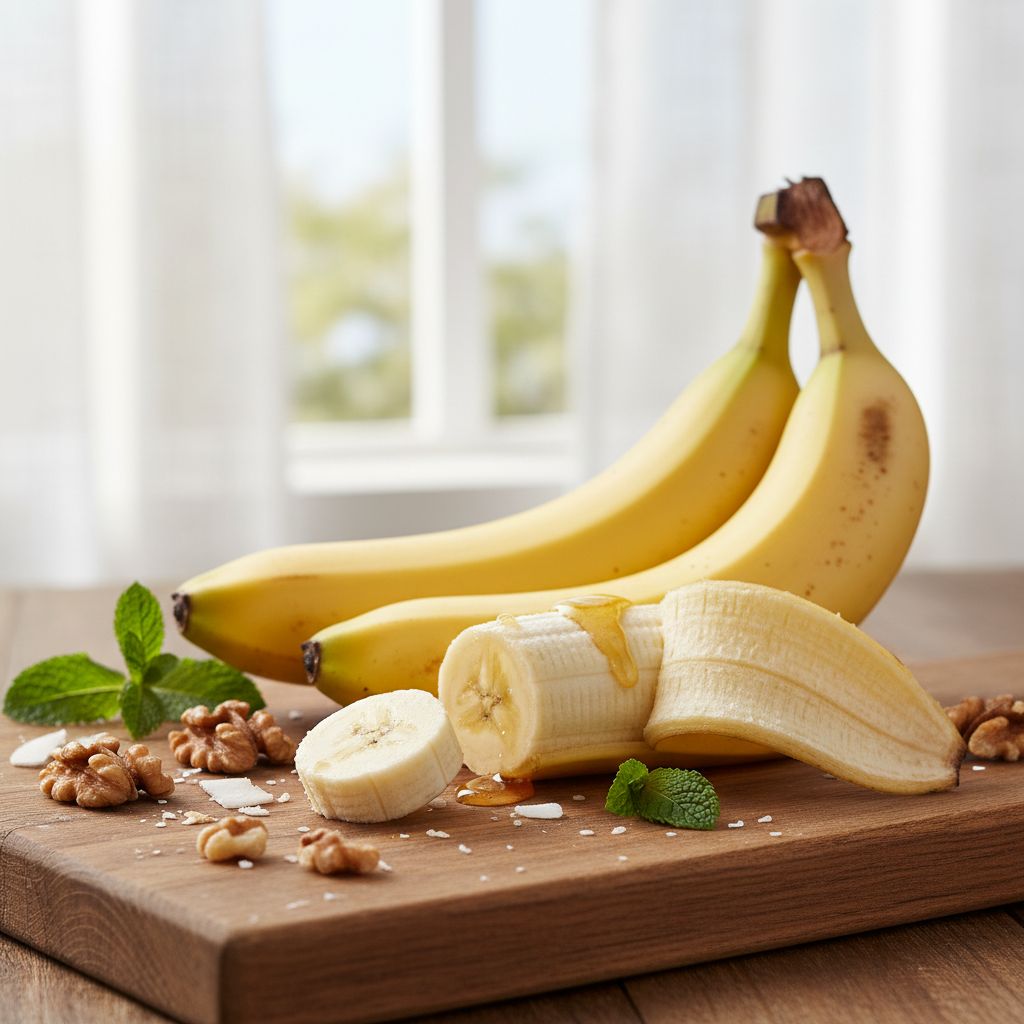
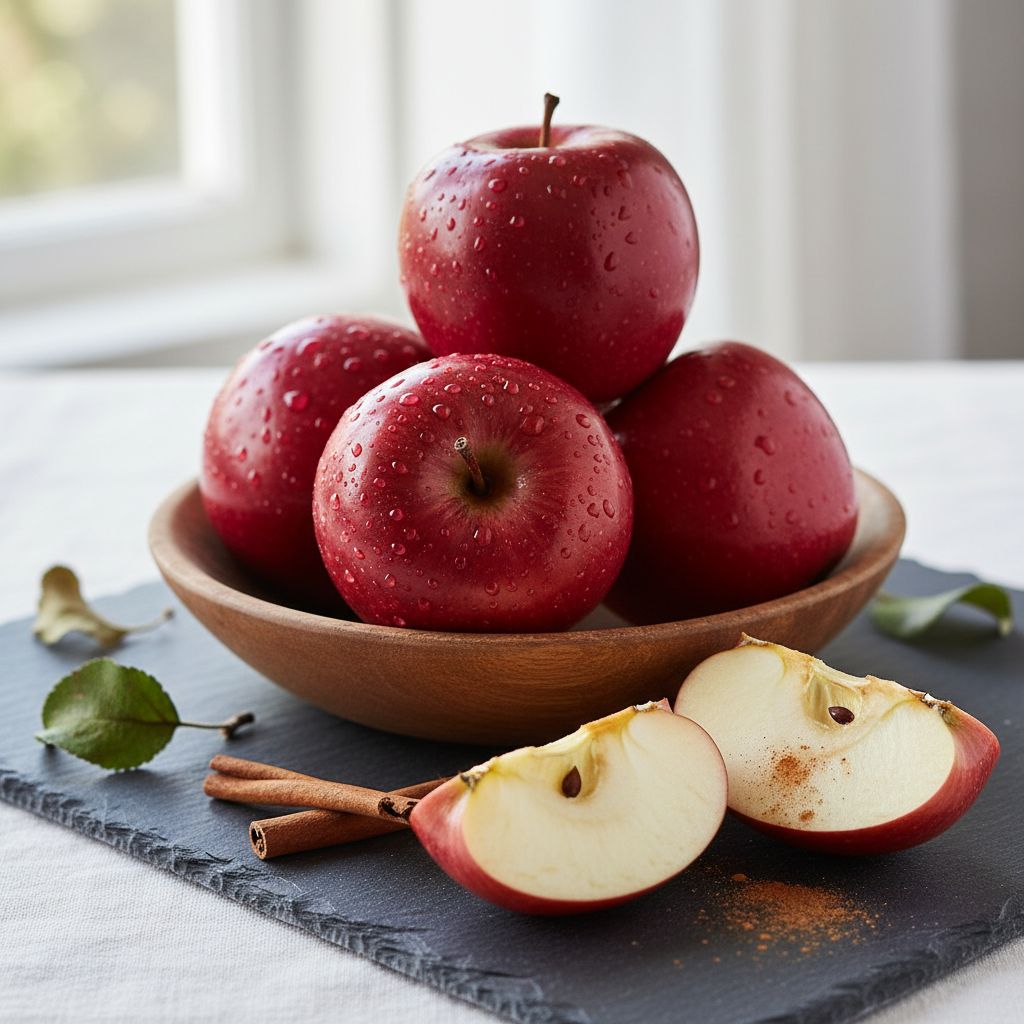
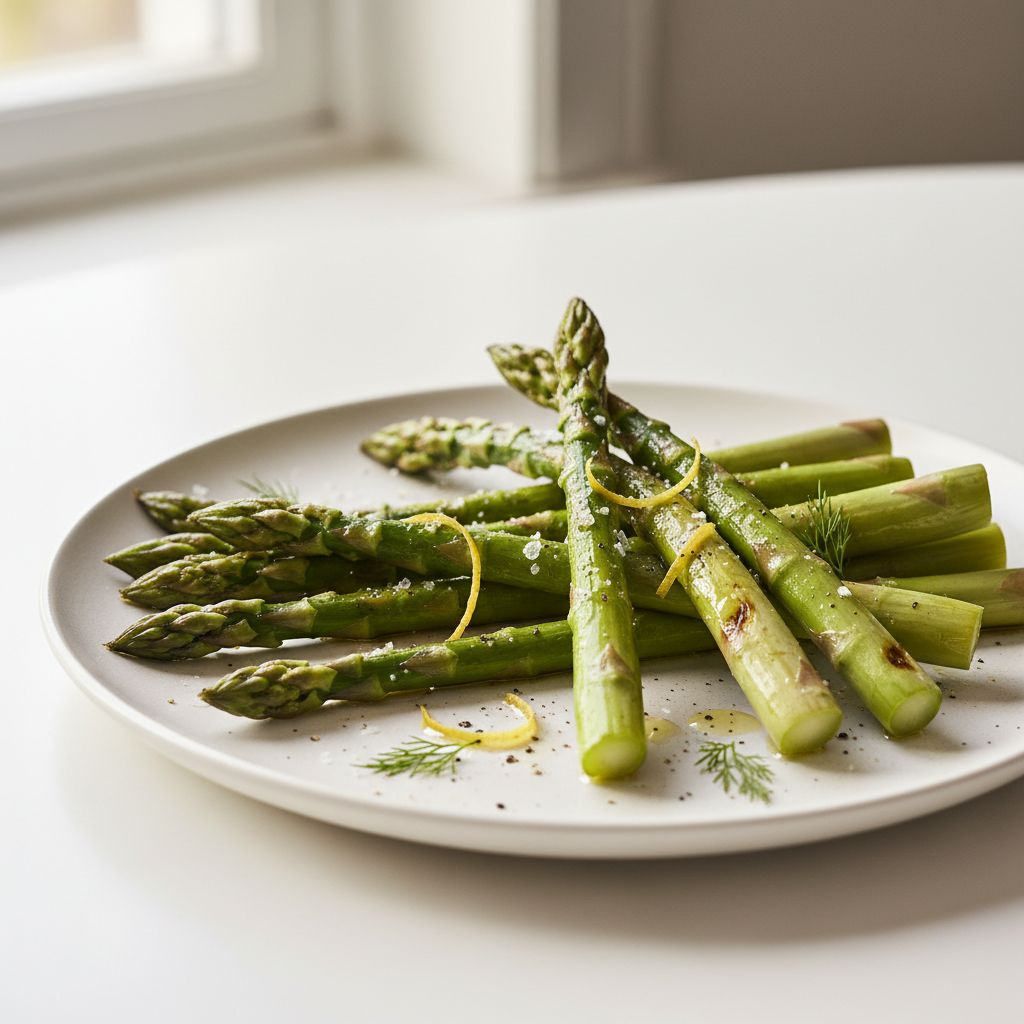
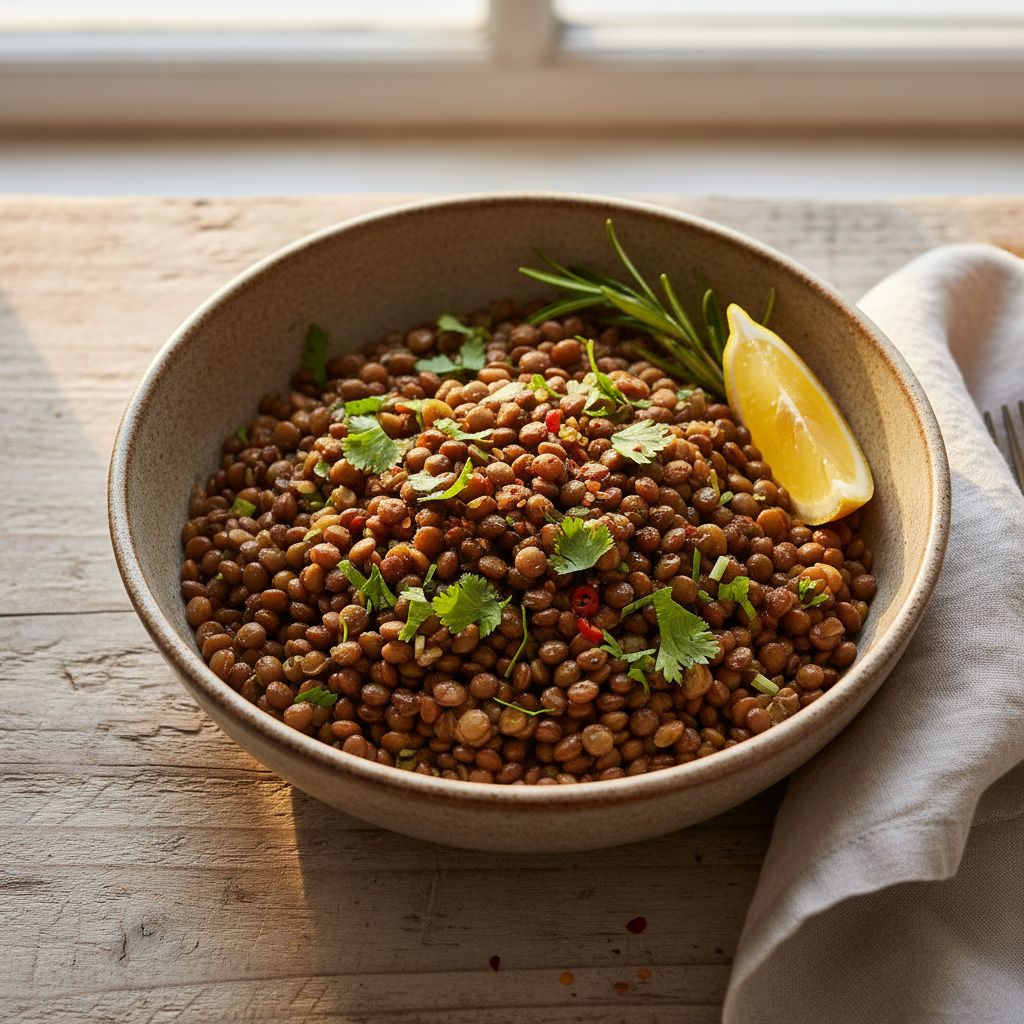
Foods to eat
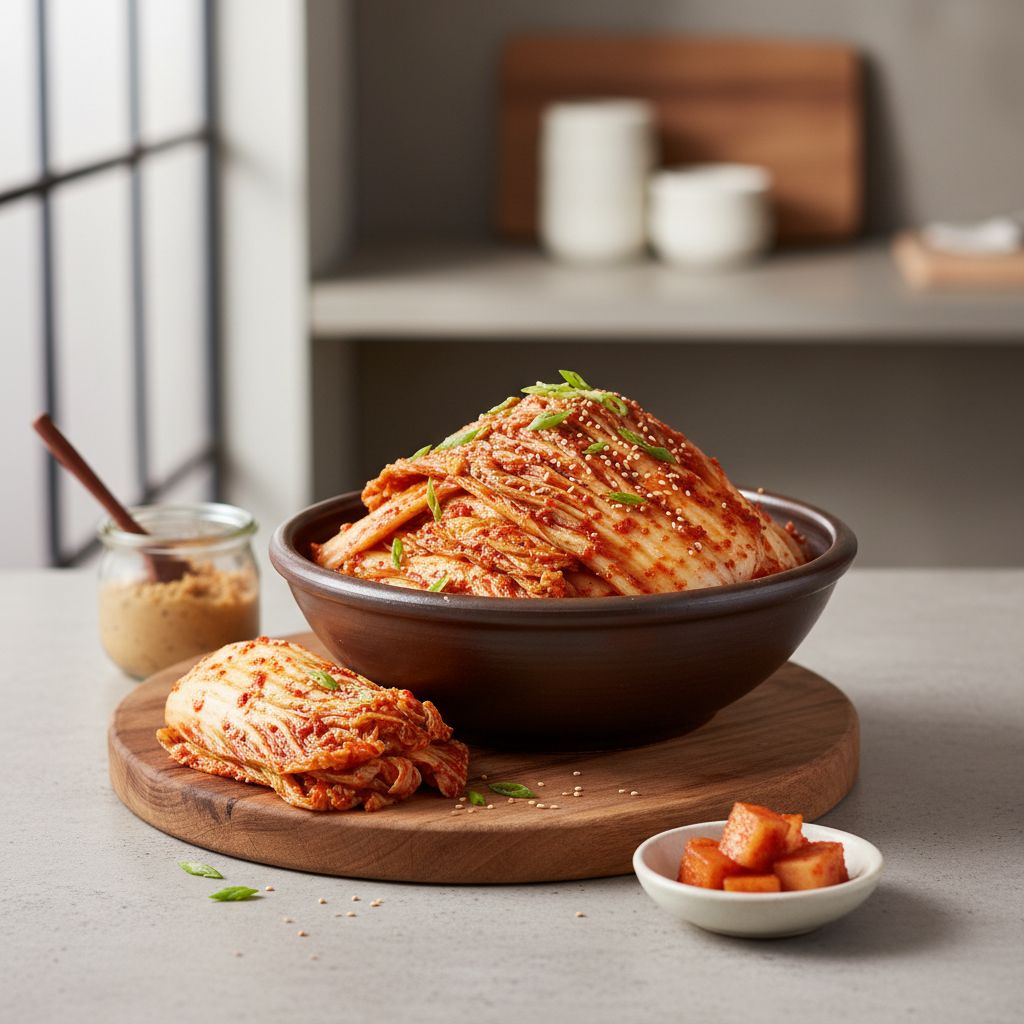
These foods have been shown to help reduce inflammation associated with gut health.
Foods to avoid
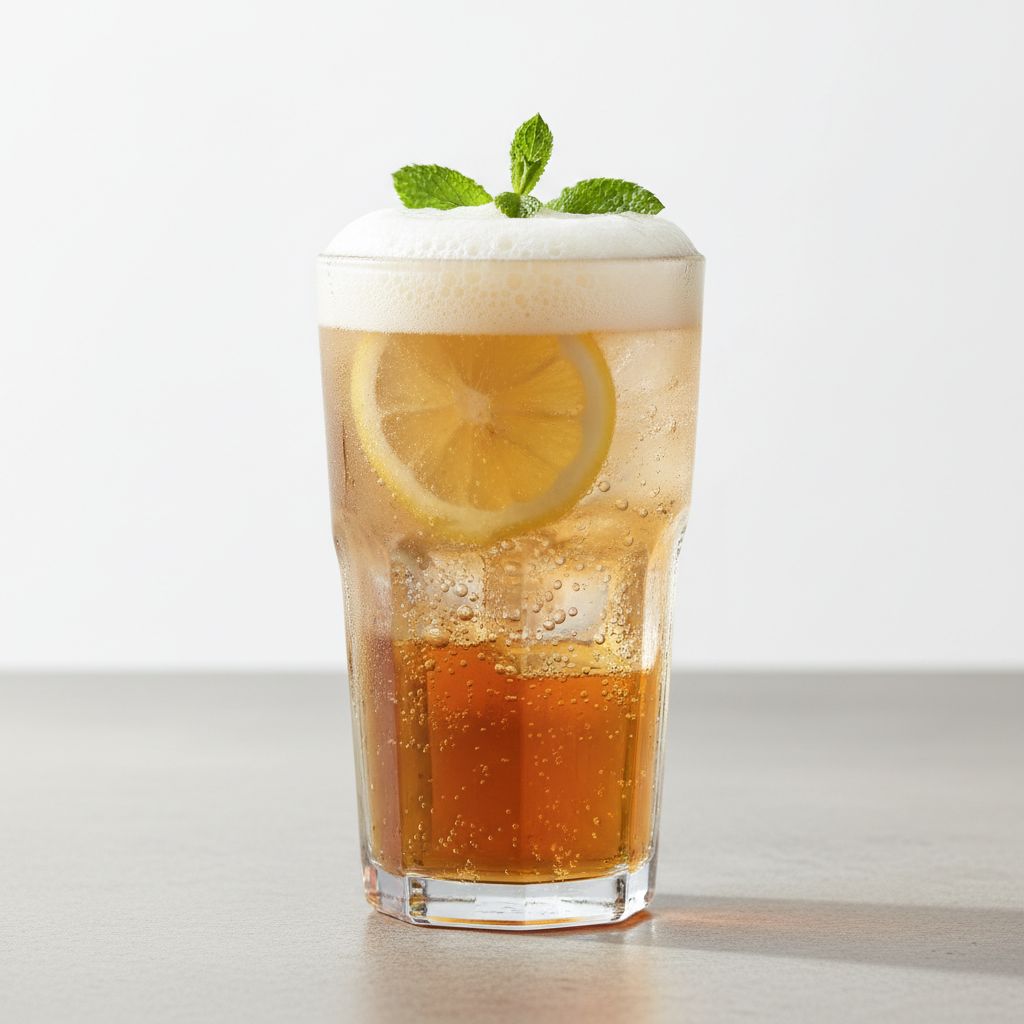
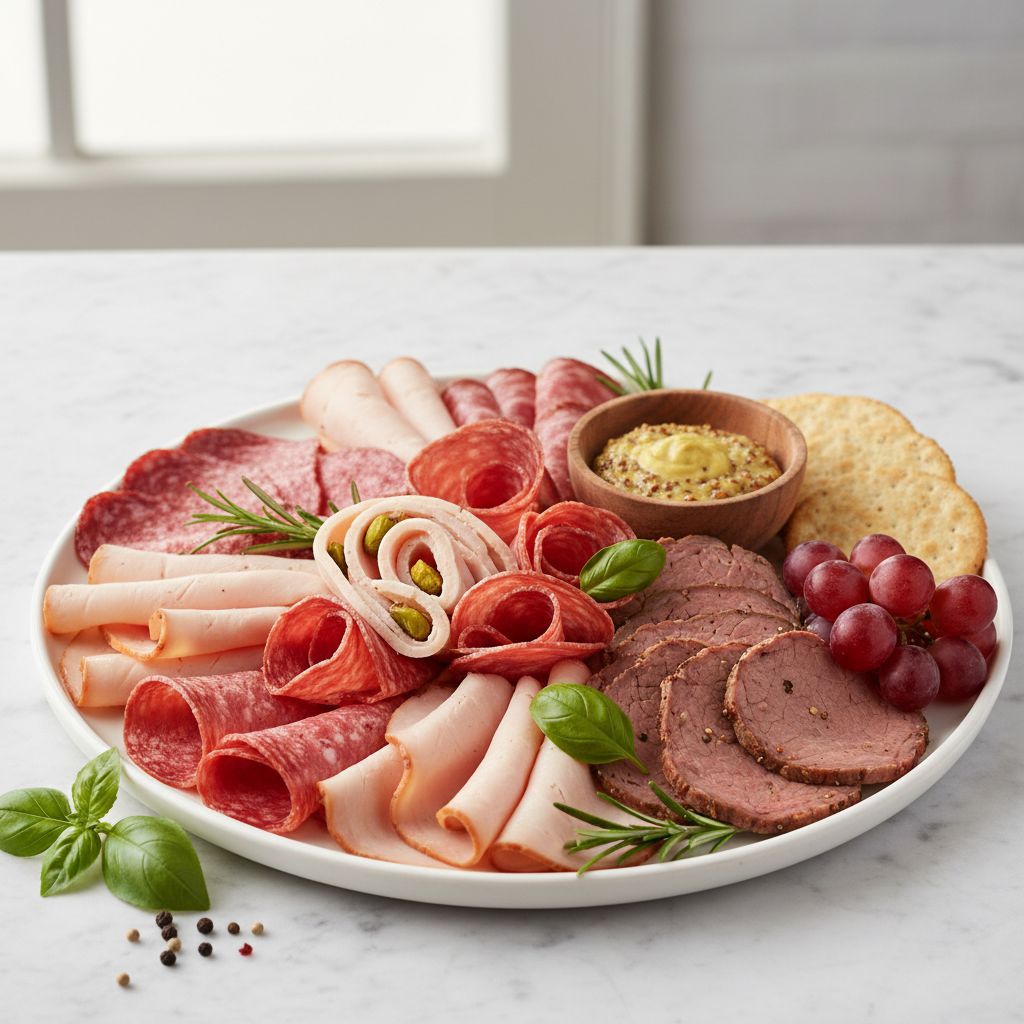
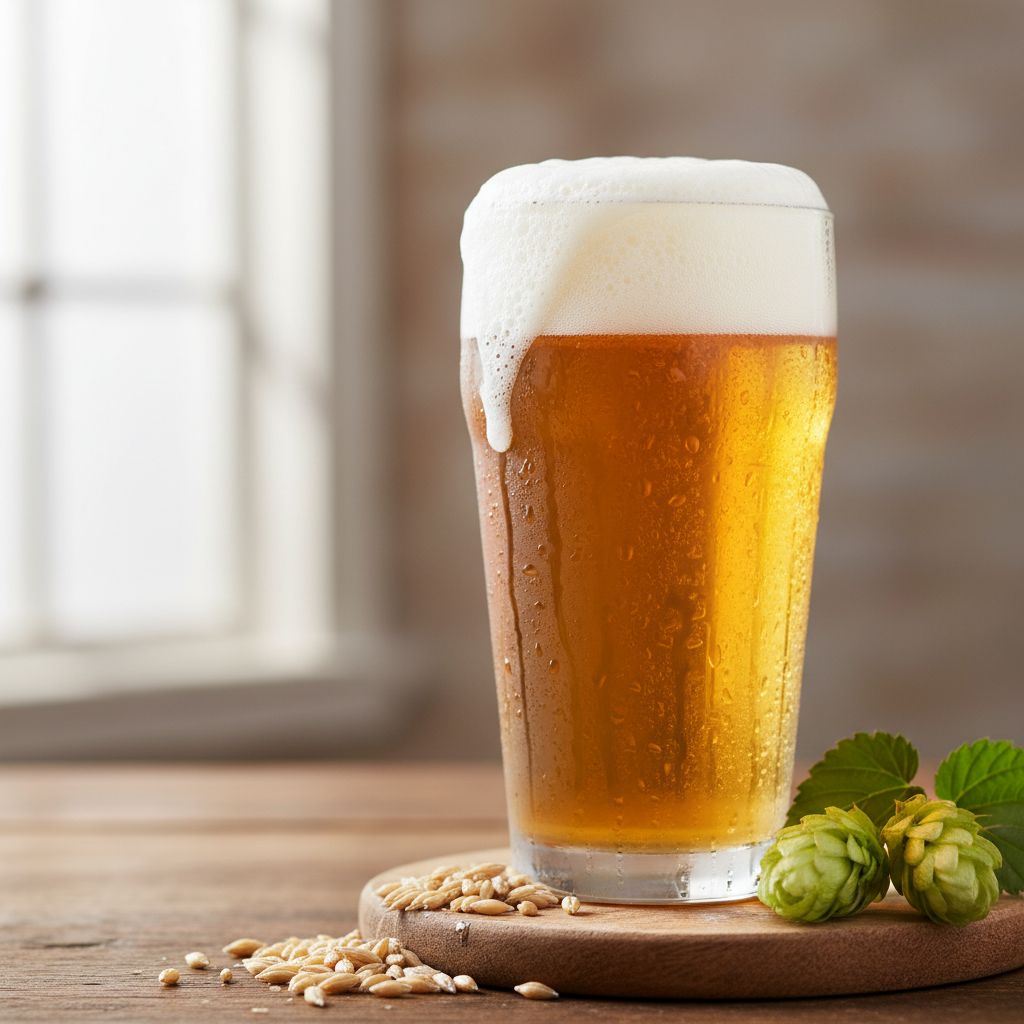
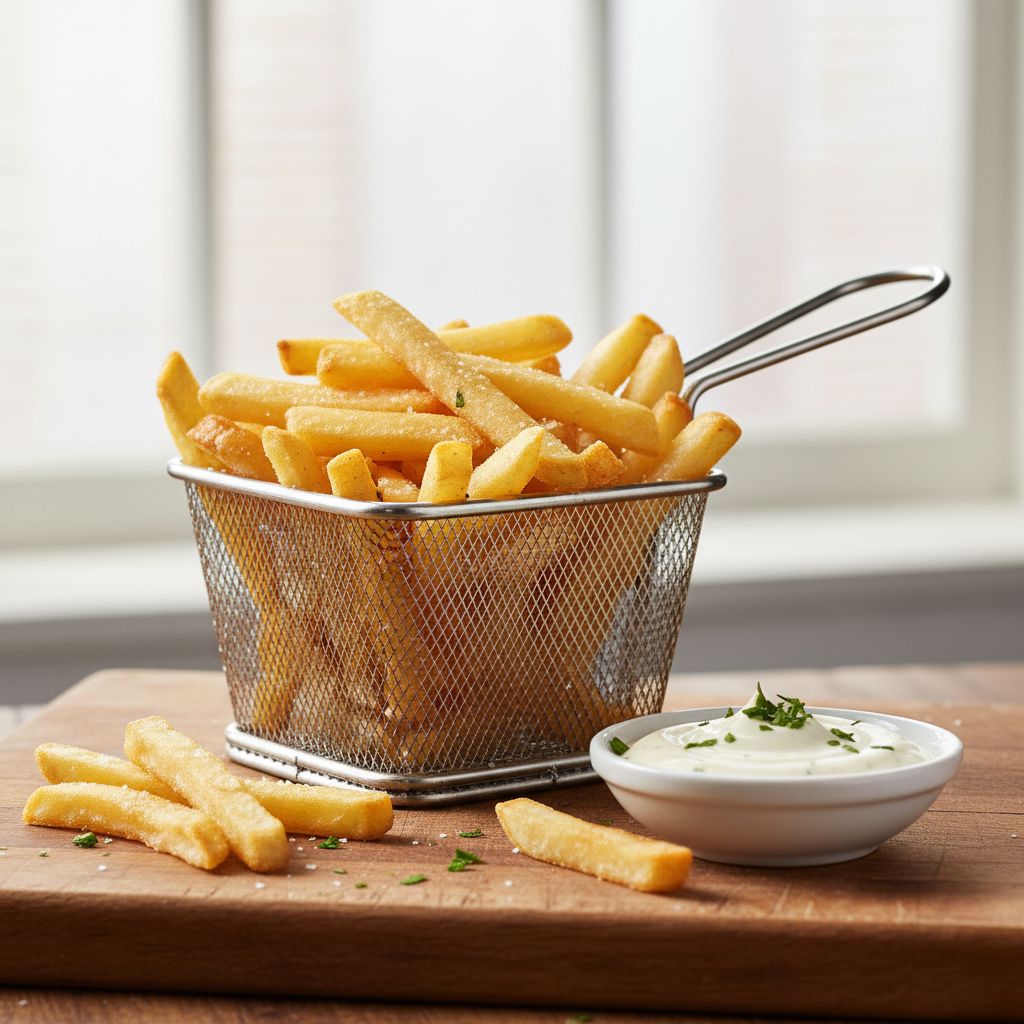
These inflammatory foods can worsen gut health symptoms and should be limited or eliminated.




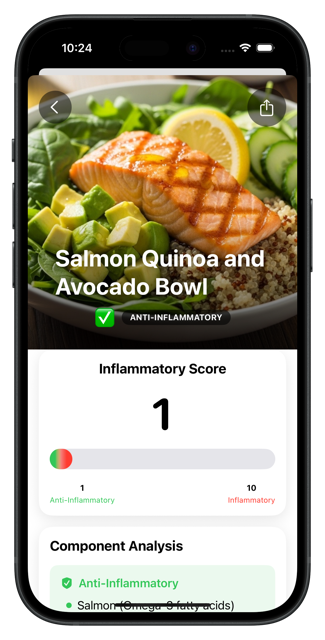
Get instant inflammation scores in your pocket
Scan any food with your camera, track your daily score, and get healthier swaps. Free on iOS & Android.


Dietary Tips for Gut Health
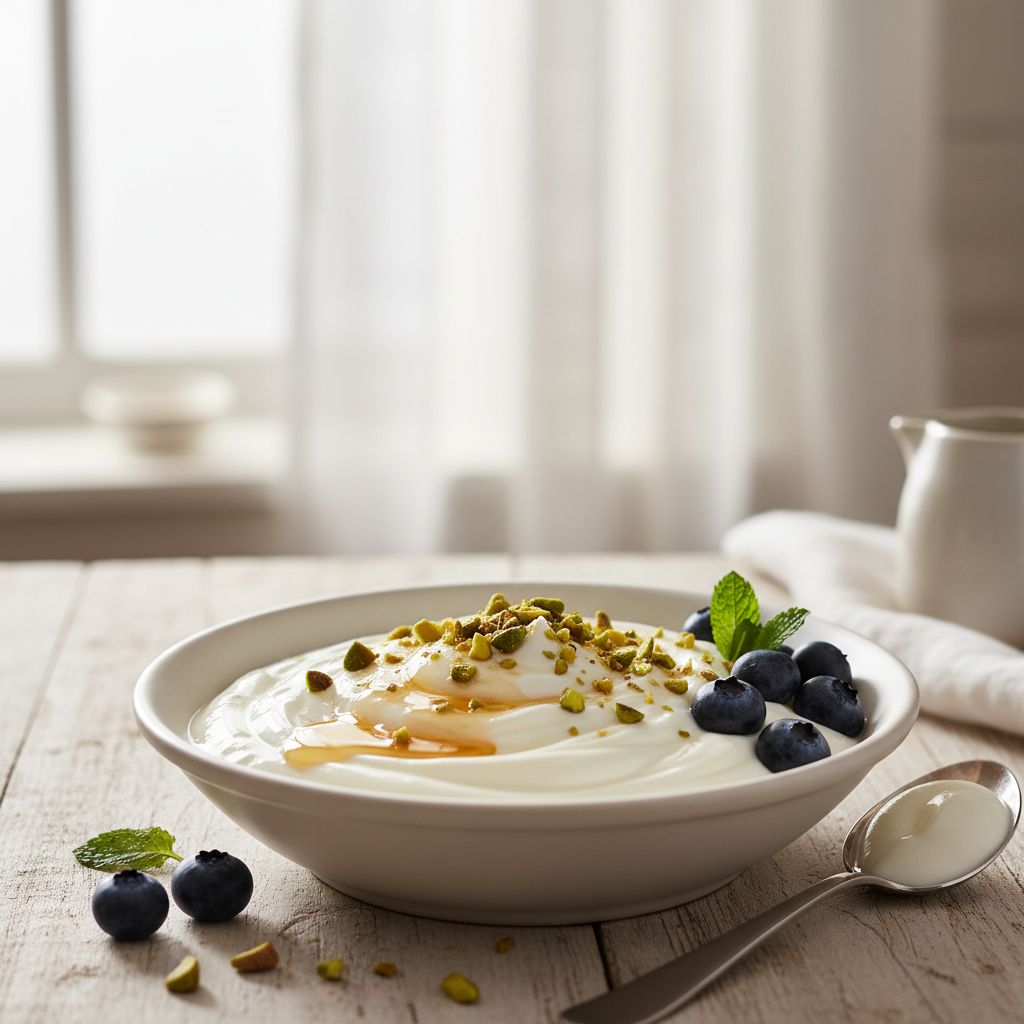
Eat fermented foods like kimchi or yogurt daily to introduce beneficial probiotics.
Include prebiotic-rich foods like garlic, asparagus, and bananas to feed good bacteria.
Drink bone broth regularly for its gut-lining-supporting amino acids like glutamine.
Chew food thoroughly and eat mindfully to improve digestion and nutrient absorption.
Avoid artificial sweeteners and emulsifiers which can disrupt the gut microbiome.
Increase fiber intake gradually from whole grains, legumes, and vegetables.
Frequently Asked Questions
Q.How long does it take to improve gut health with diet?
Most people notice initial improvements in digestive symptoms within 2-4 weeks of adopting an anti-inflammatory gut-healing diet. However, fully reshaping the gut microbiome can take 3-6 months of consistent dietary changes. Fermented foods and fiber-rich foods produce the fastest noticeable improvements.
Q.What are the best anti-inflammatory foods for gut health?
The best anti-inflammatory foods for gut health include fermented foods (kimchi, yogurt, kefir), prebiotic-rich foods (garlic, asparagus, bananas, oats), bone broth for gut lining repair, and ginger for reducing intestinal inflammation. A diverse plant-based diet supports the widest range of beneficial gut bacteria.
Q.Can a leaky gut cause inflammation throughout the body?
Yes, increased intestinal permeability (leaky gut) allows bacteria and toxins to pass through the gut lining into the bloodstream, triggering systemic inflammation. This can contribute to autoimmune conditions, skin problems, joint pain, and brain fog. Healing the gut lining with proper nutrition is key to reducing this whole-body inflammation.
Educational content. Not medical advice.
Information on this page is for educational purposes only. It is not a substitute for professional medical advice, diagnosis, or treatment. Consult your healthcare provider before changing your diet, especially if you have a medical condition, take medications, or are pregnant or breastfeeding. Read the full disclaimer.
Scan a food in 2 seconds. Know if it's healing or hurting you.
Point your camera at any meal, ingredient, or label. Get an instant inflammation score, the science behind it, and better alternatives. All free.