
Anti-Inflammatory Diet for Arthritis
10
Foods to eat
8
Foods to avoid
6
Common symptoms
6
Dietary tips
The foods, tips, and strategies to manage arthritis through anti-inflammatory eating.
Common symptoms
- Joint pain and tenderness
- Swelling and inflammation in joints
- Morning stiffness lasting 30+ minutes
- Reduced range of motion
- Fatigue and low energy
- Warmth and redness around affected joints
At a glance
Eat 10 inflammation-fighting foods, limit 8 known triggers, and follow 6 dietary tips to help manage arthritis.
Understanding Arthritis & Inflammation
Arthritis is a chronic inflammatory condition affecting the joints, causing pain, swelling, and stiffness that can significantly impact daily life. Rheumatoid arthritis, in particular, is an autoimmune disorder where the immune system mistakenly attacks joint tissues, while osteoarthritis involves the gradual breakdown of cartilage. Both forms are closely linked to systemic inflammation in the body.
Diet plays a crucial role in managing arthritis symptoms. Research shows that foods rich in omega-3 fatty acids, antioxidants, and polyphenols can help reduce inflammatory markers like C-reactive protein (CRP) and interleukin-6 (IL-6). The Mediterranean diet has been extensively studied and shown to reduce joint pain and morning stiffness in arthritis patients.
By focusing on anti-inflammatory foods and eliminating known dietary triggers, many people with arthritis experience meaningful improvements in pain levels, joint mobility, and overall quality of life. Consistency is key — maintaining an anti-inflammatory diet over weeks and months produces the most significant benefits.
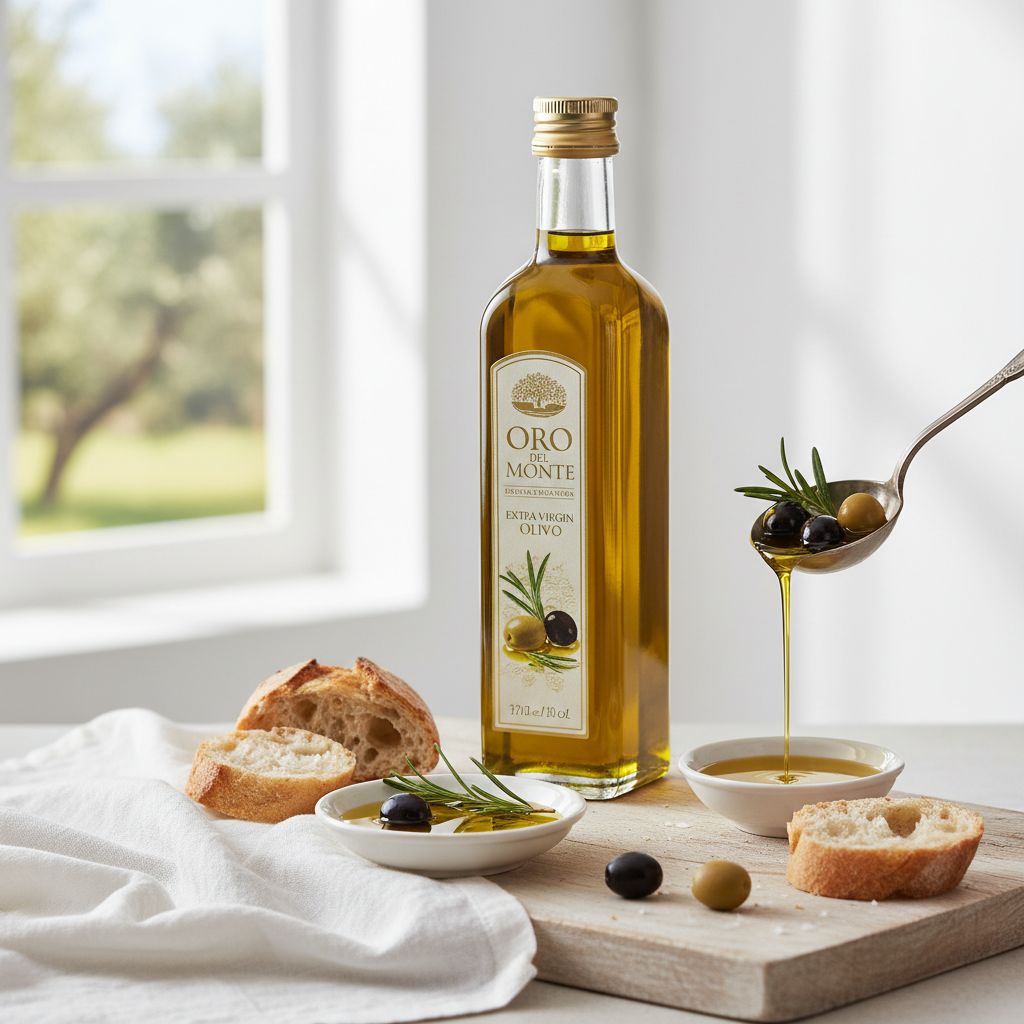
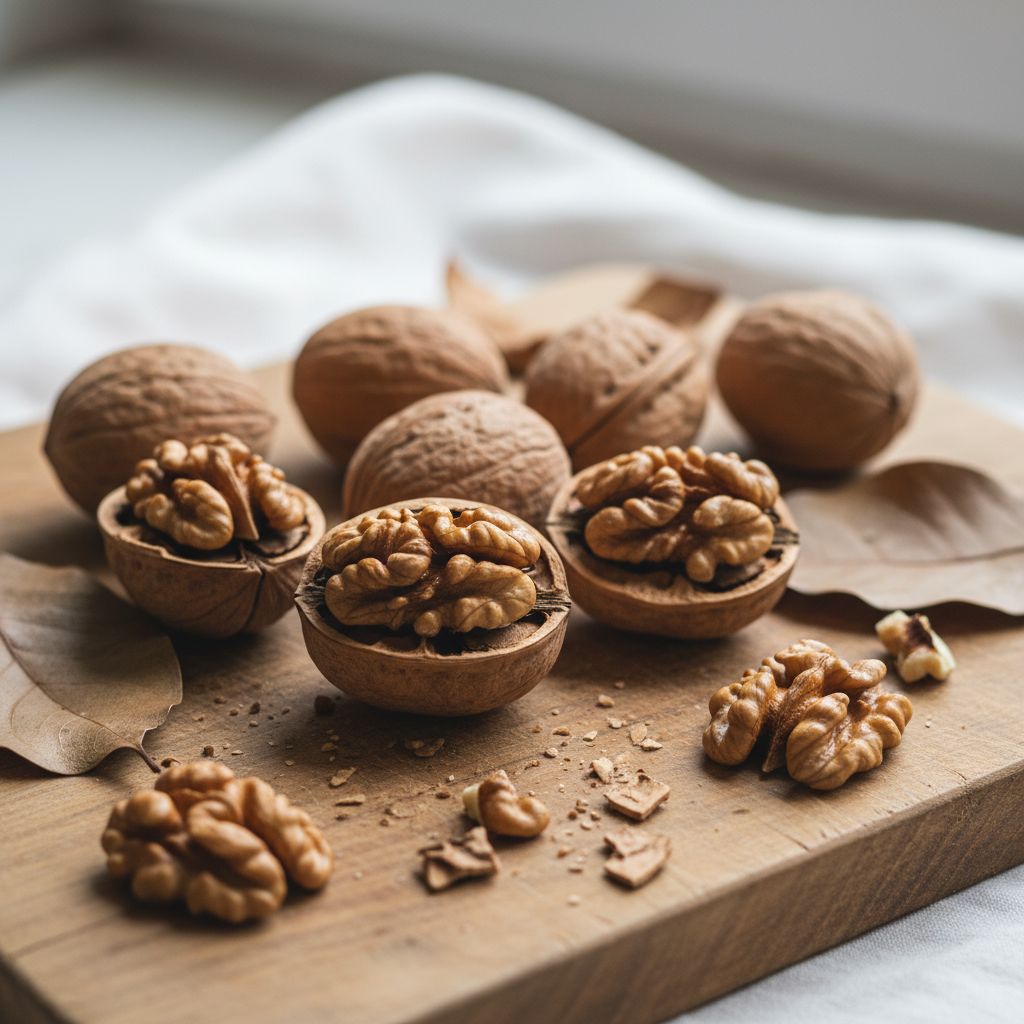
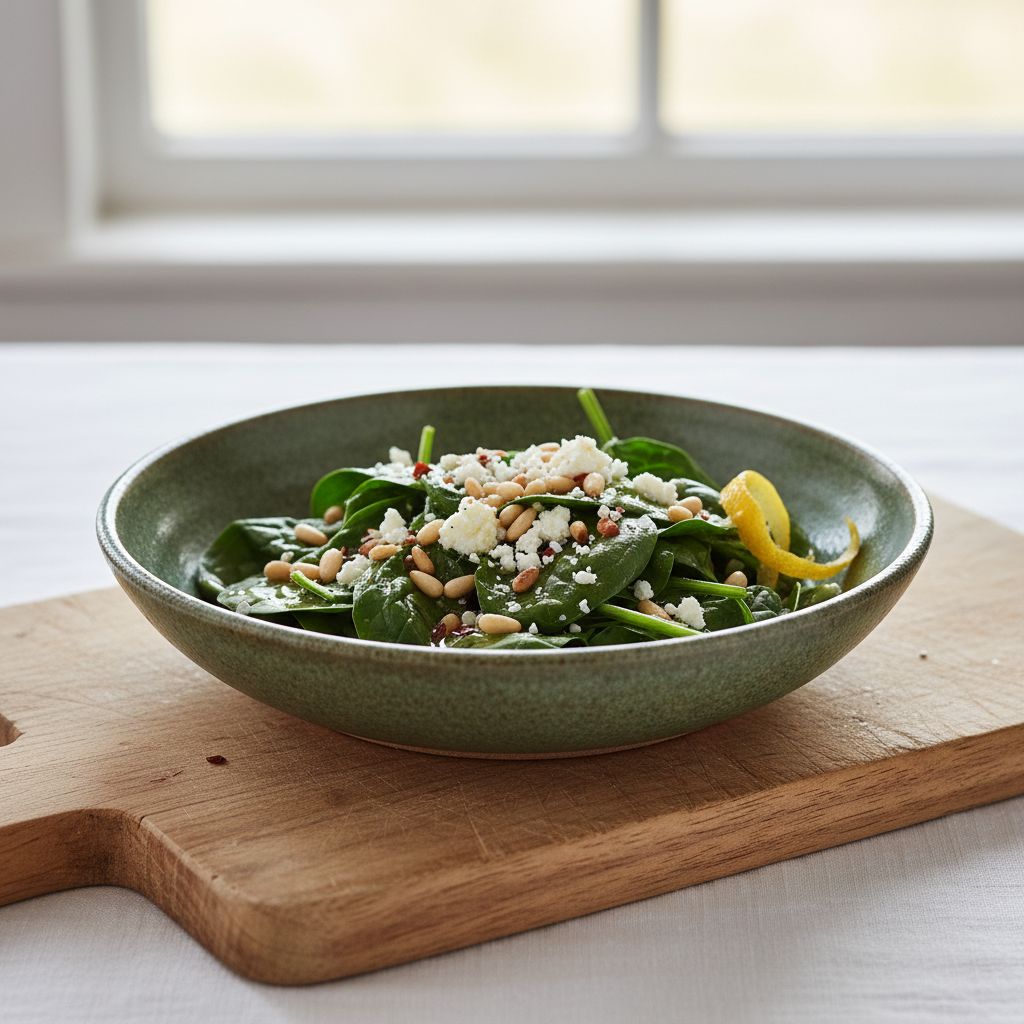
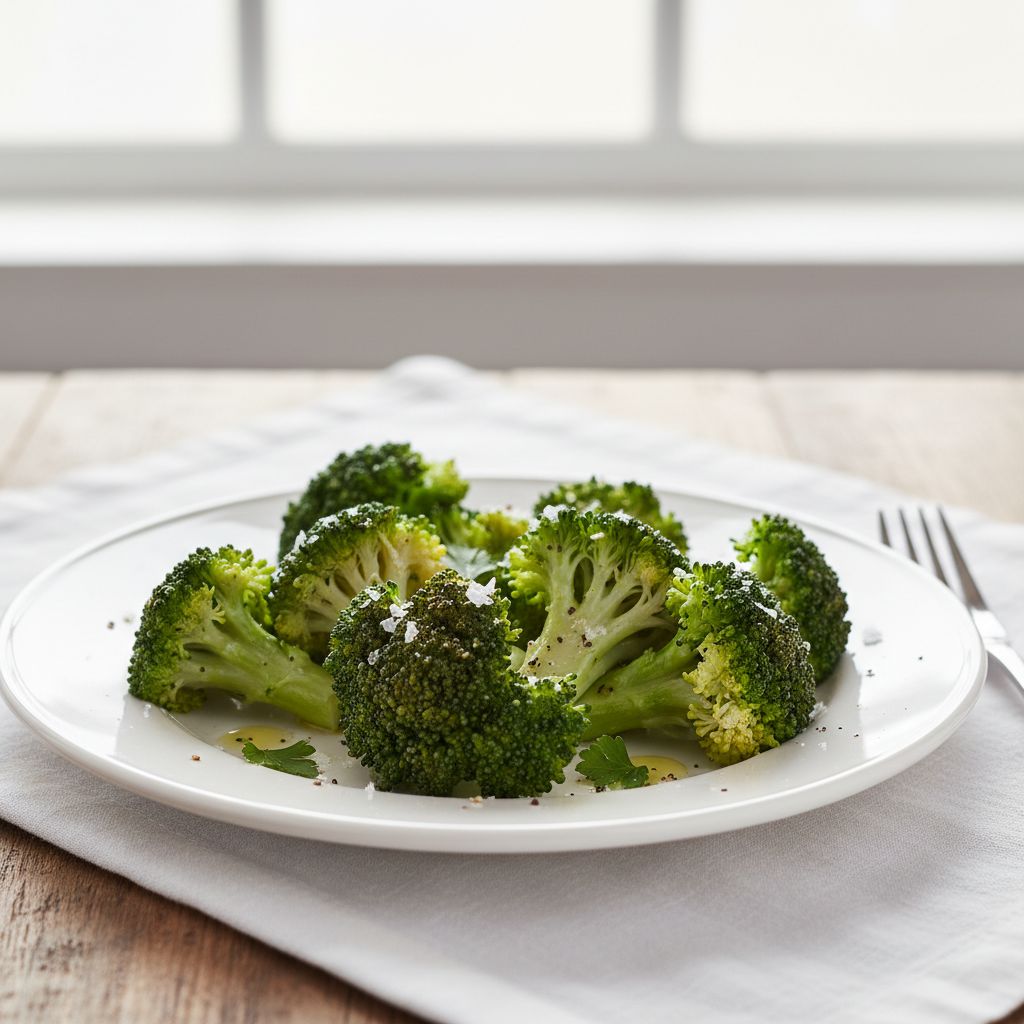
Foods to eat
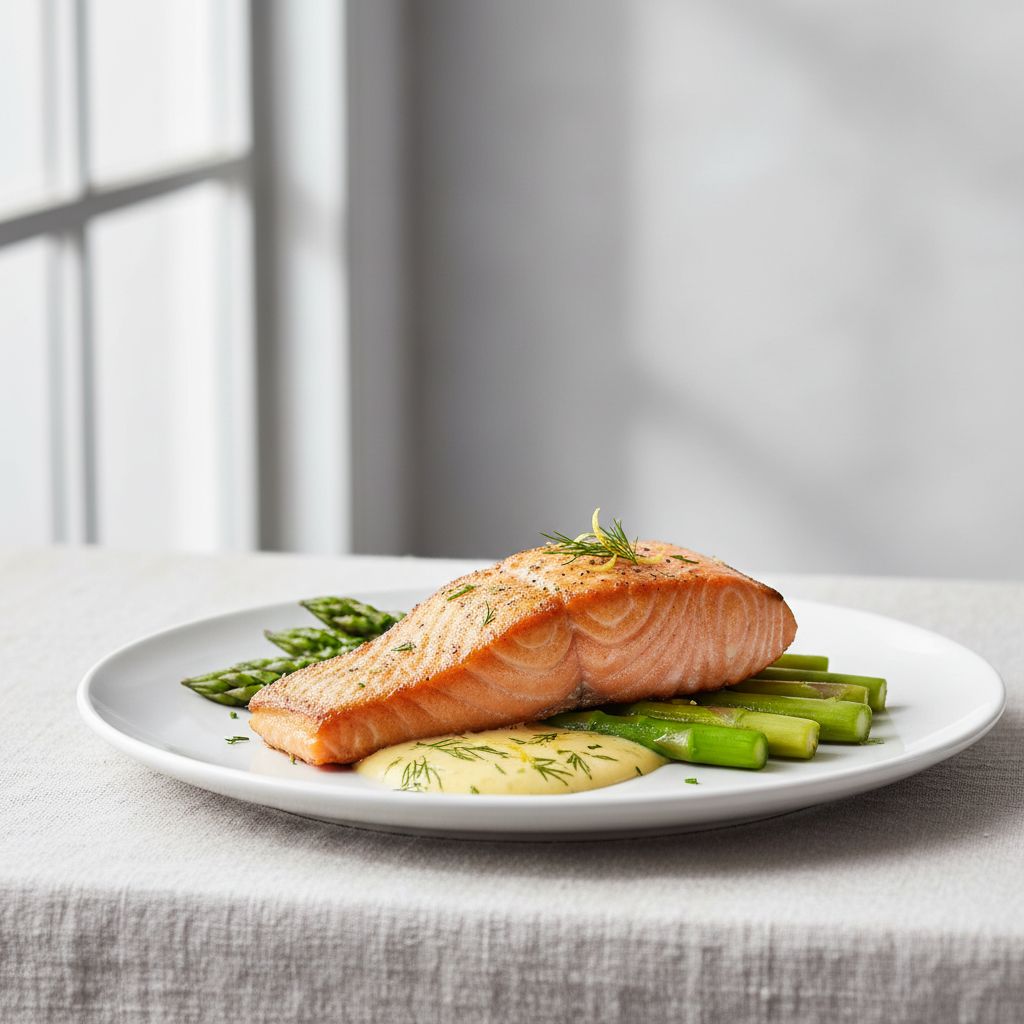
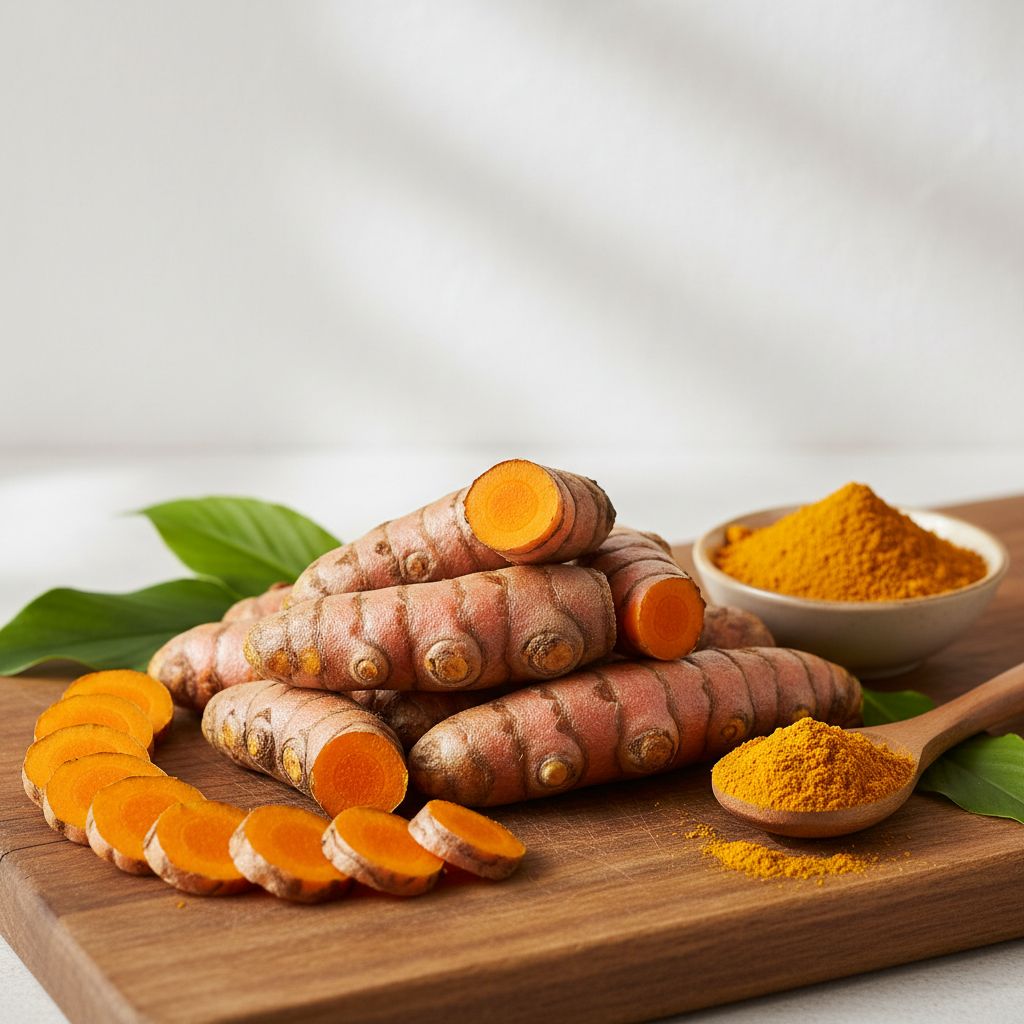
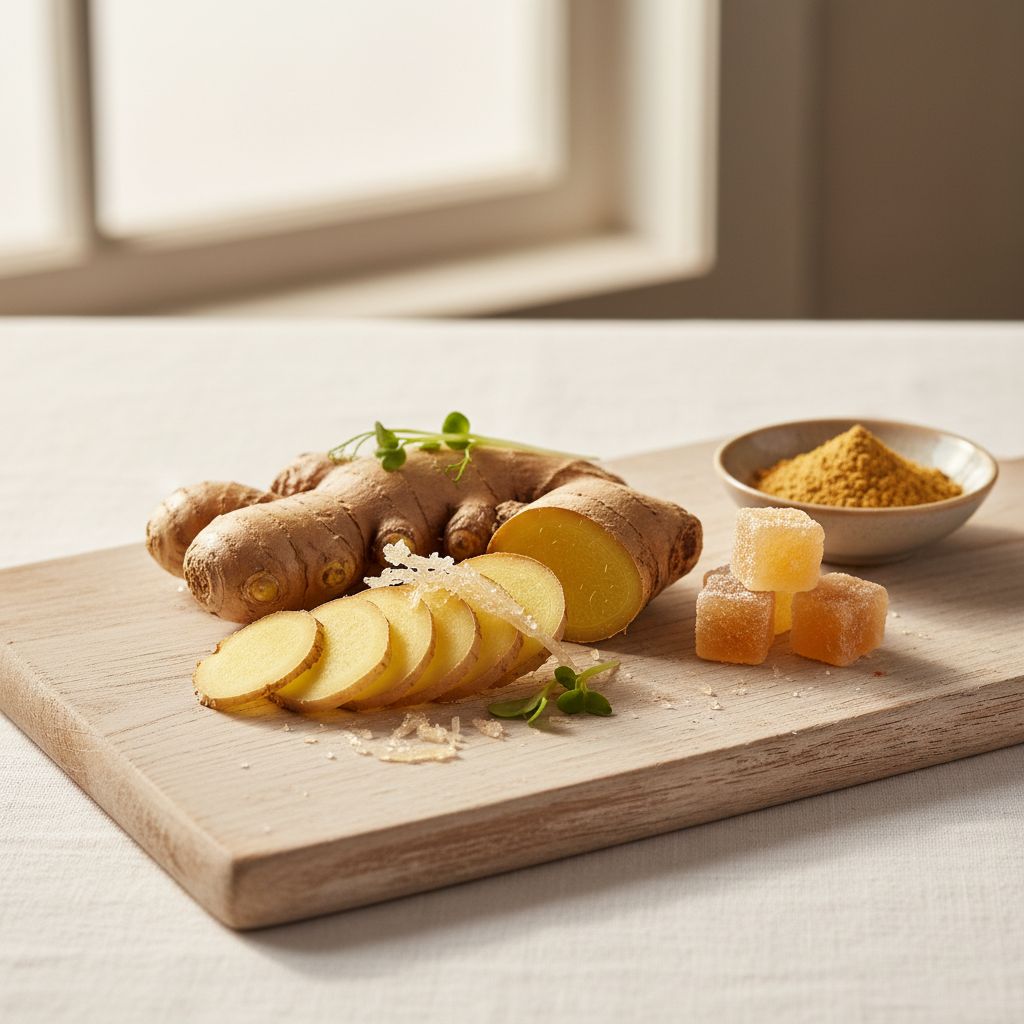
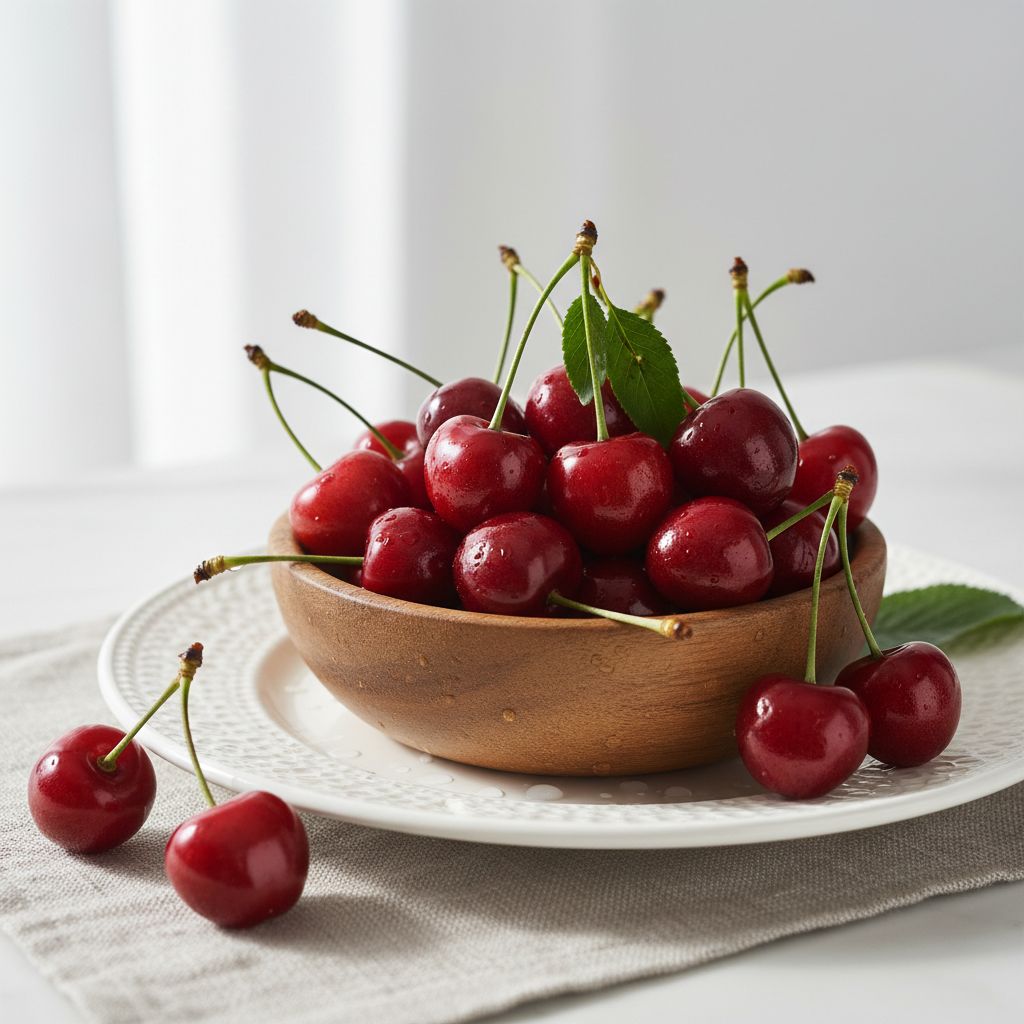
These foods have been shown to help reduce inflammation associated with arthritis.
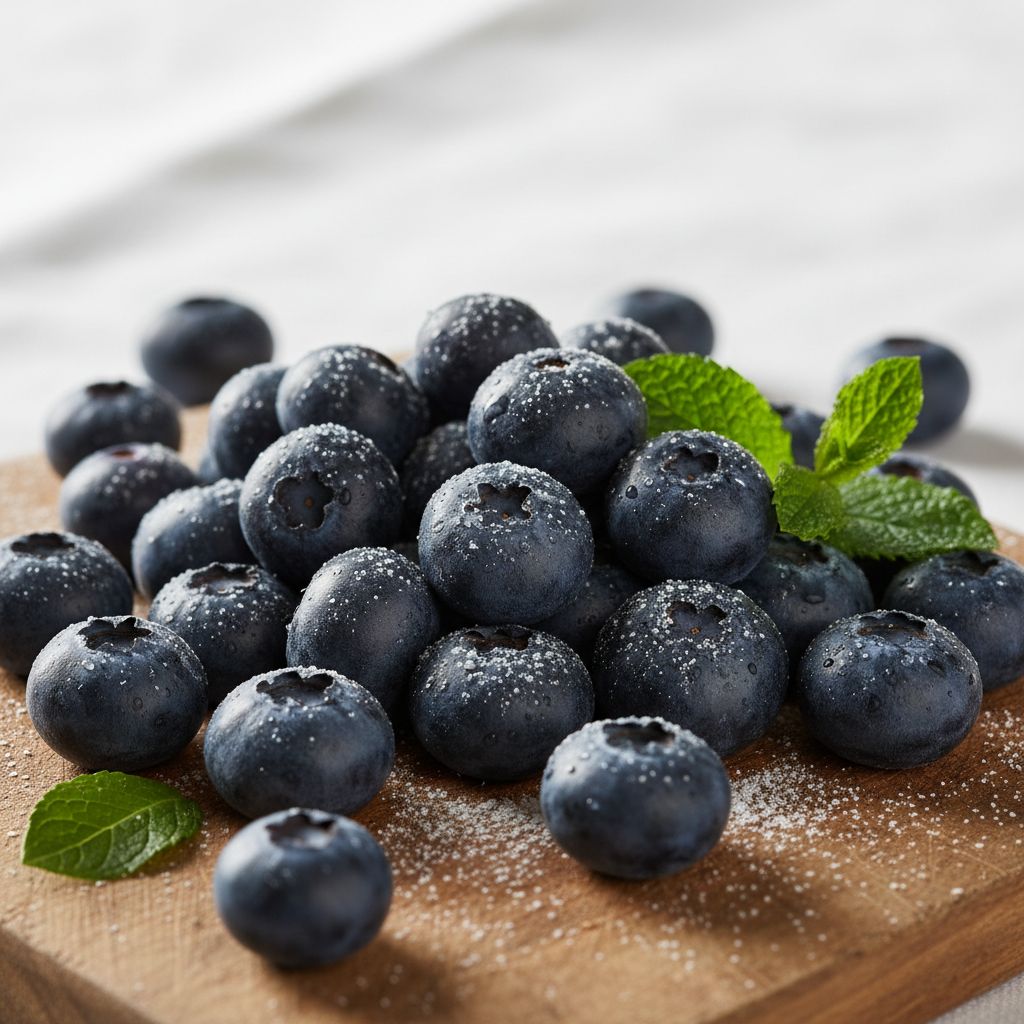
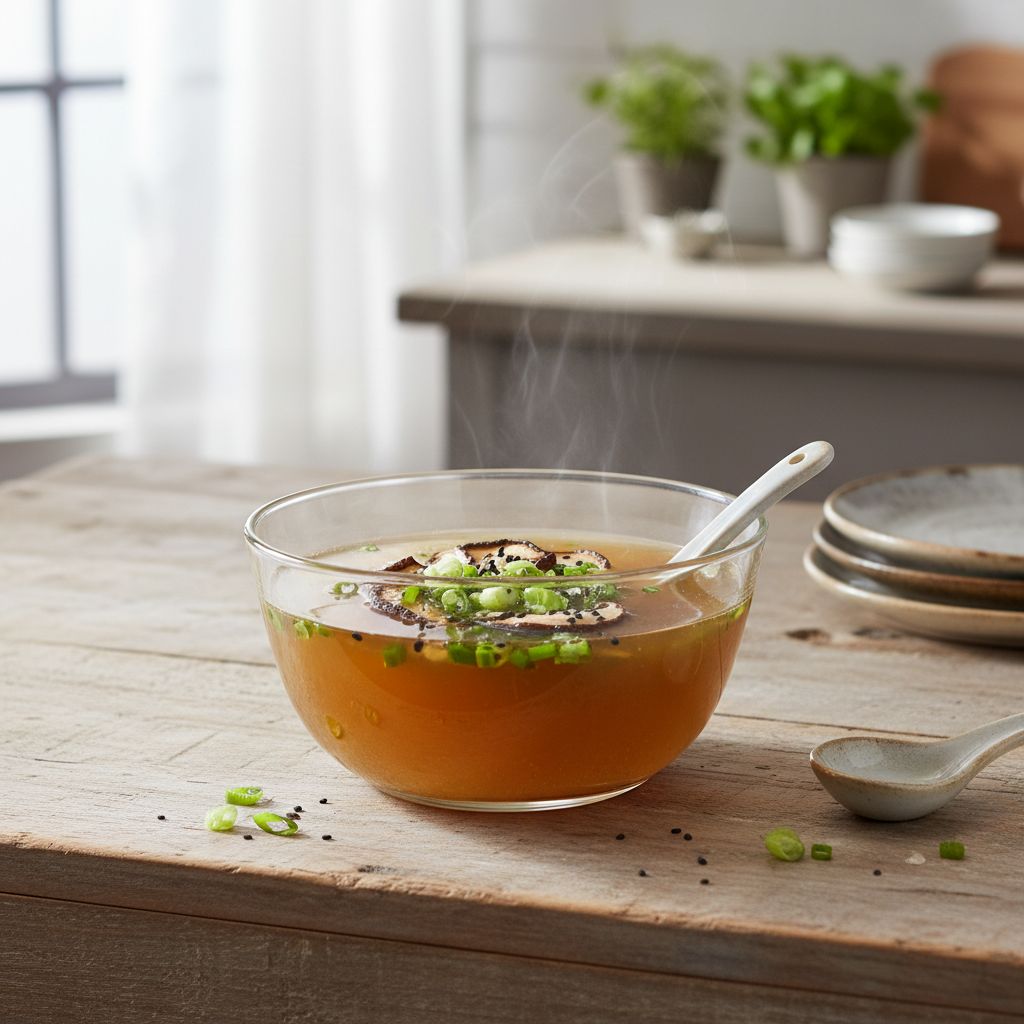
Foods to avoid
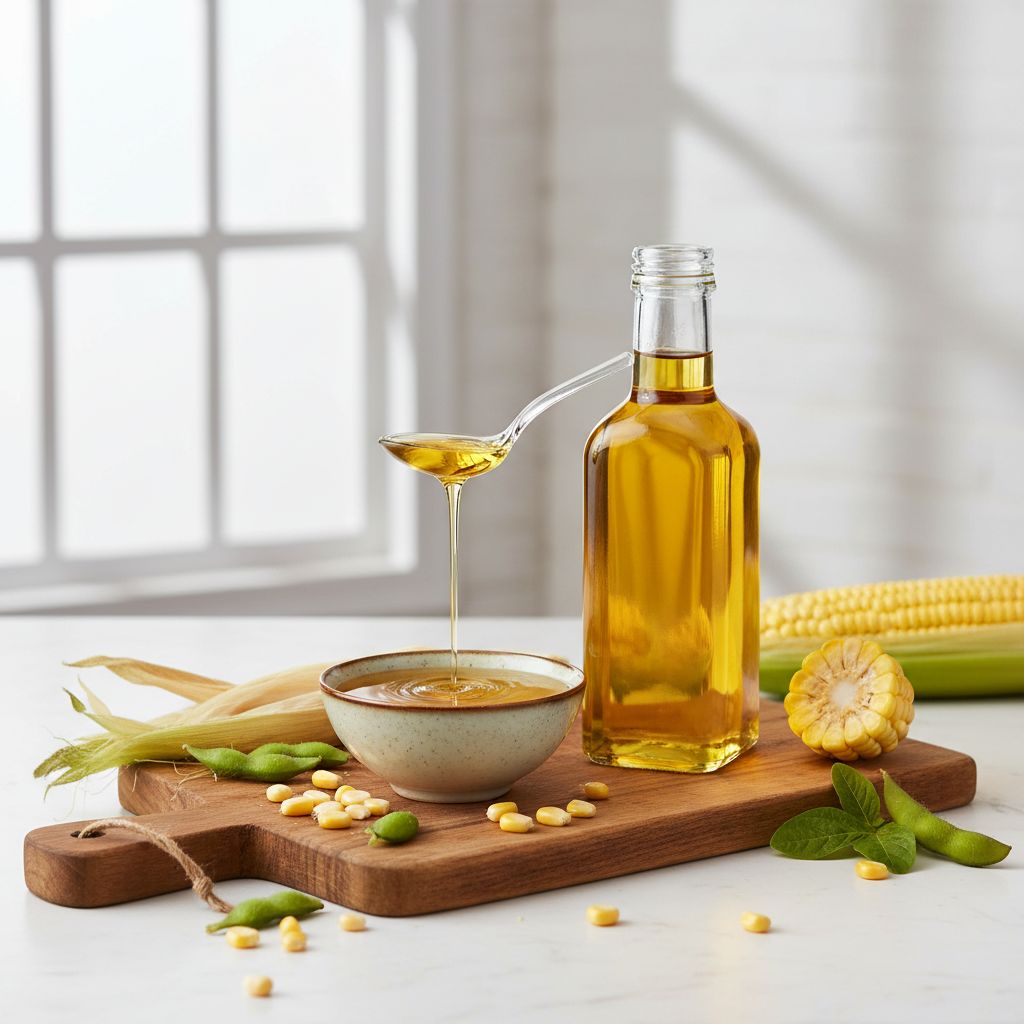
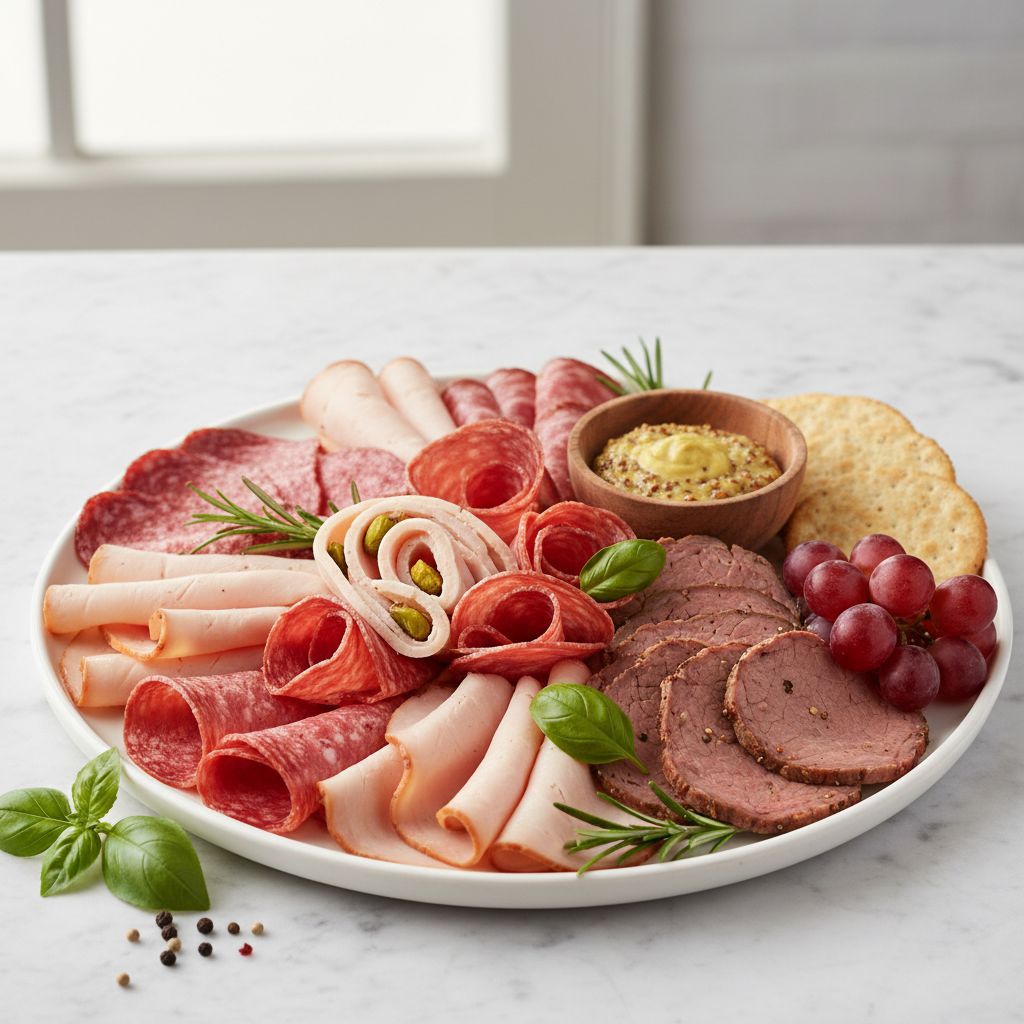
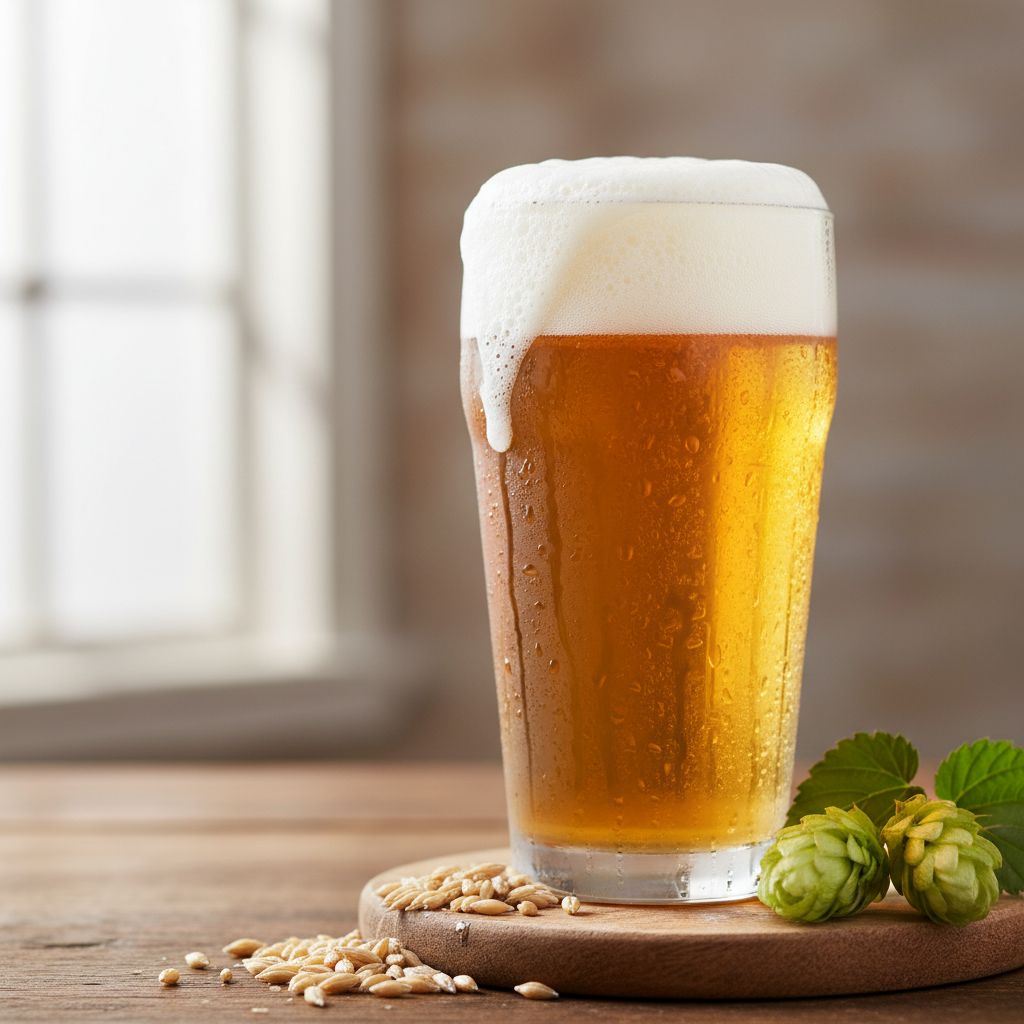
These inflammatory foods can worsen arthritis symptoms and should be limited or eliminated.

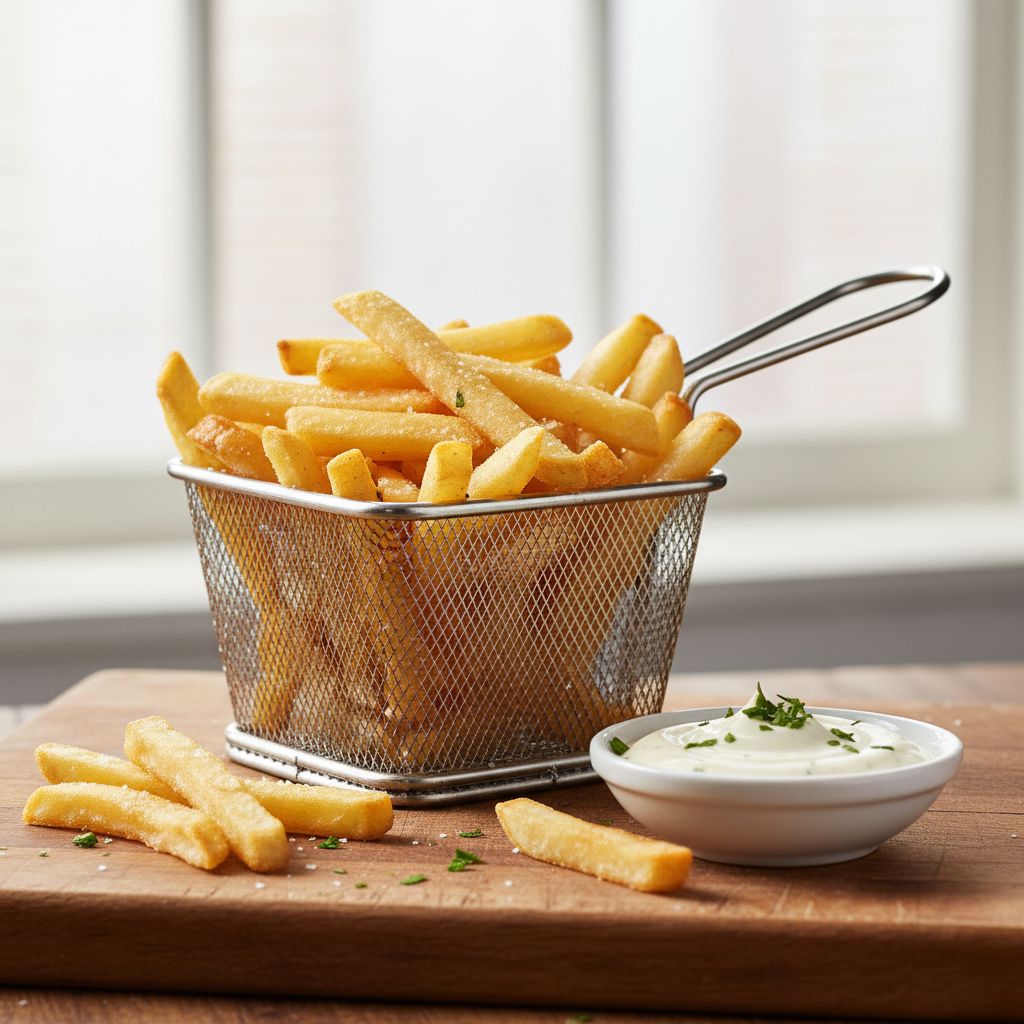
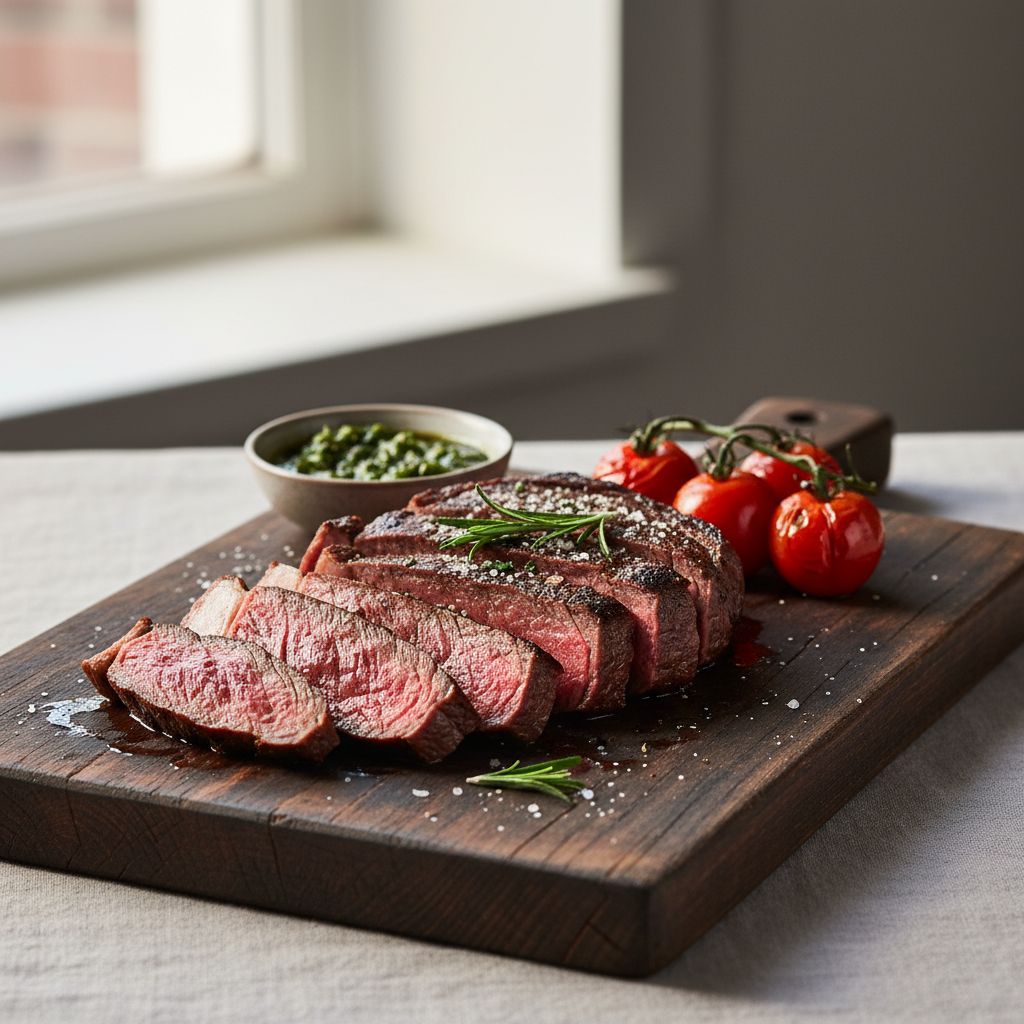


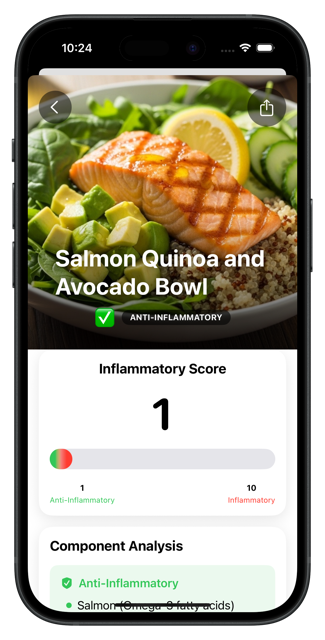
Get instant inflammation scores in your pocket
Scan any food with your camera, track your daily score, and get healthier swaps. Free on iOS & Android.


Dietary Tips for Arthritis
Eat fatty fish like salmon or sardines at least 2-3 times per week for omega-3s.
Add turmeric with black pepper to meals daily to boost curcumin absorption.
Replace refined cooking oils with extra virgin olive oil for its oleocanthal content.
Include tart cherries or cherry juice, which studies show reduce uric acid and inflammation.
Avoid processed foods and refined sugars that spike inflammatory markers.
Consider bone broth regularly for its collagen and joint-supporting amino acids.
Frequently Asked Questions
Q.What is the best anti-inflammatory diet for arthritis?
The Mediterranean diet is widely regarded as the best anti-inflammatory diet for arthritis. It emphasizes fatty fish, olive oil, nuts, fruits, vegetables, and whole grains while limiting red meat, processed foods, and refined sugars. Studies show it can reduce CRP levels and joint pain.
Q.Can diet alone cure arthritis?
Diet alone cannot cure arthritis, but it can significantly reduce symptoms and slow disease progression. An anti-inflammatory diet works best alongside medical treatment, exercise, and lifestyle modifications. Many patients report meaningful pain reduction within 4-6 weeks of dietary changes.
Q.Which foods trigger arthritis flare-ups?
Common dietary triggers for arthritis flare-ups include refined sugars, fried foods, processed meats, alcohol, white bread, and foods high in omega-6 fatty acids like vegetable oils. Some people also react to nightshade vegetables, gluten, or dairy, though this varies individually.
Educational content. Not medical advice.
Information on this page is for educational purposes only. It is not a substitute for professional medical advice, diagnosis, or treatment. Consult your healthcare provider before changing your diet, especially if you have a medical condition, take medications, or are pregnant or breastfeeding. Read the full disclaimer.
Scan a food in 2 seconds. Know if it's healing or hurting you.
Point your camera at any meal, ingredient, or label. Get an instant inflammation score, the science behind it, and better alternatives. All free.