
Anti-Inflammatory Diet for Fibromyalgia
10
Foods to eat
8
Foods to avoid
6
Common symptoms
6
Dietary tips
The foods, tips, and strategies to manage fibromyalgia through anti-inflammatory eating.
Common symptoms
- Widespread muscle pain and tenderness
- Chronic fatigue despite sleeping
- Cognitive difficulties (fibro fog)
- Sleep disturbances and unrefreshing sleep
- Headaches and migraines
- Sensitivity to temperature, light, and sound
At a glance
Eat 10 inflammation-fighting foods, limit 8 known triggers, and follow 6 dietary tips to help manage fibromyalgia.
Understanding Fibromyalgia & Inflammation
Fibromyalgia is a chronic condition characterized by widespread musculoskeletal pain, fatigue, sleep disturbances, and cognitive difficulties (often called "fibro fog"). While its exact cause remains debated, research consistently shows elevated inflammatory markers, oxidative stress, and neuroinflammation in fibromyalgia patients. The condition involves a dysregulated nervous system that amplifies pain signals and an immune system stuck in a pro-inflammatory state.
Diet can play a transformative role in managing fibromyalgia symptoms. Anti-inflammatory foods help reduce the systemic inflammation that sensitizes pain receptors, while specific nutrients like magnesium, vitamin D, and omega-3 fatty acids address common deficiencies found in fibromyalgia patients. Several studies show that plant-rich, anti-inflammatory diets can reduce pain scores by 30-50% in fibromyalgia patients.
The anti-inflammatory dietary approach for fibromyalgia emphasizes pain-reducing omega-3 foods, magnesium-rich foods that relax muscles and nerves, and antioxidant-dense fruits and vegetables that combat oxidative stress. Equally important is eliminating known pain triggers including processed foods, refined sugar, artificial additives, and in some cases gluten and dairy. Many patients report that consistent dietary changes significantly reduce their reliance on pain medications.
Foods to eat
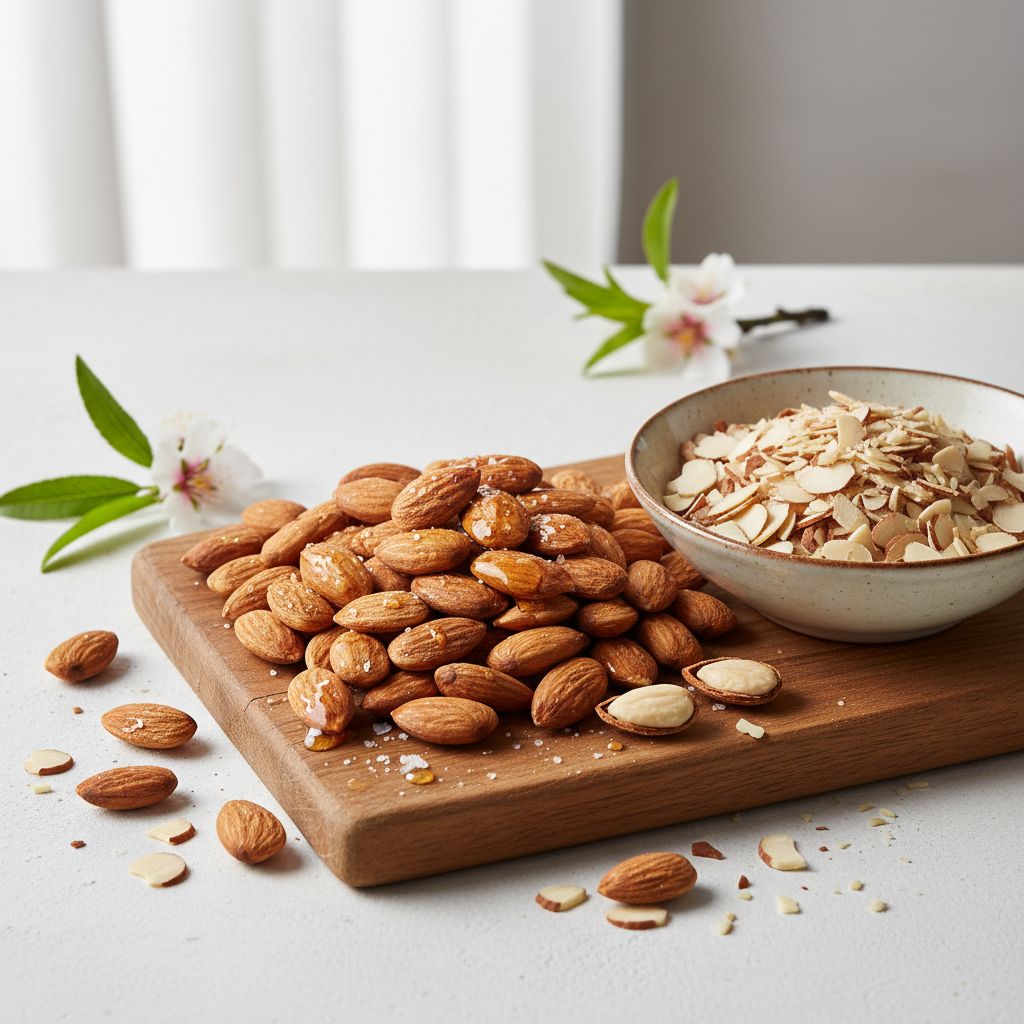
These foods have been shown to help reduce inflammation associated with fibromyalgia.









Foods to avoid
These inflammatory foods can worsen fibromyalgia symptoms and should be limited or eliminated.








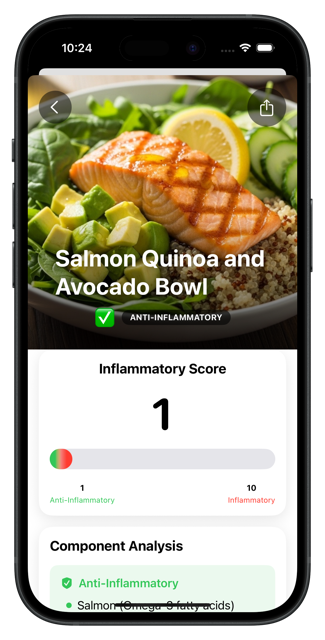
Get instant inflammation scores in your pocket
Scan any food with your camera, track your daily score, and get healthier swaps. Free on iOS & Android.


Dietary Tips for Fibromyalgia
Prioritize omega-3-rich foods like salmon and flaxseeds to reduce pain receptor sensitivity.
Include magnesium-rich foods like almonds and spinach — deficiency worsens fibromyalgia pain.
Eat tart cherries, which studies show reduce pain and improve sleep in fibromyalgia patients.
Use turmeric and ginger as natural anti-inflammatory pain relievers in daily cooking.
Eliminate aspartame and MSG, as artificial additives can worsen fibromyalgia symptoms.
Eat antioxidant-rich berries daily to combat the oxidative stress common in fibromyalgia.
Frequently Asked Questions
Q.Can an anti-inflammatory diet help fibromyalgia pain?
Yes, multiple studies show that anti-inflammatory diets can reduce fibromyalgia pain scores by 30-50%. Omega-3 fatty acids, turmeric, and ginger all have proven pain-reducing effects, while eliminating processed foods and sugar reduces the systemic inflammation that amplifies pain signals. Most patients notice improvements within 4-6 weeks of dietary changes.
Q.What foods should fibromyalgia patients avoid?
Fibromyalgia patients should avoid refined sugar, processed foods, artificial additives (especially aspartame and MSG), fried foods, excessive caffeine, and alcohol. These substances worsen inflammation, disrupt sleep, and can directly trigger pain flare-ups. Some patients also benefit from eliminating gluten and dairy, which may be individual inflammatory triggers.
Q.Does magnesium help fibromyalgia?
Yes, magnesium deficiency is common in fibromyalgia patients and is linked to increased pain, muscle tension, and poor sleep. Studies show that increasing magnesium intake through foods like almonds, spinach, avocado, and dark chocolate can reduce pain scores and improve sleep quality. Magnesium helps relax muscles and calm overactive nerve signaling.
Educational content. Not medical advice.
Information on this page is for educational purposes only. It is not a substitute for professional medical advice, diagnosis, or treatment. Consult your healthcare provider before changing your diet, especially if you have a medical condition, take medications, or are pregnant or breastfeeding. Read the full disclaimer.
Scan a food in 2 seconds. Know if it's healing or hurting you.
Point your camera at any meal, ingredient, or label. Get an instant inflammation score, the science behind it, and better alternatives. All free.