Anti-Inflammatory Diet for Thyroid Health
10
Foods to eat
8
Foods to avoid
6
Common symptoms
6
Dietary tips
The foods, tips, and strategies to manage thyroid health through anti-inflammatory eating.
Common symptoms
- Fatigue and sluggishness
- Unexplained weight gain
- Sensitivity to cold temperatures
- Dry skin and brittle hair
- Brain fog and memory issues
- Depression and mood changes
At a glance
Eat 10 inflammation-fighting foods, limit 8 known triggers, and follow 6 dietary tips to help manage thyroid health.
Understanding Thyroid Health & Inflammation
Thyroid disorders, particularly Hashimoto's thyroiditis (the most common cause of hypothyroidism), are deeply connected to chronic inflammation. In Hashimoto's, the immune system attacks the thyroid gland, causing chronic inflammation that gradually destroys thyroid tissue and reduces hormone production. Even non-autoimmune thyroid issues are worsened by systemic inflammation, which impairs the conversion of T4 to the active T3 hormone and disrupts thyroid hormone receptor sensitivity.
Diet is a powerful lever for supporting thyroid health because the thyroid gland requires specific nutrients to function optimally — including selenium, iodine, zinc, and iron — while being particularly sensitive to inflammatory damage. Anti-inflammatory foods provide these essential nutrients while calming the immune system's attack on the thyroid. Research shows that selenium supplementation alone can reduce thyroid antibodies by 40% in Hashimoto's patients.
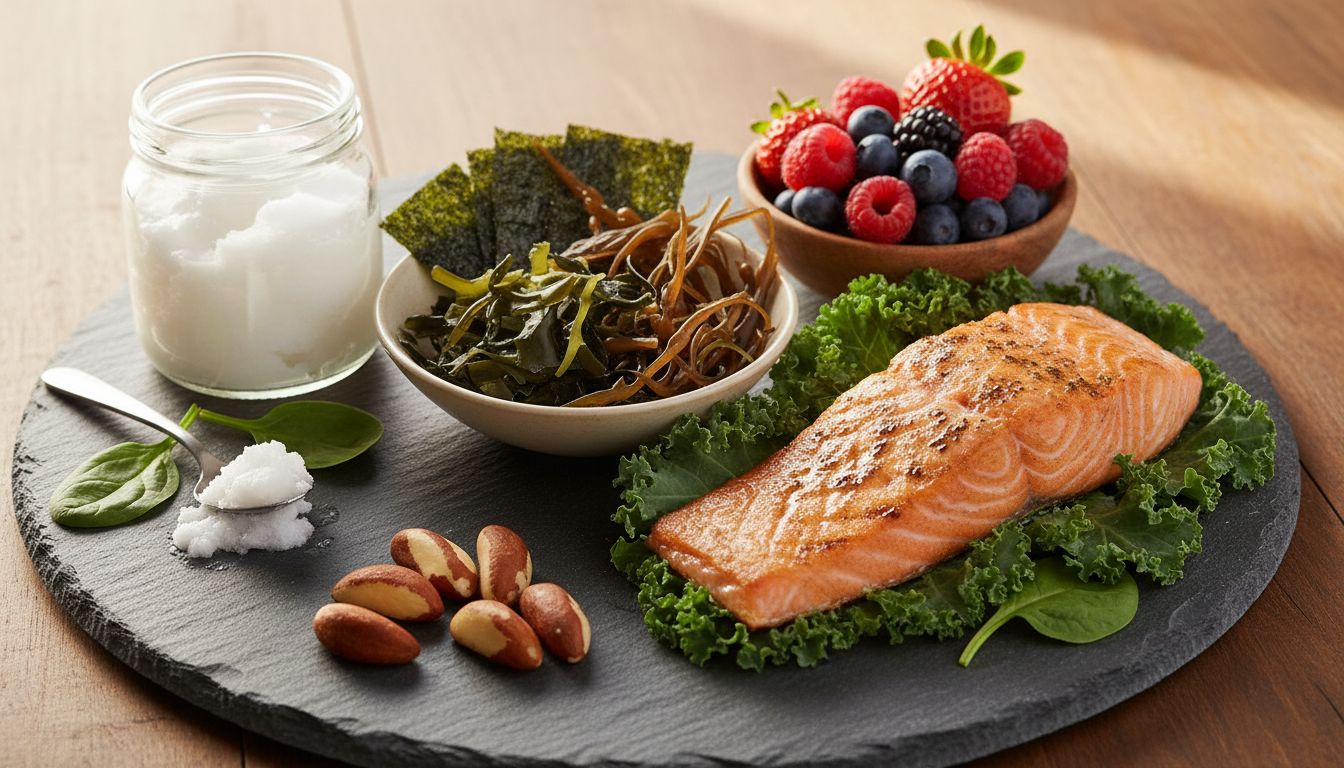
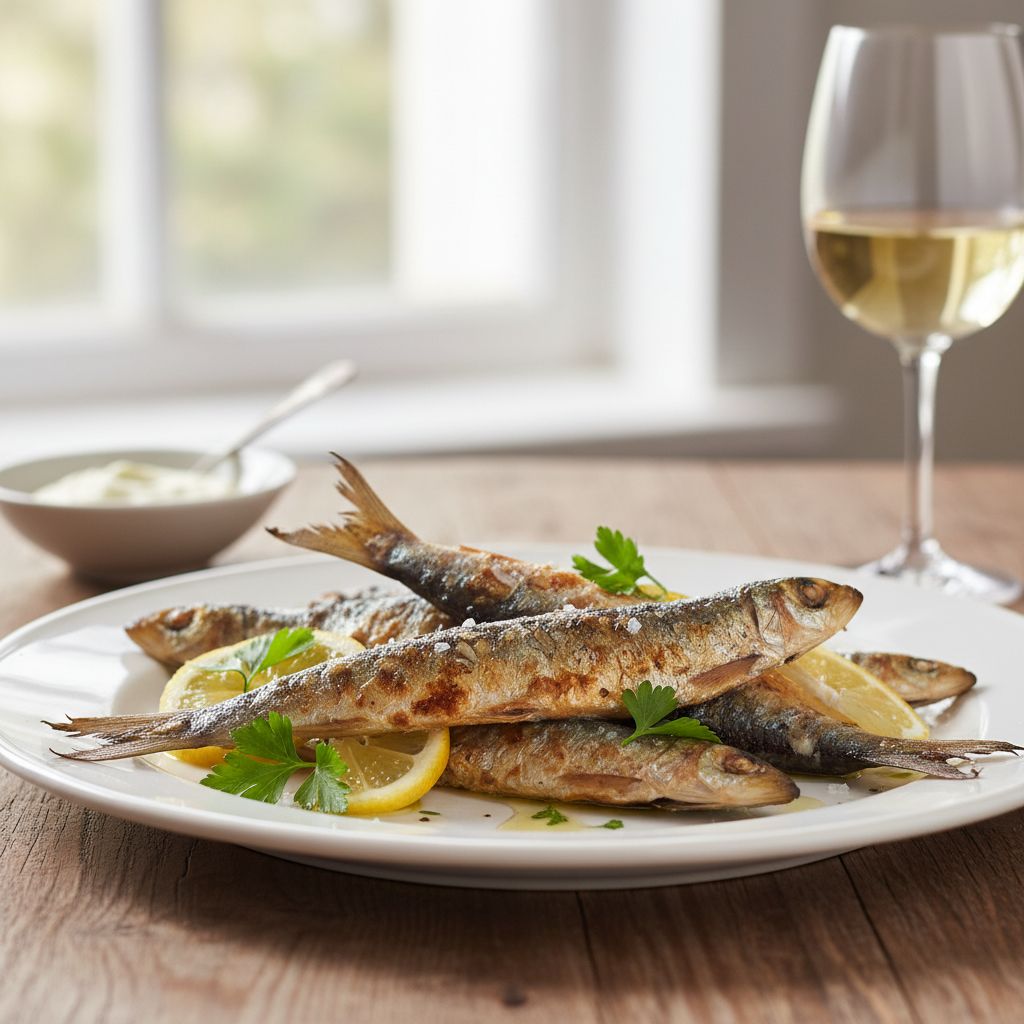
An anti-inflammatory thyroid-supportive diet focuses on selenium-rich foods (brazil nuts, sardines, eggs), iodine-balanced nutrition, gut-healing foods (since leaky gut is a common trigger for thyroid autoimmunity), and the elimination of goitrogenic raw cruciferous vegetables in large quantities. The goal is to reduce the inflammatory burden on the thyroid while providing the precise nutrients it needs to produce adequate hormones.
Foods to eat
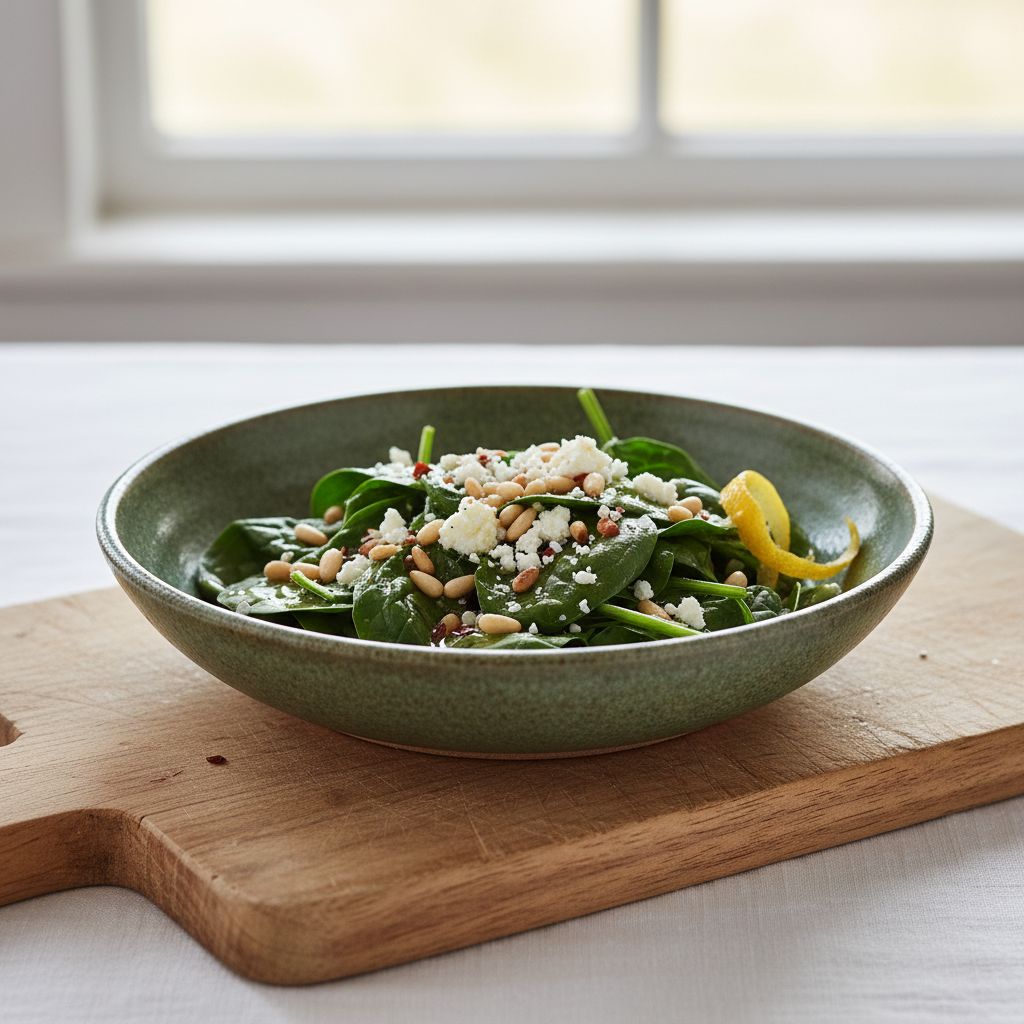
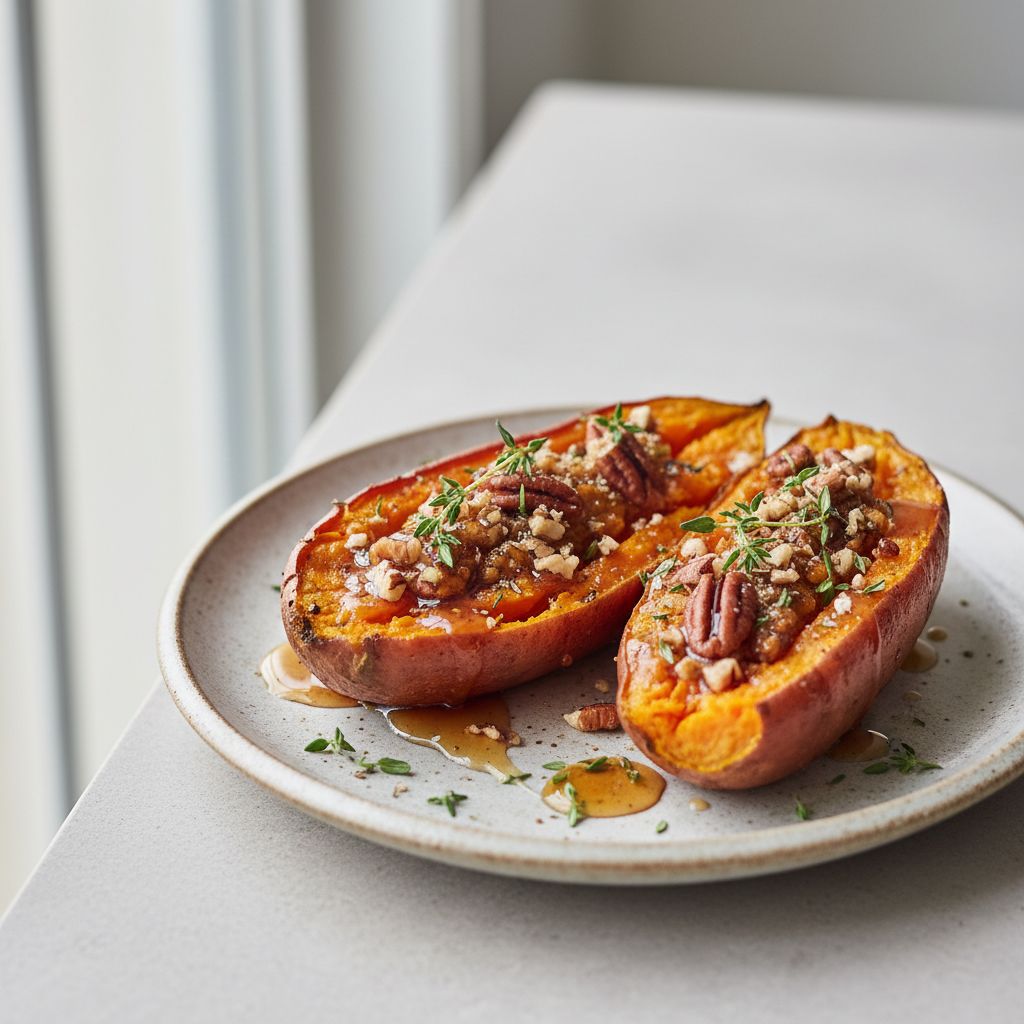
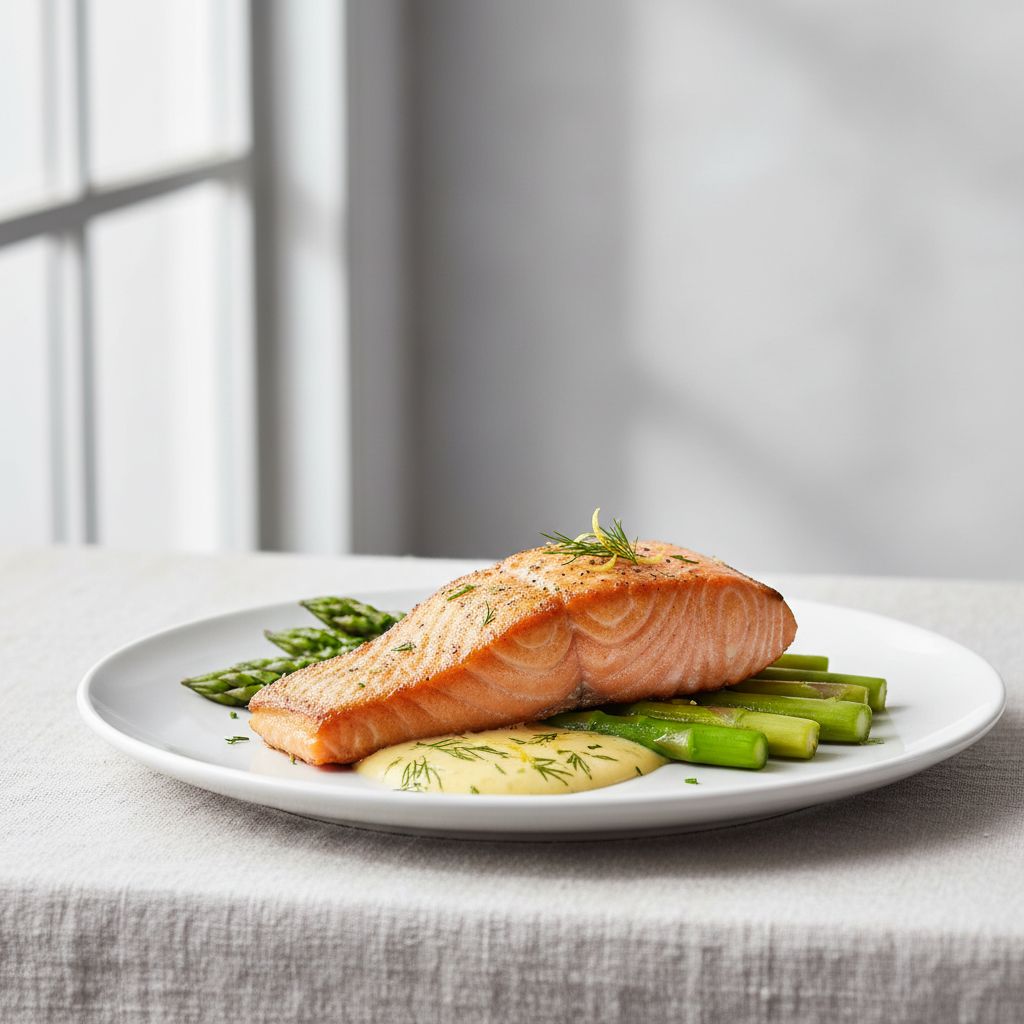
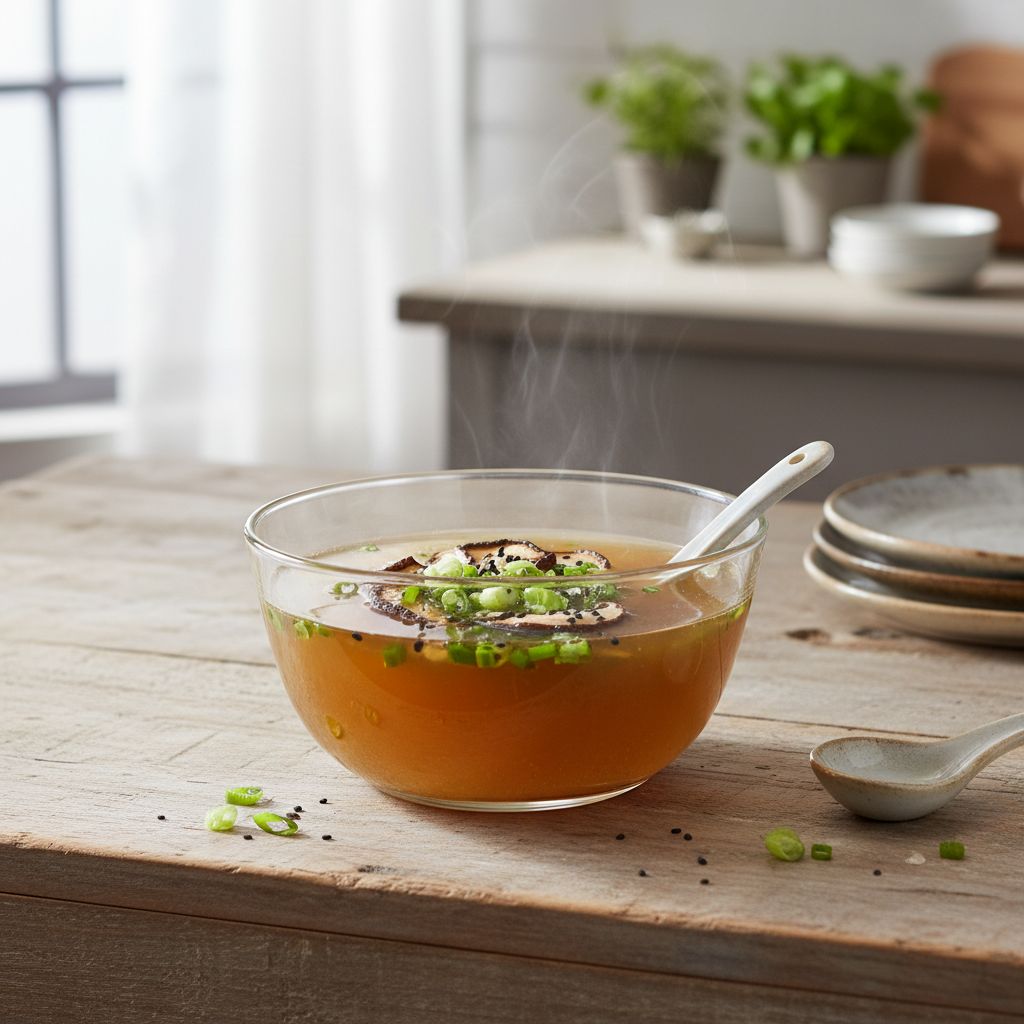
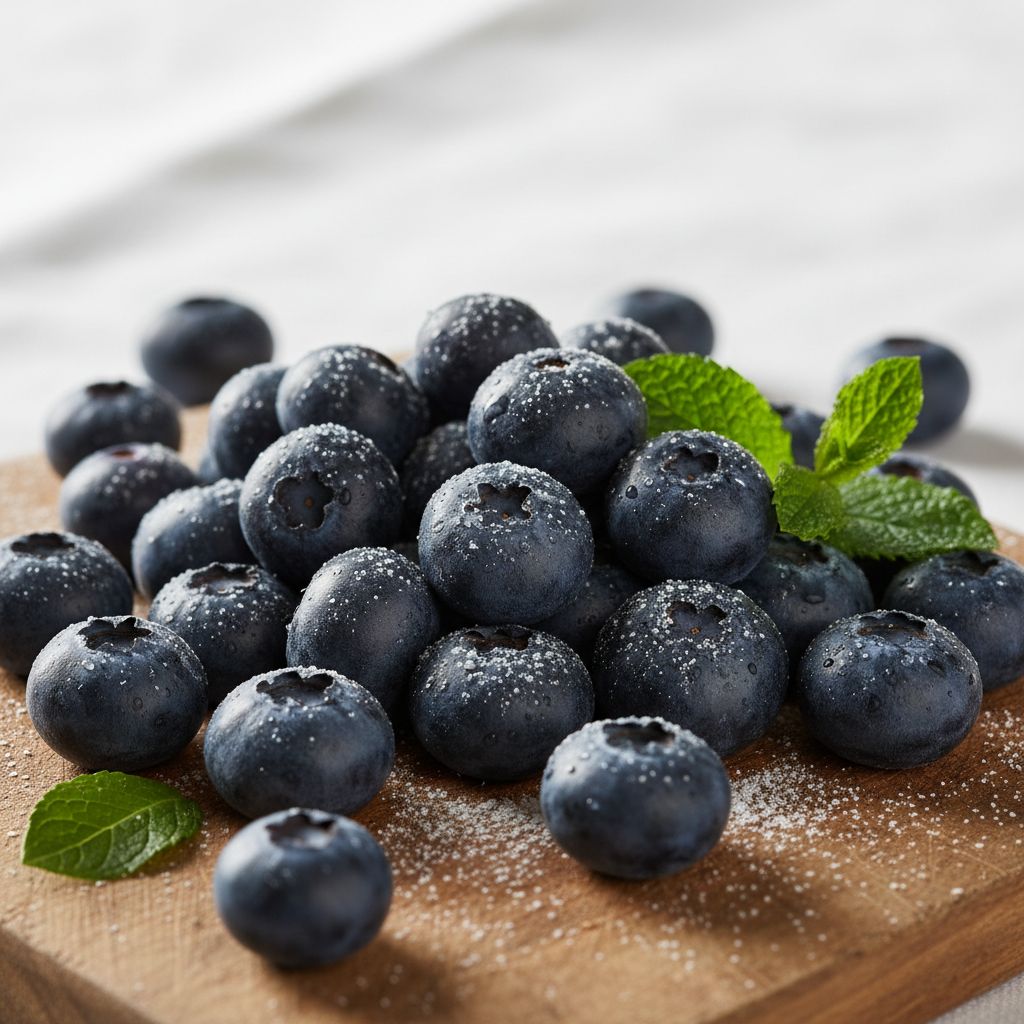
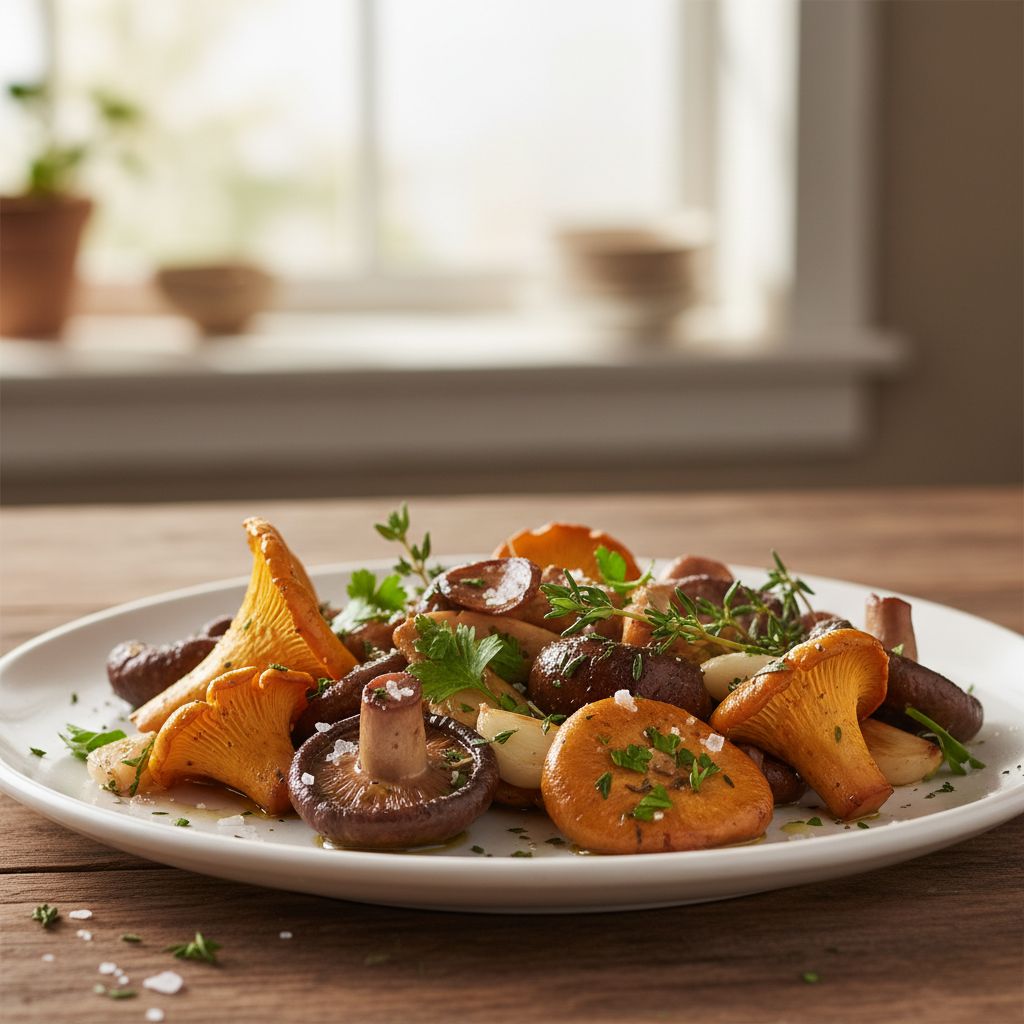
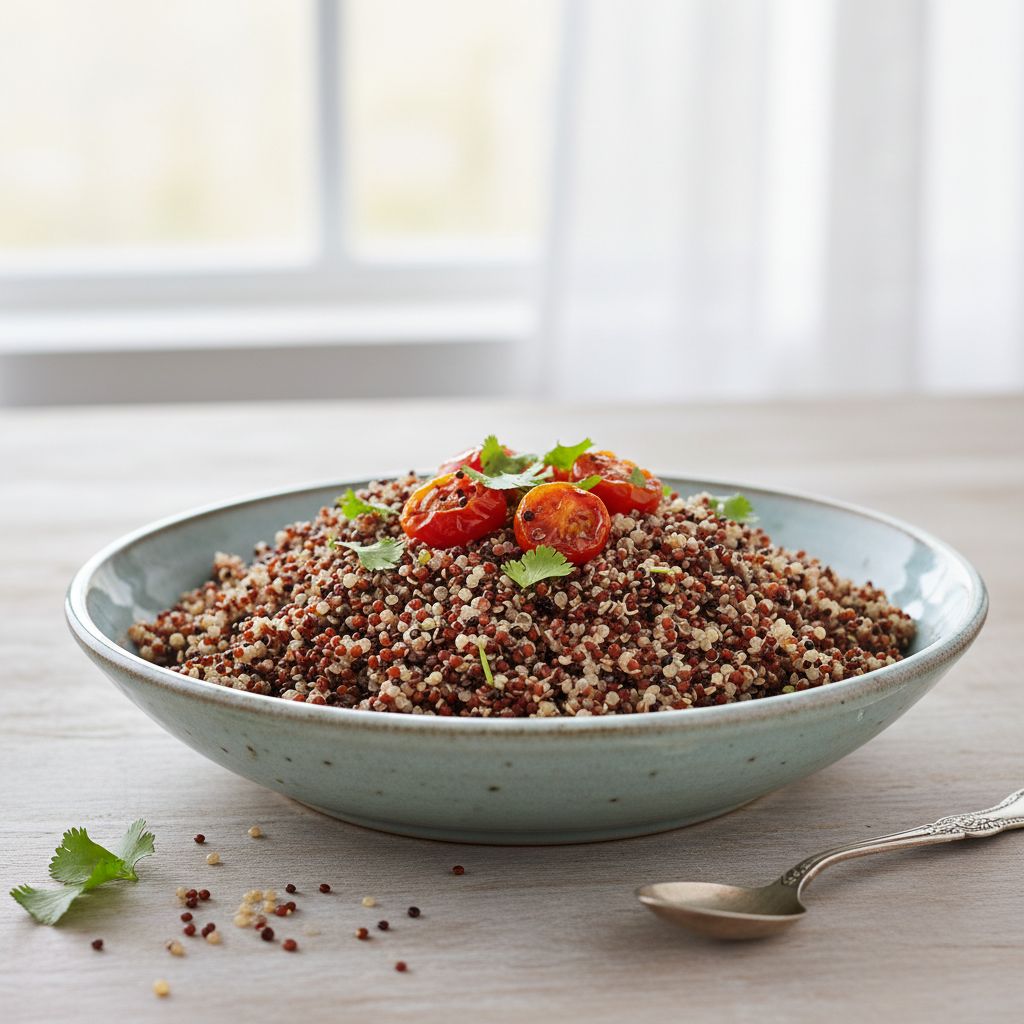
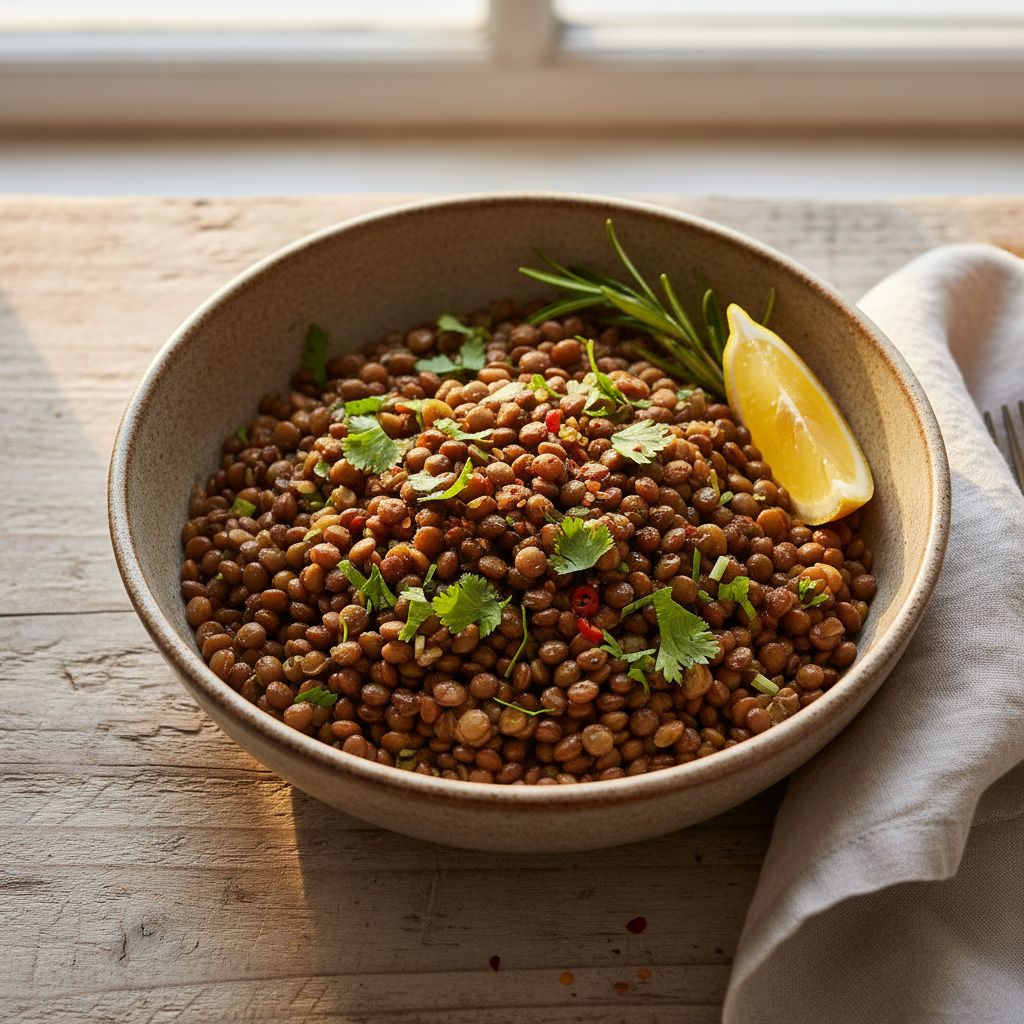
These foods have been shown to help reduce inflammation associated with thyroid health.

Foods to avoid
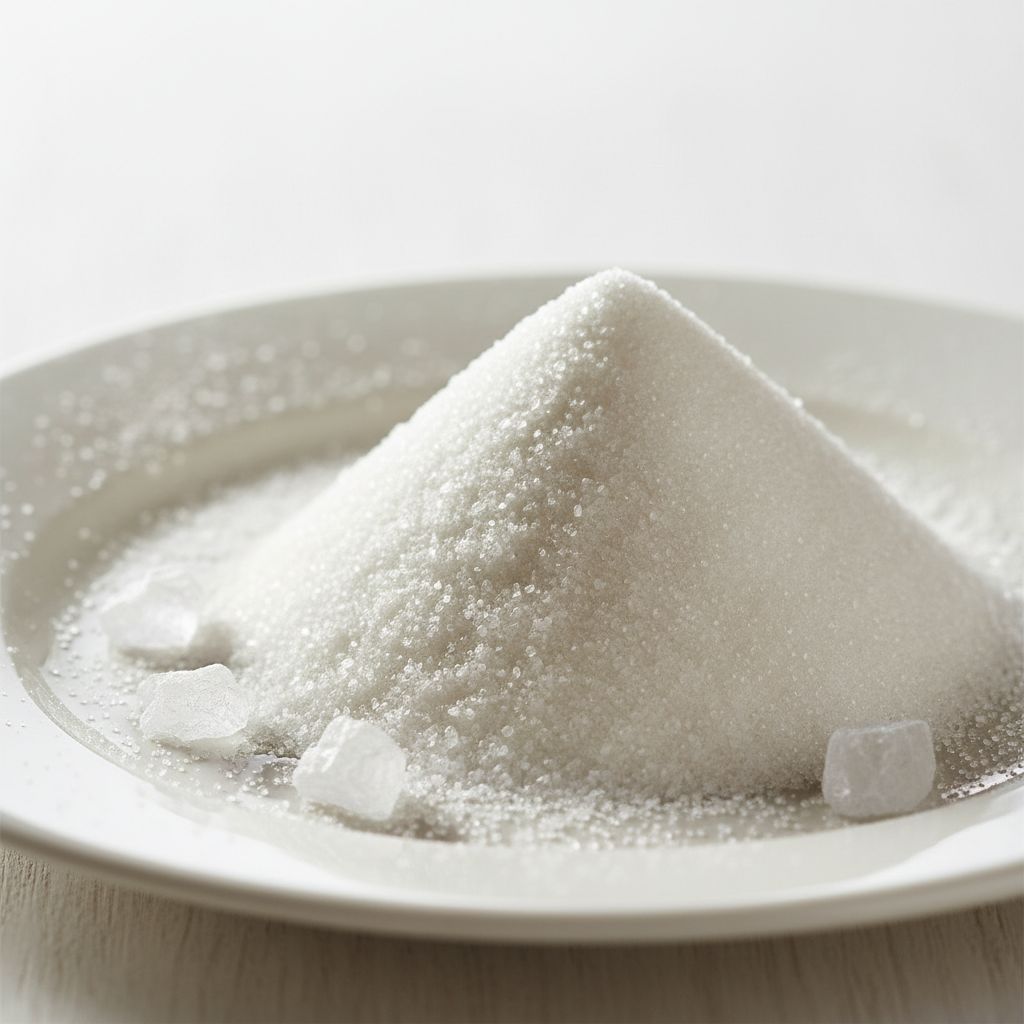
These inflammatory foods can worsen thyroid health symptoms and should be limited or eliminated.






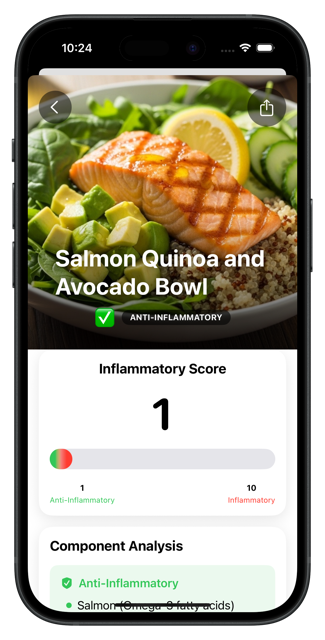
Get instant inflammation scores in your pocket
Scan any food with your camera, track your daily score, and get healthier swaps. Free on iOS & Android.


Dietary Tips for Thyroid Health
Eat selenium-rich foods like sardines, eggs, and mushrooms to support thyroid hormone production.
Include iron-rich spinach and lentils, as iron deficiency impairs thyroid function.
Cook cruciferous vegetables before eating — cooking deactivates goitrogens that can suppress thyroid function.
Prioritize gut-healing foods like bone broth, as leaky gut is a common trigger for thyroid autoimmunity.
Avoid highly processed foods and refined sugars that increase inflammation attacking the thyroid.
Consider an elimination diet to identify personal triggers, as gluten sensitivity is common in thyroid patients.
Frequently Asked Questions
Q.Can diet help with Hashimoto's thyroiditis?
Yes, an anti-inflammatory diet can significantly improve Hashimoto's outcomes. Studies show that selenium-rich foods can reduce thyroid antibodies by up to 40%, while eliminating inflammatory triggers like gluten (common in Hashimoto's) and healing the gut can slow disease progression. Many patients experience improved energy and reduced symptoms within 6-8 weeks of dietary changes.
Q.What foods support thyroid function?
The best thyroid-supporting foods include sardines and eggs (selenium), spinach and lentils (iron), seaweed in moderation (iodine), mushrooms (vitamin D), and bone broth (gut healing). These foods provide the specific nutrients the thyroid needs while reducing the inflammation that impairs its function.
Q.Should you avoid cruciferous vegetables with thyroid problems?
You don't need to avoid cruciferous vegetables entirely, but cooking them is important. Raw cruciferous vegetables contain goitrogens that can interfere with thyroid hormone production in large amounts. Cooking deactivates most goitrogens, making cooked broccoli, cauliflower, and kale safe and beneficial for thyroid patients due to their anti-inflammatory properties.
Educational content. Not medical advice.
Information on this page is for educational purposes only. It is not a substitute for professional medical advice, diagnosis, or treatment. Consult your healthcare provider before changing your diet, especially if you have a medical condition, take medications, or are pregnant or breastfeeding. Read the full disclaimer.
Scan a food in 2 seconds. Know if it's healing or hurting you.
Point your camera at any meal, ingredient, or label. Get an instant inflammation score, the science behind it, and better alternatives. All free.