Anti-Inflammatory Diet for PCOS (Polycystic Ovary Syndrome)
10
Foods to eat
8
Foods to avoid
6
Common symptoms
6
Dietary tips
The foods, tips, and strategies to manage pcos (polycystic ovary syndrome) through anti-inflammatory eating.
Common symptoms
- Irregular or missed periods
- Excess hair growth (hirsutism)
- Acne and oily skin
- Weight gain, especially around the abdomen
- Thinning hair on the scalp
- Difficulty getting pregnant
At a glance
Eat 10 inflammation-fighting foods, limit 8 known triggers, and follow 6 dietary tips to help manage pcos (polycystic ovary syndrome).
Understanding PCOS (Polycystic Ovary Syndrome) & Inflammation
Polycystic ovary syndrome (PCOS) affects up to 12% of women of reproductive age and is fundamentally driven by chronic low-grade inflammation and insulin resistance. Women with PCOS have elevated inflammatory markers even at normal body weight, and this inflammation disrupts hormonal balance — increasing androgens (male hormones), impairing ovulation, and promoting symptoms like acne, hair loss, weight gain, and irregular periods.
An anti-inflammatory diet is one of the most effective interventions for PCOS, addressing both the inflammation and insulin resistance that drive the condition. Research shows that dietary changes can normalize menstrual cycles, reduce androgen levels, improve fertility, and resolve symptoms like acne and hirsutism without medication. The key is choosing foods that stabilize blood sugar, reduce inflammation, and support hormonal balance.
The ideal PCOS diet emphasizes low-glycemic foods that prevent insulin spikes, omega-3 fatty acids that reduce inflammation and support egg quality, and specific nutrients like inositol (found in certain foods), chromium, and magnesium that improve insulin sensitivity. Studies demonstrate that women who adopt anti-inflammatory dietary patterns can reduce testosterone levels by 20-30% and restore ovulation within 2-3 months.
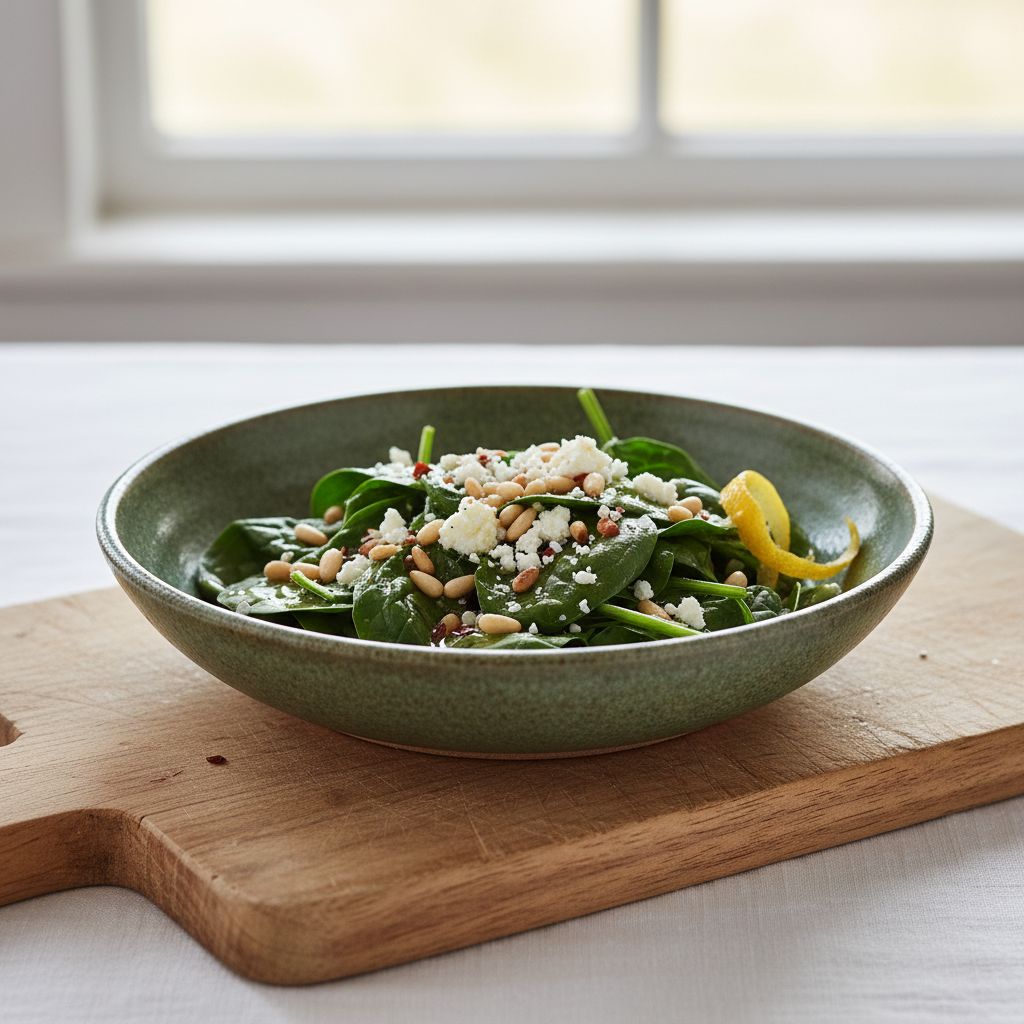
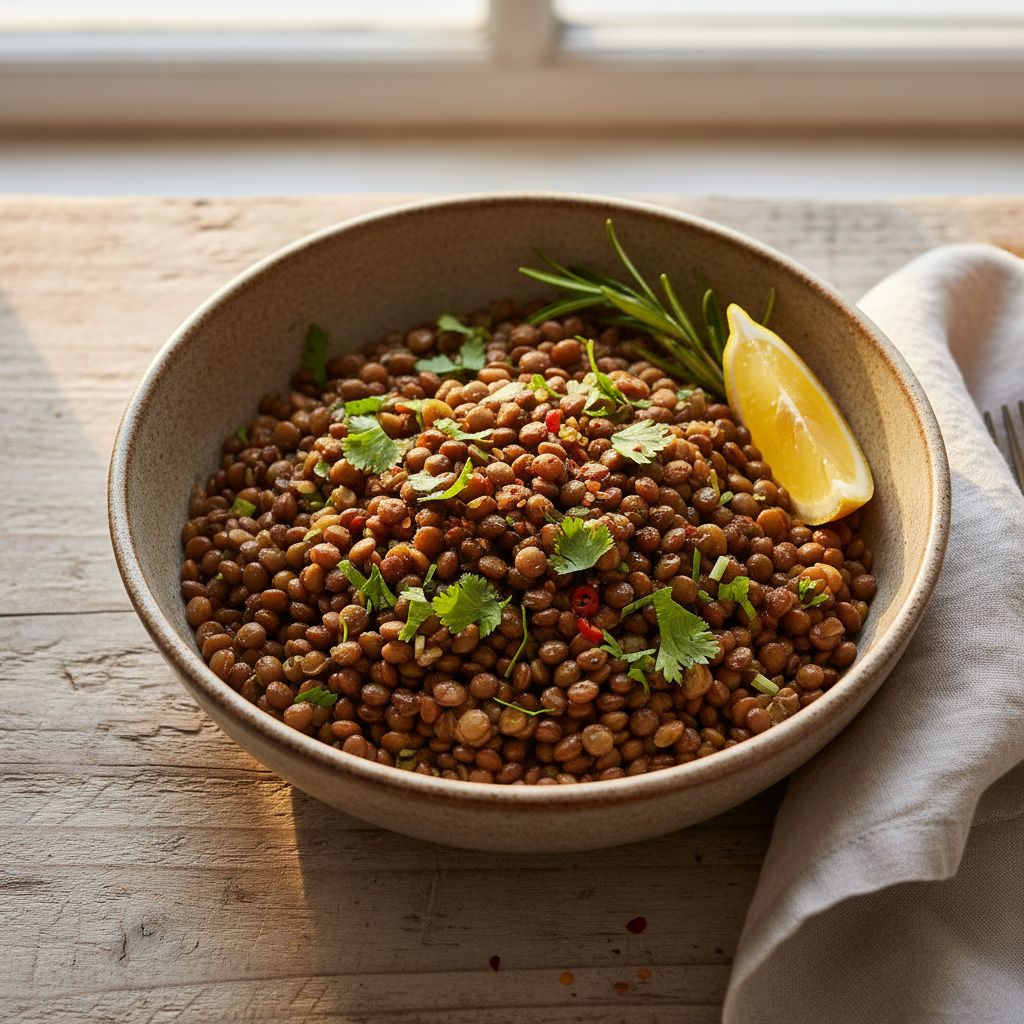
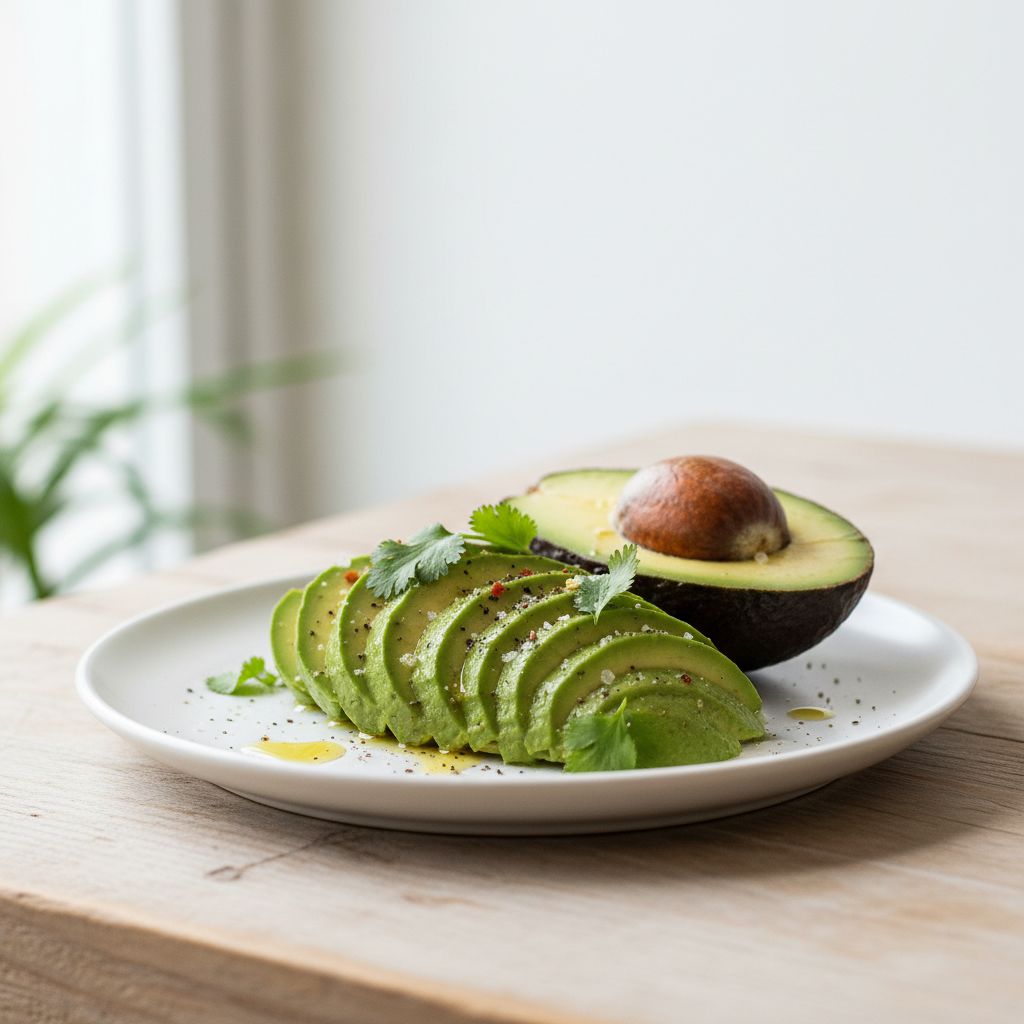
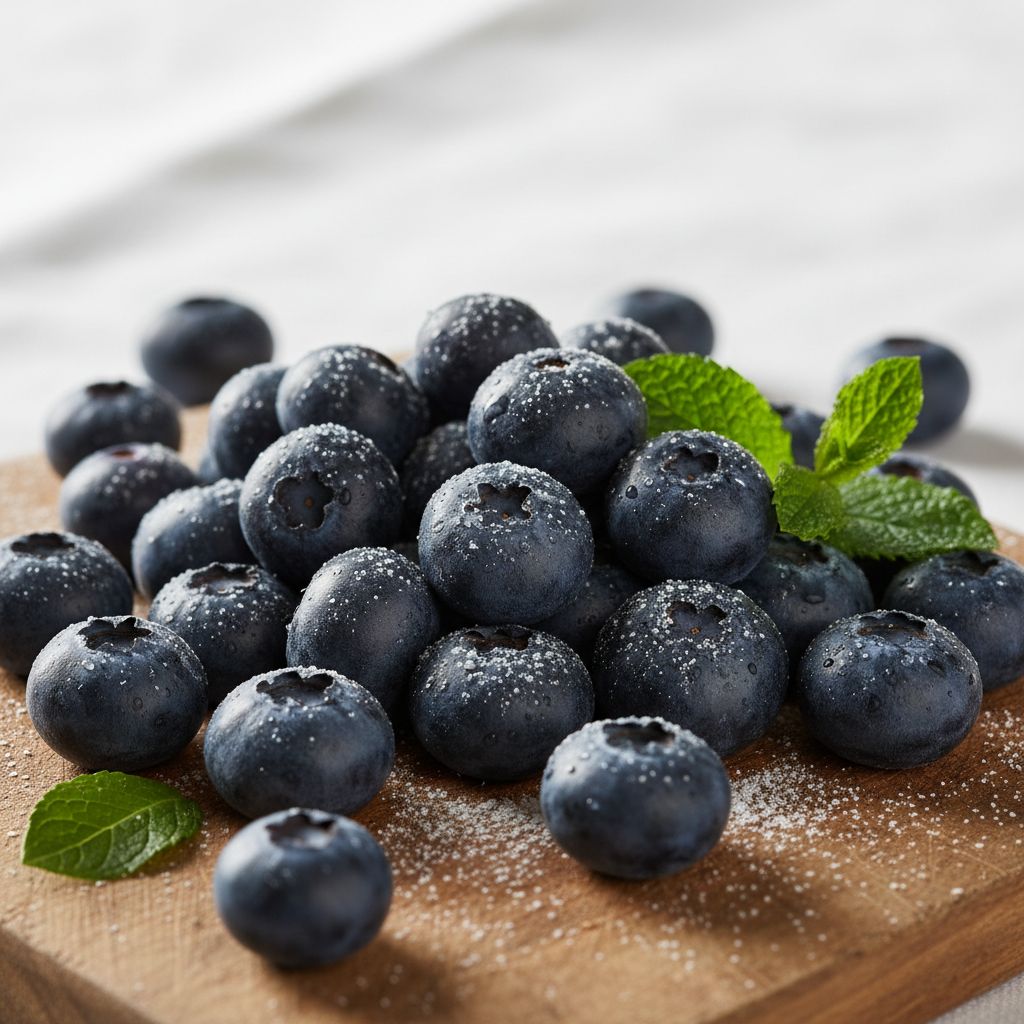
Foods to eat
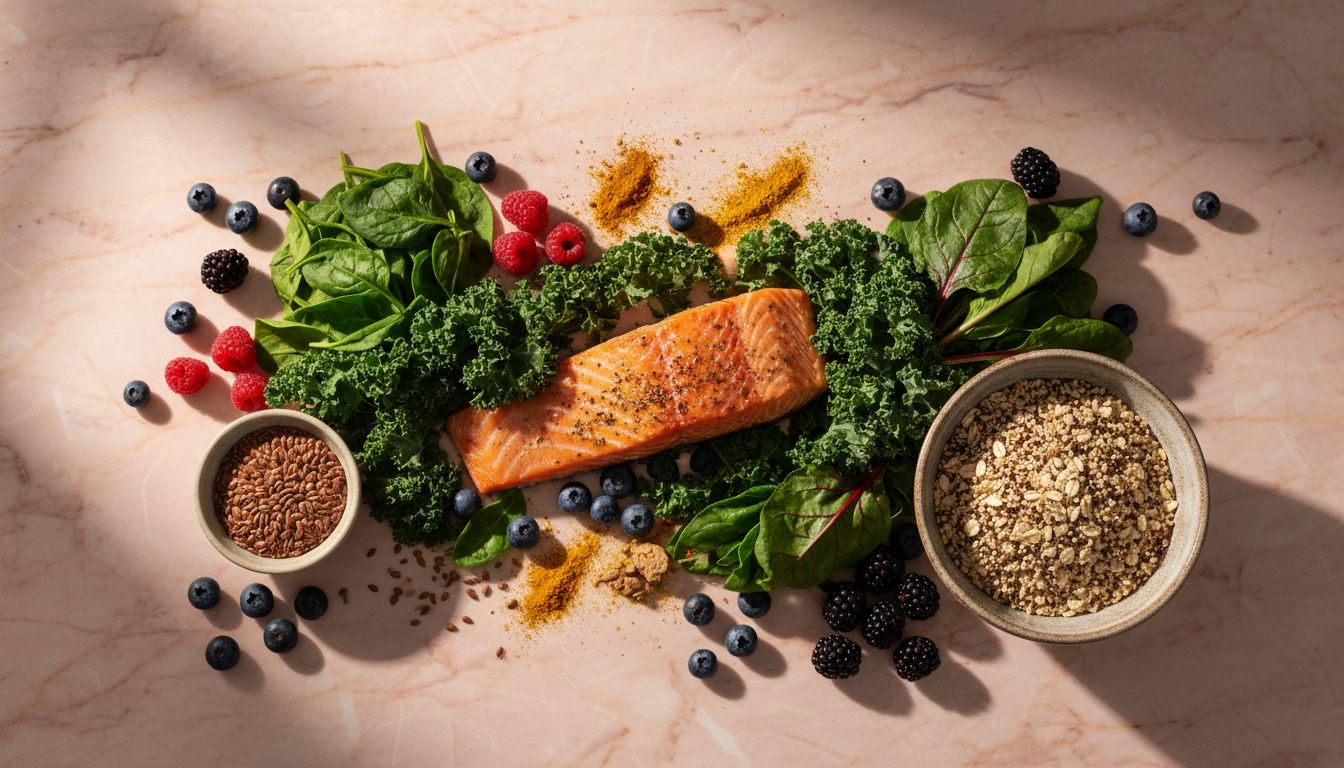
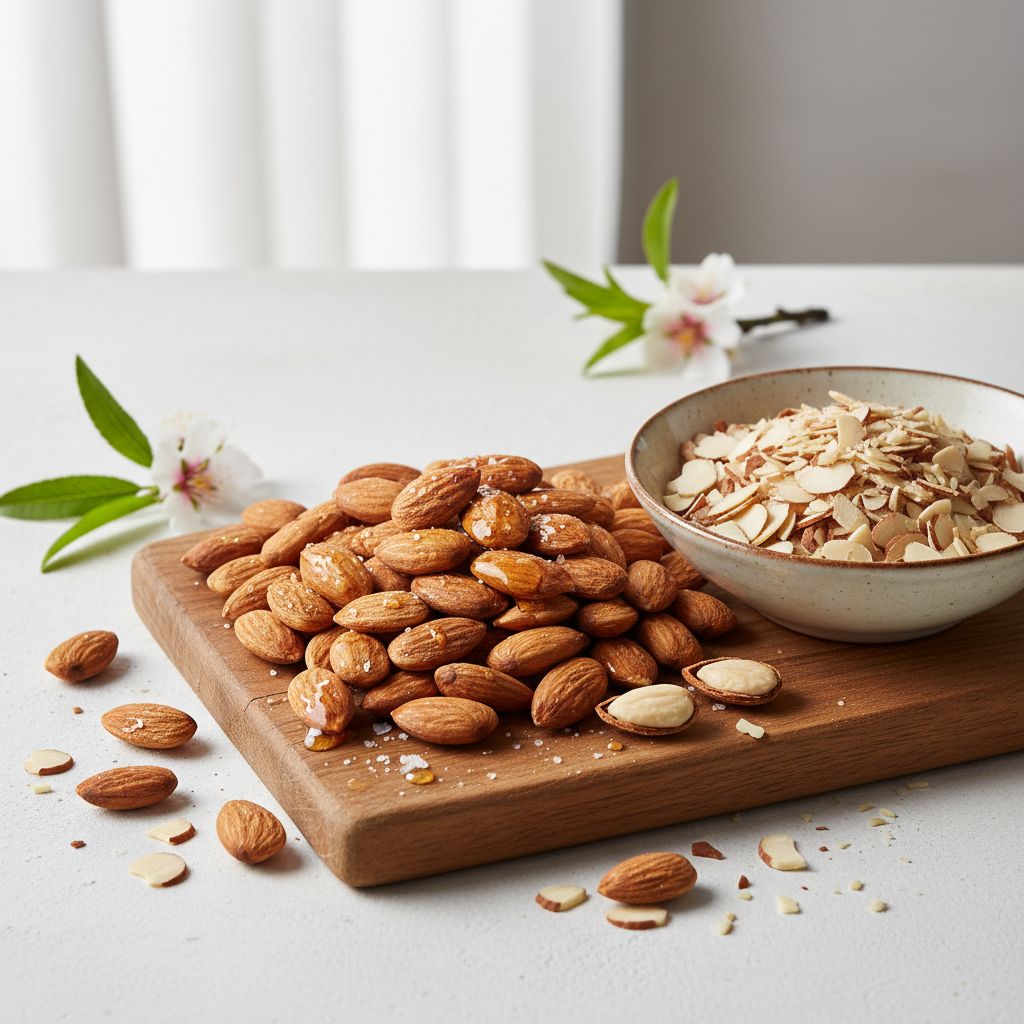
These foods have been shown to help reduce inflammation associated with pcos (polycystic ovary syndrome).
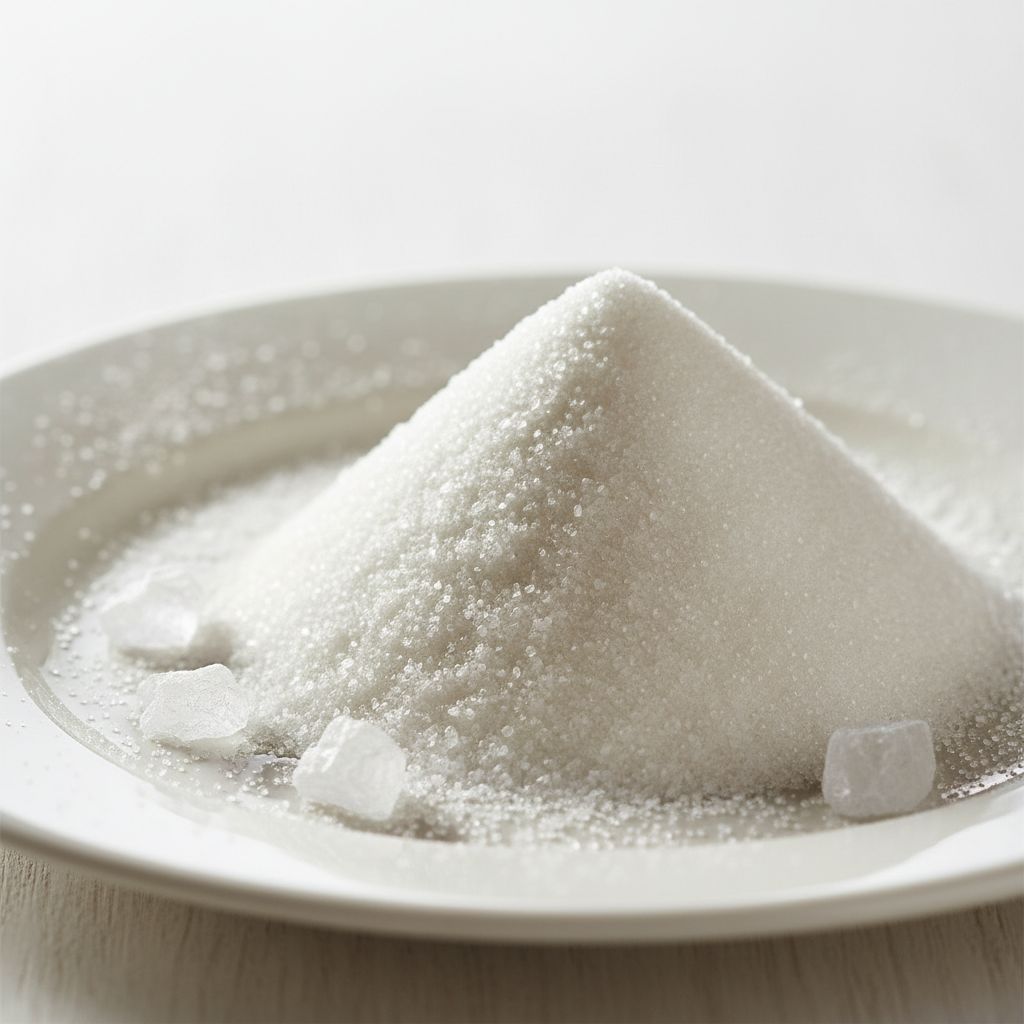
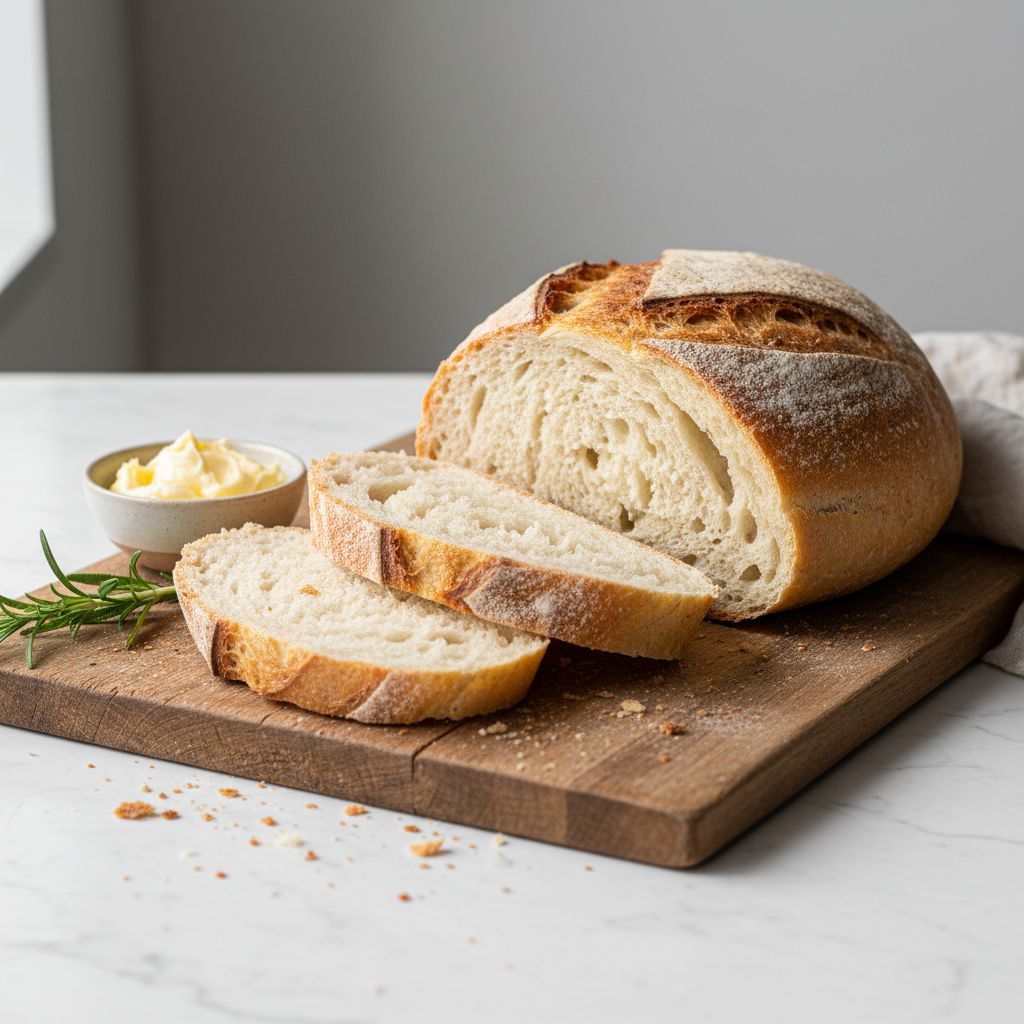
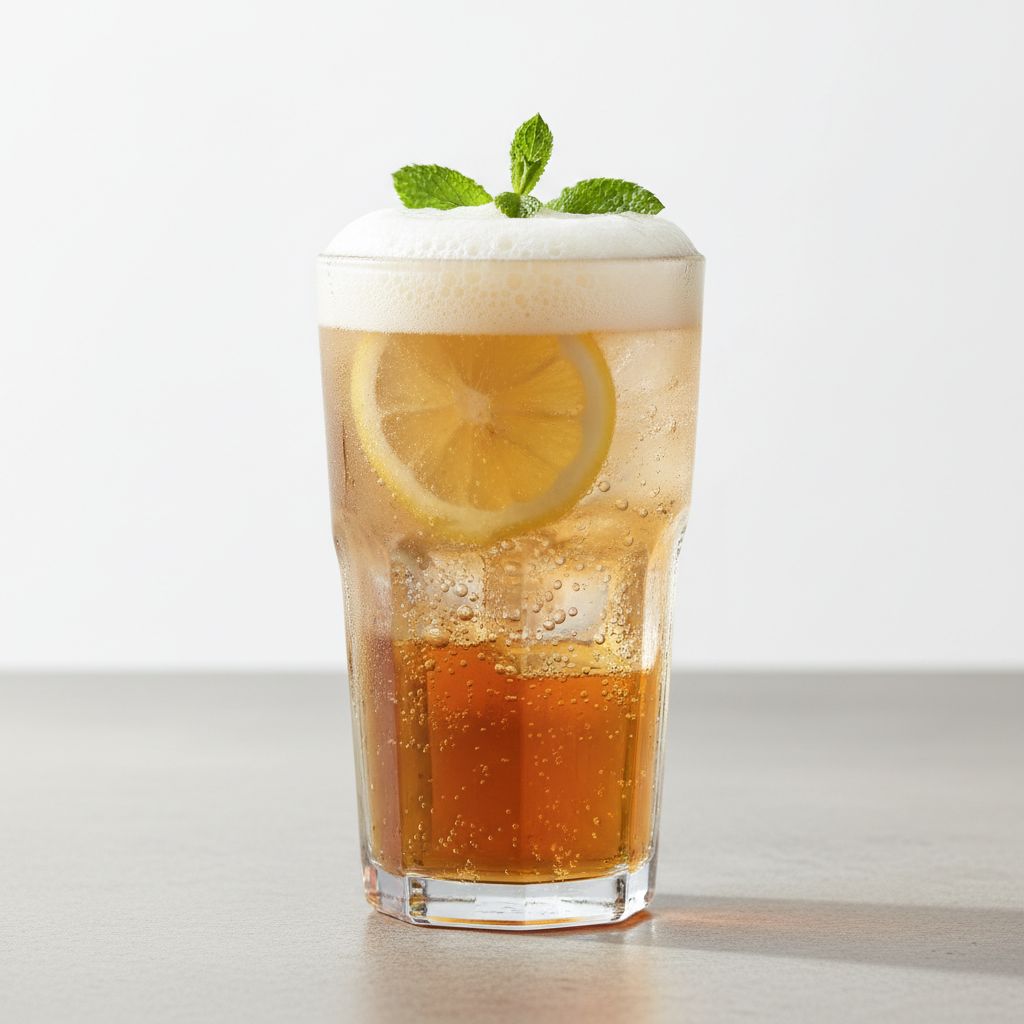
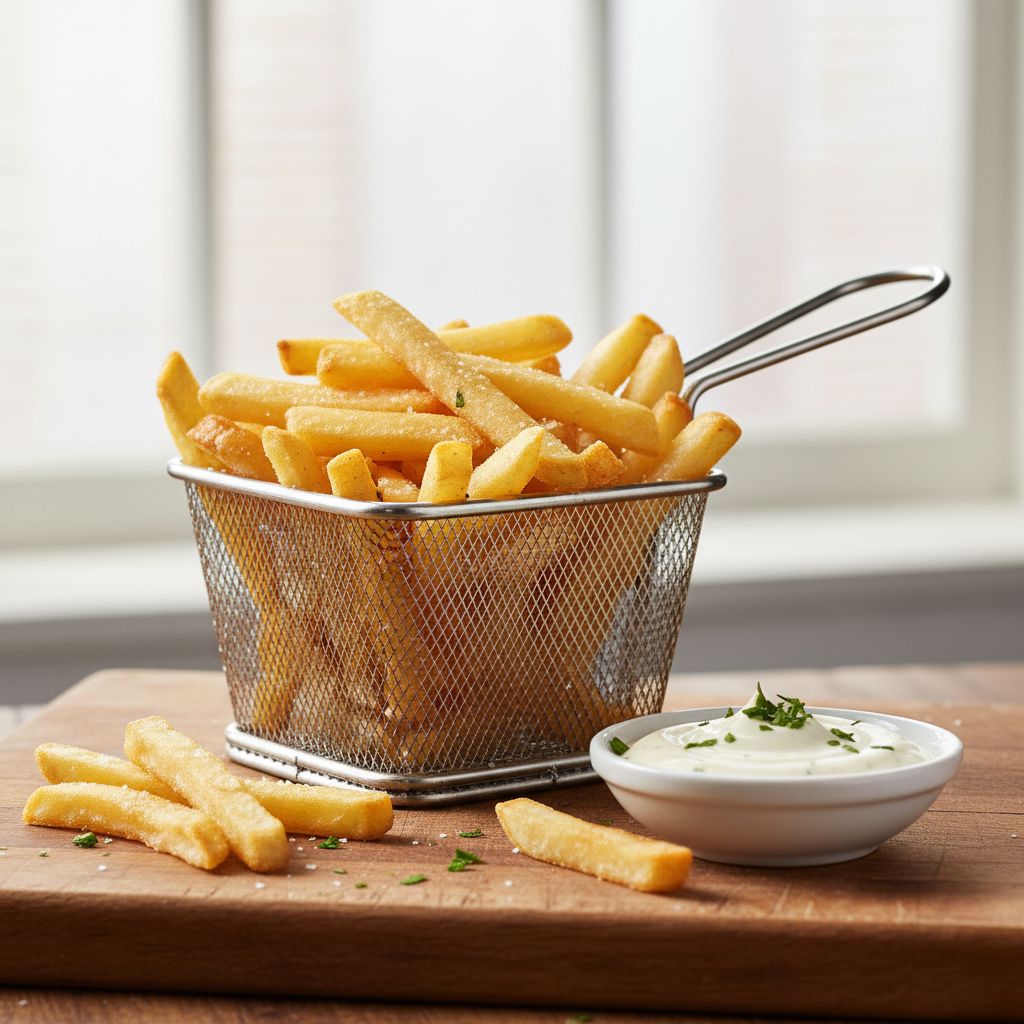
Foods to avoid
These inflammatory foods can worsen pcos (polycystic ovary syndrome) symptoms and should be limited or eliminated.



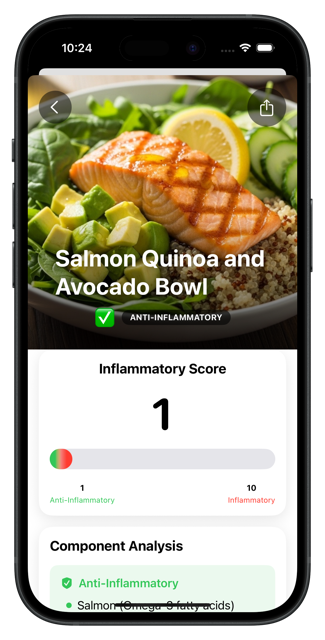
Get instant inflammation scores in your pocket
Scan any food with your camera, track your daily score, and get healthier swaps. Free on iOS & Android.


Dietary Tips for PCOS (Polycystic Ovary Syndrome)
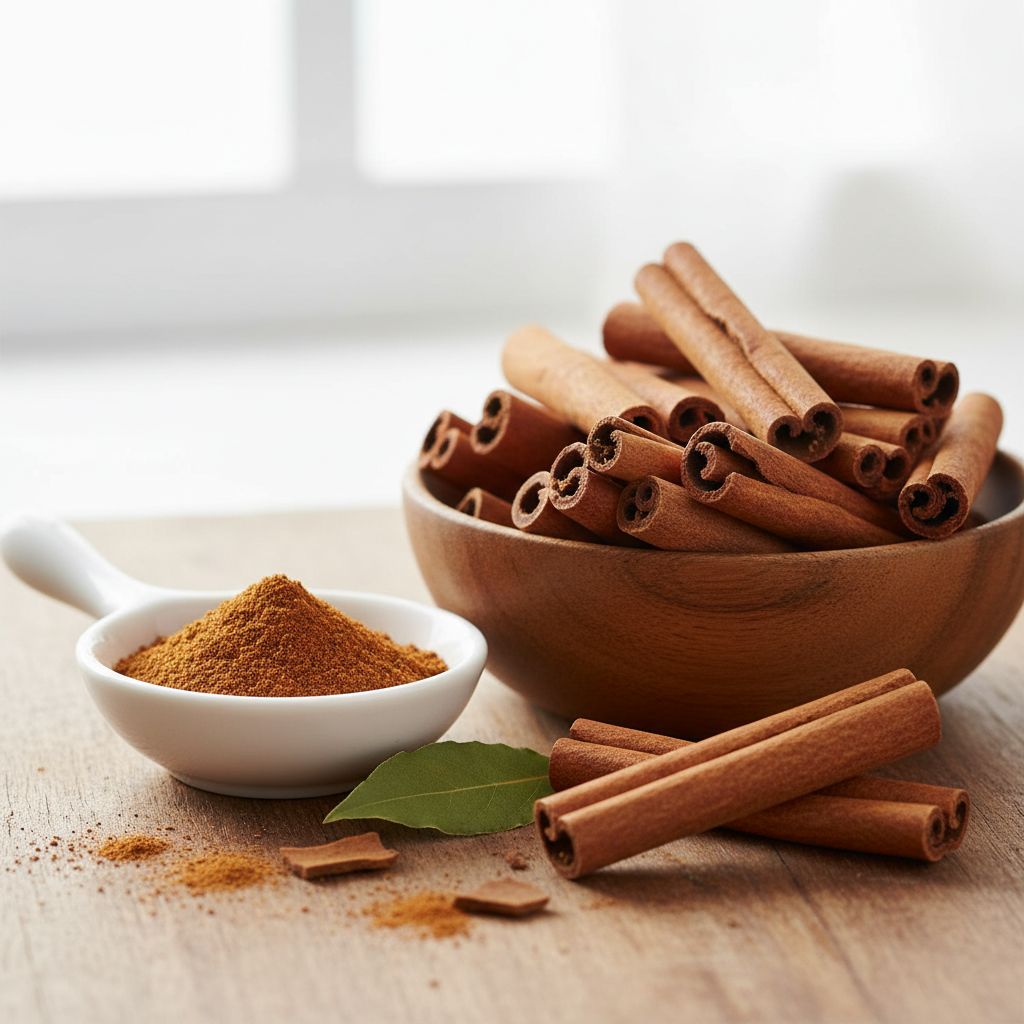
Add cinnamon to meals daily — it significantly improves insulin sensitivity in PCOS patients.
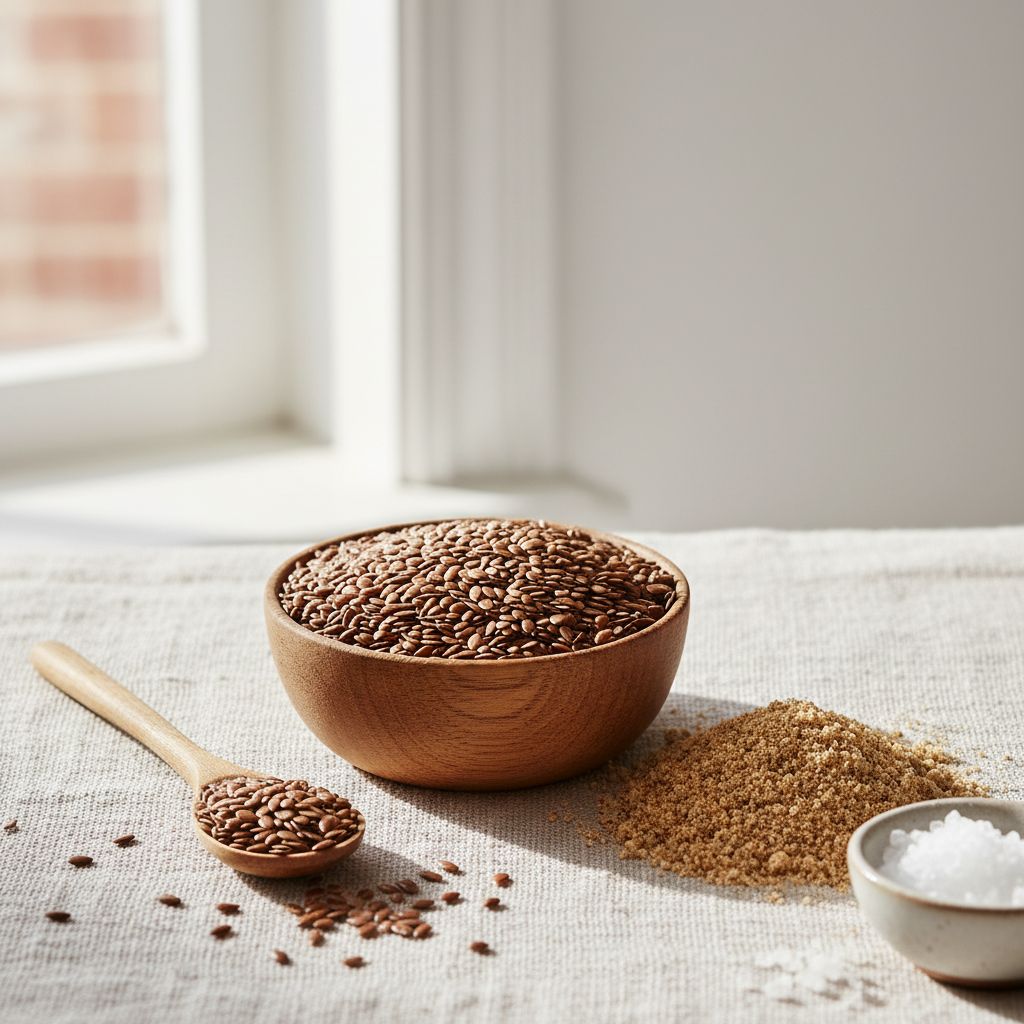
Eat ground flaxseeds daily to reduce androgen levels and improve hormonal balance.
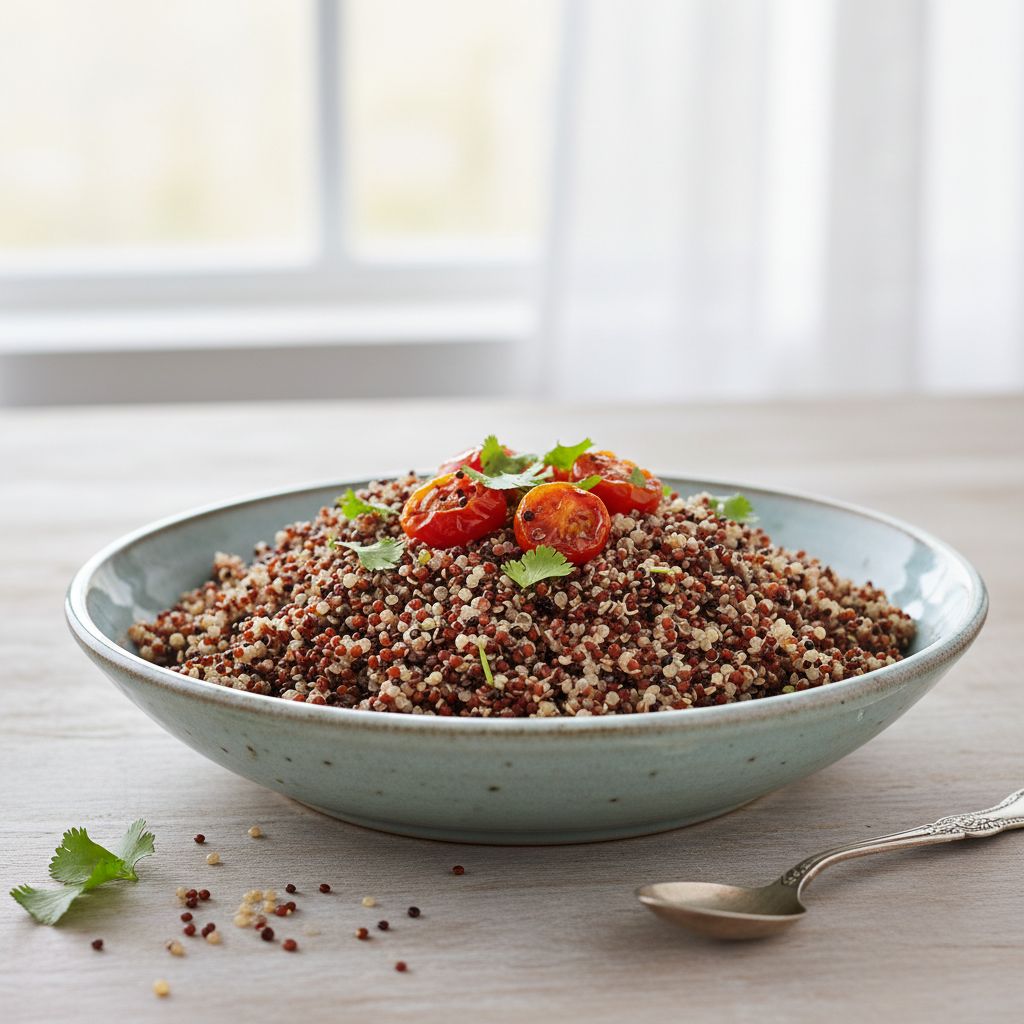
Choose low-glycemic carbs like lentils and quinoa to prevent the insulin spikes that worsen PCOS.
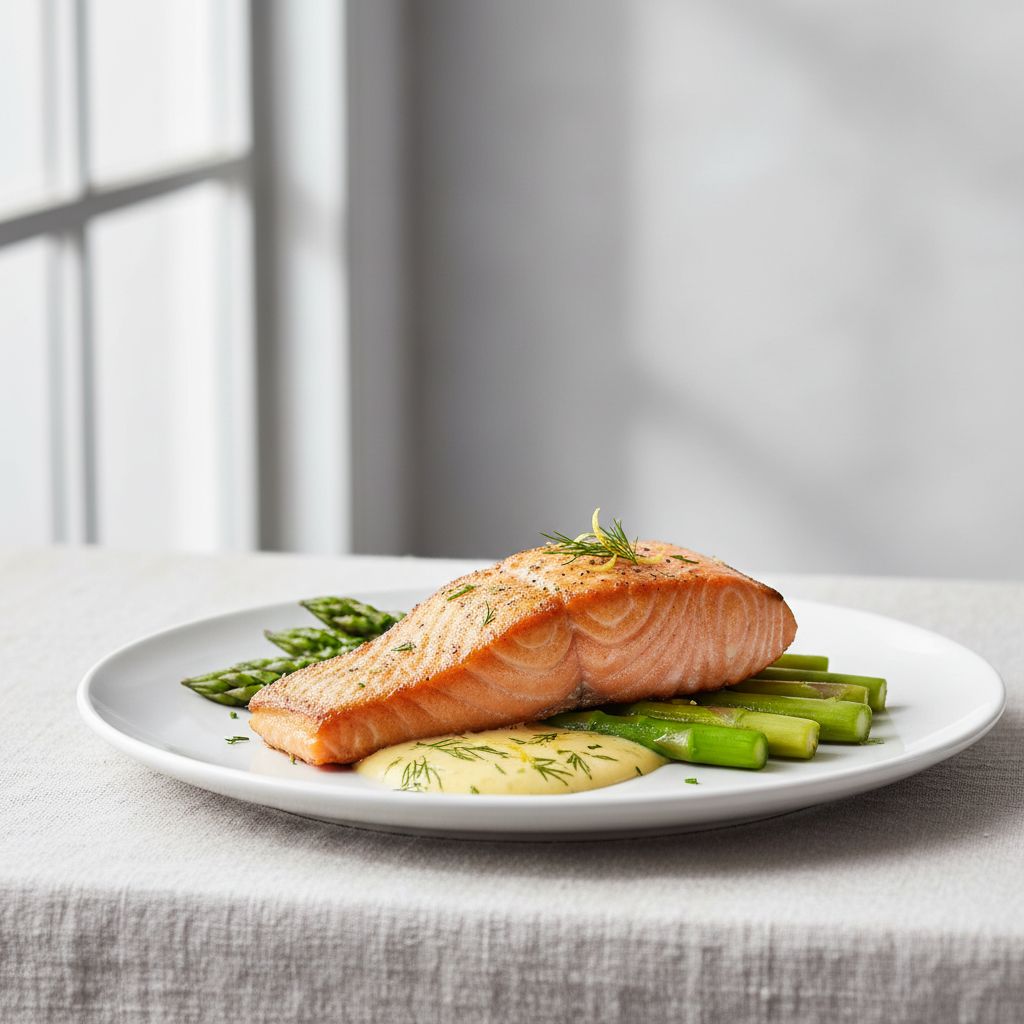
Include omega-3-rich salmon and sardines to reduce inflammation and support egg quality.
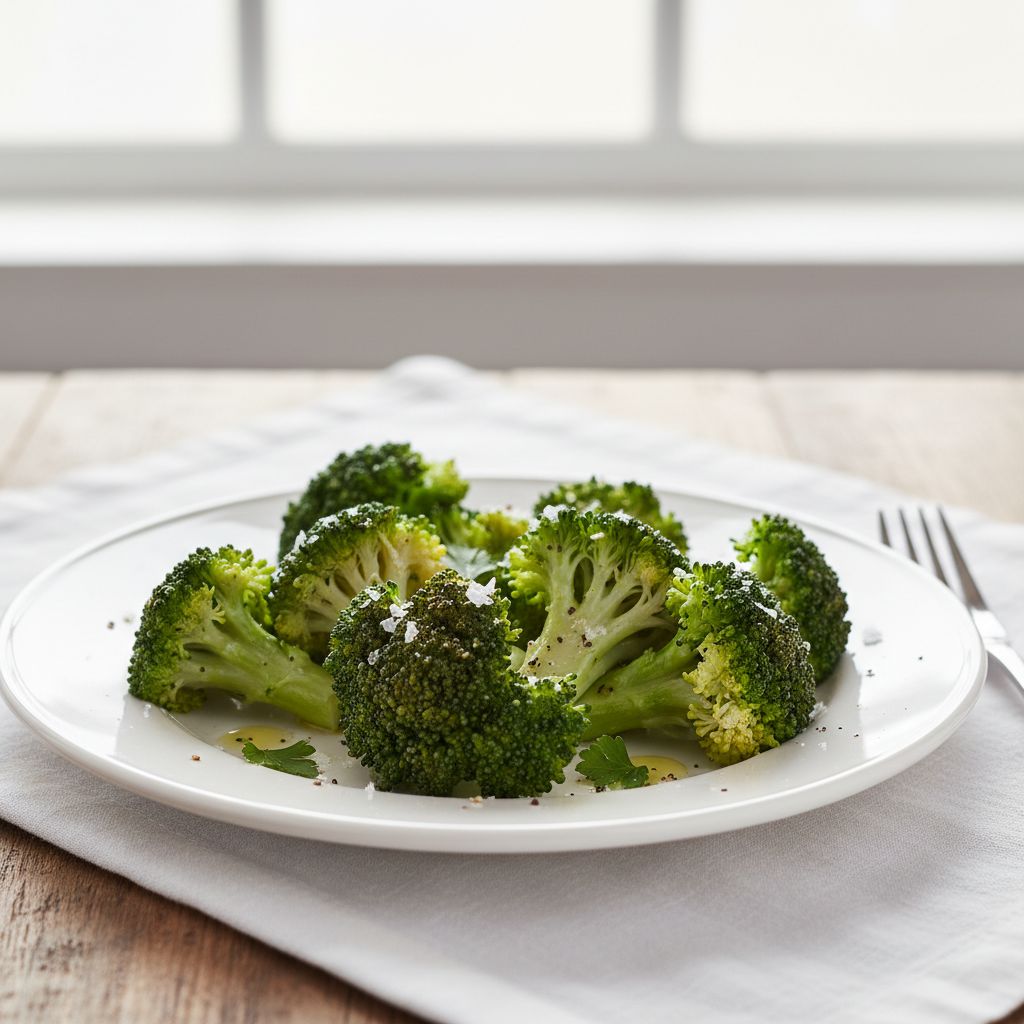
Eat cruciferous vegetables like broccoli to support estrogen metabolism and hormonal balance.
Avoid refined sugars and white flour products, which are the biggest insulin-spiking triggers.
Frequently Asked Questions
Q.Can an anti-inflammatory diet help PCOS?
Yes, an anti-inflammatory diet is one of the most effective interventions for PCOS. Research shows it can reduce androgen levels by 20-30%, restore regular ovulation, improve insulin sensitivity, and reduce symptoms like acne and hair growth. Many women notice improvements in menstrual regularity within 2-3 months of consistent dietary changes.
Q.What foods should you avoid with PCOS?
Women with PCOS should avoid refined sugars, white bread and flour, sugary beverages, fried foods, and high-glycemic processed foods. These foods spike insulin levels, which increases androgen production and worsens all PCOS symptoms. Dairy and gluten may also be triggers for some women and are worth evaluating through an elimination approach.
Q.Does cinnamon help PCOS?
Yes, multiple studies show that cinnamon significantly improves insulin sensitivity in women with PCOS. A study published in Fertility and Sterility found that cinnamon supplementation improved menstrual cyclicity in PCOS patients. Adding 1-2 teaspoons of Ceylon cinnamon to daily meals or drinks can be a simple but effective dietary strategy.
Educational content. Not medical advice.
Information on this page is for educational purposes only. It is not a substitute for professional medical advice, diagnosis, or treatment. Consult your healthcare provider before changing your diet, especially if you have a medical condition, take medications, or are pregnant or breastfeeding. Read the full disclaimer.
Scan a food in 2 seconds. Know if it's healing or hurting you.
Point your camera at any meal, ingredient, or label. Get an instant inflammation score, the science behind it, and better alternatives. All free.