Anti-Inflammatory Diet for Joint Pain
10
Foods to eat
8
Foods to avoid
6
Common symptoms
6
Dietary tips
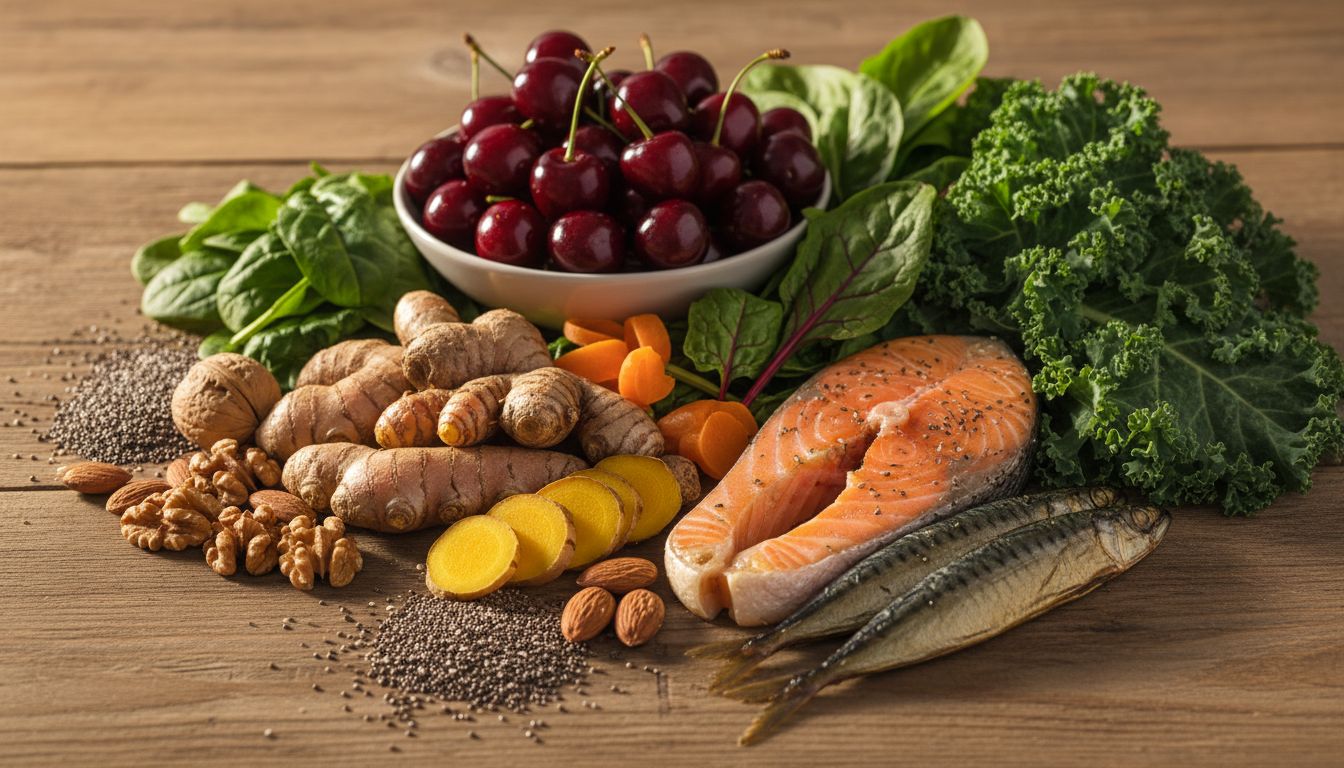
The foods, tips, and strategies to manage joint pain through anti-inflammatory eating.
Common symptoms
- Aching or throbbing in joints
- Stiffness, especially in the morning
- Swelling or puffiness around joints
- Reduced flexibility and range of motion
- Cracking or popping sounds in joints
- Pain that worsens with weather changes
At a glance
Eat 10 inflammation-fighting foods, limit 8 known triggers, and follow 6 dietary tips to help manage joint pain.
Understanding Joint Pain & Inflammation
Joint pain is one of the most common manifestations of chronic inflammation, affecting millions of people regardless of age. While it can stem from various causes including injury, overuse, or autoimmune conditions, the underlying mechanism almost always involves inflammatory mediators like prostaglandins, cytokines, and histamines that sensitize nerve endings and cause the swelling, warmth, and discomfort associated with painful joints.
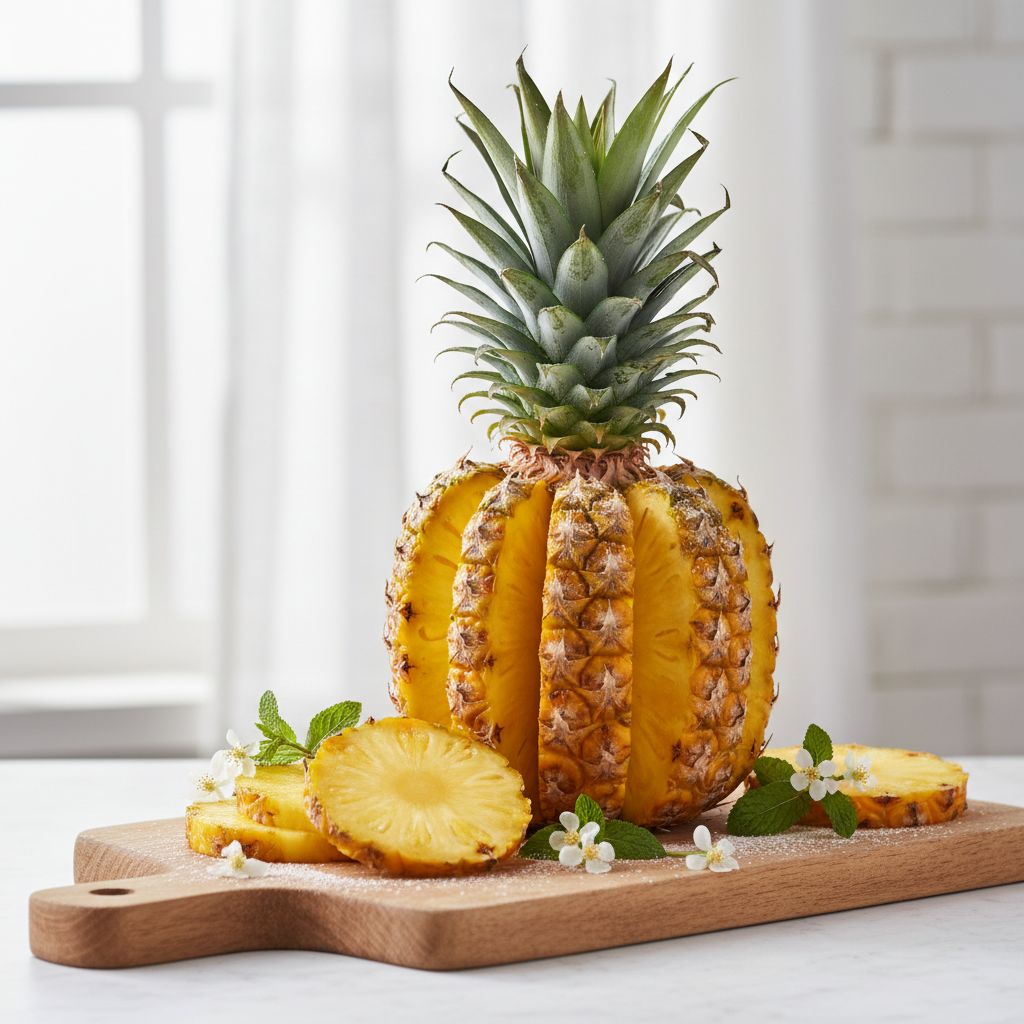
Diet can profoundly influence joint pain by either fueling or fighting the inflammation that causes it. Omega-3 fatty acids from fish oil have been shown in clinical trials to reduce joint pain as effectively as NSAIDs in some patients, with the added benefit of no gastrointestinal side effects. Similarly, curcumin from turmeric, bromelain from pineapple, and gingerols from ginger all demonstrate clinically significant anti-inflammatory effects on joint tissues.
A comprehensive anti-inflammatory diet for joint pain focuses on building a foundation of protective nutrients while eliminating dietary triggers that promote inflammation. Many people report meaningful pain reduction within 2-4 weeks of dietary changes, with continued improvement over months as chronic inflammation gradually resolves.
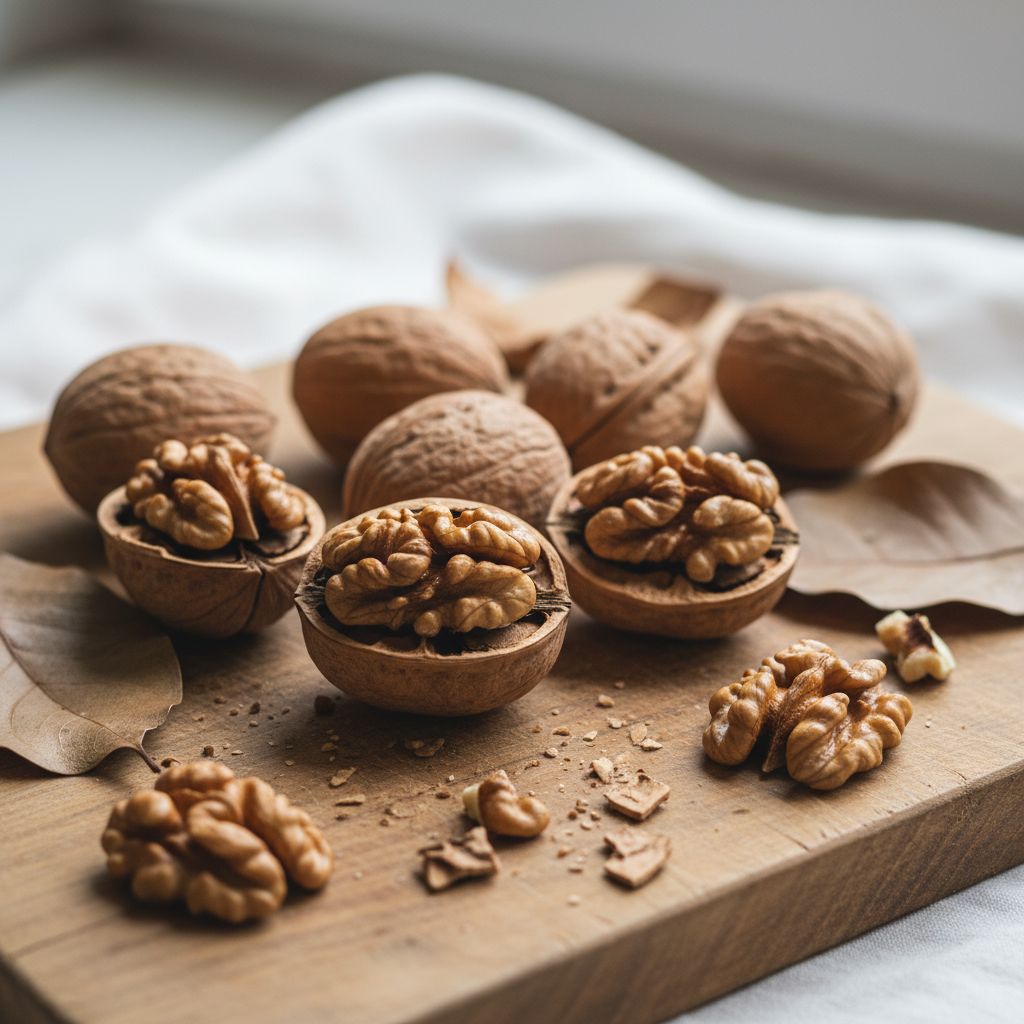
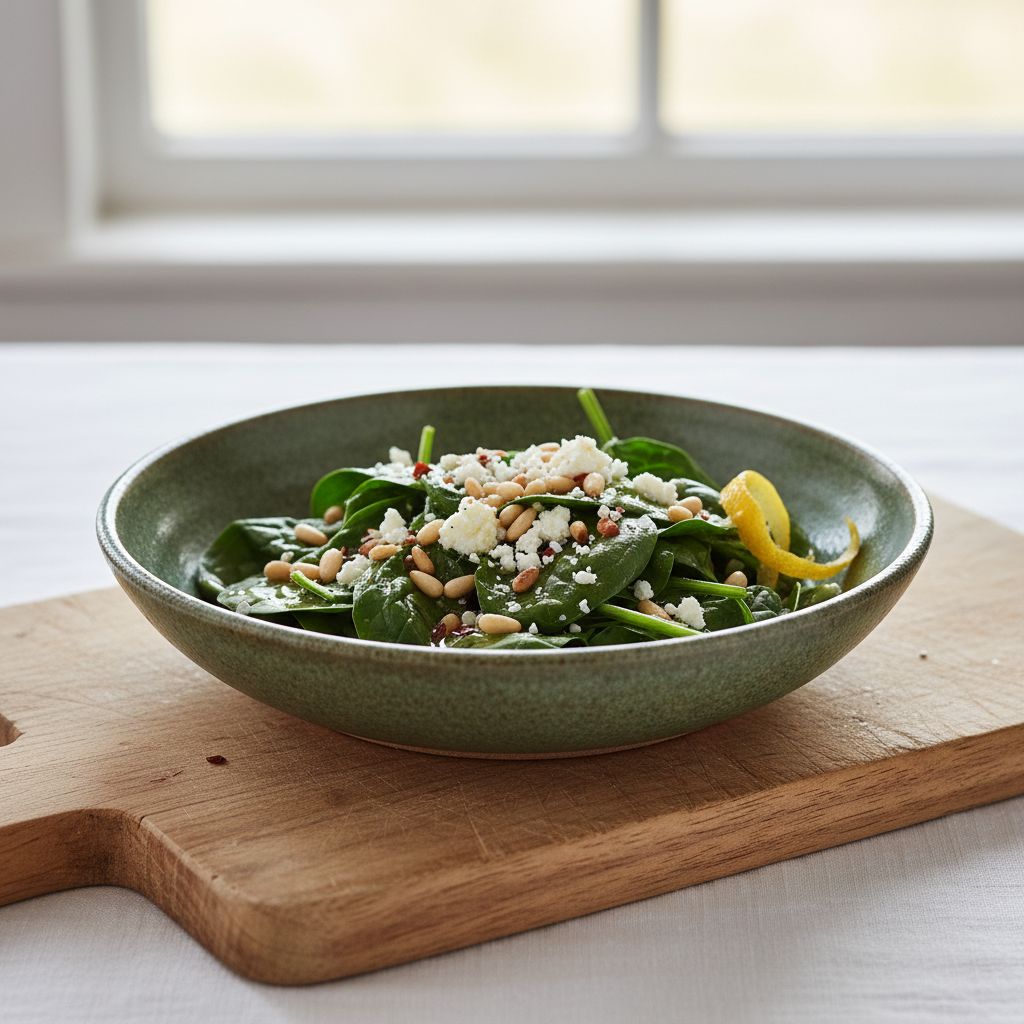
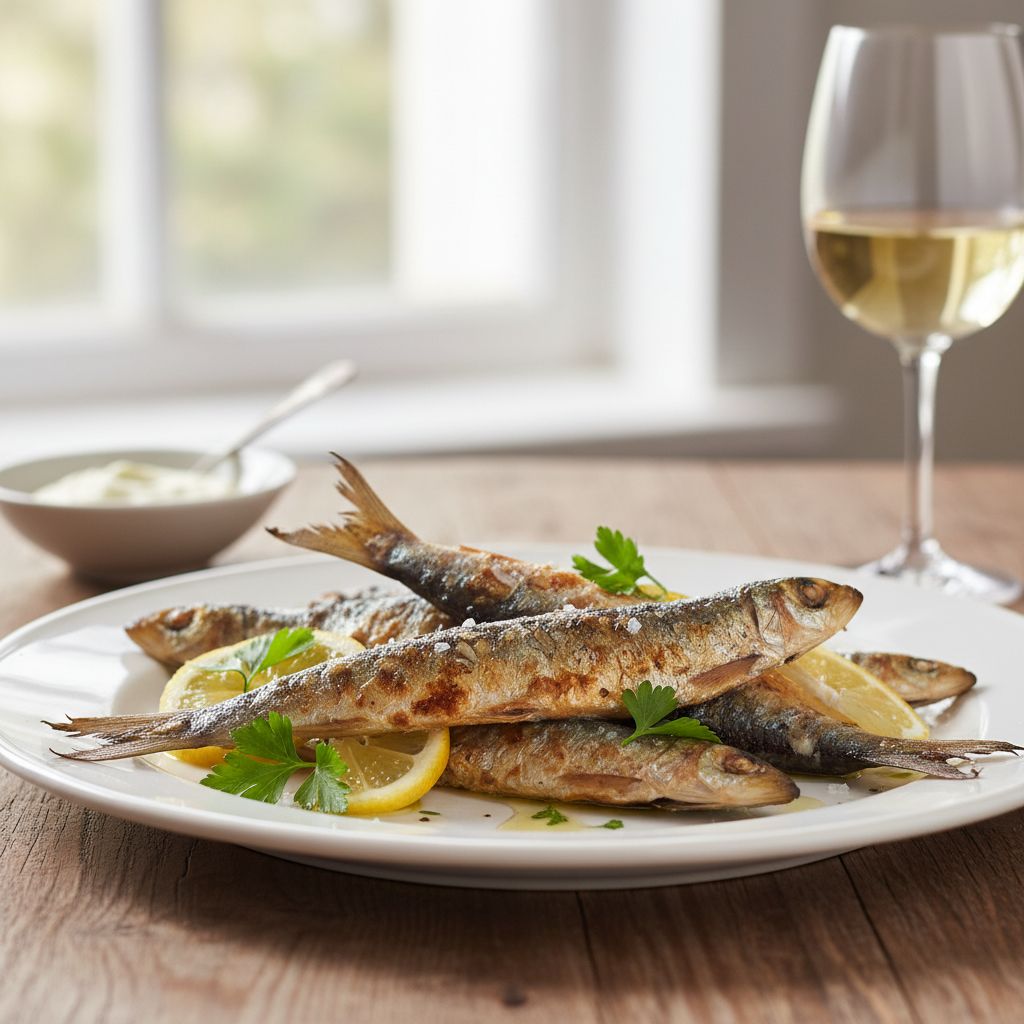
Foods to eat
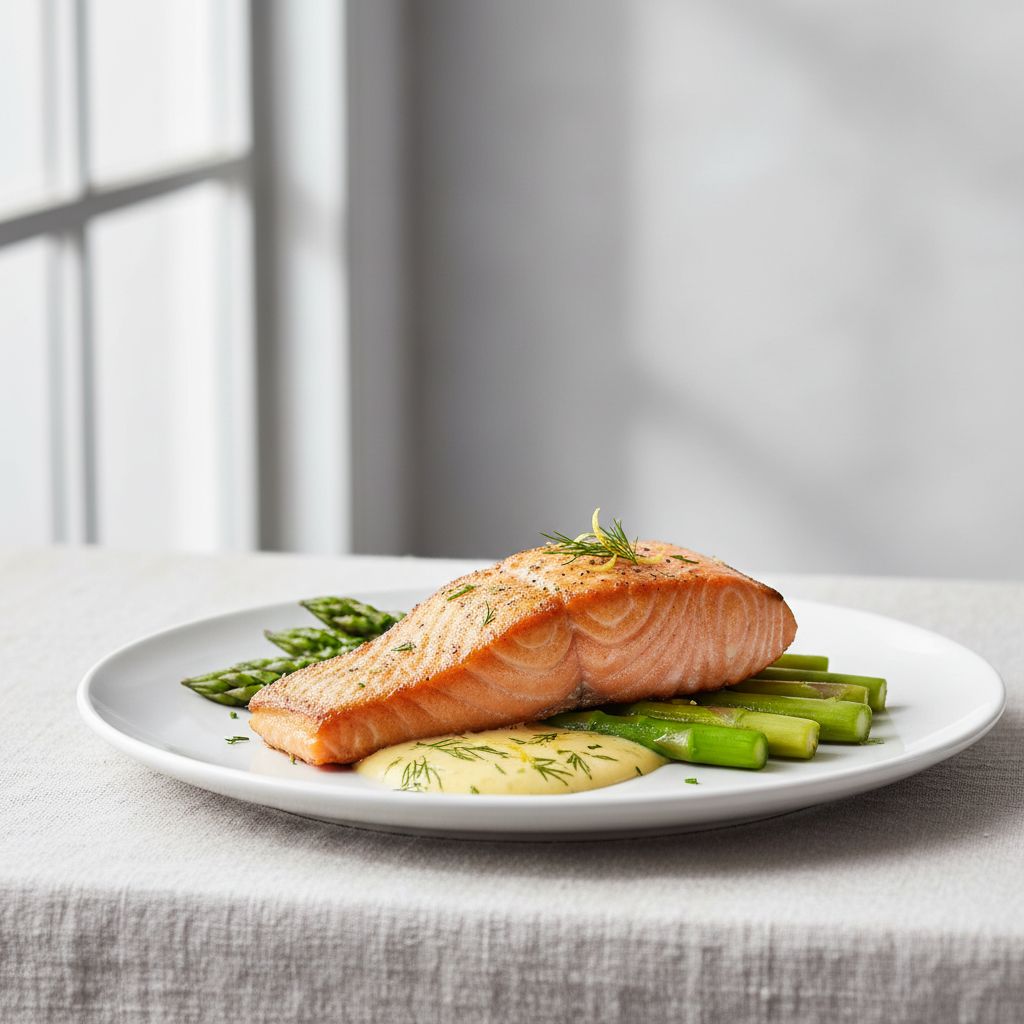
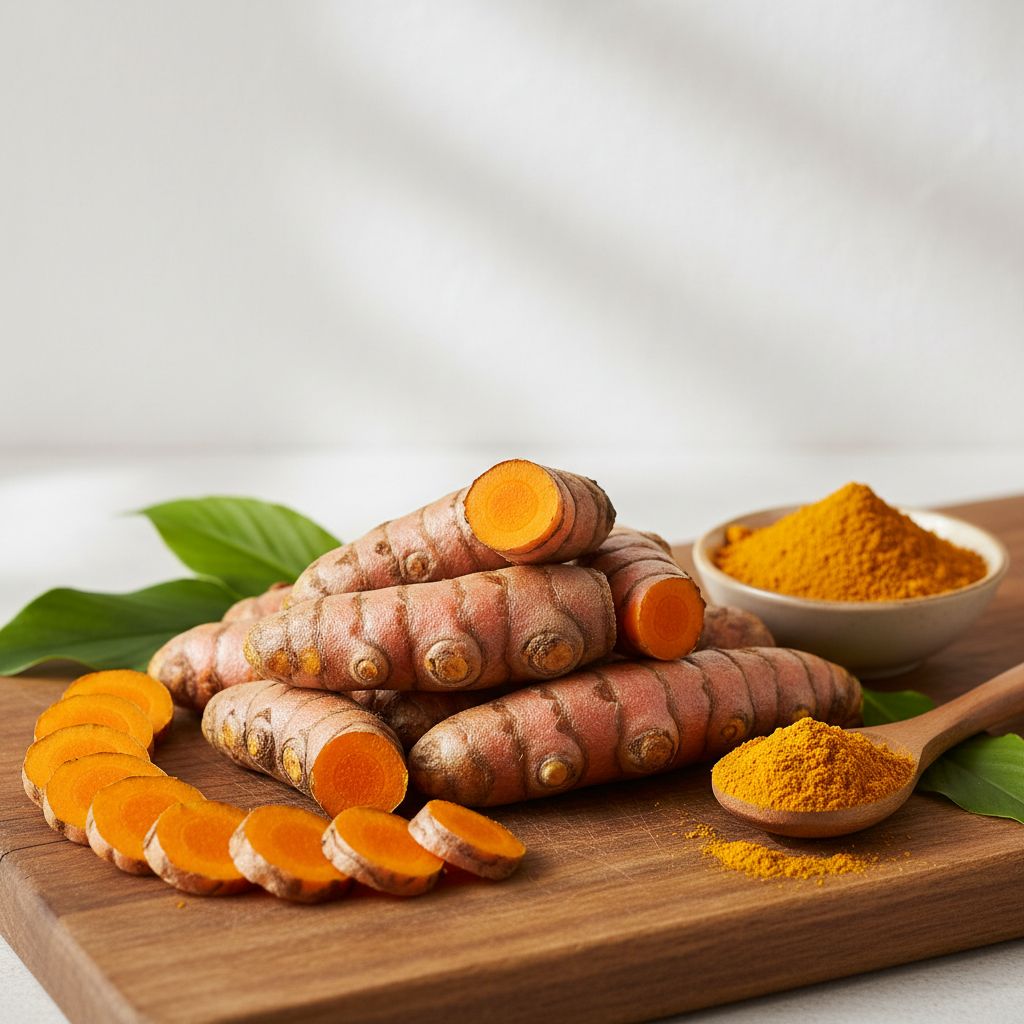
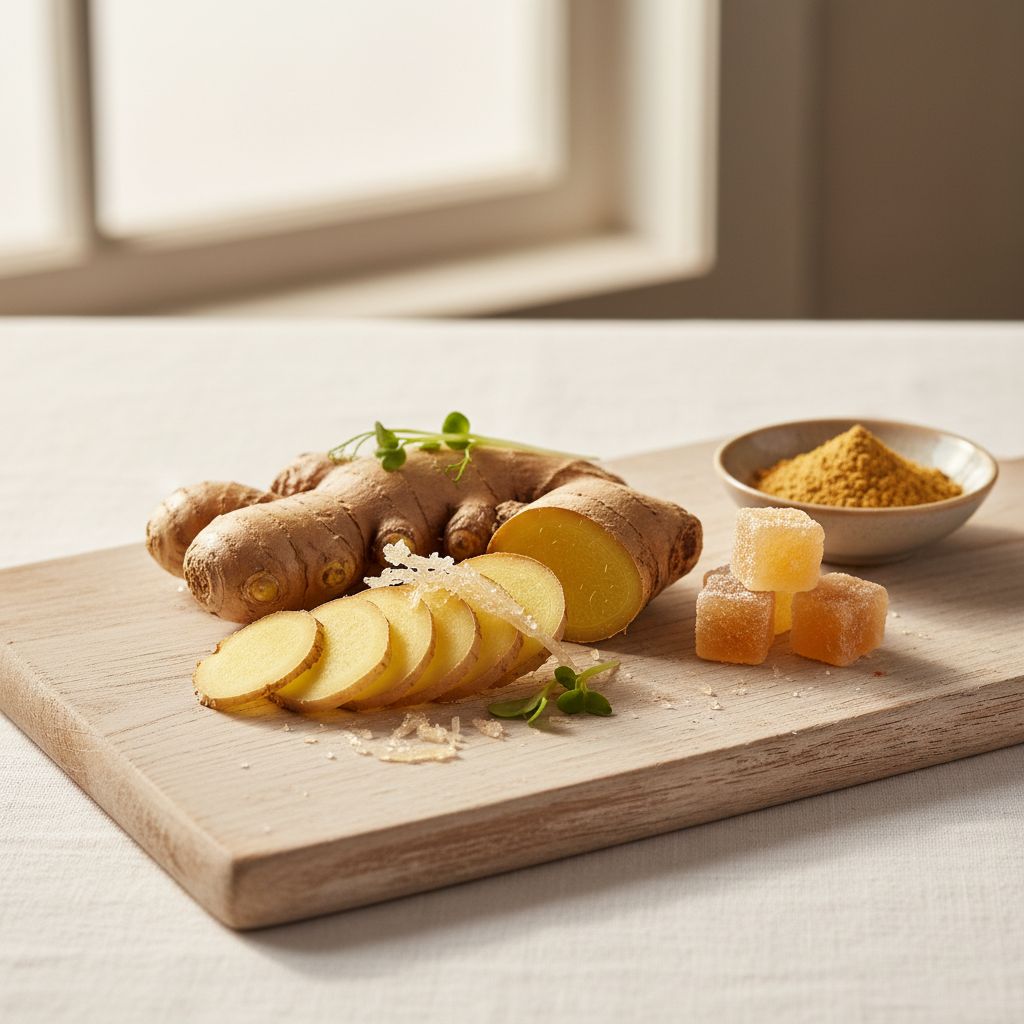
These foods have been shown to help reduce inflammation associated with joint pain.
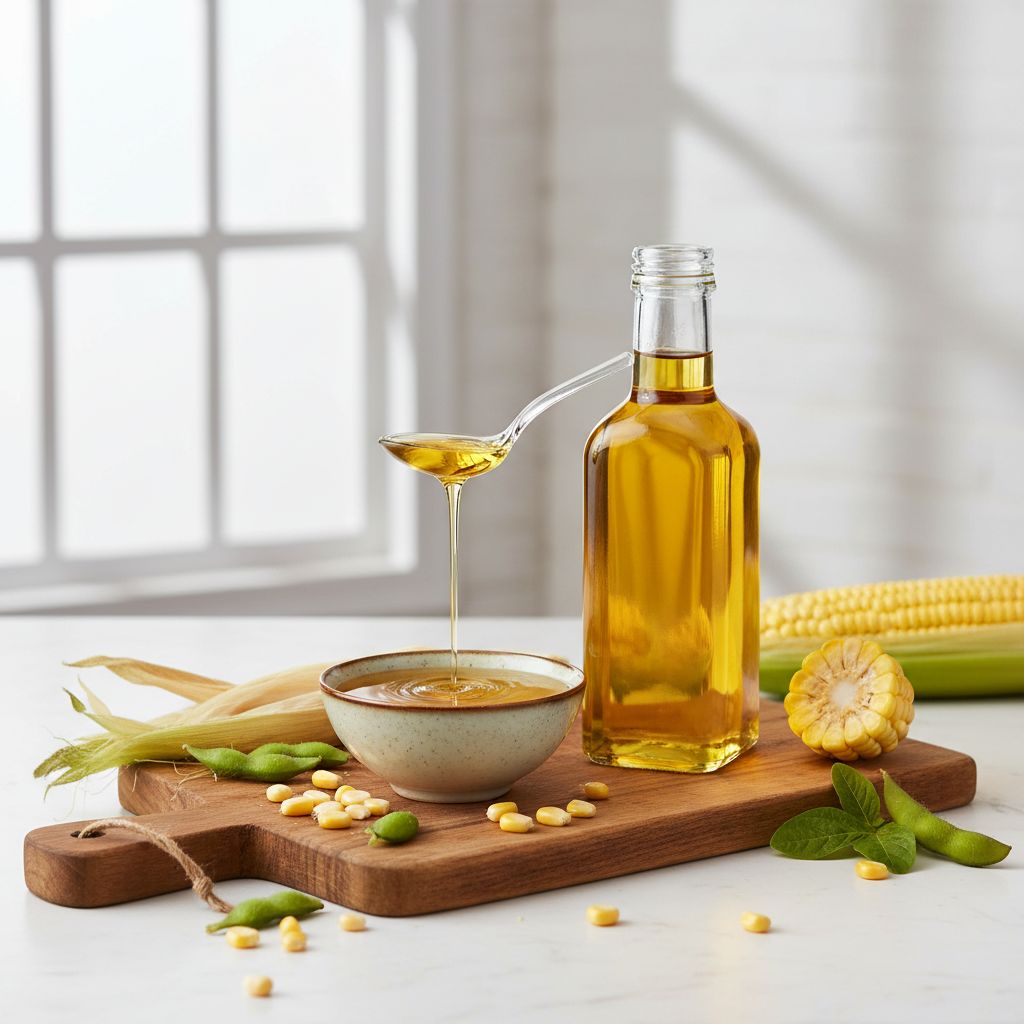
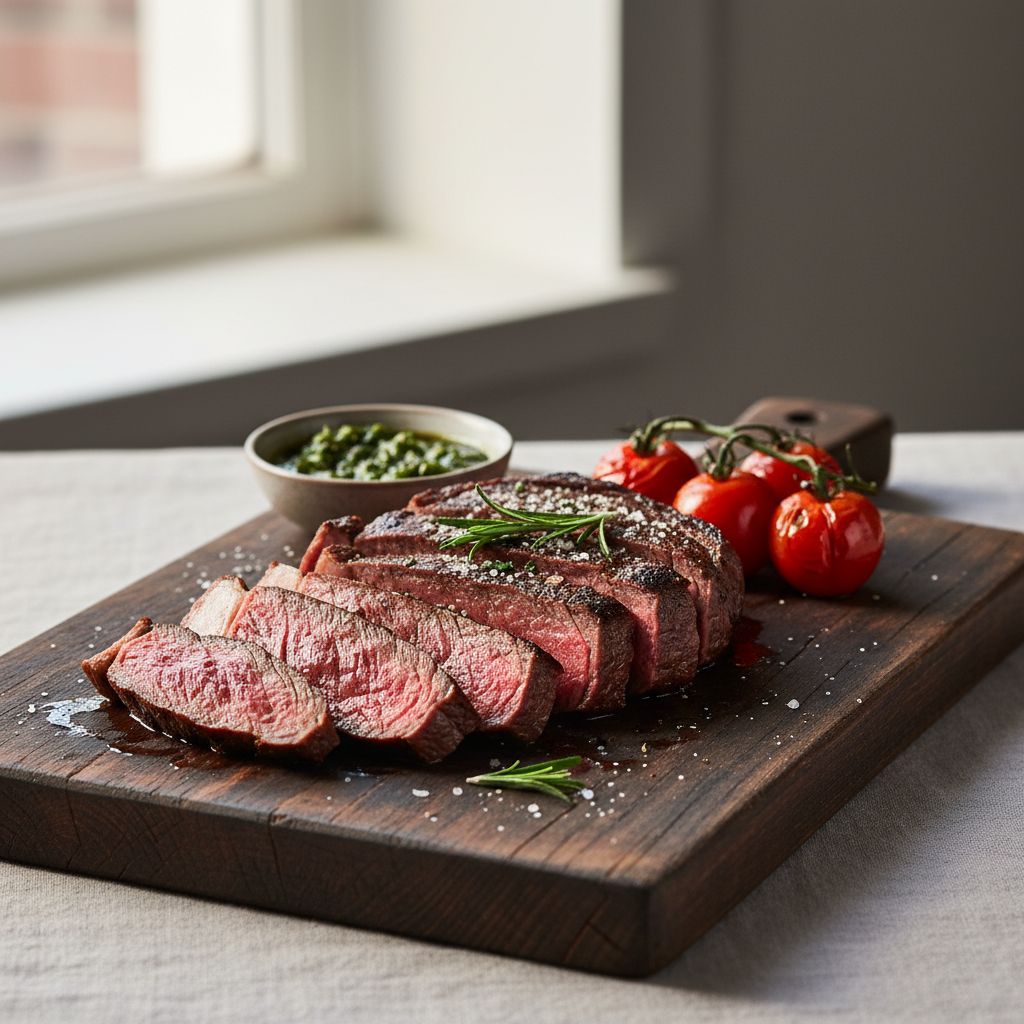
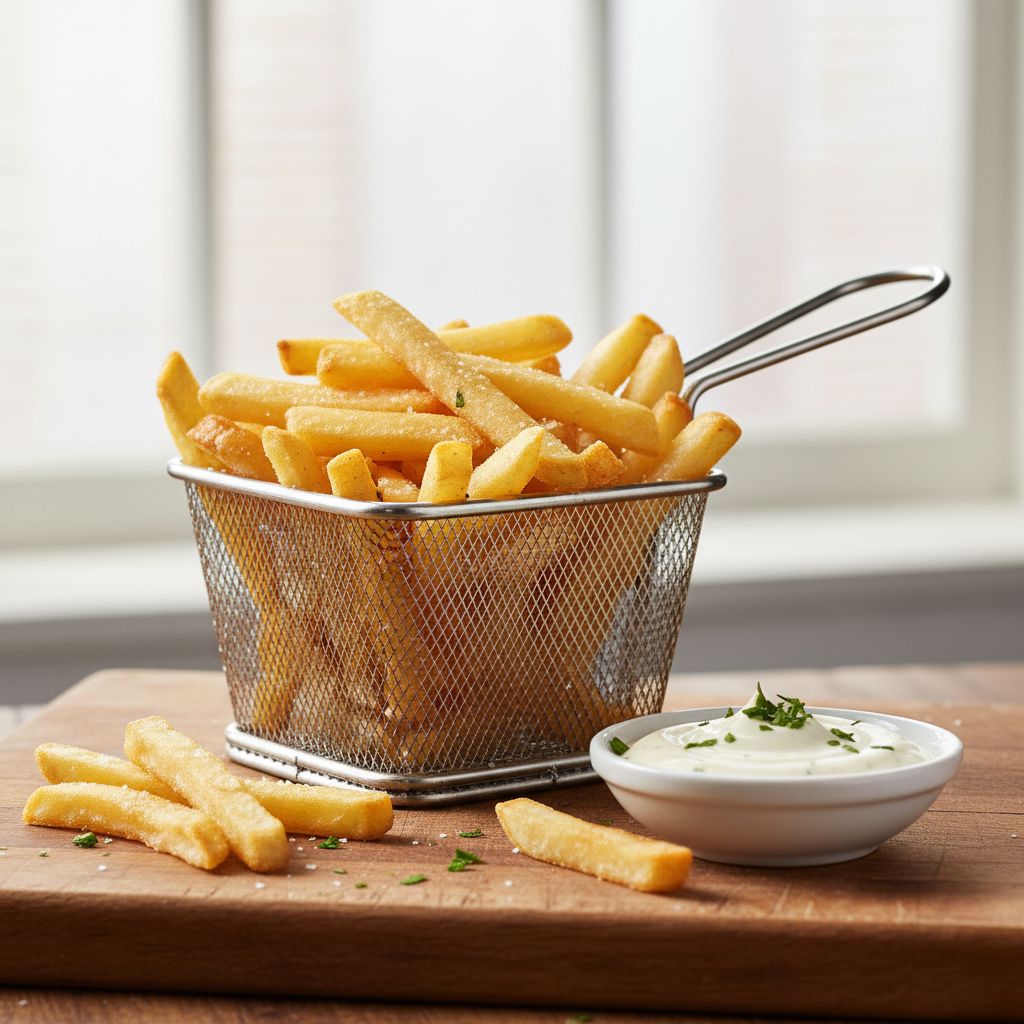
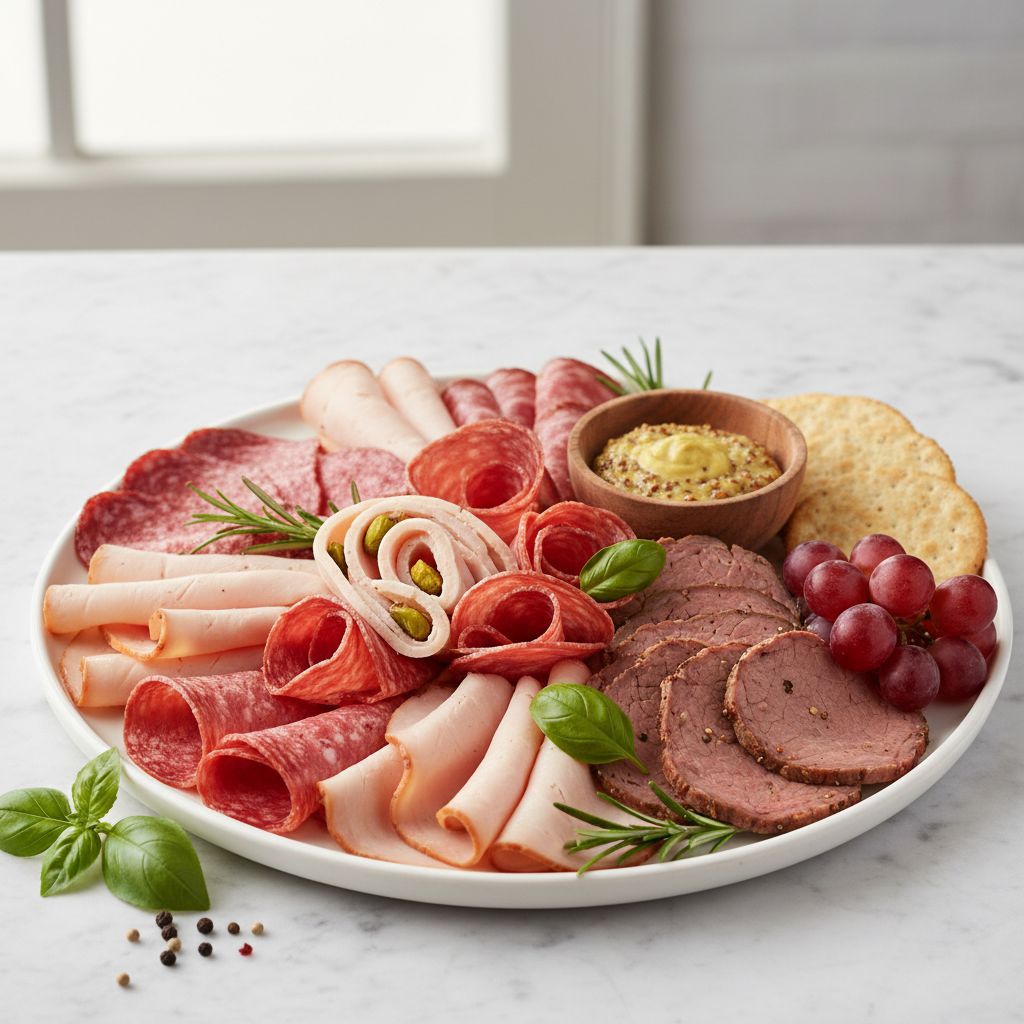
Foods to avoid
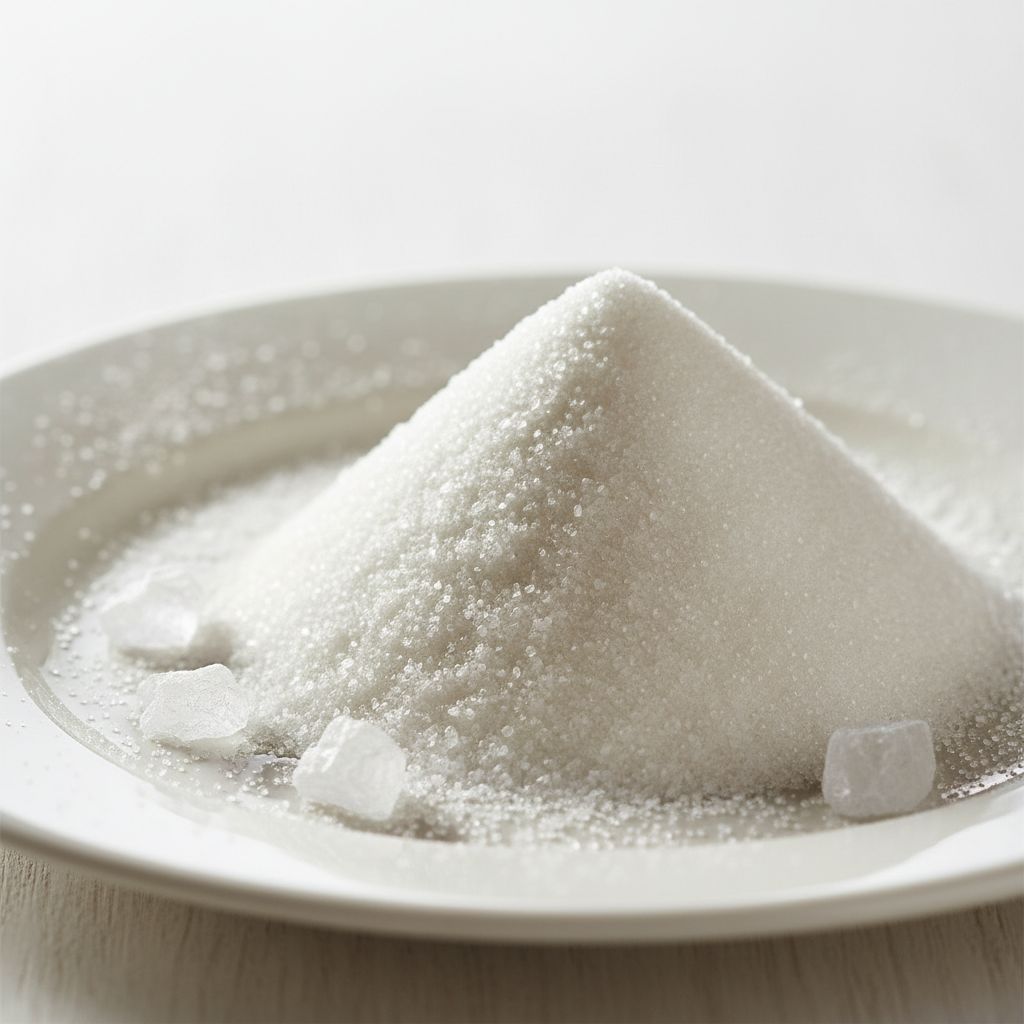
These inflammatory foods can worsen joint pain symptoms and should be limited or eliminated.


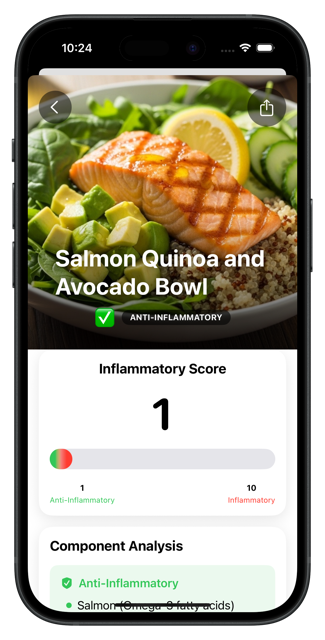
Get instant inflammation scores in your pocket
Scan any food with your camera, track your daily score, and get healthier swaps. Free on iOS & Android.


Dietary Tips for Joint Pain
Take omega-3s through fatty fish or supplements — studies show they reduce joint stiffness and pain.
Add turmeric with black pepper to meals to reduce inflammatory prostaglandins in joints.
Eat fresh pineapple for its bromelain enzyme, which has natural anti-inflammatory and pain-reducing effects.
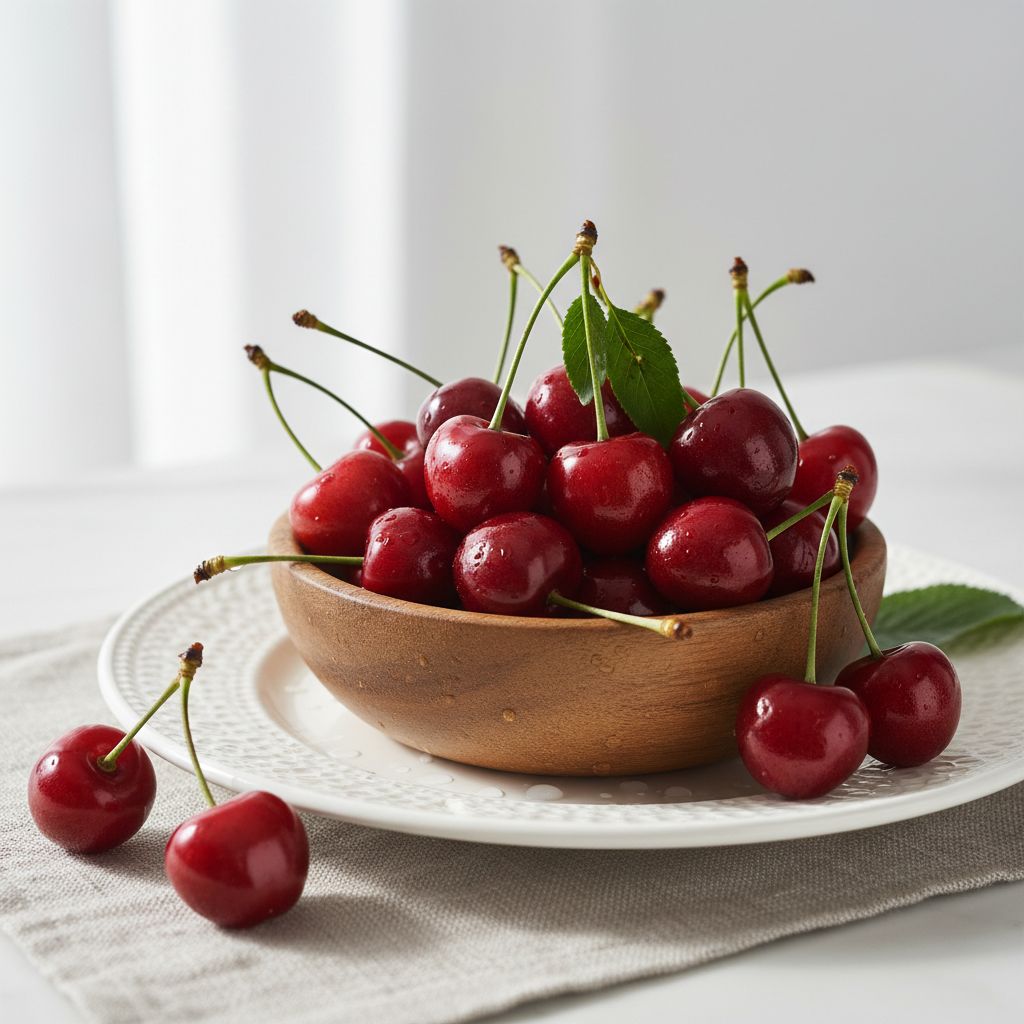
Include cherries or tart cherry juice to lower uric acid and reduce joint inflammation markers.
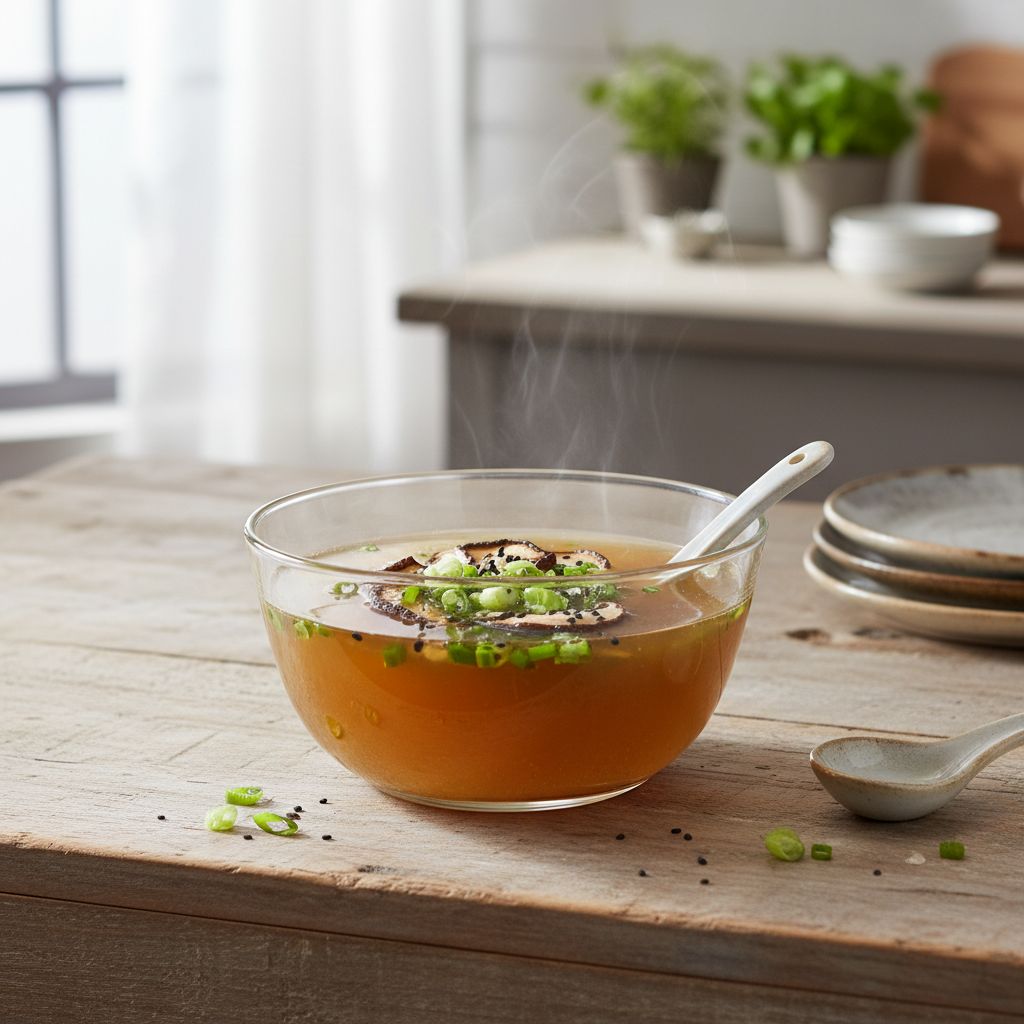
Drink bone broth for collagen, glucosamine, and chondroitin — natural joint-supporting compounds.
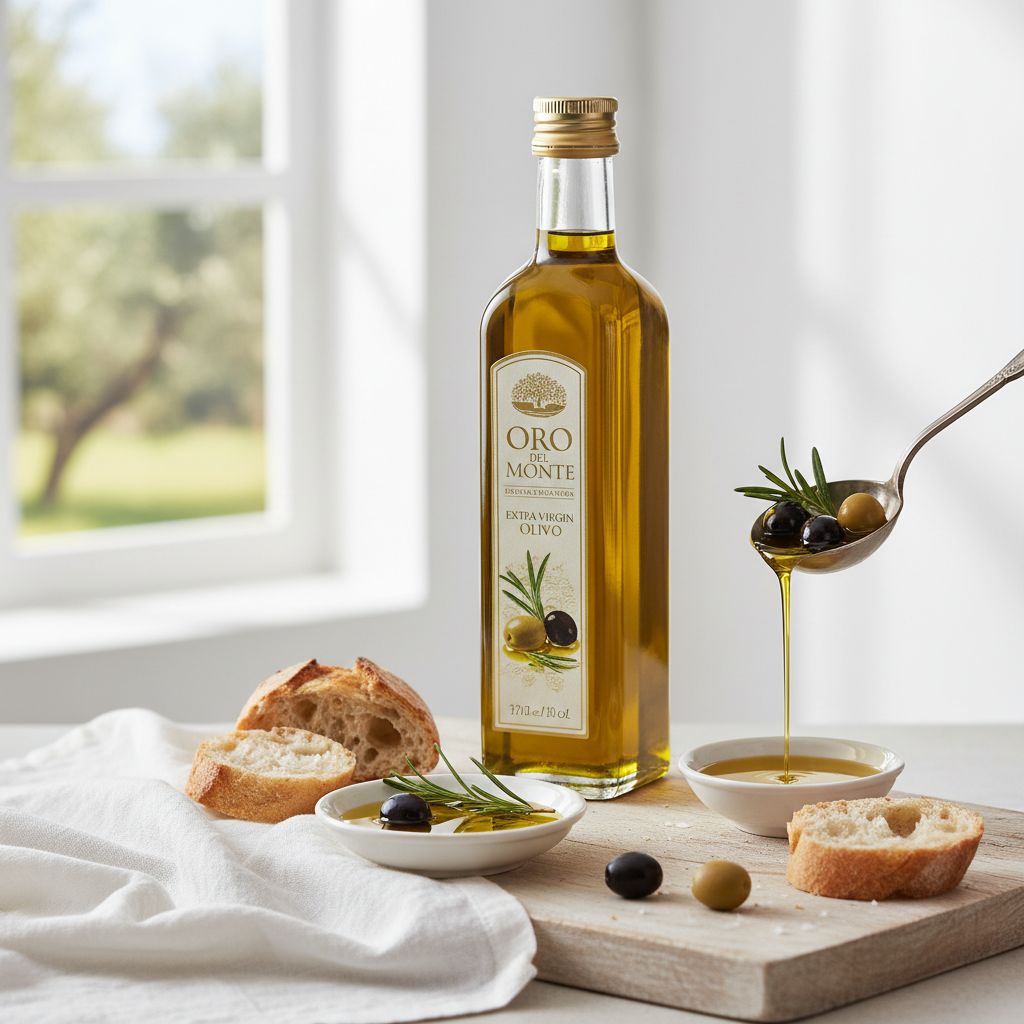
Avoid omega-6-heavy vegetable oils and fried foods, which promote inflammatory prostaglandin production.
Frequently Asked Questions
Q.Can diet reduce joint pain without medication?
Yes, clinical studies show that anti-inflammatory diets can reduce joint pain significantly. Omega-3 fatty acids from fish have been shown to be as effective as NSAIDs for some patients, while curcumin from turmeric and ginger extract both demonstrate clinically meaningful pain reduction. Many people can reduce their reliance on pain medications through consistent dietary changes.
Q.What are the worst foods for joint pain?
The worst foods for joint pain include refined sugar (increases inflammatory cytokines), vegetable oils high in omega-6 (promote inflammatory prostaglandins), processed meats (contain advanced glycation end-products), fried foods (create inflammatory compounds during cooking), and excessive alcohol (triggers inflammatory responses). Eliminating these foods often provides rapid pain relief.
Q.How quickly does an anti-inflammatory diet help joint pain?
Most people notice initial improvements in joint pain within 2-4 weeks of adopting an anti-inflammatory diet. Stiffness often improves first, followed by reduced swelling and pain. Maximum benefits are typically seen after 2-3 months of consistent dietary changes, as chronic inflammation gradually resolves throughout the body.
Educational content. Not medical advice.
Information on this page is for educational purposes only. It is not a substitute for professional medical advice, diagnosis, or treatment. Consult your healthcare provider before changing your diet, especially if you have a medical condition, take medications, or are pregnant or breastfeeding. Read the full disclaimer.
Scan a food in 2 seconds. Know if it's healing or hurting you.
Point your camera at any meal, ingredient, or label. Get an instant inflammation score, the science behind it, and better alternatives. All free.