Anti-Inflammatory Diet for Muscle Recovery
10
Foods to eat
8
Foods to avoid
6
Common symptoms
6
Dietary tips
The foods, tips, and strategies to manage muscle recovery through anti-inflammatory eating.
Common symptoms
- Prolonged muscle soreness (DOMS lasting 3+ days)
- Slow recovery between workouts
- Decreased performance over time
- Frequent injuries or strains
- Persistent fatigue despite rest days
- Joint pain during or after exercise
At a glance
Eat 10 inflammation-fighting foods, limit 8 known triggers, and follow 6 dietary tips to help manage muscle recovery.
Understanding Muscle Recovery & Inflammation
Muscle recovery after exercise involves a carefully orchestrated inflammatory response — initial inflammation is necessary to clear damaged tissue and initiate repair, but excessive or prolonged inflammation delays healing, increases soreness, and impairs performance. Athletes and active individuals who experience chronic muscle soreness, slow recovery, or overtraining syndrome often have elevated systemic inflammation that prevents proper muscle repair between workouts.
An anti-inflammatory diet for muscle recovery doesn't suppress the beneficial acute inflammatory response to exercise but instead prevents it from becoming chronic and counterproductive. Key nutrients include omega-3 fatty acids (which reduce DOMS — delayed onset muscle soreness), antioxidants like tart cherry anthocyanins (shown to reduce muscle pain by 25%), and protein combined with anti-inflammatory foods to optimize the muscle protein synthesis that drives recovery and growth.
Timing and food quality both matter for recovery nutrition. Consuming anti-inflammatory protein sources within 2 hours of exercise maximizes muscle repair, while consistent daily intake of anti-inflammatory foods keeps baseline inflammation low so your body can respond optimally to each training session. Athletes following anti-inflammatory diets report faster recovery, reduced injury rates, and improved performance over time.
Foods to eat
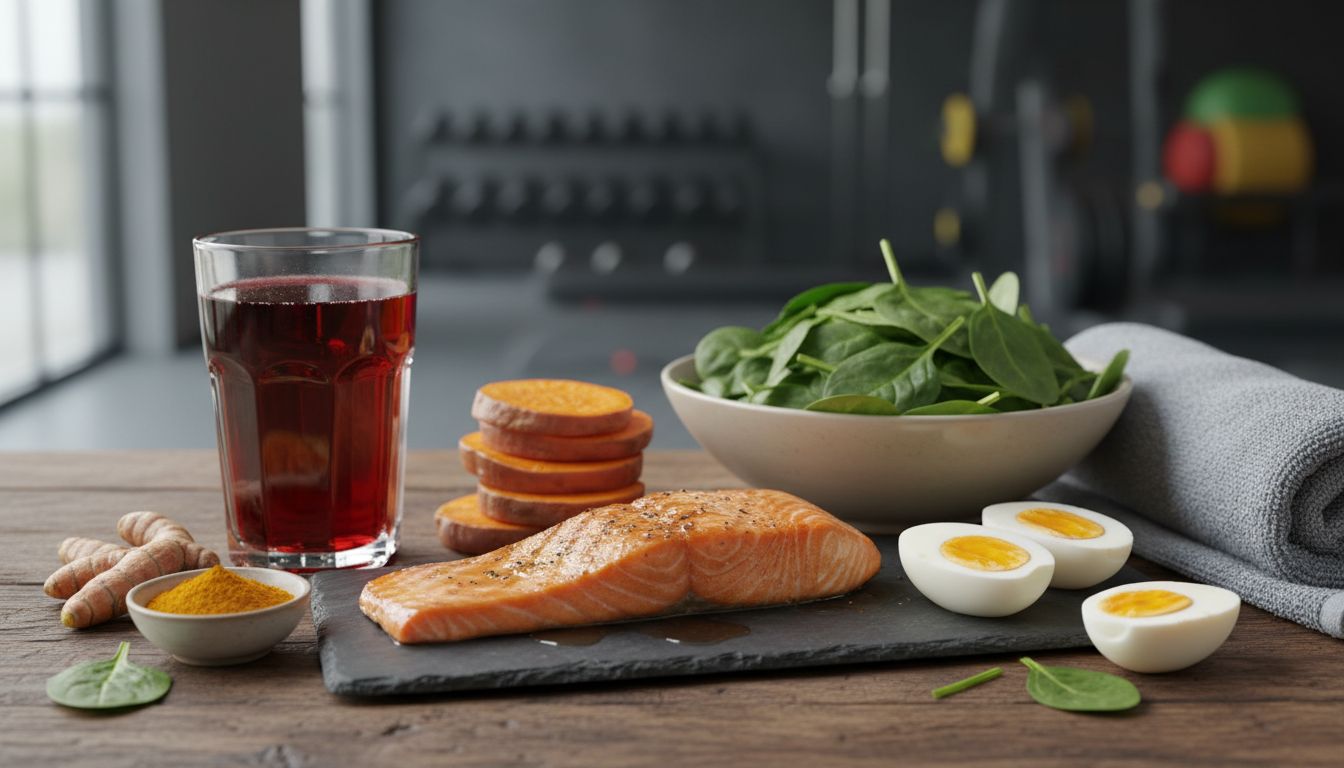
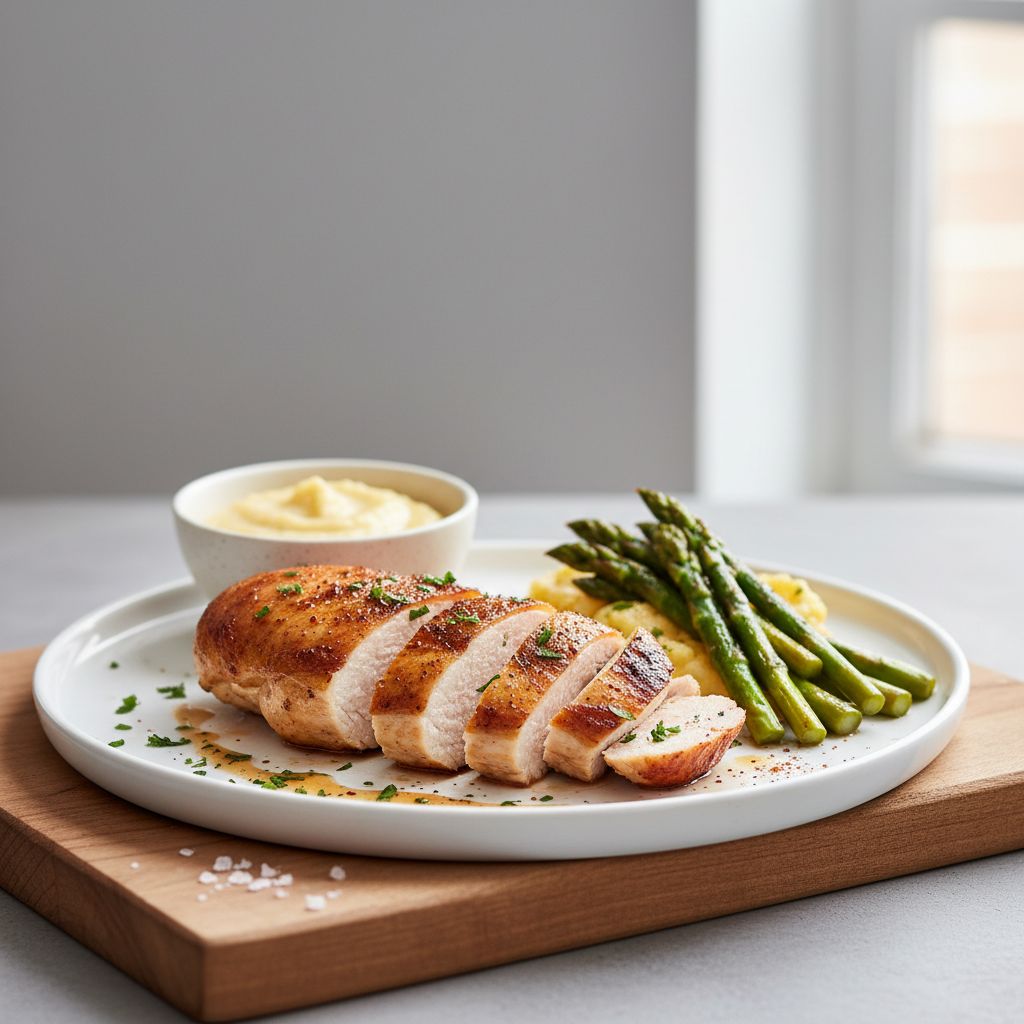
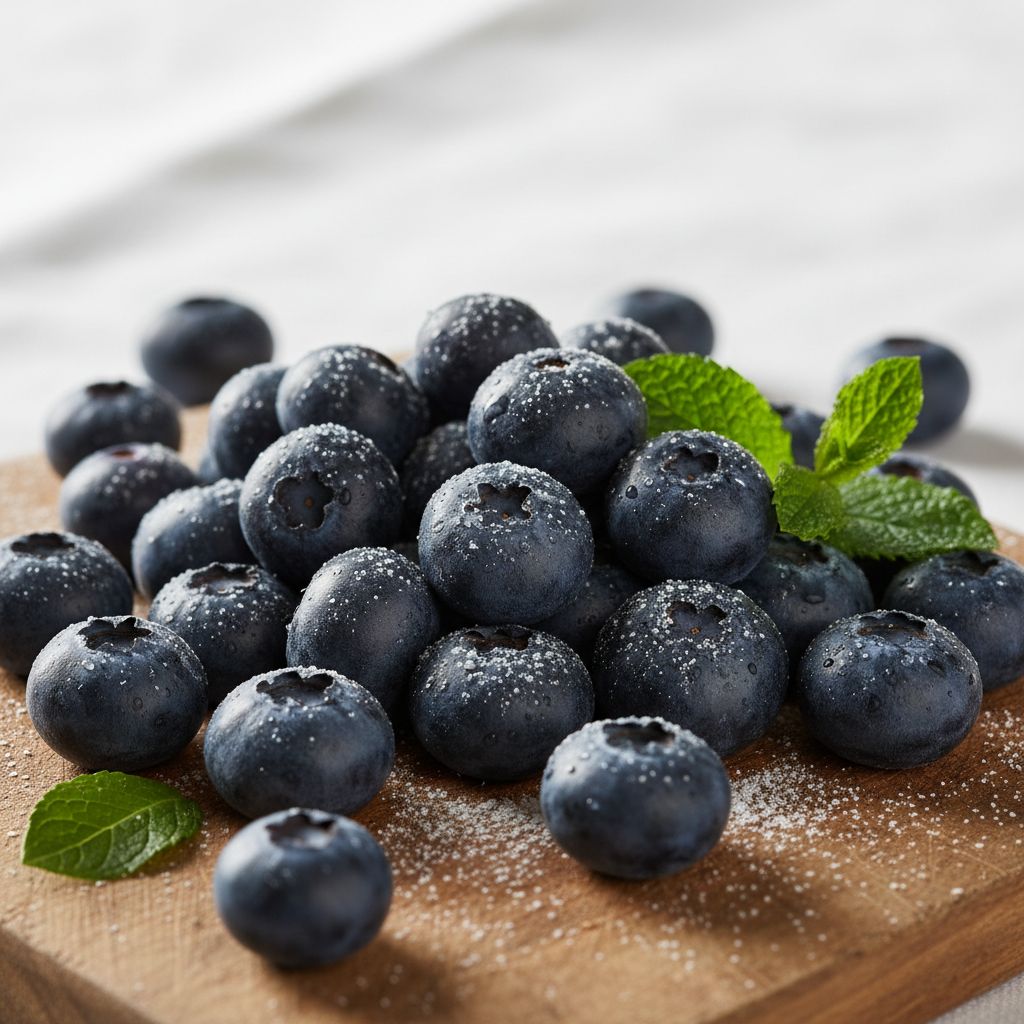
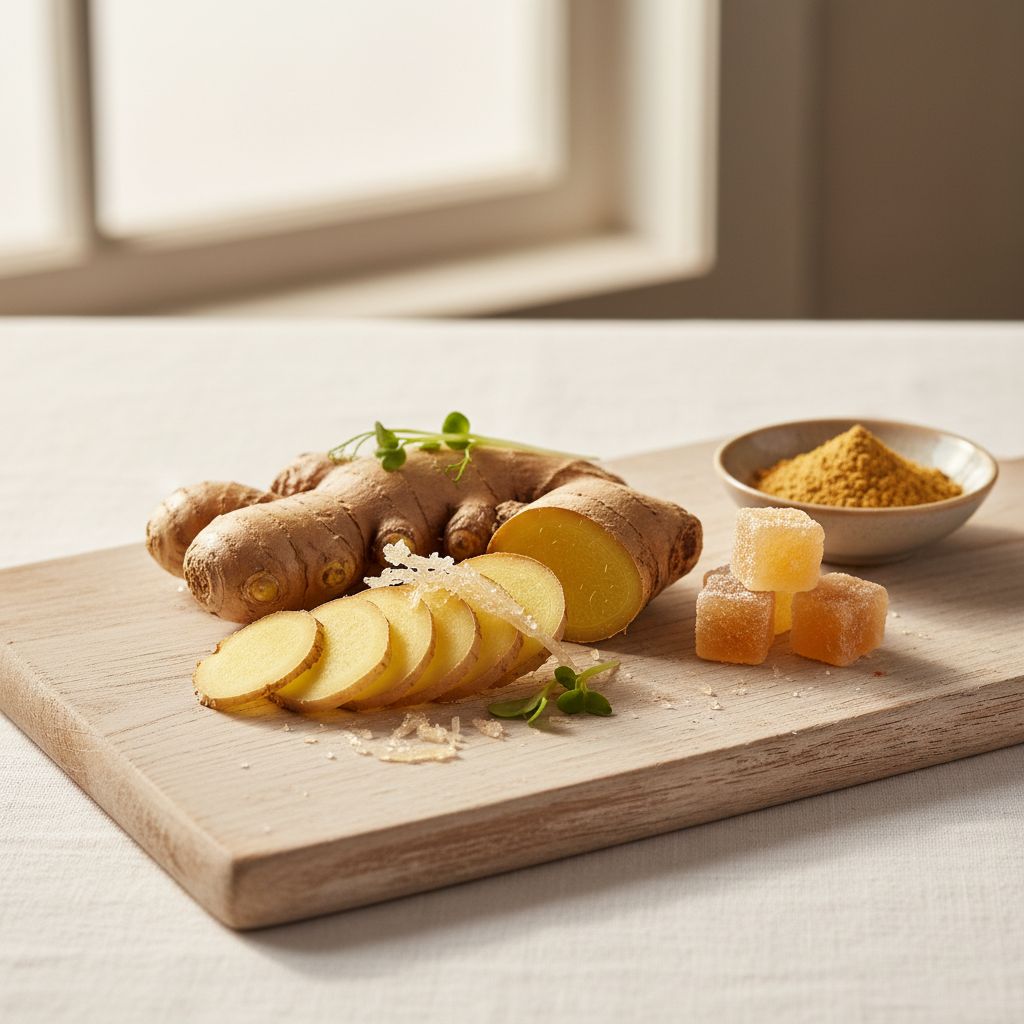
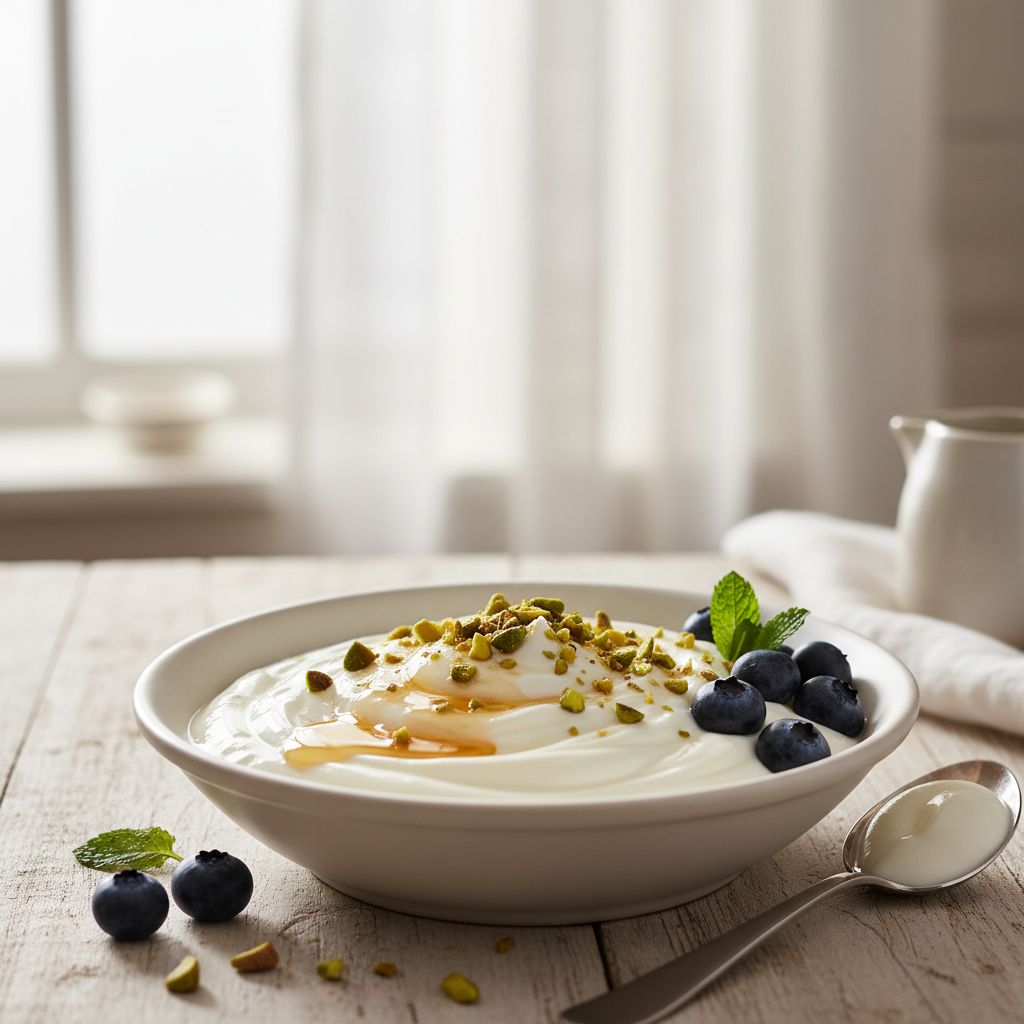
These foods have been shown to help reduce inflammation associated with muscle recovery.


Foods to avoid
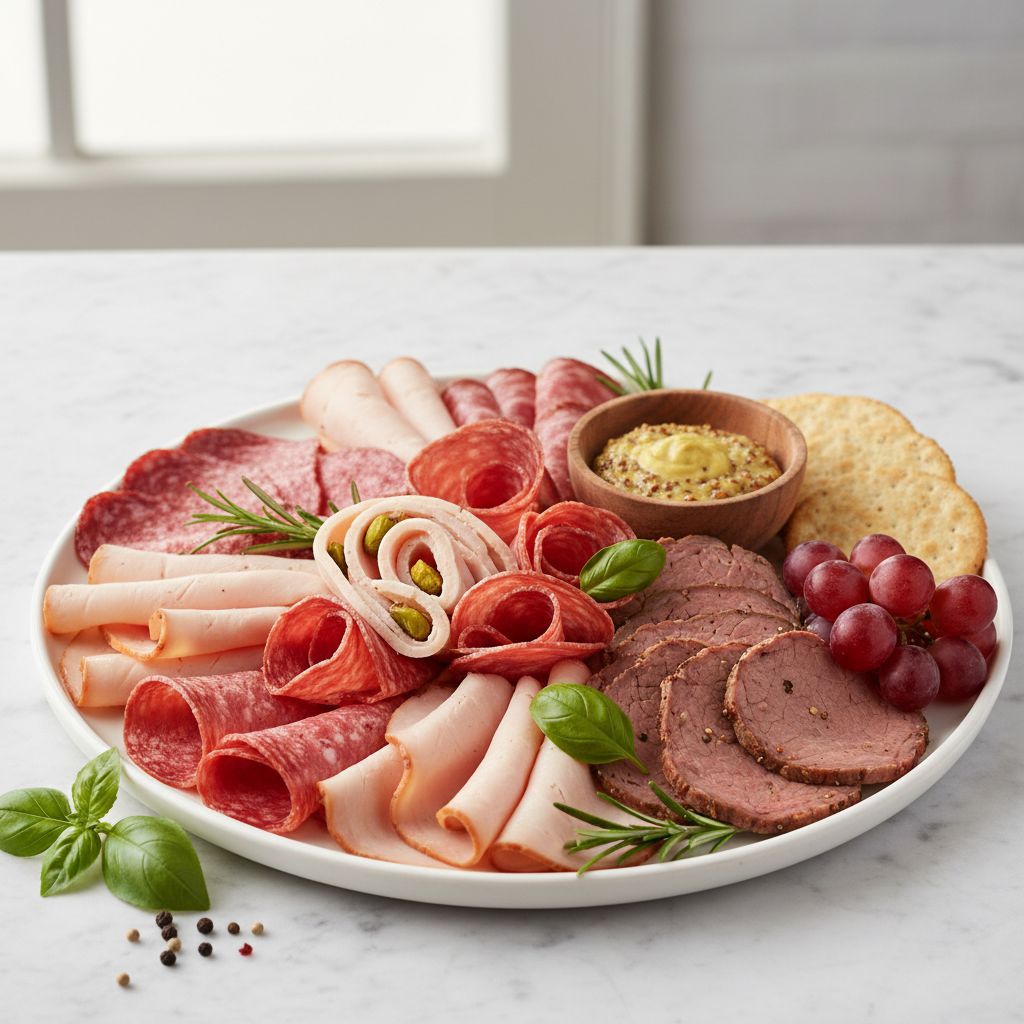
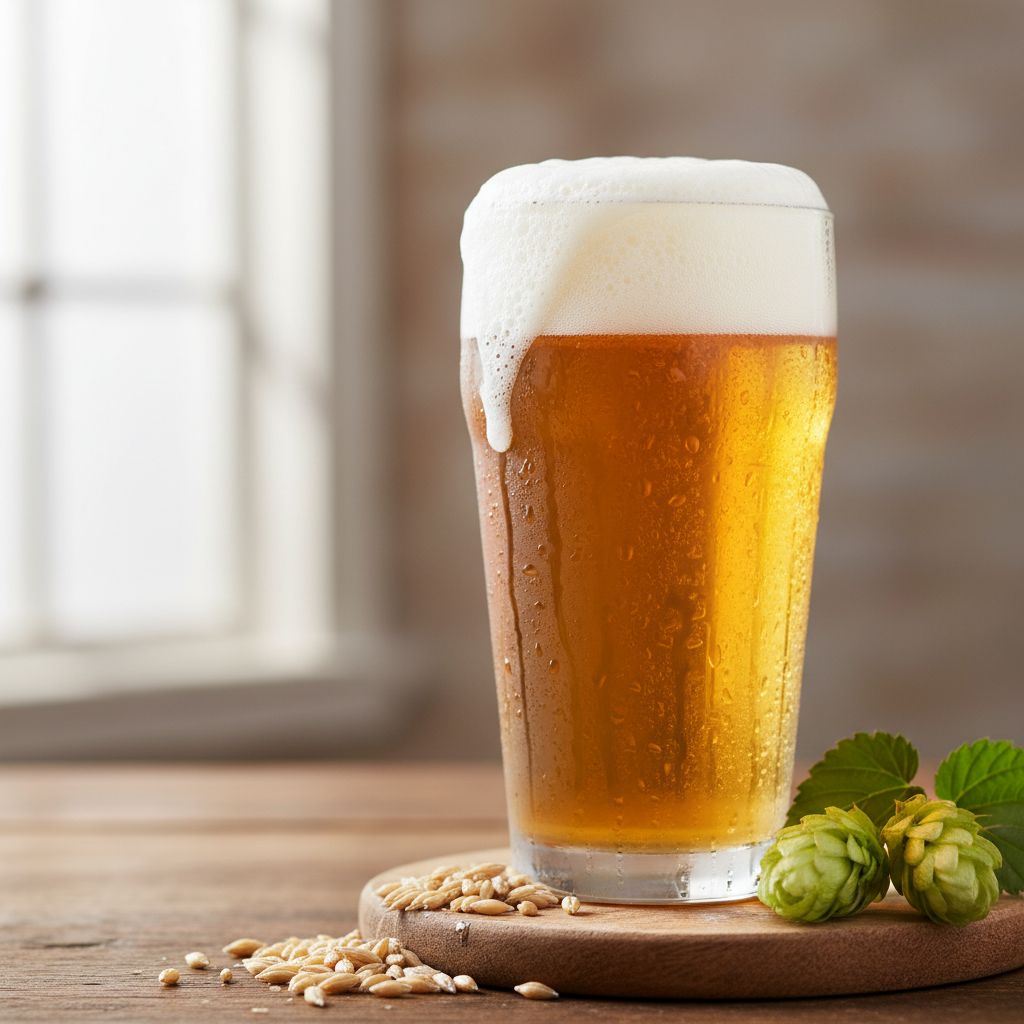
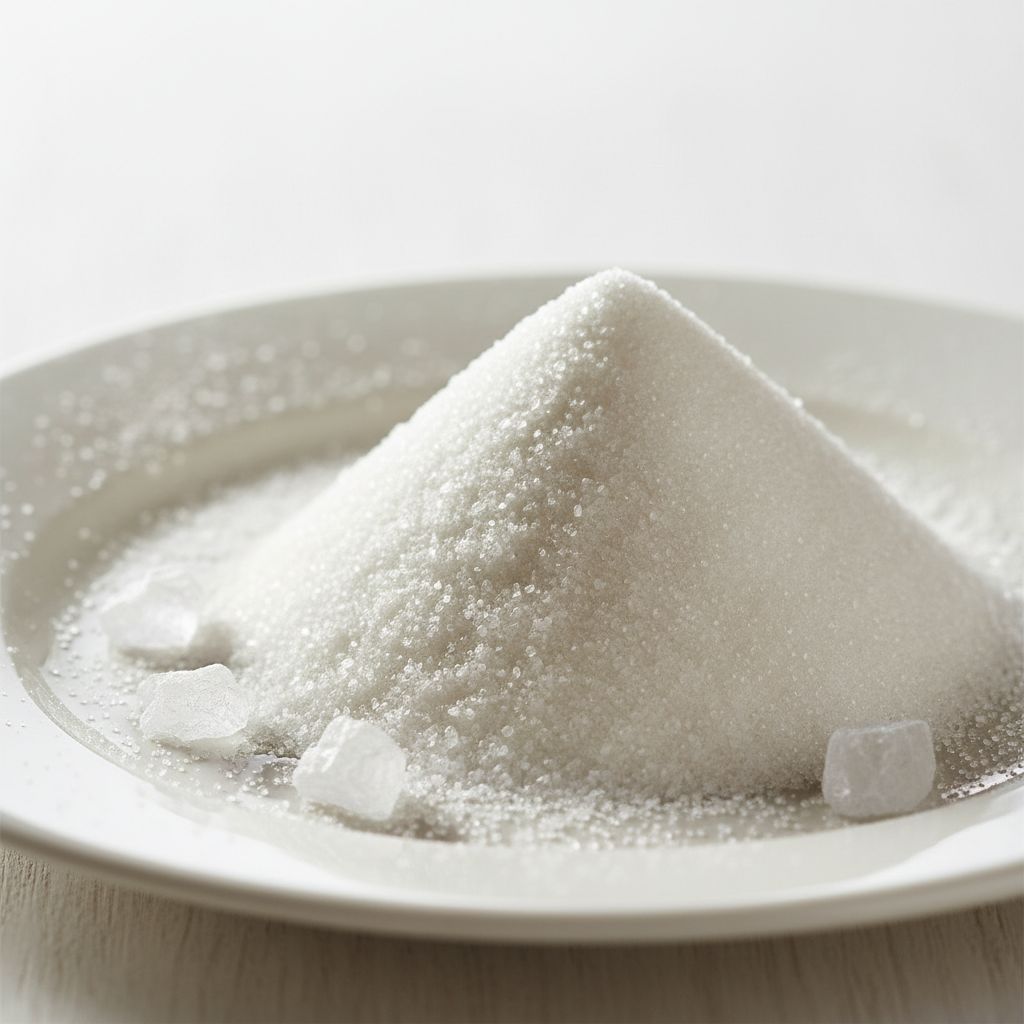
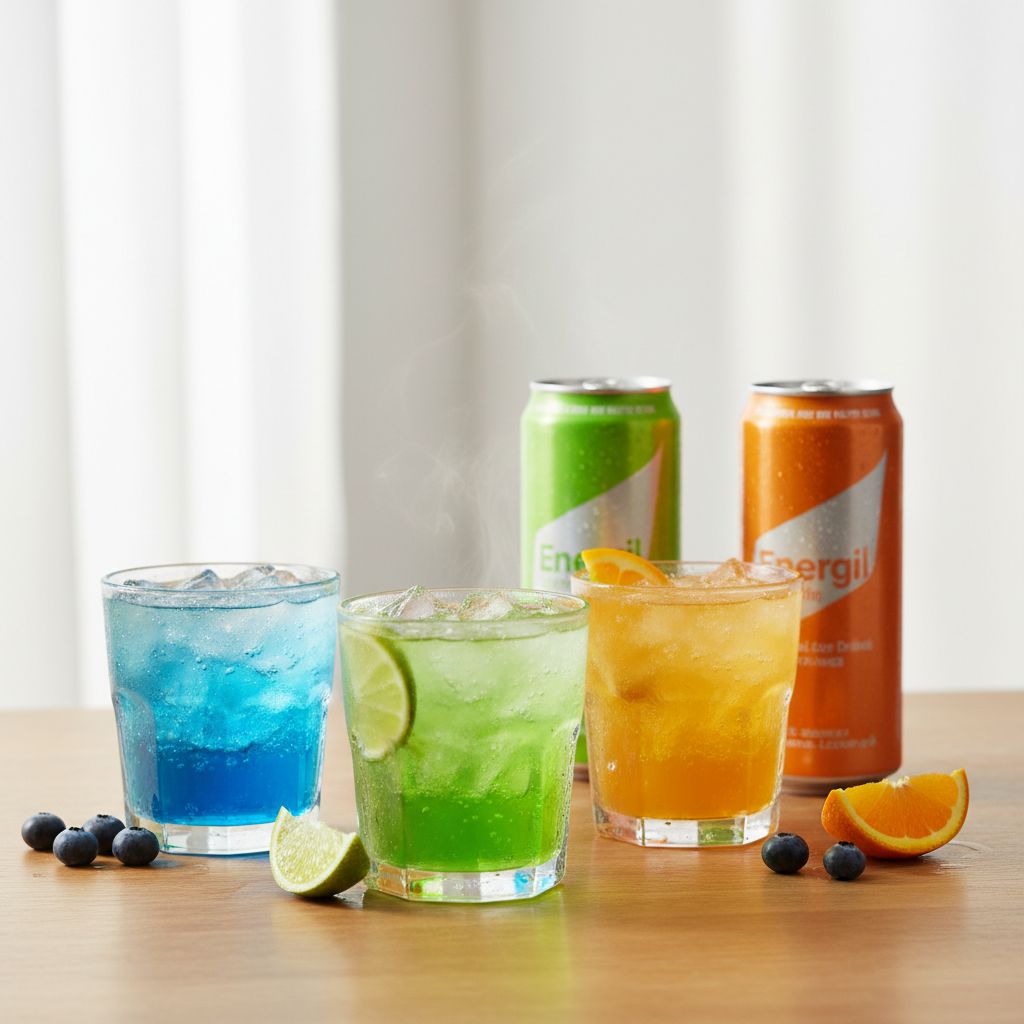
These inflammatory foods can worsen muscle recovery symptoms and should be limited or eliminated.

Get instant inflammation scores in your pocket
Scan any food with your camera, track your daily score, and get healthier swaps. Free on iOS & Android.


Dietary Tips for Muscle Recovery
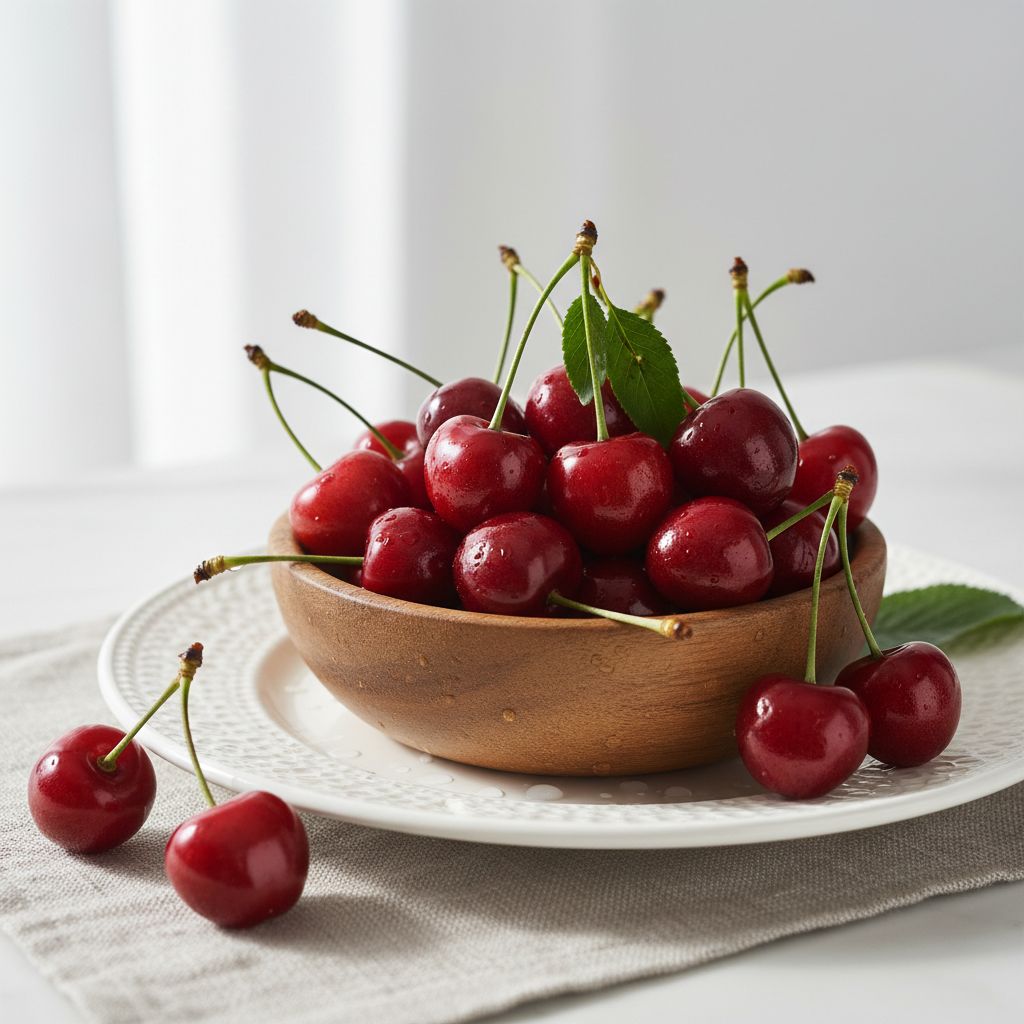
Eat tart cherries or drink cherry juice — studies show they reduce DOMS by up to 25%.
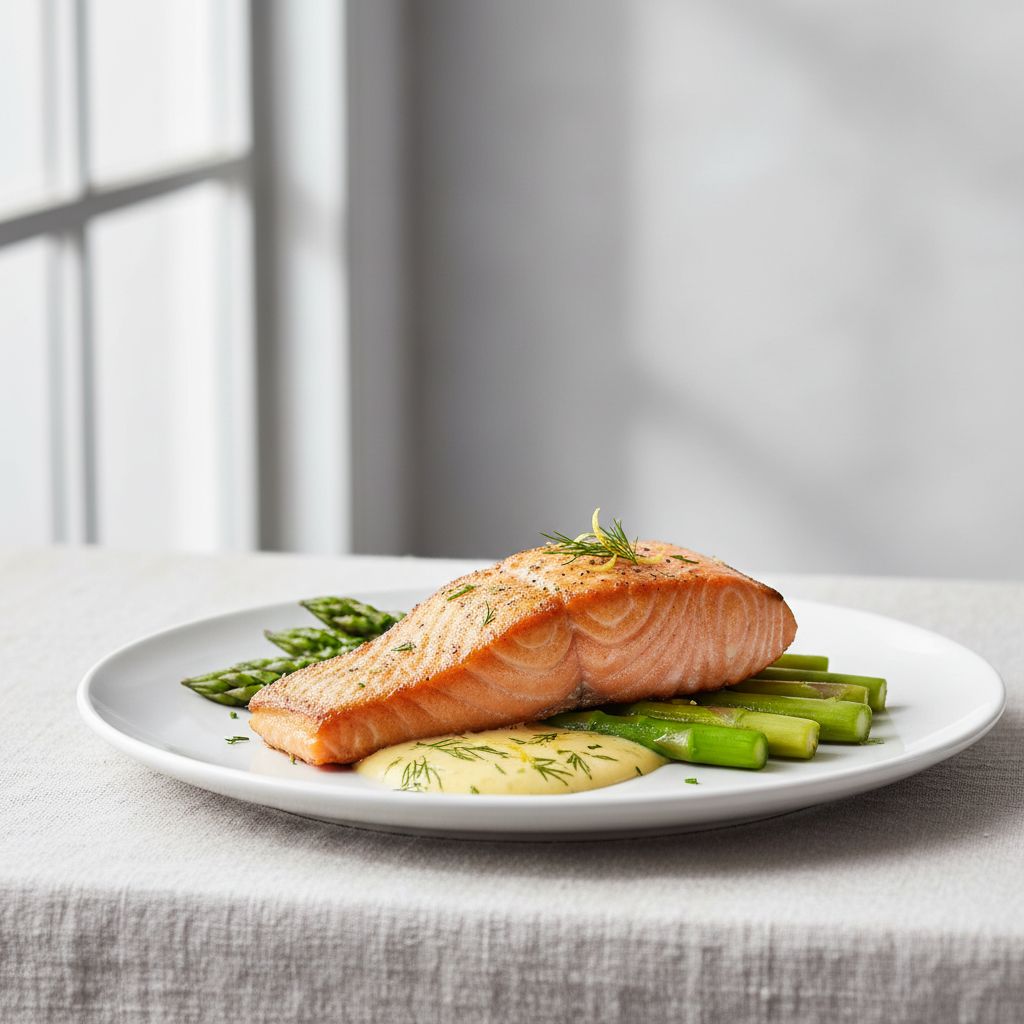
Consume protein-rich anti-inflammatory foods like salmon or eggs within 2 hours of exercise.
Include pineapple for its bromelain enzyme, which reduces exercise-induced inflammation and swelling.
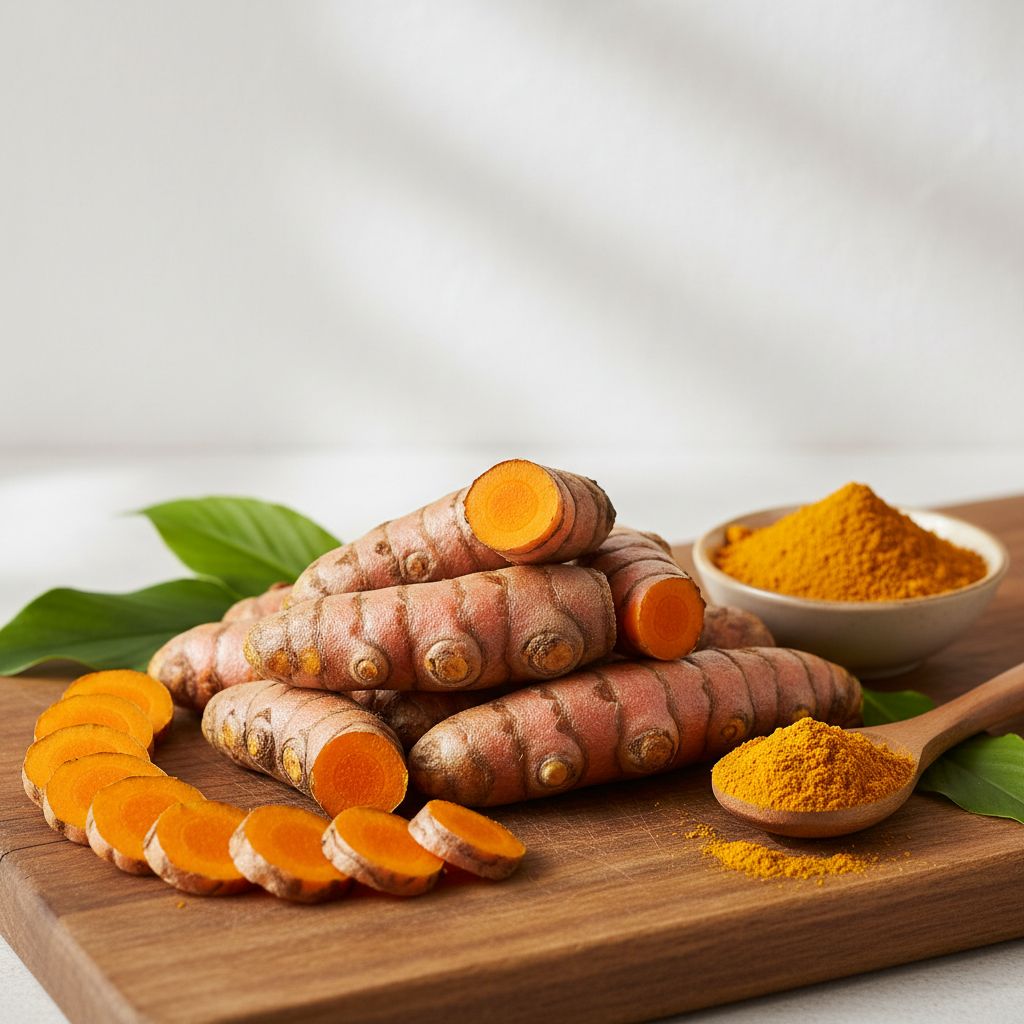
Add turmeric and ginger to post-workout meals for their proven anti-inflammatory recovery benefits.
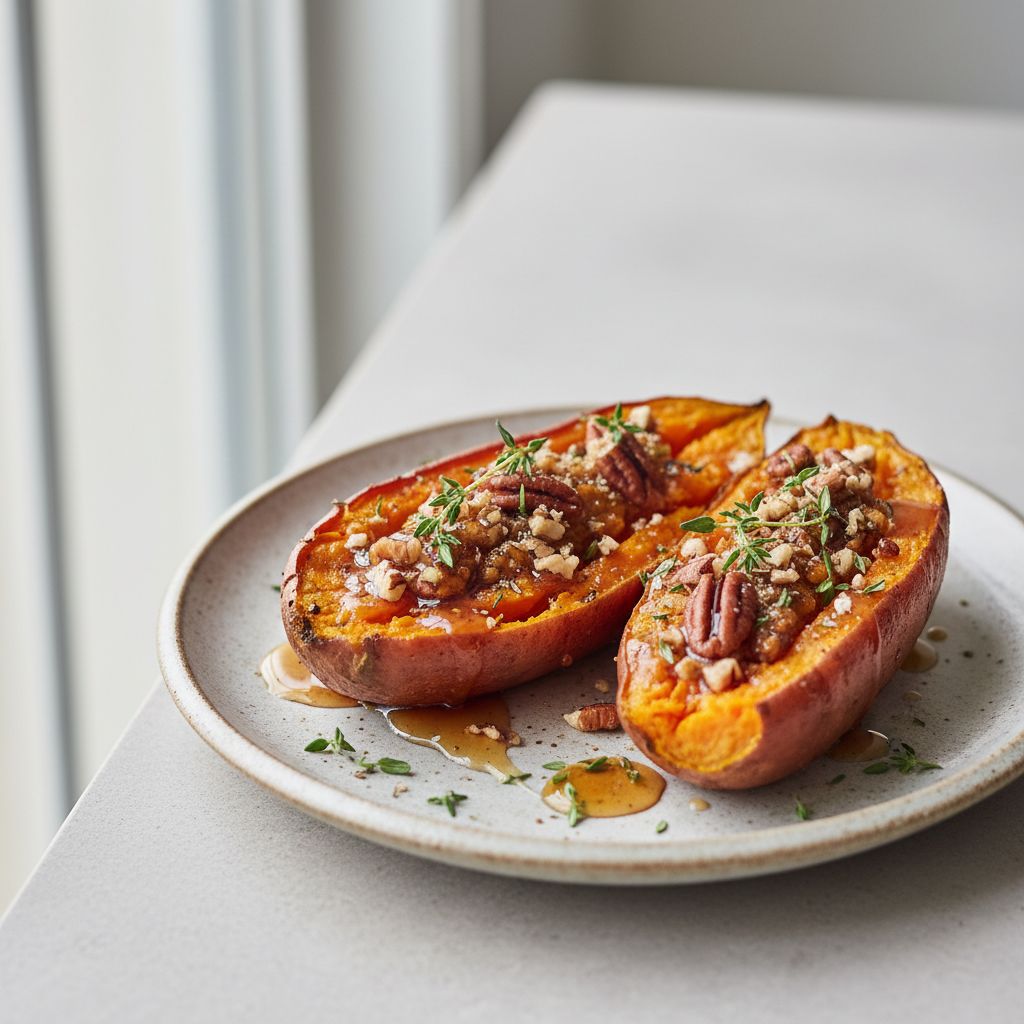
Eat complex carbs like sweet potatoes post-workout to replenish glycogen and reduce cortisol.
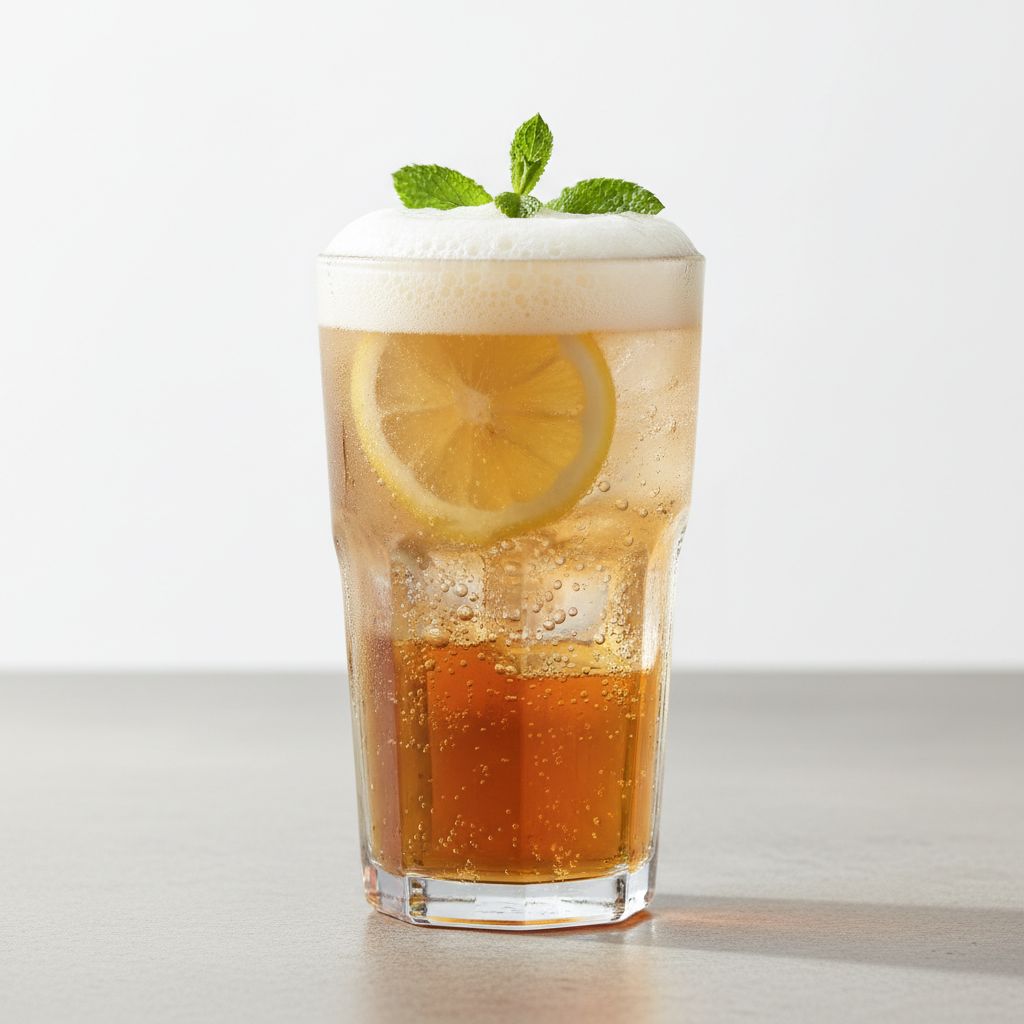
Avoid alcohol after training, as it significantly impairs muscle protein synthesis and recovery.
Frequently Asked Questions
Q.What are the best anti-inflammatory foods for muscle recovery?
The best foods for muscle recovery include tart cherries (reduce DOMS by 25%), salmon (omega-3s reduce exercise-induced inflammation), pineapple (bromelain reduces swelling), eggs (high-quality protein with anti-inflammatory choline), ginger (proven to reduce muscle pain by 25%), and turmeric (curcumin reduces markers of muscle damage). These foods speed recovery when consumed consistently.
Q.Does inflammation slow muscle recovery?
Chronic excessive inflammation significantly slows muscle recovery. While acute inflammation after exercise is necessary for repair, elevated baseline inflammation delays healing, increases soreness duration, and impairs muscle protein synthesis. An anti-inflammatory diet keeps baseline inflammation low so your body can efficiently recover from each training session.
Q.Should athletes follow an anti-inflammatory diet?
Yes, athletes benefit greatly from anti-inflammatory diets. Research shows that anti-inflammatory eating patterns reduce injury rates, decrease recovery time between sessions, improve endurance performance, and reduce the chronic inflammation associated with overtraining syndrome. The key is supporting — not suppressing — the body's natural inflammatory response to exercise.
Educational content. Not medical advice.
Information on this page is for educational purposes only. It is not a substitute for professional medical advice, diagnosis, or treatment. Consult your healthcare provider before changing your diet, especially if you have a medical condition, take medications, or are pregnant or breastfeeding. Read the full disclaimer.
Scan a food in 2 seconds. Know if it's healing or hurting you.
Point your camera at any meal, ingredient, or label. Get an instant inflammation score, the science behind it, and better alternatives. All free.