Anti-Inflammatory Diet for Irritable Bowel Syndrome (IBS)
10
Foods to eat
8
Foods to avoid
6
Common symptoms
6
Dietary tips
The foods, tips, and strategies to manage irritable bowel syndrome (ibs) through anti-inflammatory eating.
Common symptoms
- Abdominal pain and cramping
- Bloating and excessive gas
- Diarrhea, constipation, or alternating between both
- Urgency after meals
- Mucus in stool
- Feeling of incomplete evacuation
At a glance
Eat 10 inflammation-fighting foods, limit 8 known triggers, and follow 6 dietary tips to help manage irritable bowel syndrome (ibs).
Understanding Irritable Bowel Syndrome (IBS) & Inflammation
Irritable bowel syndrome (IBS) is a chronic functional gastrointestinal disorder affecting up to 15% of the global population. It's characterized by abdominal pain, bloating, and altered bowel habits (diarrhea, constipation, or both). While IBS was once considered purely a motility disorder, modern research reveals that low-grade intestinal inflammation, gut microbiome imbalances, and a hypersensitive gut nervous system all contribute to the condition.
Diet is the most important modifiable factor in managing IBS symptoms. The low-FODMAP diet has the strongest evidence base, but an anti-inflammatory approach addresses the underlying intestinal inflammation that drives the condition. By combining anti-inflammatory foods with gut-healing strategies, many IBS patients achieve long-lasting symptom relief beyond what either approach alone can provide.
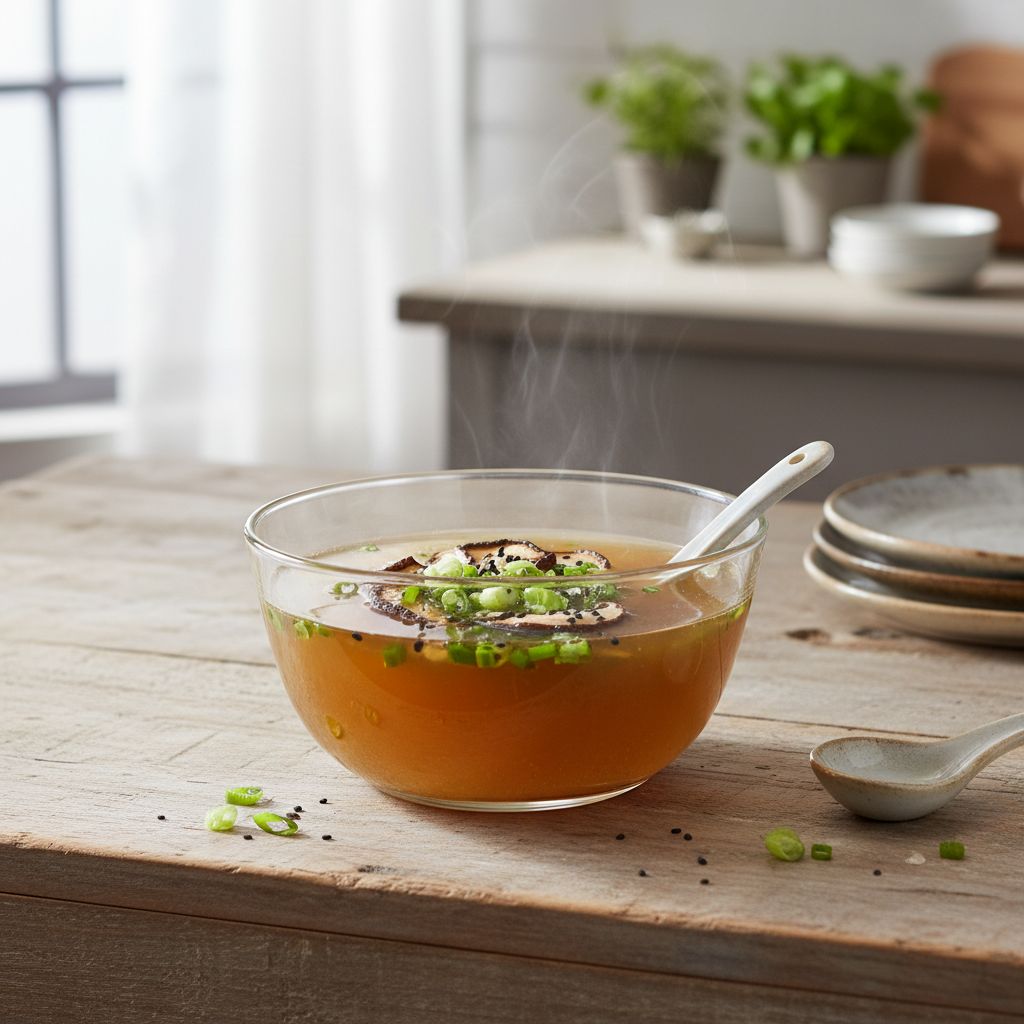
The gut-healing anti-inflammatory approach for IBS focuses on soothing the inflamed intestinal lining with bone broth and ginger, repopulating beneficial bacteria with fermented foods (introduced gradually), and avoiding inflammatory triggers like processed foods, excess sugar, and alcohol. Most patients notice improvements in bloating and pain within 2-3 weeks of dietary changes.
Foods to eat
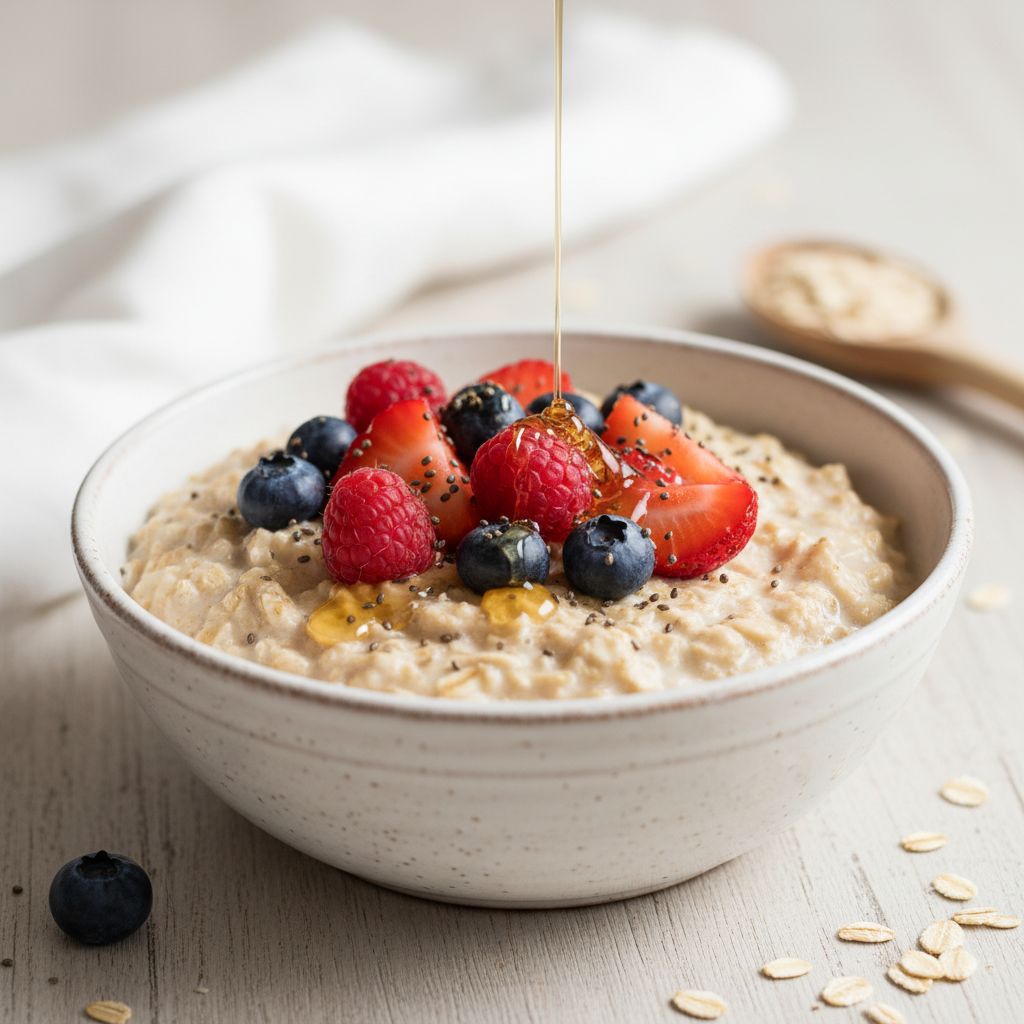
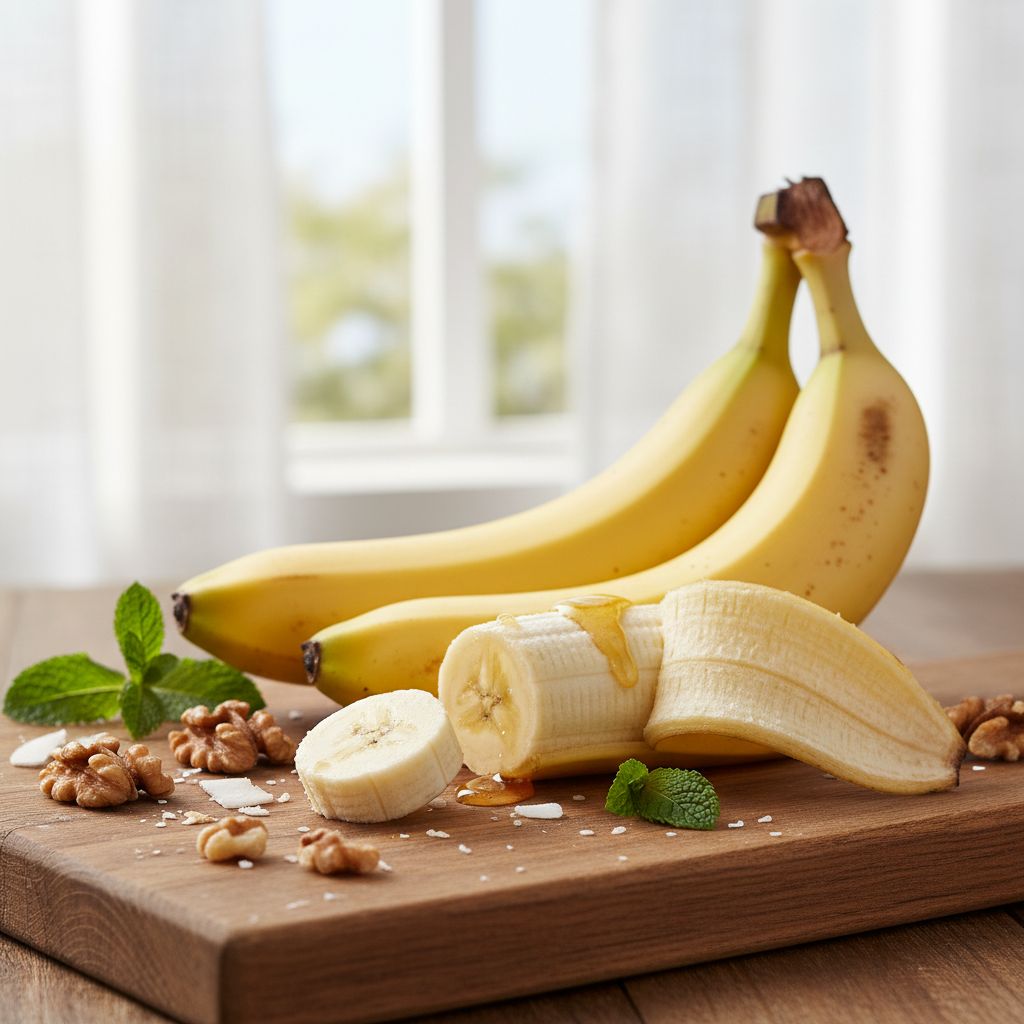
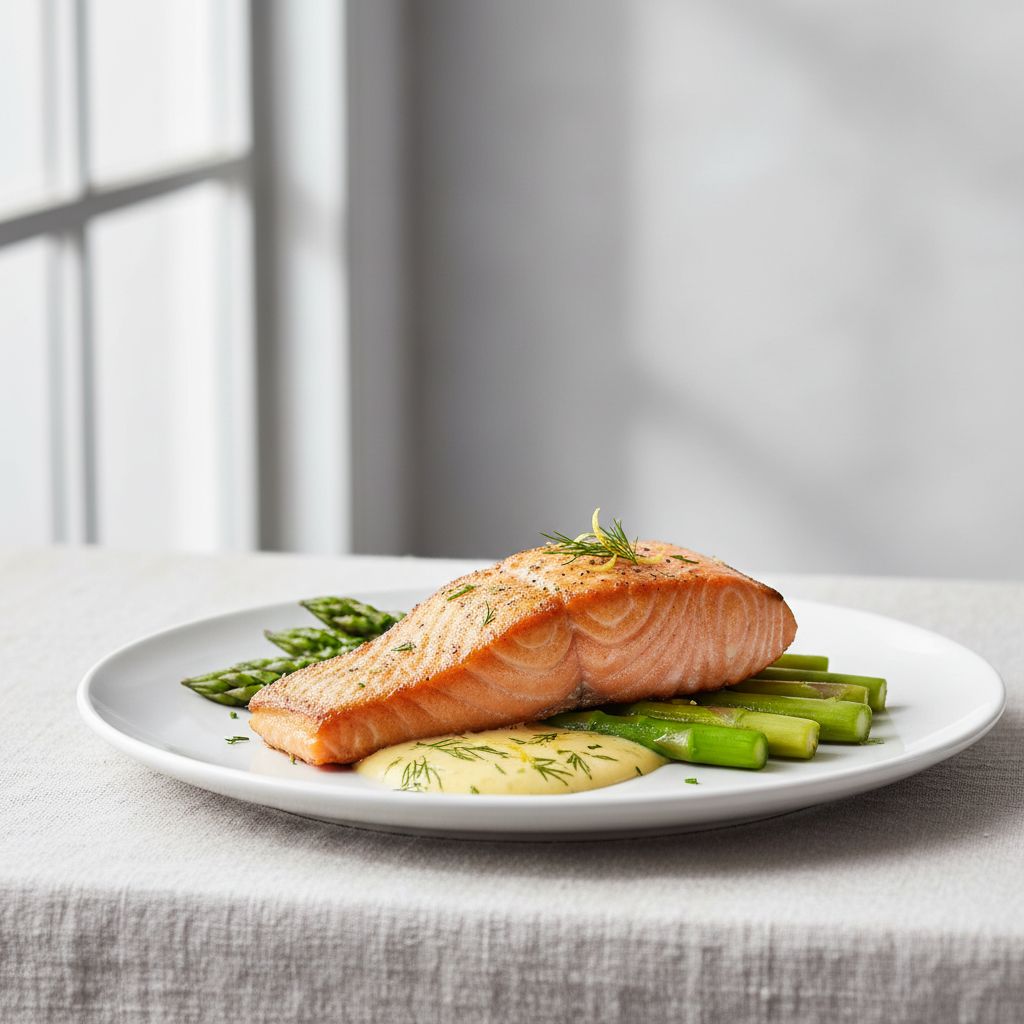
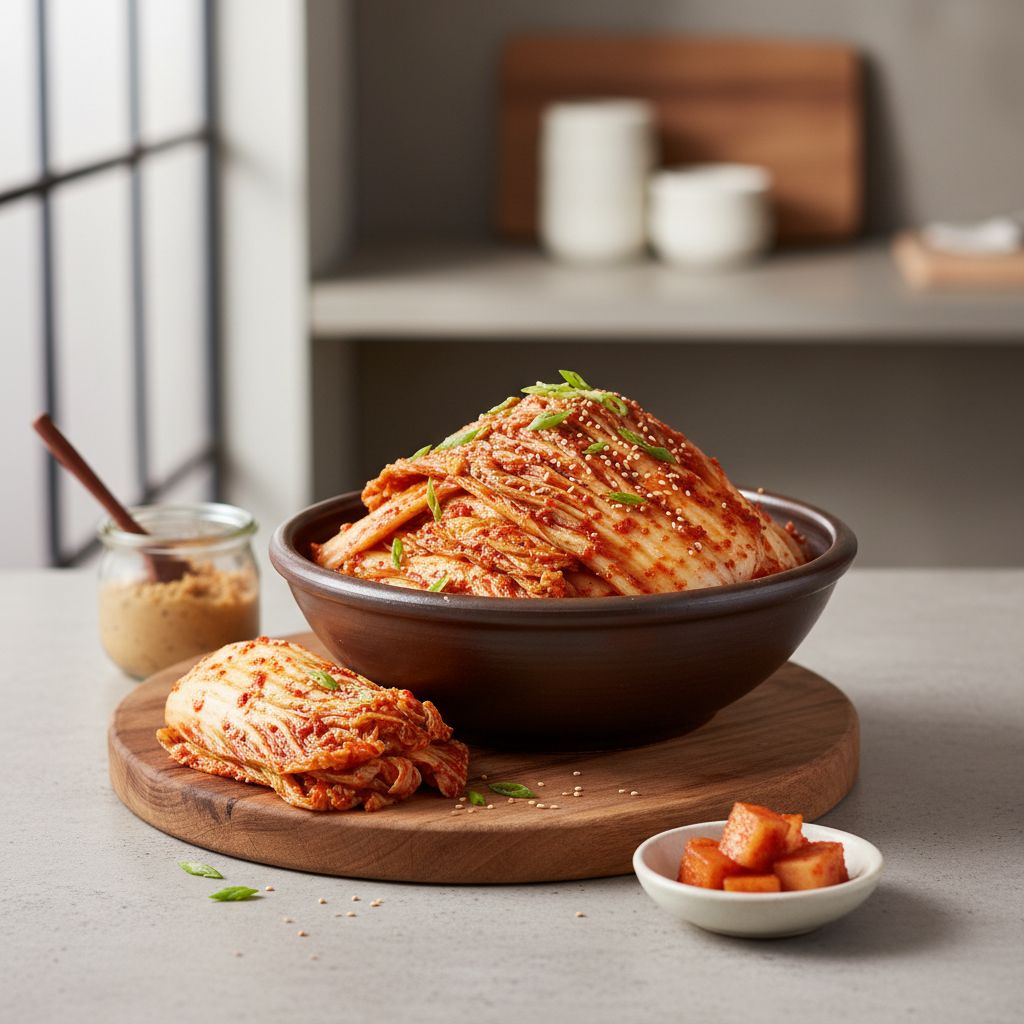
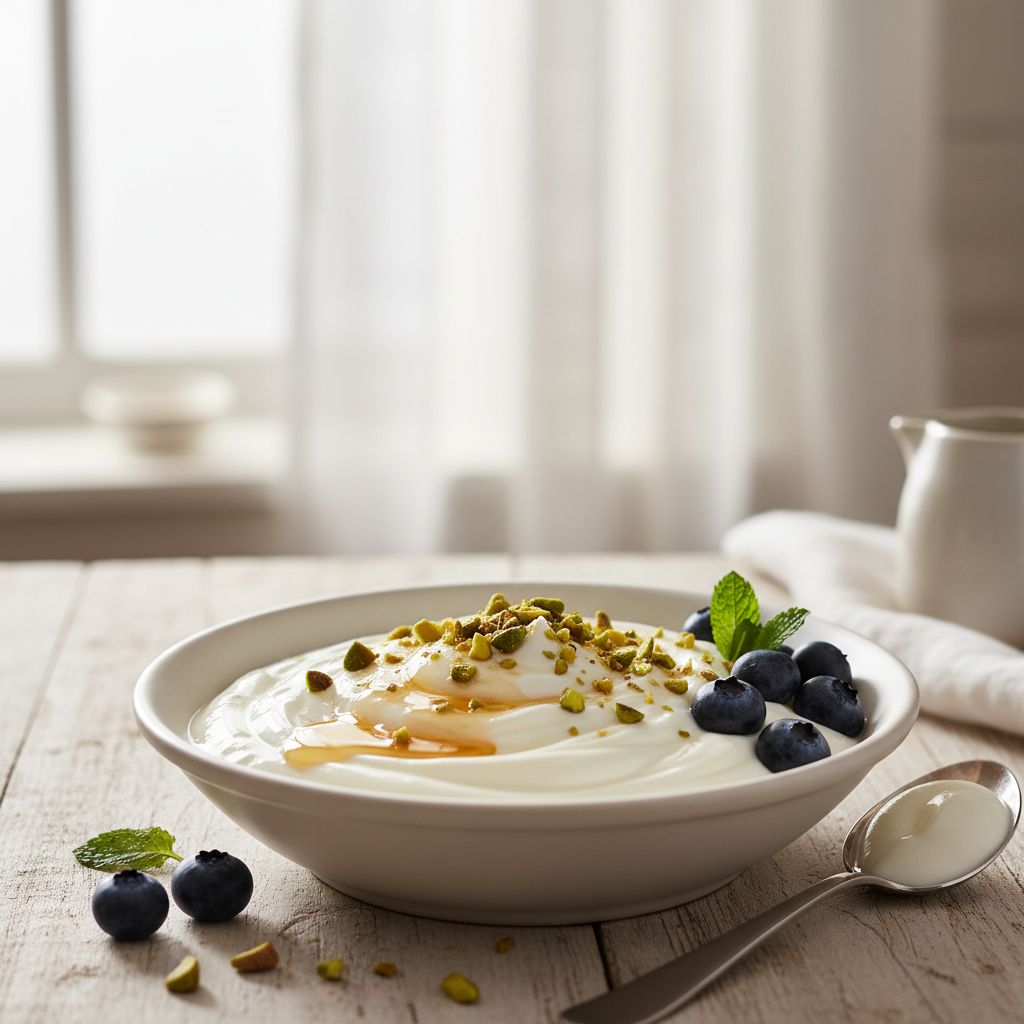
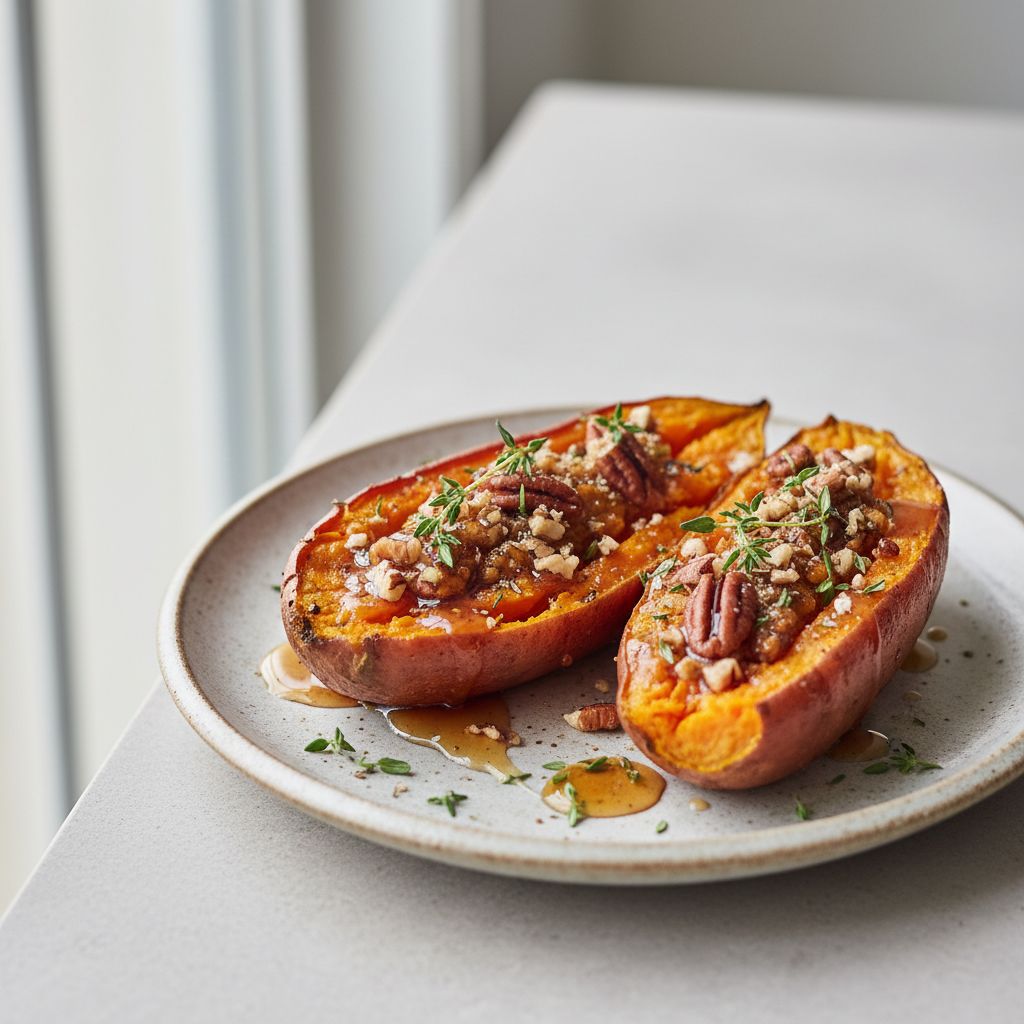
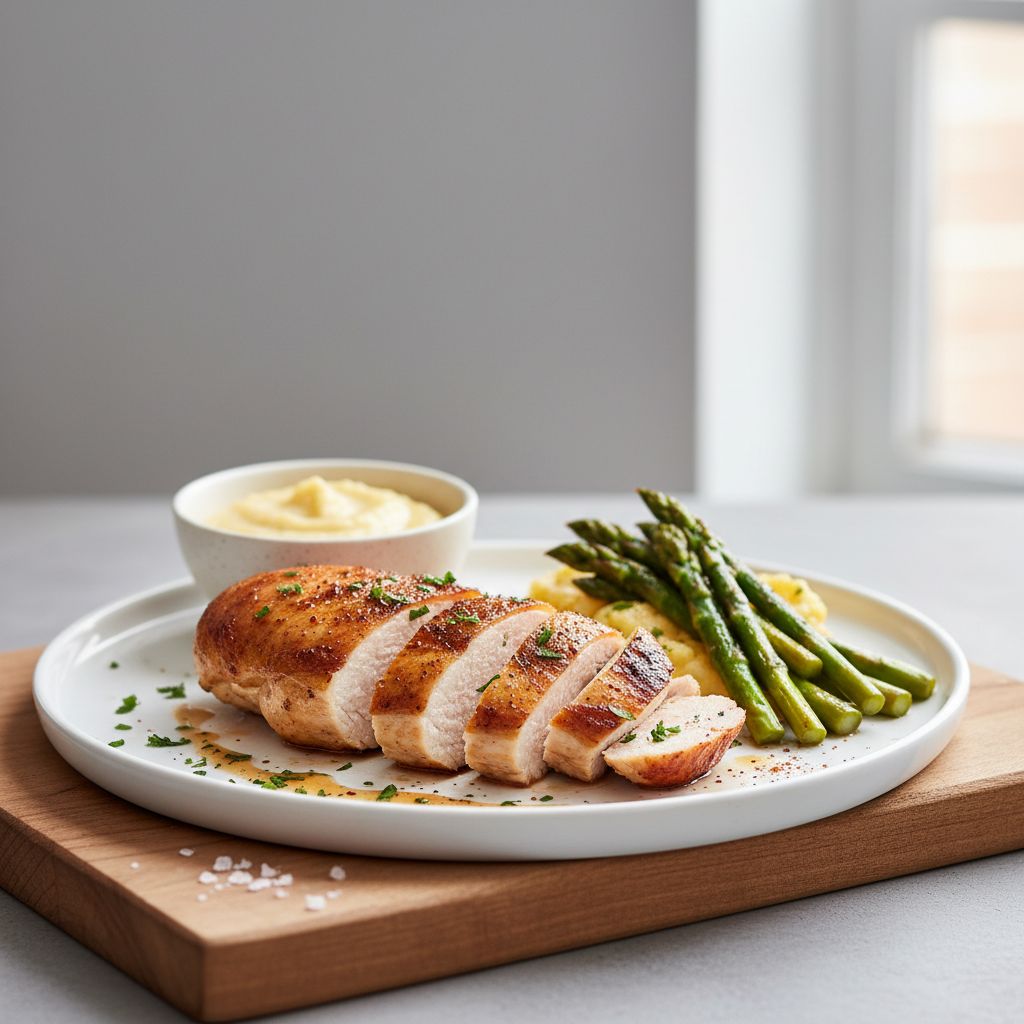
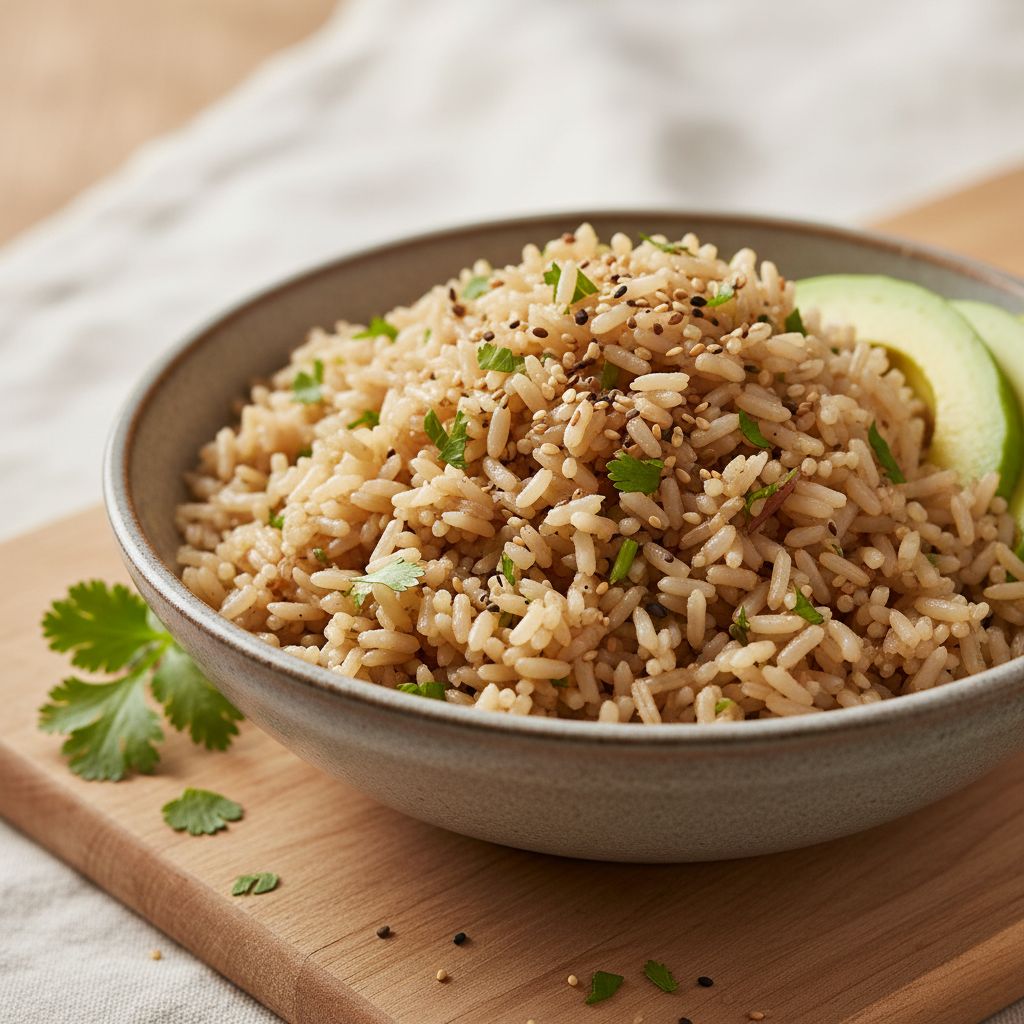
These foods have been shown to help reduce inflammation associated with irritable bowel syndrome (ibs).
Foods to avoid
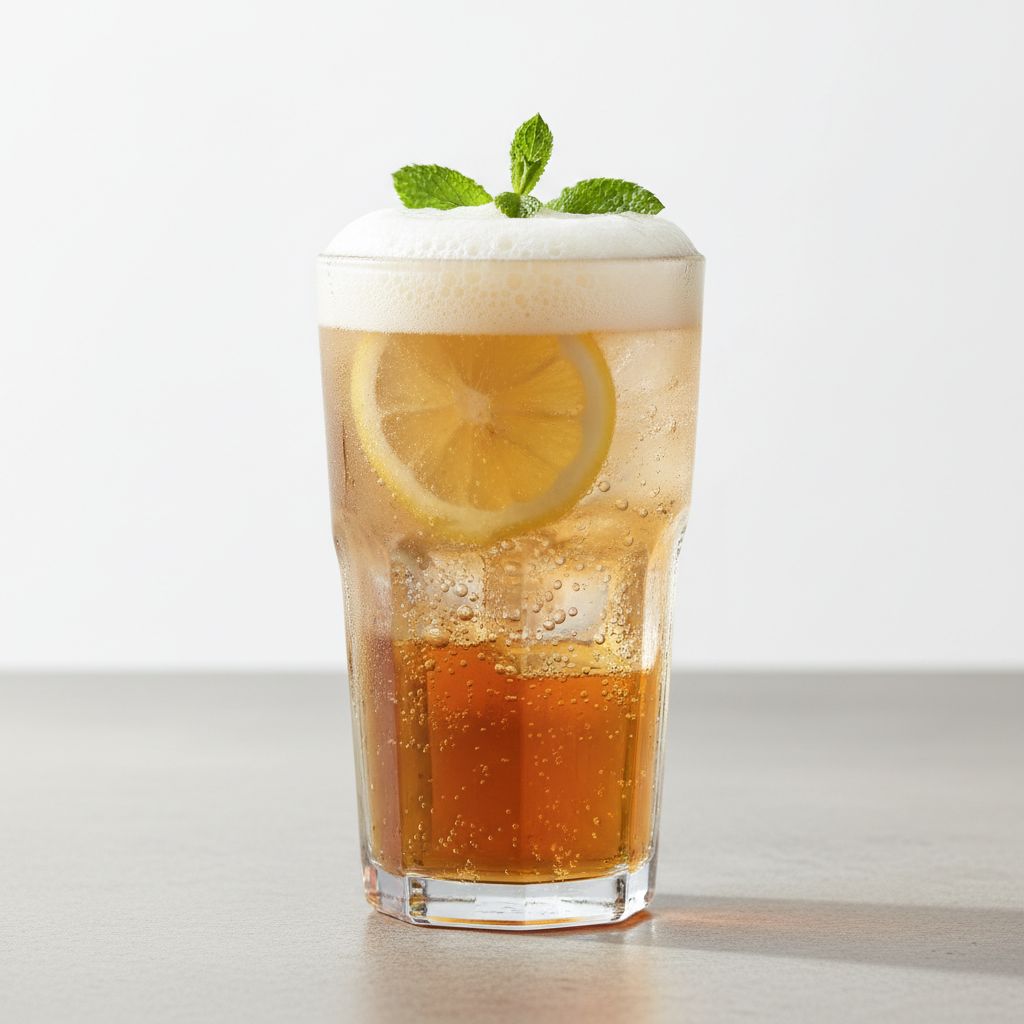
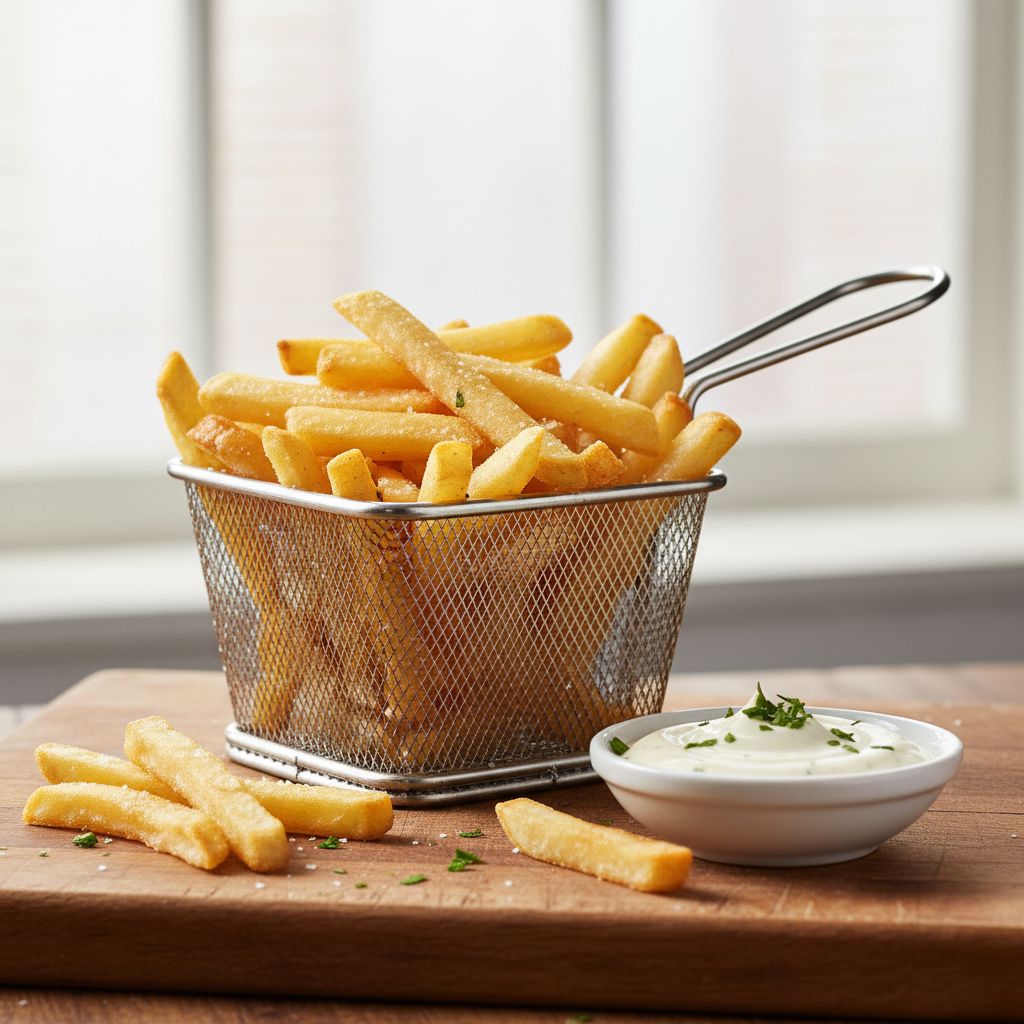
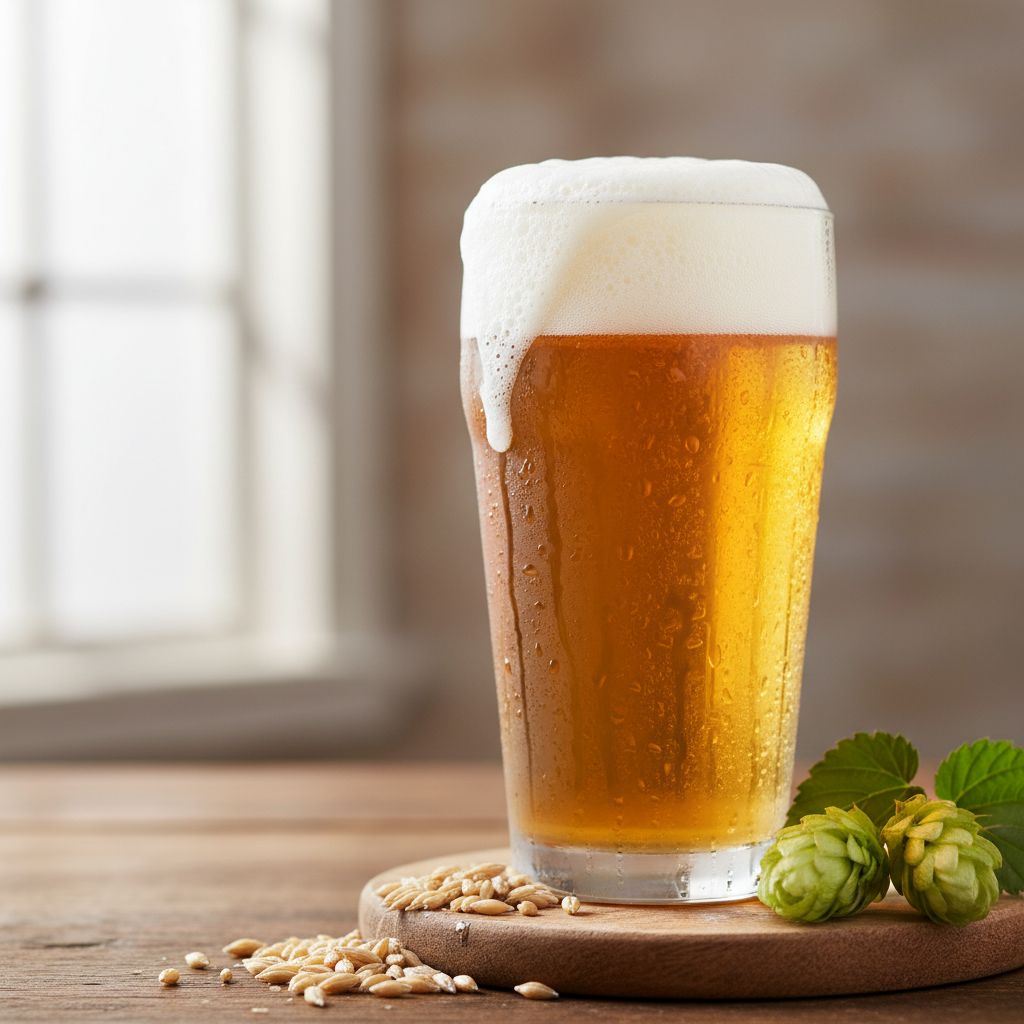
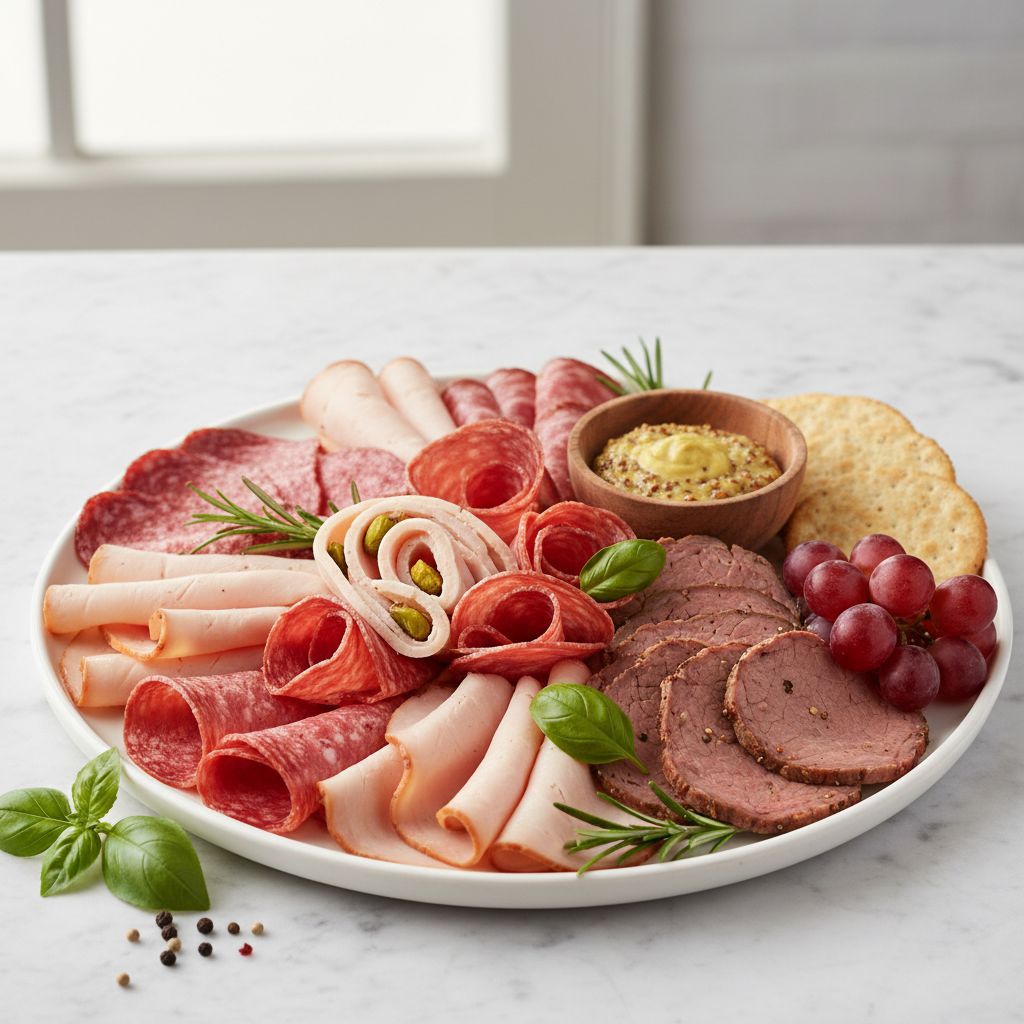
These inflammatory foods can worsen irritable bowel syndrome (ibs) symptoms and should be limited or eliminated.


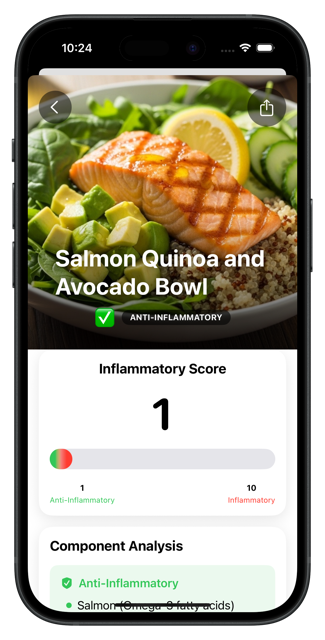
Get instant inflammation scores in your pocket
Scan any food with your camera, track your daily score, and get healthier swaps. Free on iOS & Android.


Dietary Tips for Irritable Bowel Syndrome (IBS)
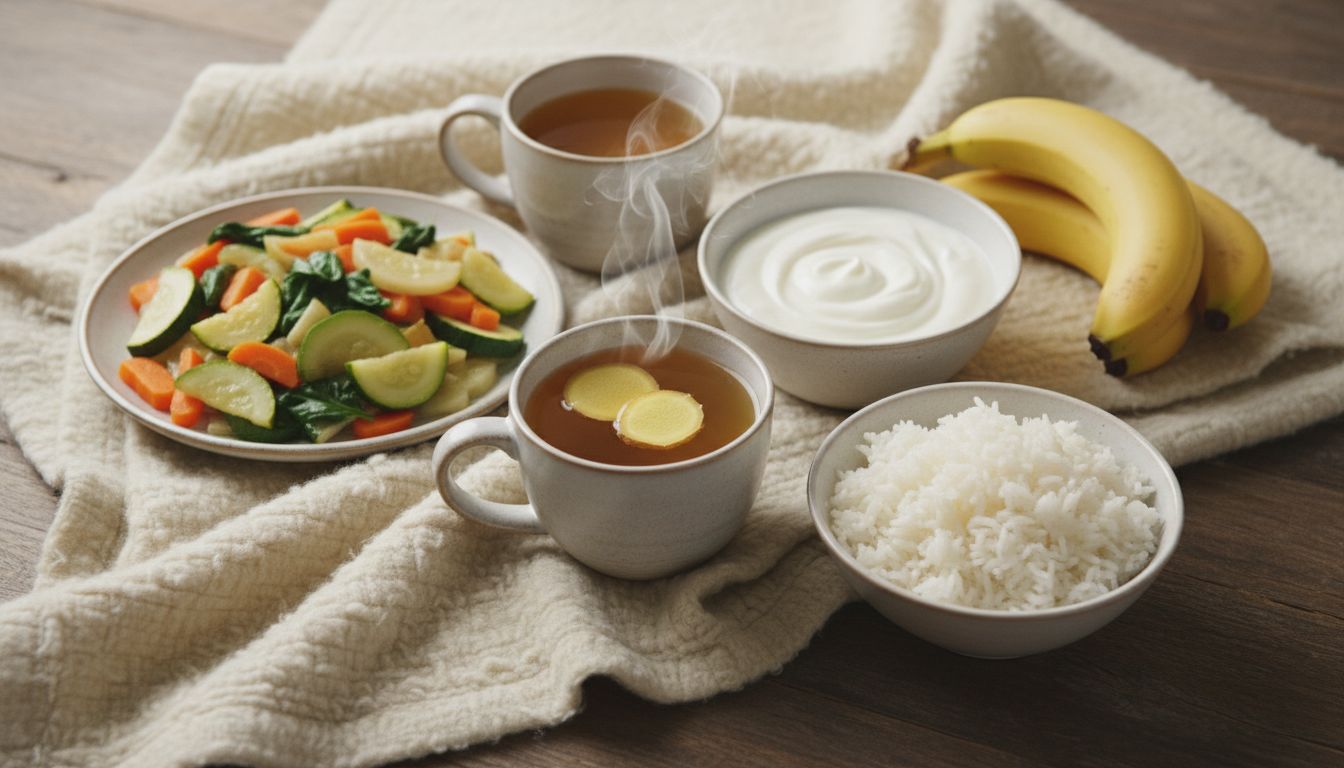
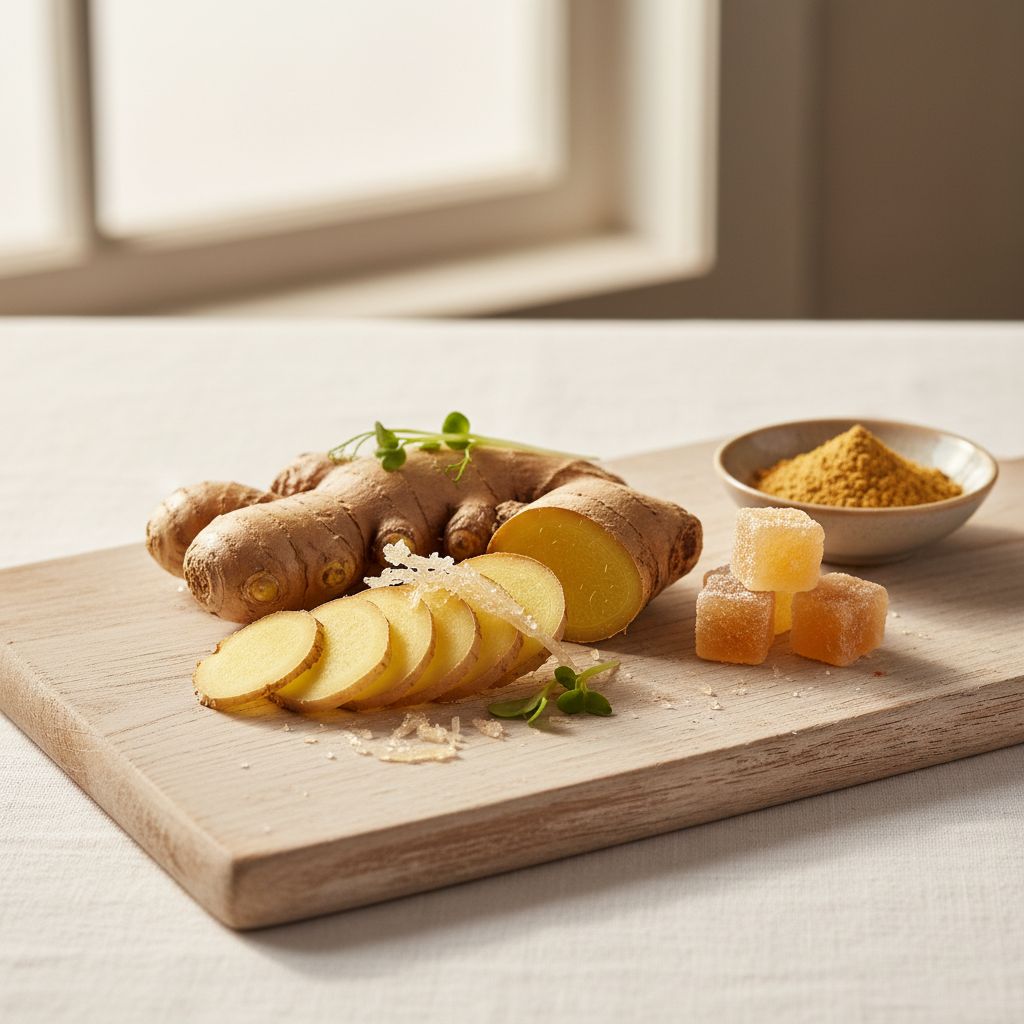
Start meals with ginger tea or include fresh ginger, which reduces intestinal inflammation and nausea.
Eat cooked vegetables rather than raw to ease digestion during flare-ups.
Introduce fermented foods slowly — start with small amounts of yogurt and increase gradually.
Keep a food diary to identify personal triggers, as IBS responses vary greatly between individuals.
Choose soluble fiber from oats and bananas over insoluble fiber during active symptoms.
Eat smaller, more frequent meals to reduce the load on your digestive system.
Frequently Asked Questions
Q.What is the best anti-inflammatory diet for IBS?
The best approach combines anti-inflammatory principles with IBS-specific strategies. Focus on gut-soothing foods like bone broth, ginger, and cooked vegetables. Include soluble fiber from oats and bananas, lean proteins like chicken and fish, and gradually introduce fermented foods. Avoid common triggers like fried foods, sugar, alcohol, and carbonated beverages.
Q.Can IBS be caused by inflammation?
Yes, research shows that many IBS patients have measurable low-grade intestinal inflammation, elevated mast cell counts, and increased inflammatory cytokines in their gut tissue. This inflammation sensitizes the gut nervous system, causing the pain, bloating, and motility issues characteristic of IBS. Anti-inflammatory dietary interventions can address this root cause.
Q.How long does it take for diet to help IBS symptoms?
Most IBS patients notice improvements in bloating and abdominal pain within 2-3 weeks of adopting an anti-inflammatory diet. Bowel habit changes may take 4-6 weeks to stabilize. Complete gut healing and microbiome rebalancing can take 3-6 months, so patience and consistency are essential for lasting results.
Educational content. Not medical advice.
Information on this page is for educational purposes only. It is not a substitute for professional medical advice, diagnosis, or treatment. Consult your healthcare provider before changing your diet, especially if you have a medical condition, take medications, or are pregnant or breastfeeding. Read the full disclaimer.
Scan a food in 2 seconds. Know if it's healing or hurting you.
Point your camera at any meal, ingredient, or label. Get an instant inflammation score, the science behind it, and better alternatives. All free.