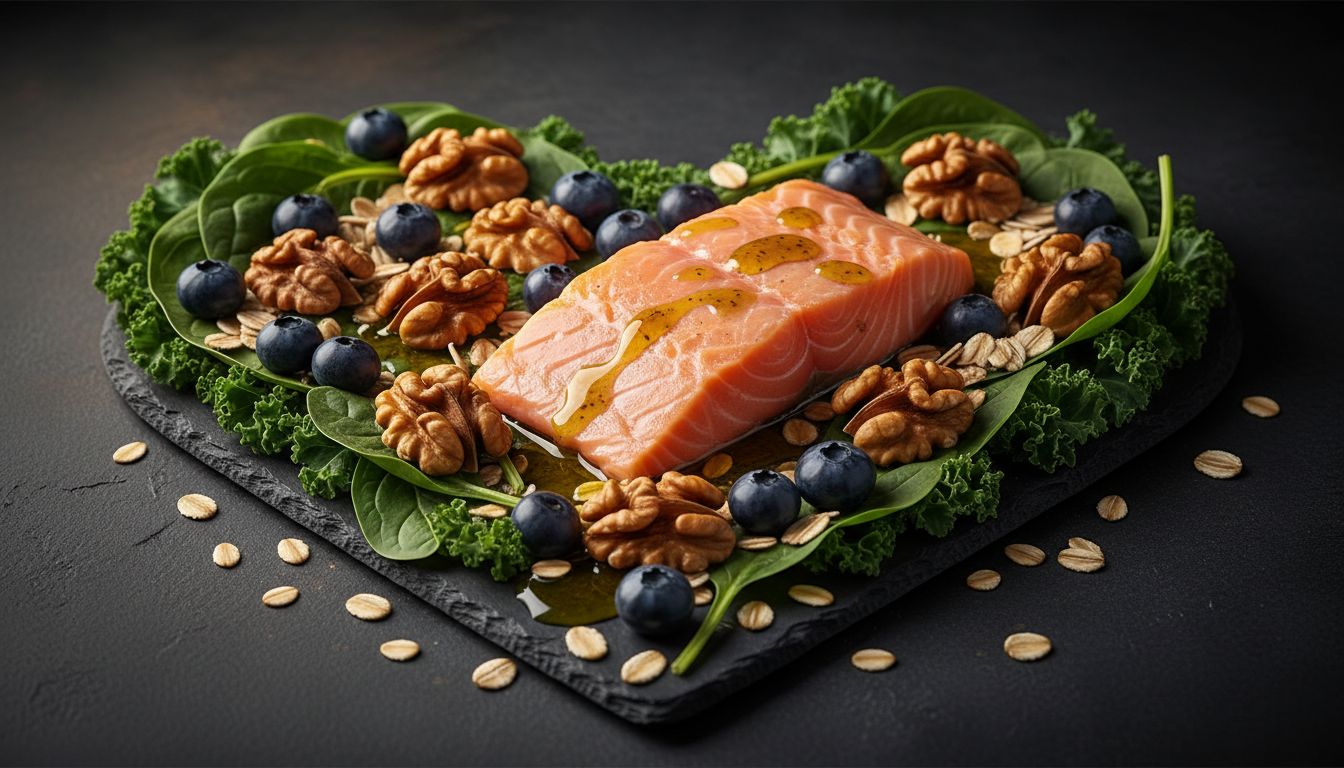
Anti-Inflammatory Diet for Heart Disease
10
Foods to eat
8
Foods to avoid
6
Common symptoms
6
Dietary tips
The foods, tips, and strategies to manage heart disease through anti-inflammatory eating.
Common symptoms
- High blood pressure
- Elevated cholesterol levels
- Chest pain or discomfort
- Shortness of breath during activity
- Fatigue and reduced exercise tolerance
- Swelling in legs or ankles
At a glance
Eat 10 inflammation-fighting foods, limit 8 known triggers, and follow 6 dietary tips to help manage heart disease.
Understanding Heart Disease & Inflammation
Heart disease remains the leading cause of death worldwide, and chronic inflammation is now recognized as a primary driver of atherosclerosis — the buildup of plaque in arterial walls. Inflammatory markers like CRP, IL-6, and homocysteine damage the endothelial lining of blood vessels, creating sites where cholesterol deposits accumulate and harden, eventually leading to heart attacks and strokes.
An anti-inflammatory diet for heart health goes beyond simply lowering cholesterol. It focuses on reducing the underlying inflammation that initiates and perpetuates cardiovascular damage. The landmark PREDIMED study demonstrated that a Mediterranean diet supplemented with extra virgin olive oil or nuts reduced cardiovascular events by 30% compared to a low-fat diet — even without calorie restriction.
Key dietary strategies include increasing omega-3 fatty acid intake to improve the omega-3 to omega-6 ratio, consuming soluble fiber to lower LDL cholesterol, and eating polyphenol-rich foods that improve endothelial function and blood flow. These changes can lower blood pressure, reduce triglycerides, and improve overall cardiovascular health within months.
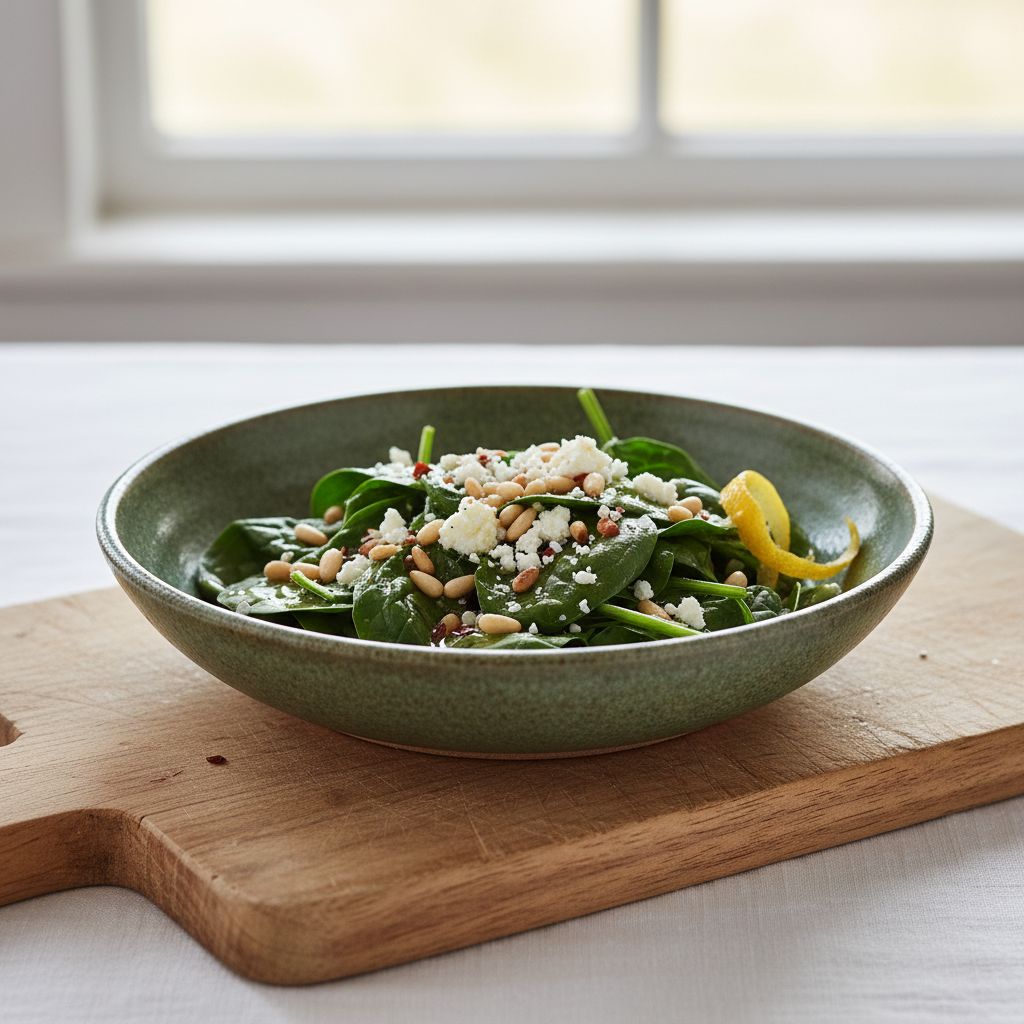
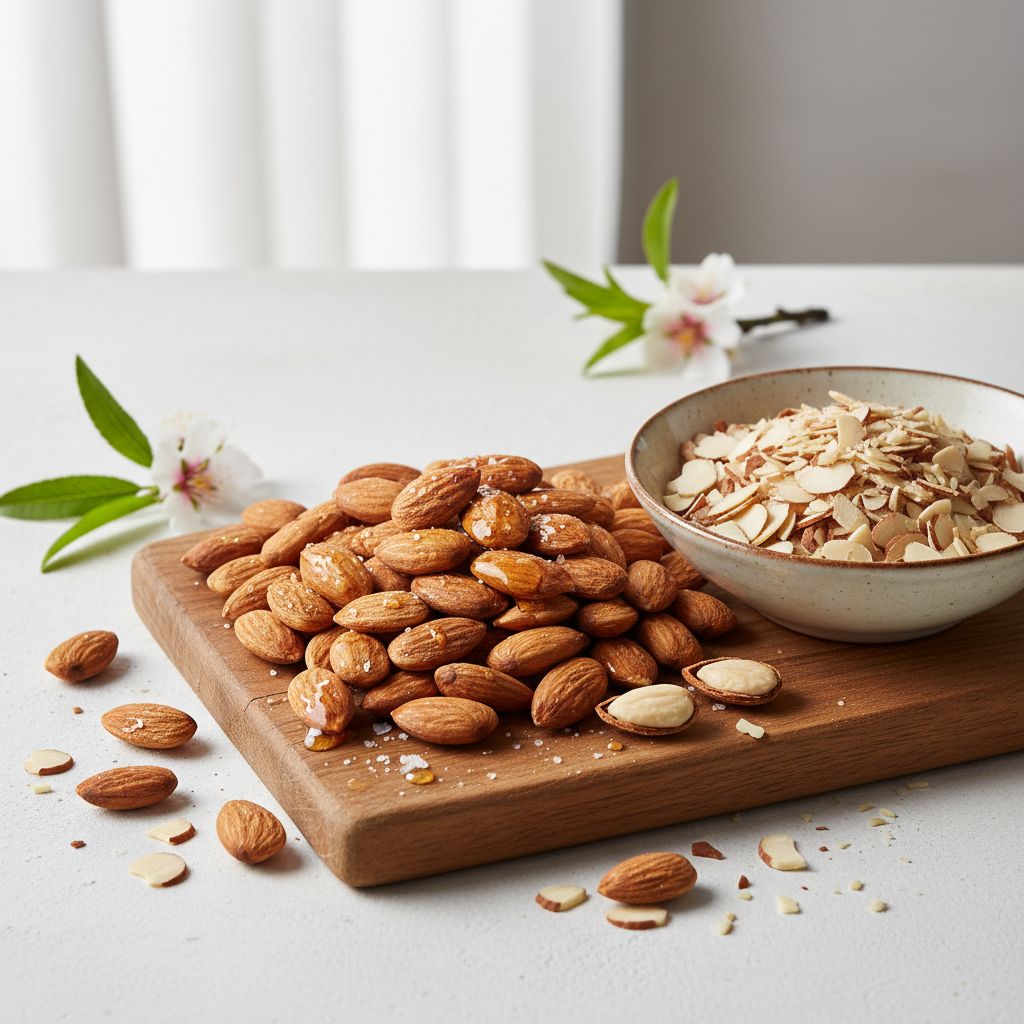
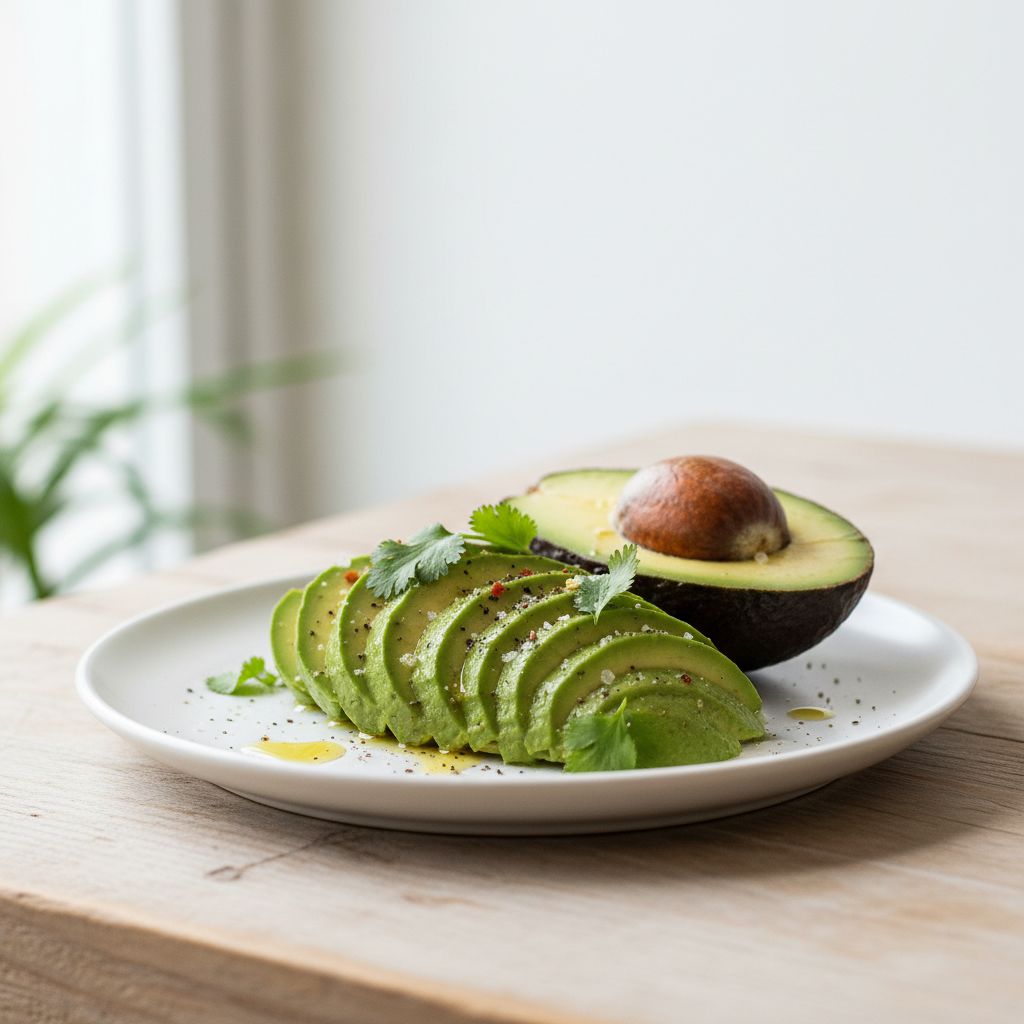
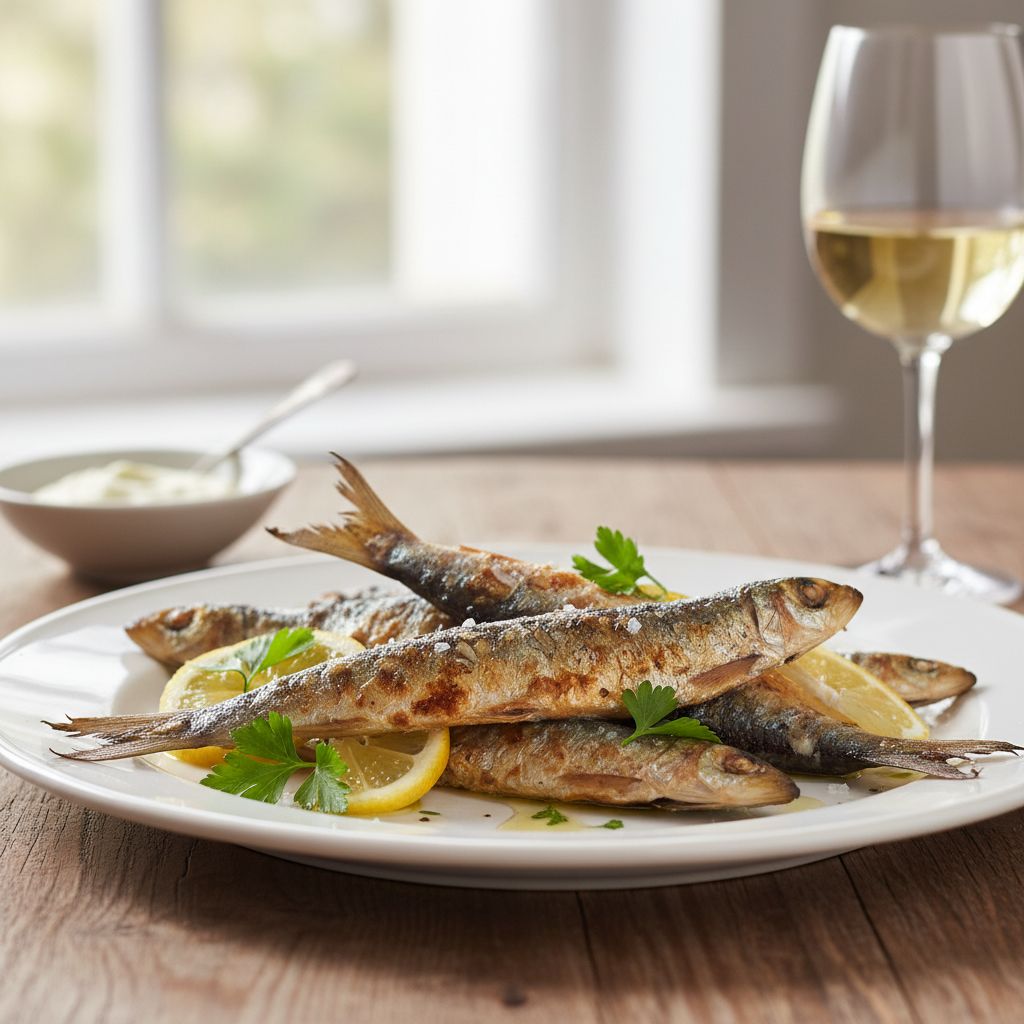
Foods to eat
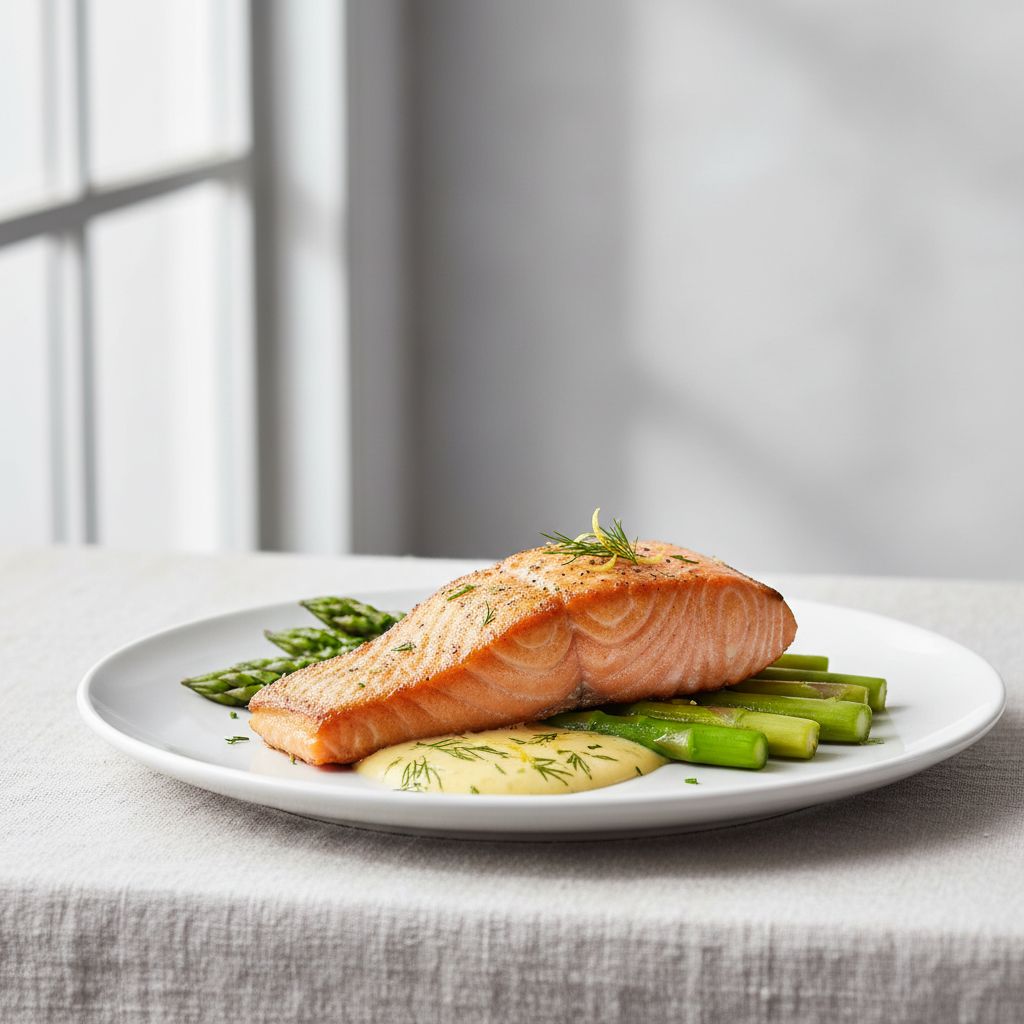
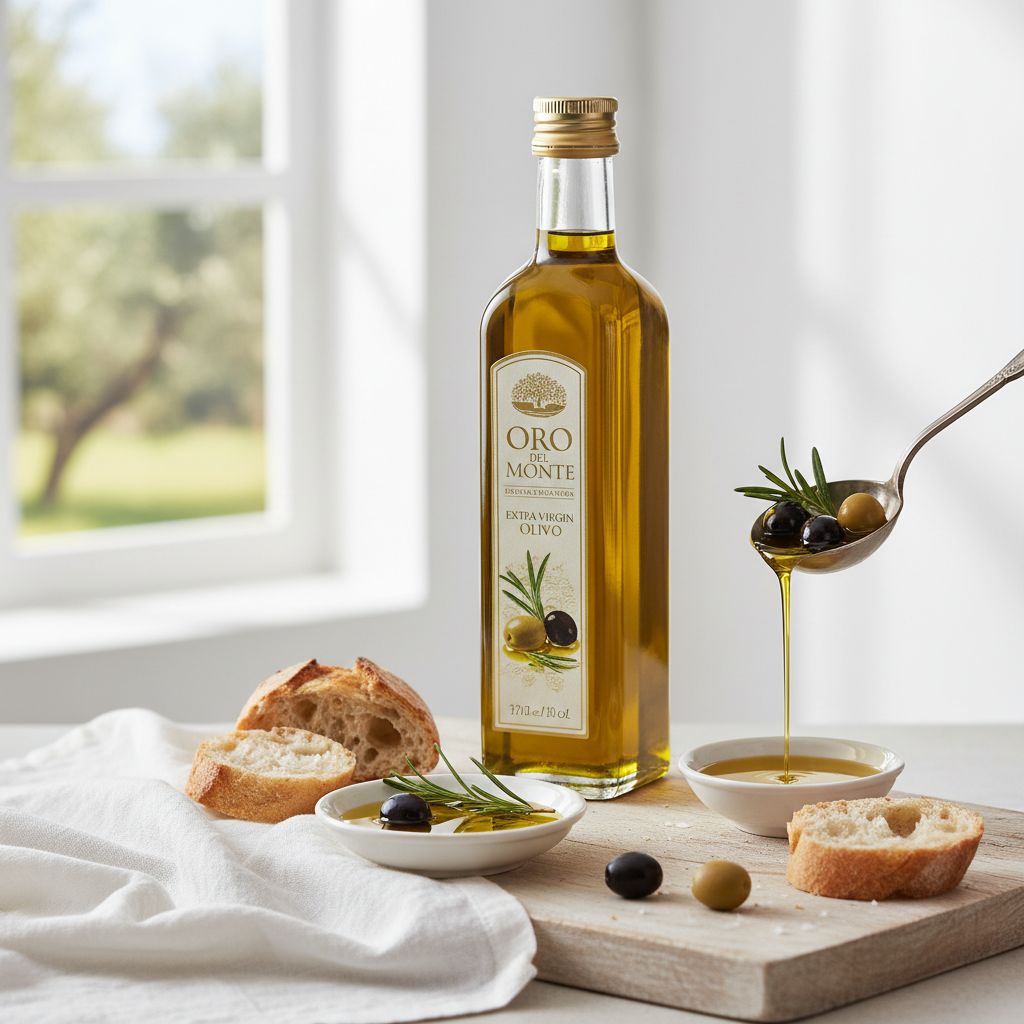
These foods have been shown to help reduce inflammation associated with heart disease.
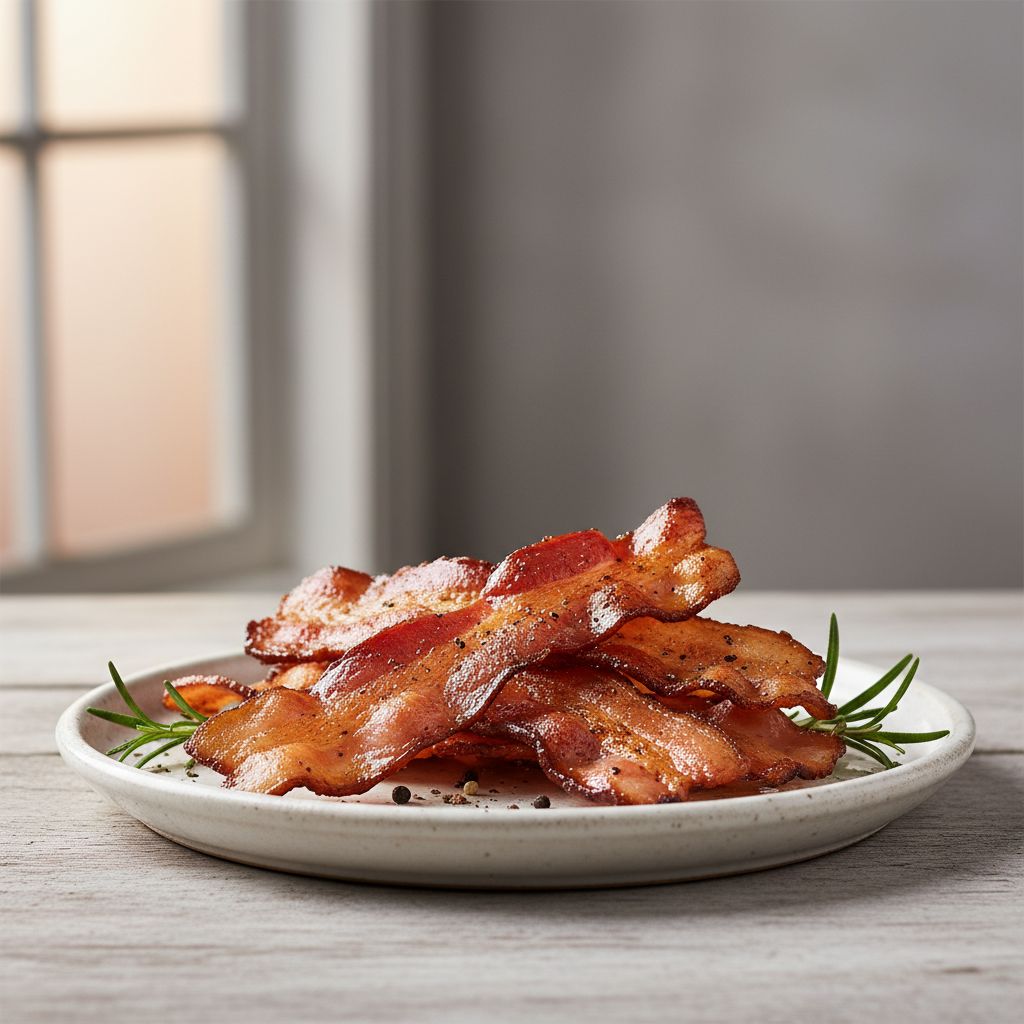
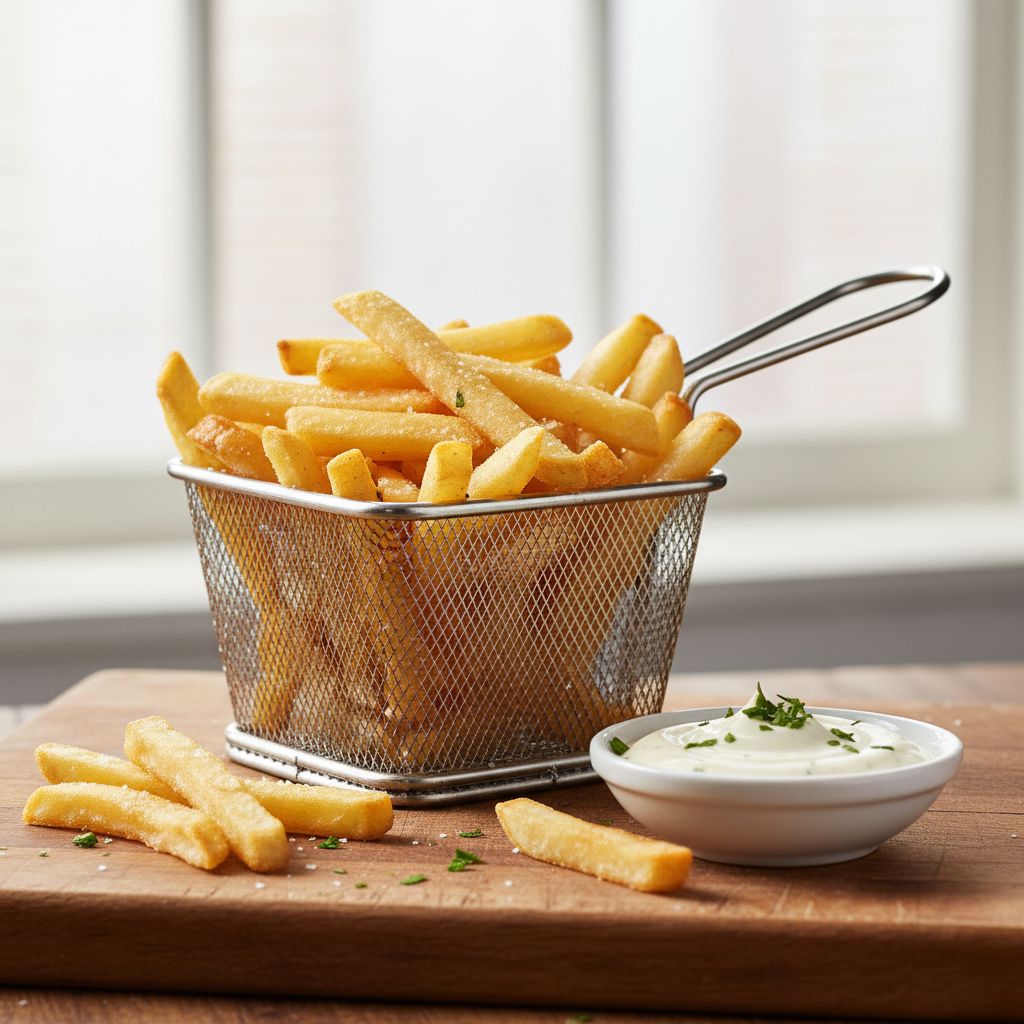
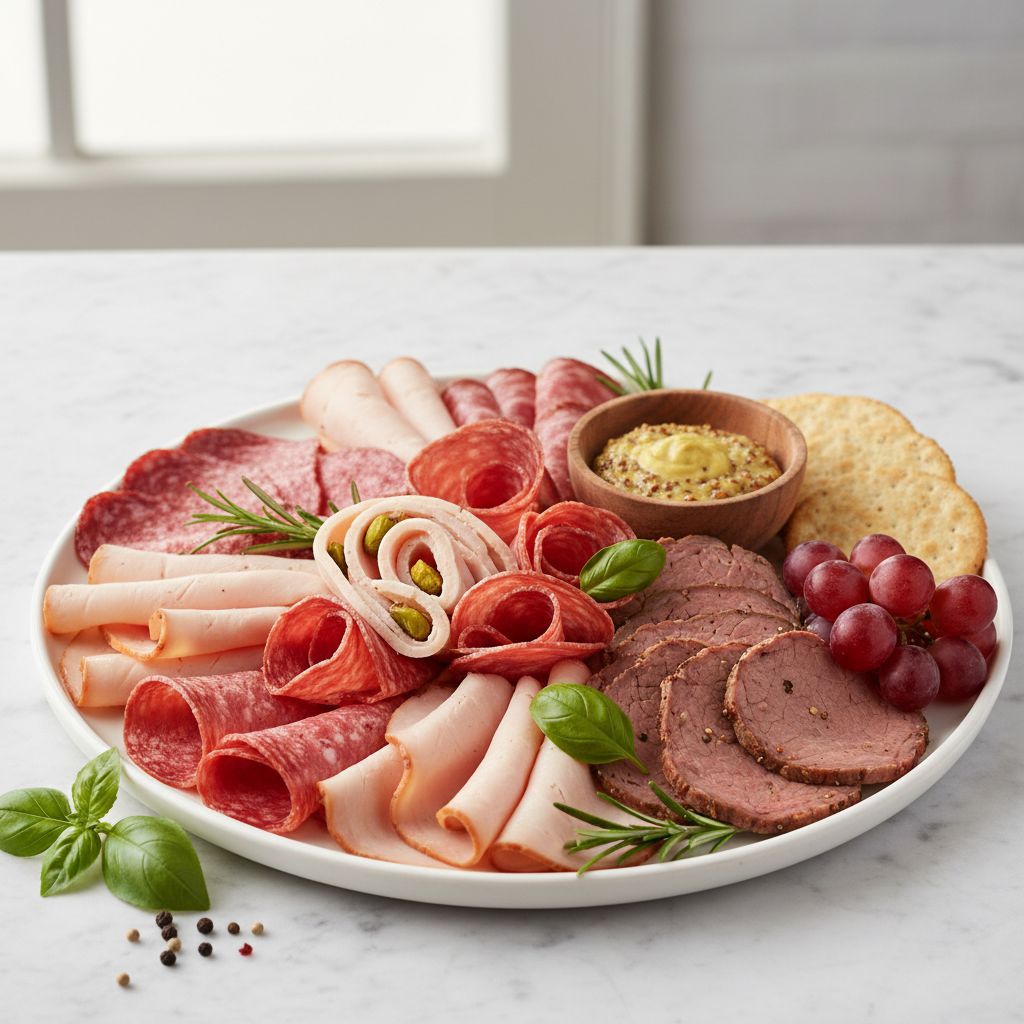
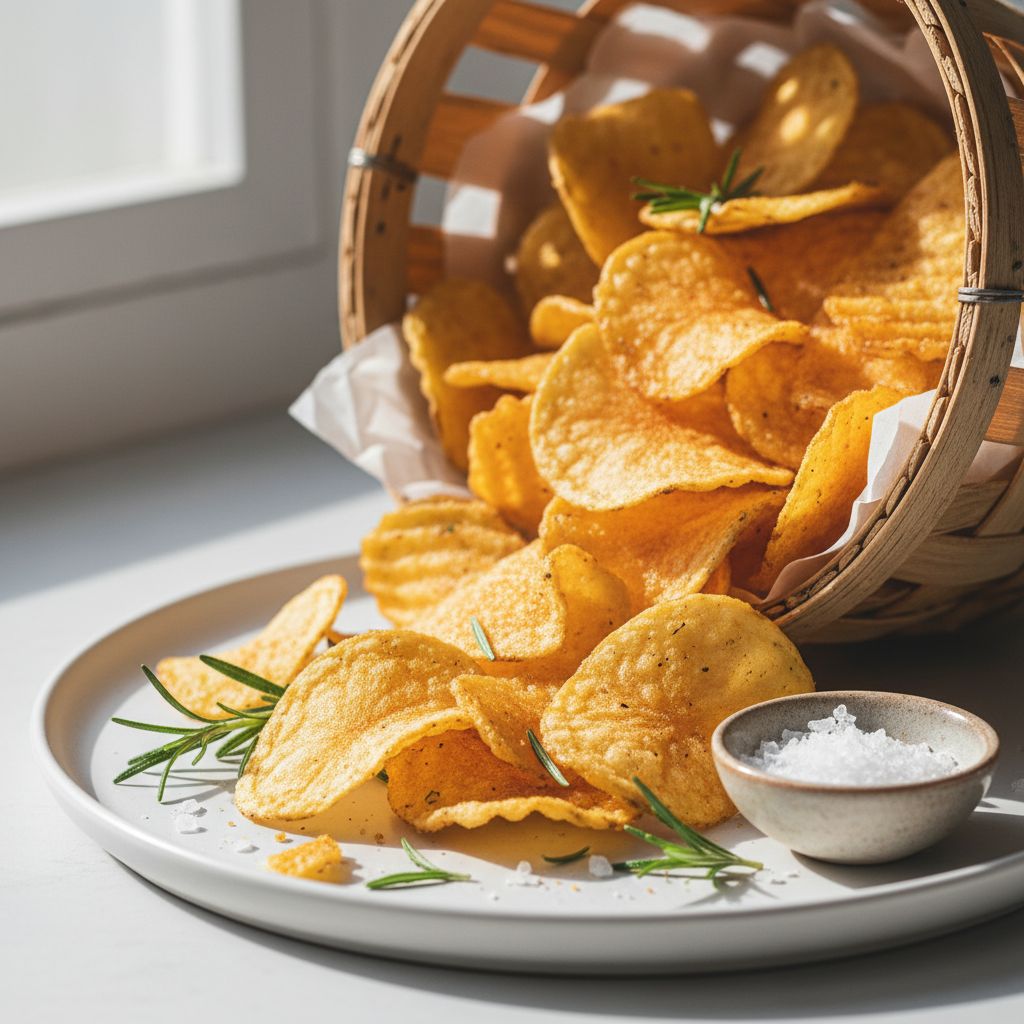
Foods to avoid
These inflammatory foods can worsen heart disease symptoms and should be limited or eliminated.




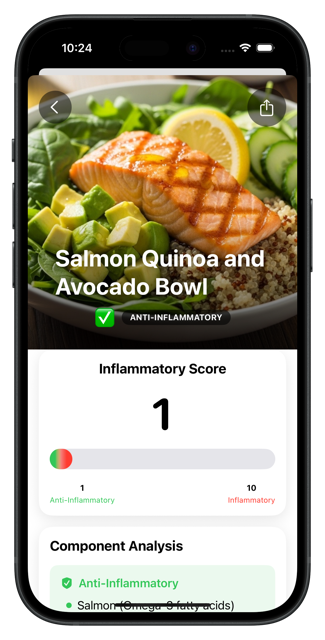
Get instant inflammation scores in your pocket
Scan any food with your camera, track your daily score, and get healthier swaps. Free on iOS & Android.


Dietary Tips for Heart Disease
Eat omega-3-rich fish like salmon or sardines at least 3 times per week to reduce triglycerides.
Use extra virgin olive oil as your primary cooking fat for its heart-protective polyphenols.
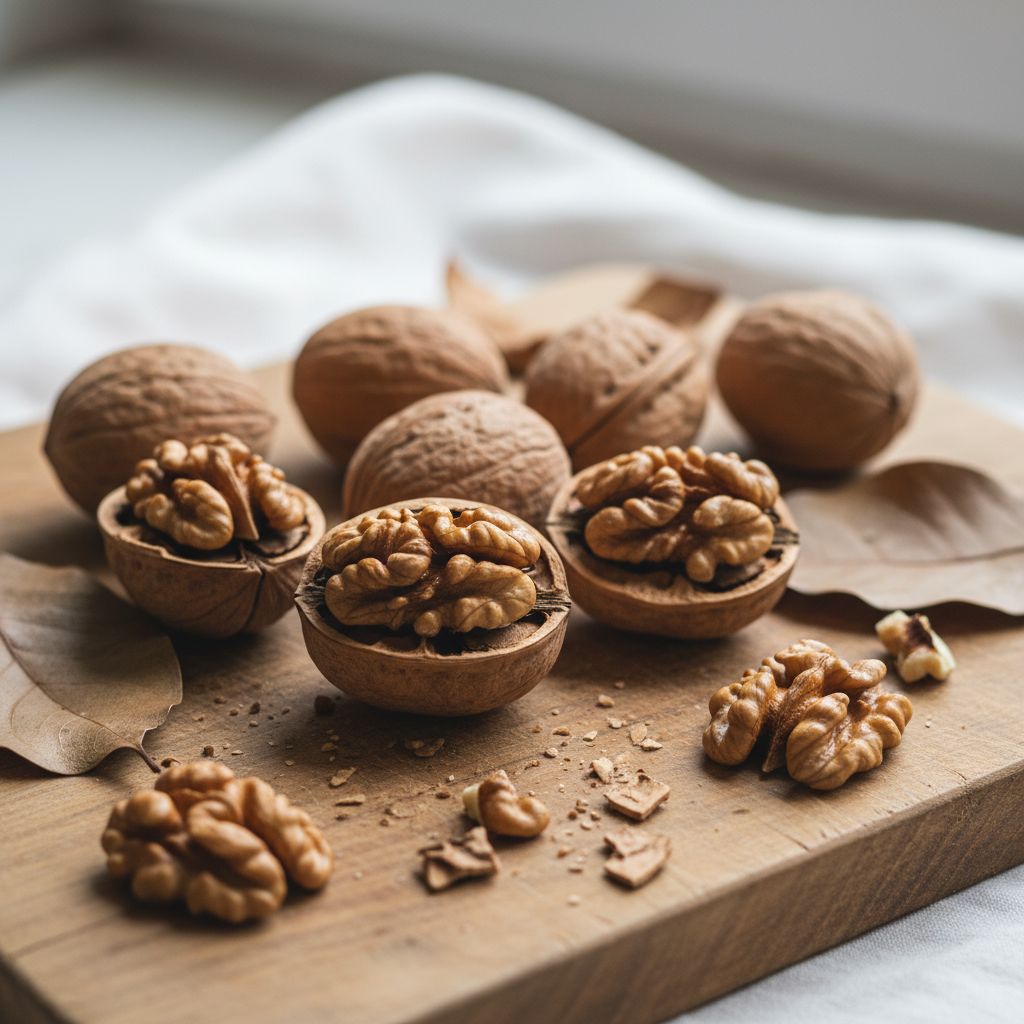
Include a handful of walnuts or almonds daily — studies show they lower LDL cholesterol.
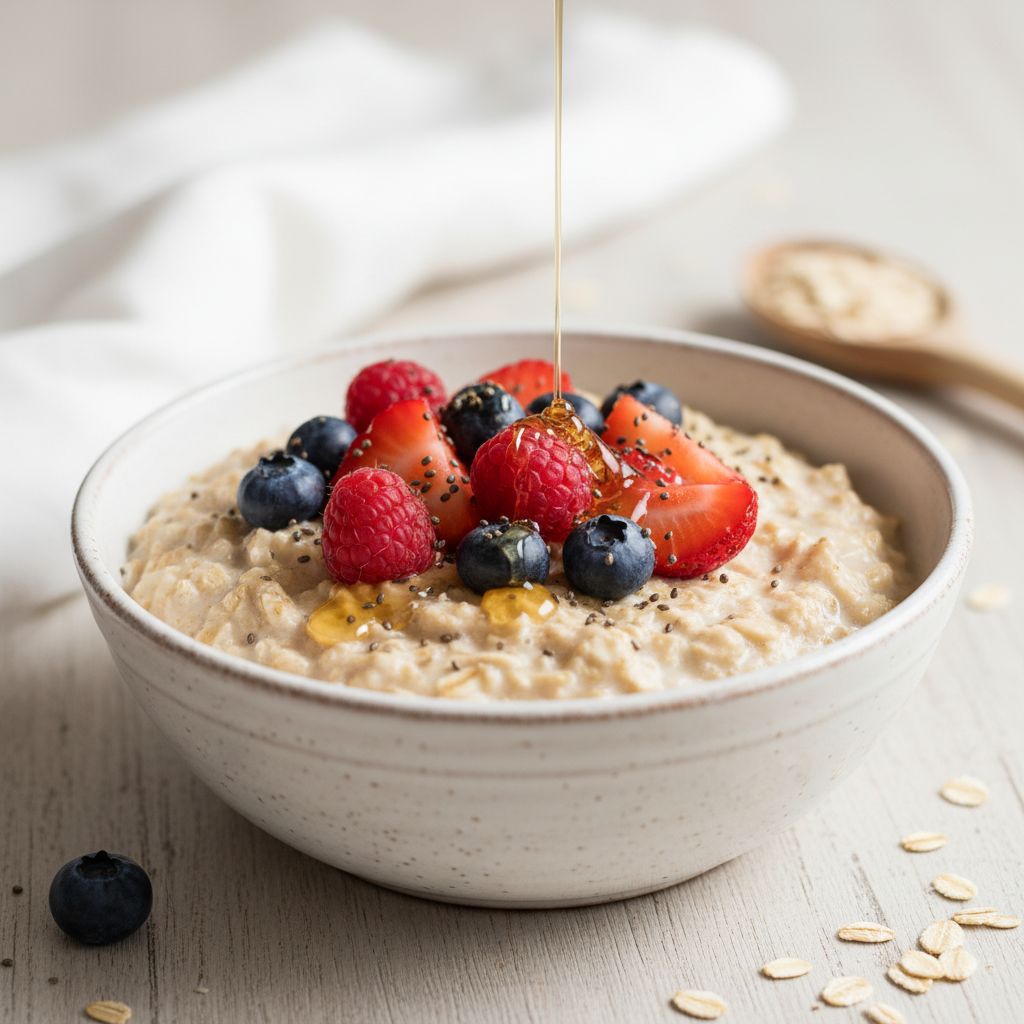
Eat oats or oat bran for breakfast to benefit from soluble fiber that binds cholesterol.
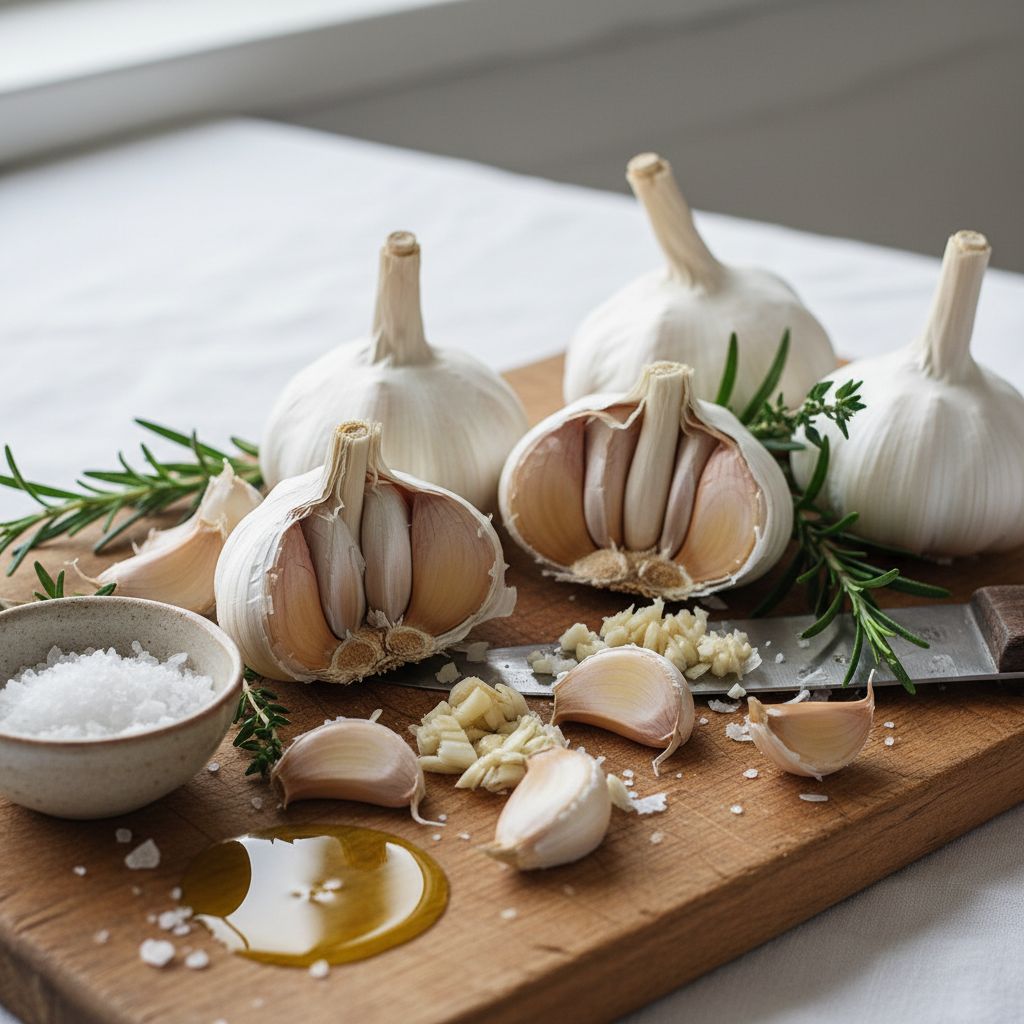
Add garlic to meals regularly, as it helps lower blood pressure and improves circulation.
Avoid trans fats found in margarine, fried foods, and many processed snacks.
Frequently Asked Questions
Q.Can an anti-inflammatory diet reverse heart disease?
Research suggests that an anti-inflammatory diet can slow and in some cases partially reverse atherosclerosis. The combination of omega-3 fatty acids, polyphenols, fiber, and antioxidants reduces arterial inflammation, improves endothelial function, and lowers key risk factors. Dr. Dean Ornish's research showed that intensive lifestyle changes including diet can reverse coronary artery blockages.
Q.What is the best diet for lowering inflammation and heart disease risk?
The Mediterranean diet has the strongest evidence for reducing heart disease risk. It emphasizes extra virgin olive oil, fatty fish, nuts, whole grains, fruits, and vegetables while limiting red meat and processed foods. The PREDIMED study showed a 30% reduction in cardiovascular events with this dietary pattern.
Q.Does inflammation cause high cholesterol?
Inflammation and high cholesterol are closely linked. Chronic inflammation damages arterial walls, which triggers the body to deposit cholesterol as a repair mechanism, leading to plaque buildup. Reducing inflammation through diet can improve cholesterol profiles by lowering LDL oxidation and raising protective HDL cholesterol.
Educational content. Not medical advice.
Information on this page is for educational purposes only. It is not a substitute for professional medical advice, diagnosis, or treatment. Consult your healthcare provider before changing your diet, especially if you have a medical condition, take medications, or are pregnant or breastfeeding. Read the full disclaimer.
Scan a food in 2 seconds. Know if it's healing or hurting you.
Point your camera at any meal, ingredient, or label. Get an instant inflammation score, the science behind it, and better alternatives. All free.