Vegetables
11
Foods
11
Anti-inflammatory
1.7
Avg score
About Vegetables
Vegetables form the foundation of any anti-inflammatory diet. Leafy greens like spinach, kale, and Swiss chard are loaded with vitamins K, A, and C, along with powerful antioxidants such as quercetin and kaempferol that actively suppress inflammatory pathways. Cruciferous vegetables like broccoli and cauliflower contain sulforaphane, a compound shown to block the enzyme that causes joint inflammation and pain.
At a glance
- Anti-inflammatory
- 11
- Neutral
- 0
- Inflammatory
- 0
Vegetables Ranked by Inflammation Score
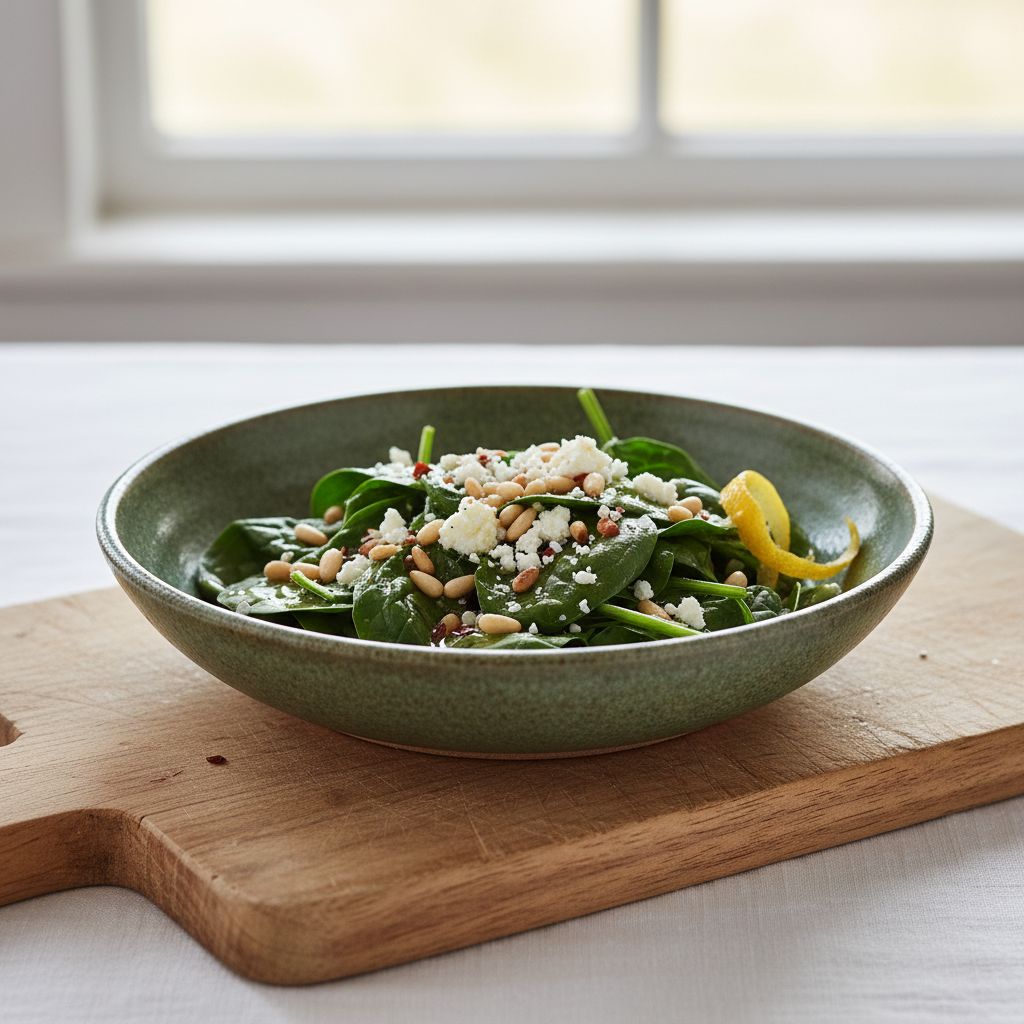
Spinach
Anti-Inflammatory
Spinach is a nutrient-dense leafy green loaded with anti-inflammatory vitamins, minerals, and phytonutrients.
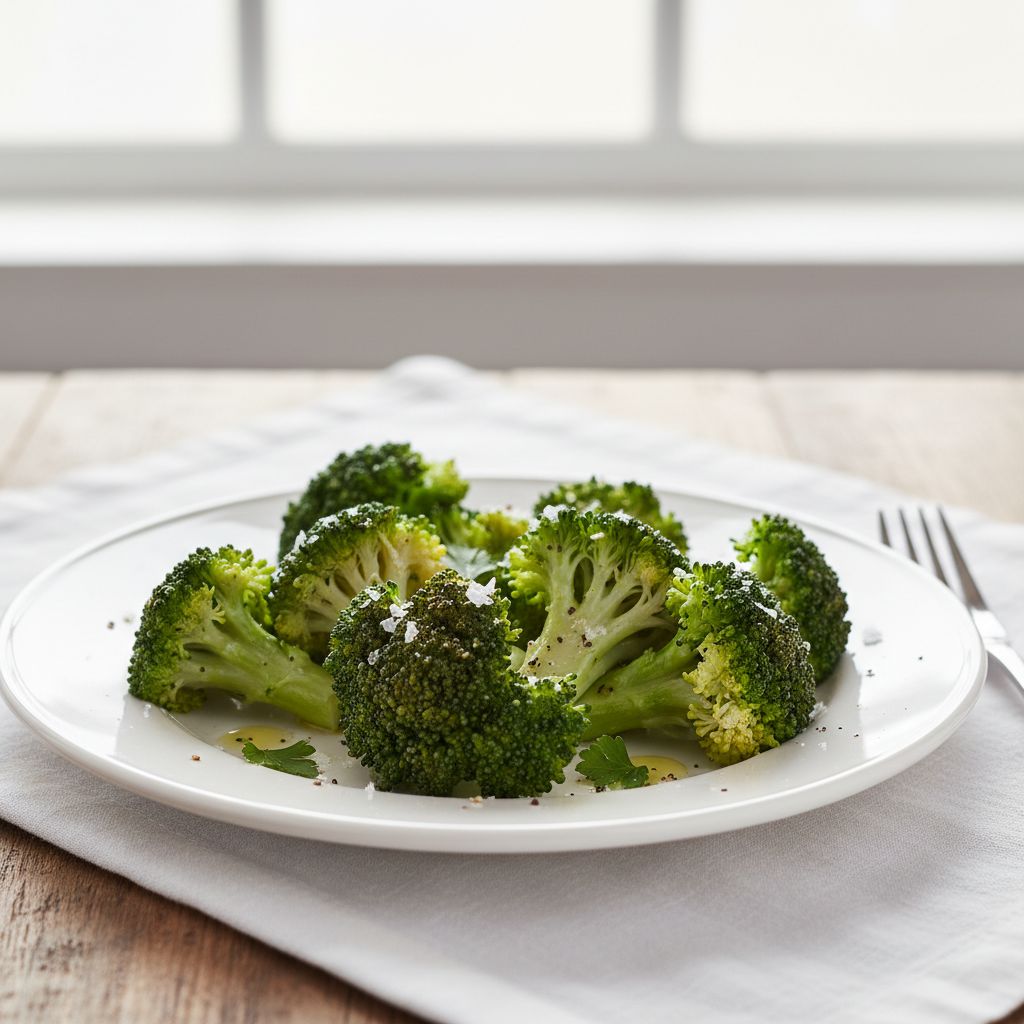
Broccoli
Anti-Inflammatory
Broccoli is a cruciferous vegetable rich in sulforaphane, a compound that reduces inflammation by reducing levels of cytokines and NF-kB, key drivers of inflammation.
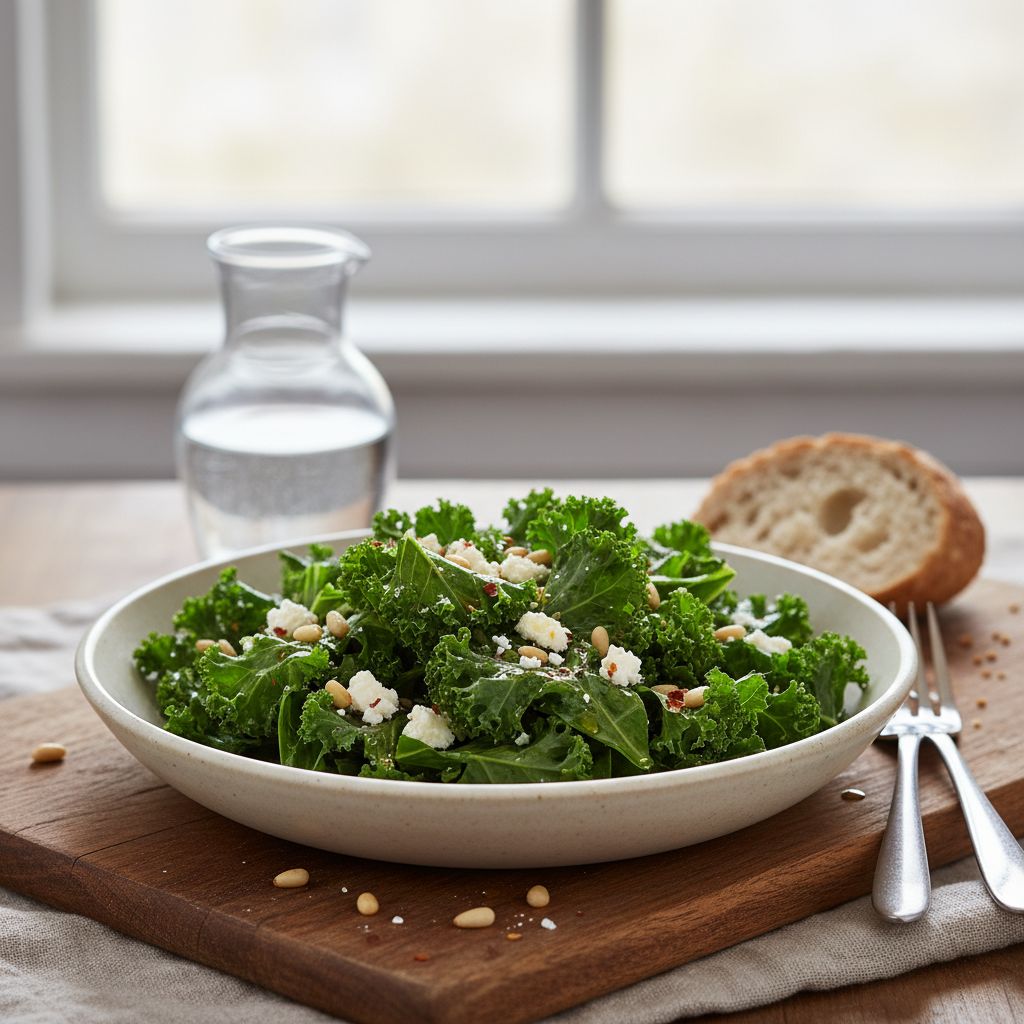
Kale
Anti-Inflammatory
Kale is one of the most nutrient-dense foods on the planet.
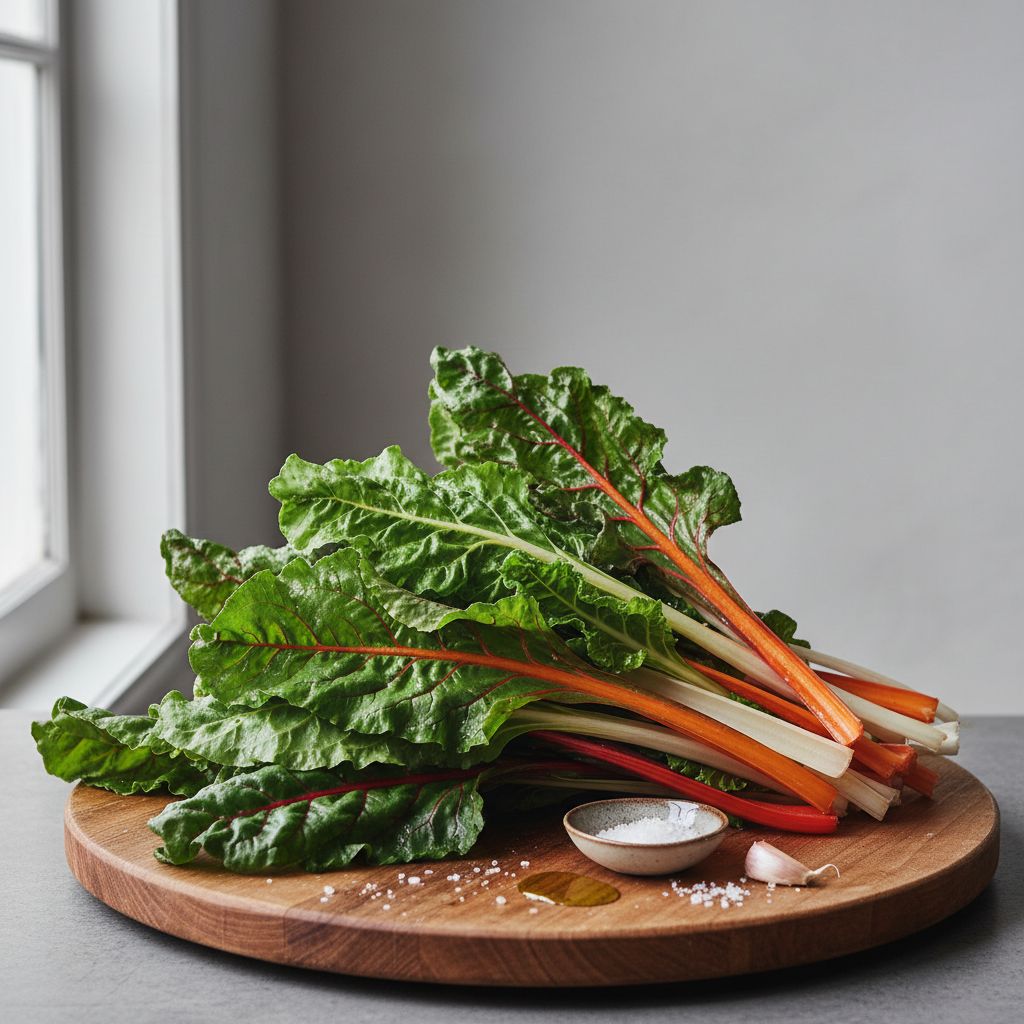
Swiss Chard
Anti-Inflammatory
Swiss chard is a colorful leafy green packed with vitamins, minerals, and betalain pigments with powerful anti-inflammatory and antioxidant properties.
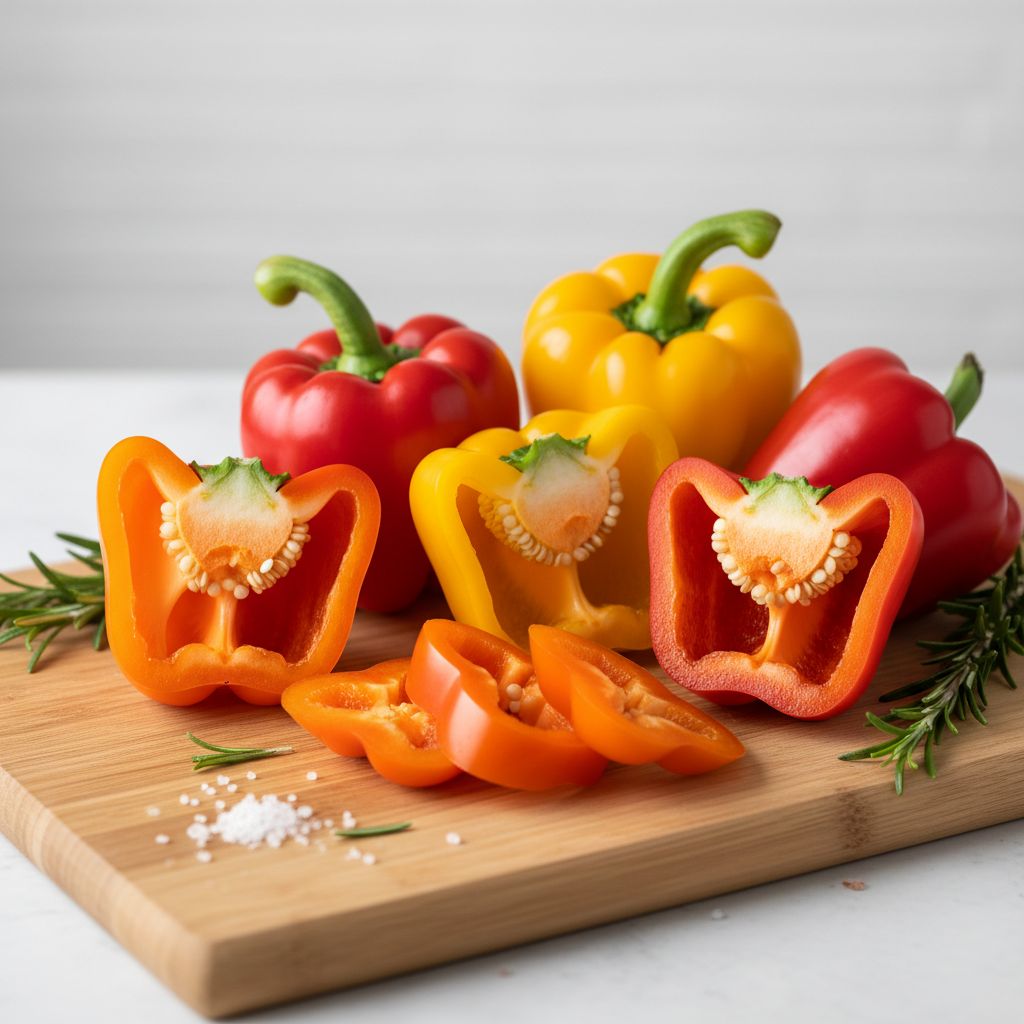
Bell Peppers
Anti-Inflammatory
Bell peppers are exceptionally rich in vitamin C and contain a variety of antioxidants.
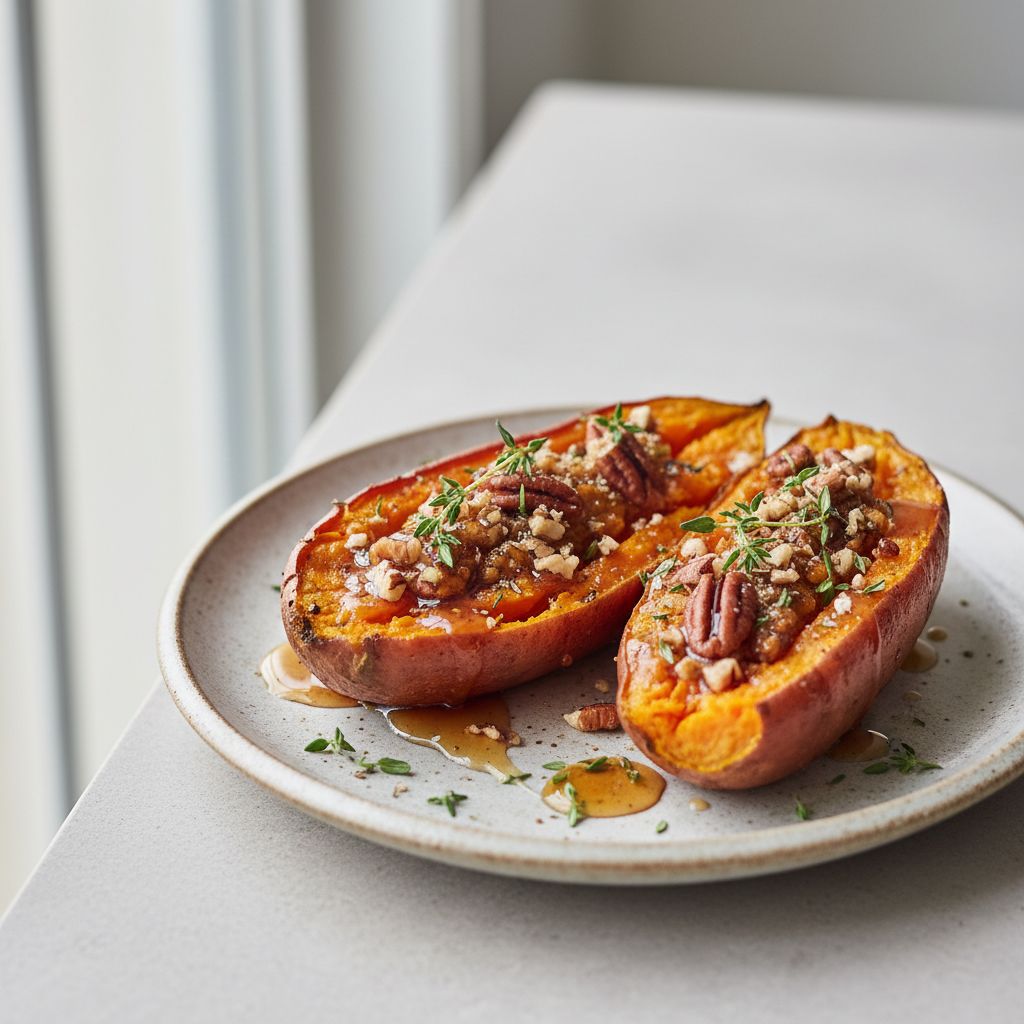
Sweet Potato
Anti-Inflammatory
Sweet potatoes are rich in beta-carotene, vitamins, and anti-inflammatory anthocyanins (especially purple varieties).
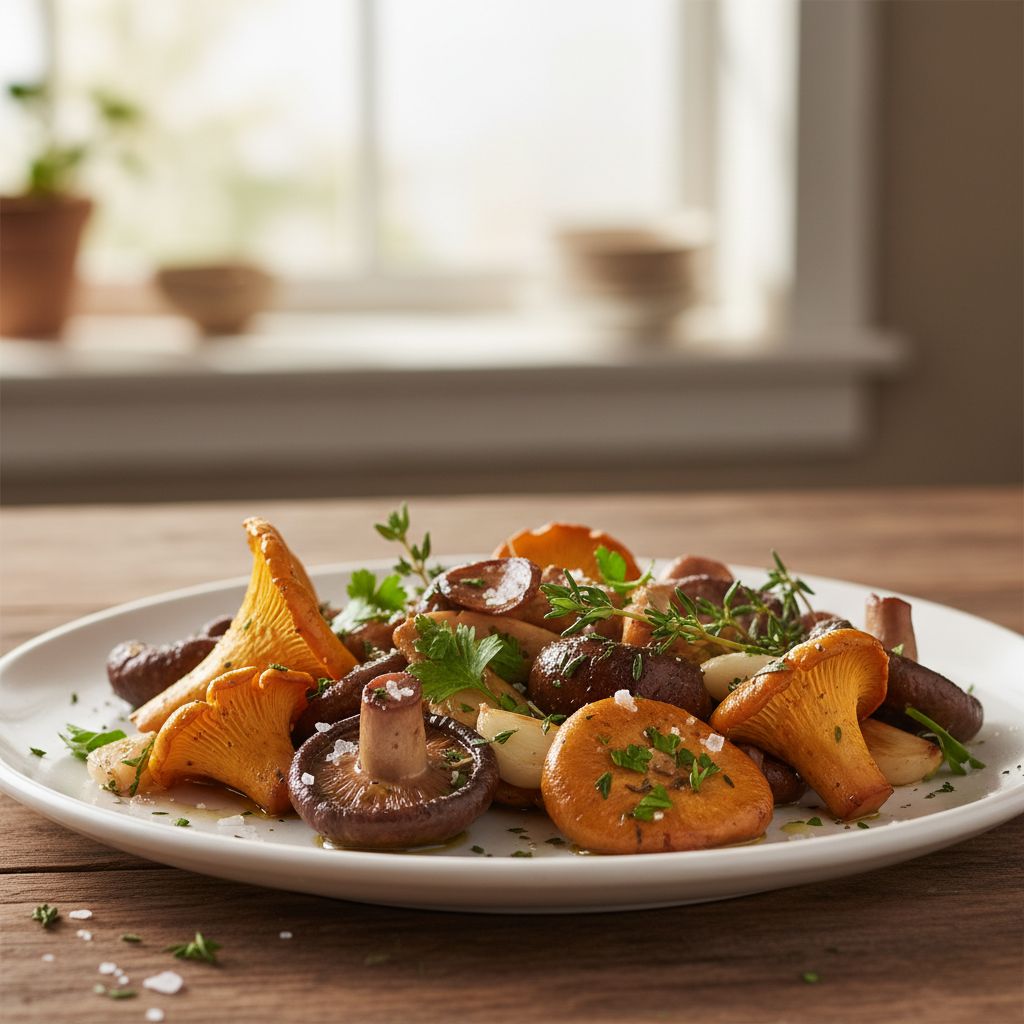
Mushrooms
Anti-Inflammatory
Mushrooms contain unique anti-inflammatory compounds including ergothioneine, beta-glucans, and phenolic compounds.
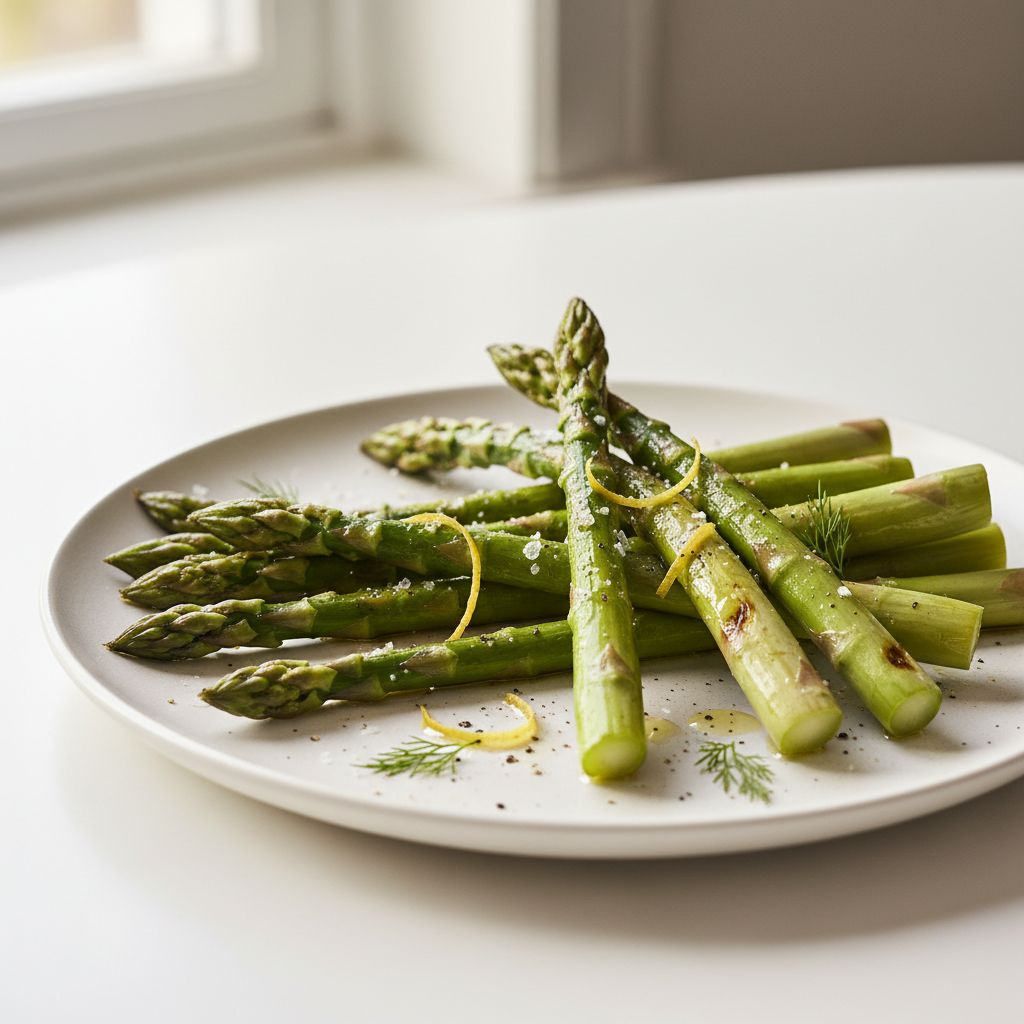
Asparagus
Anti-Inflammatory
Asparagus is a nutrient-rich vegetable with anti-inflammatory saponins, flavonoids, and prebiotic fiber.

Cauliflower
Anti-Inflammatory
Cauliflower is a cruciferous vegetable rich in sulforaphane and indole-3-carbinol.
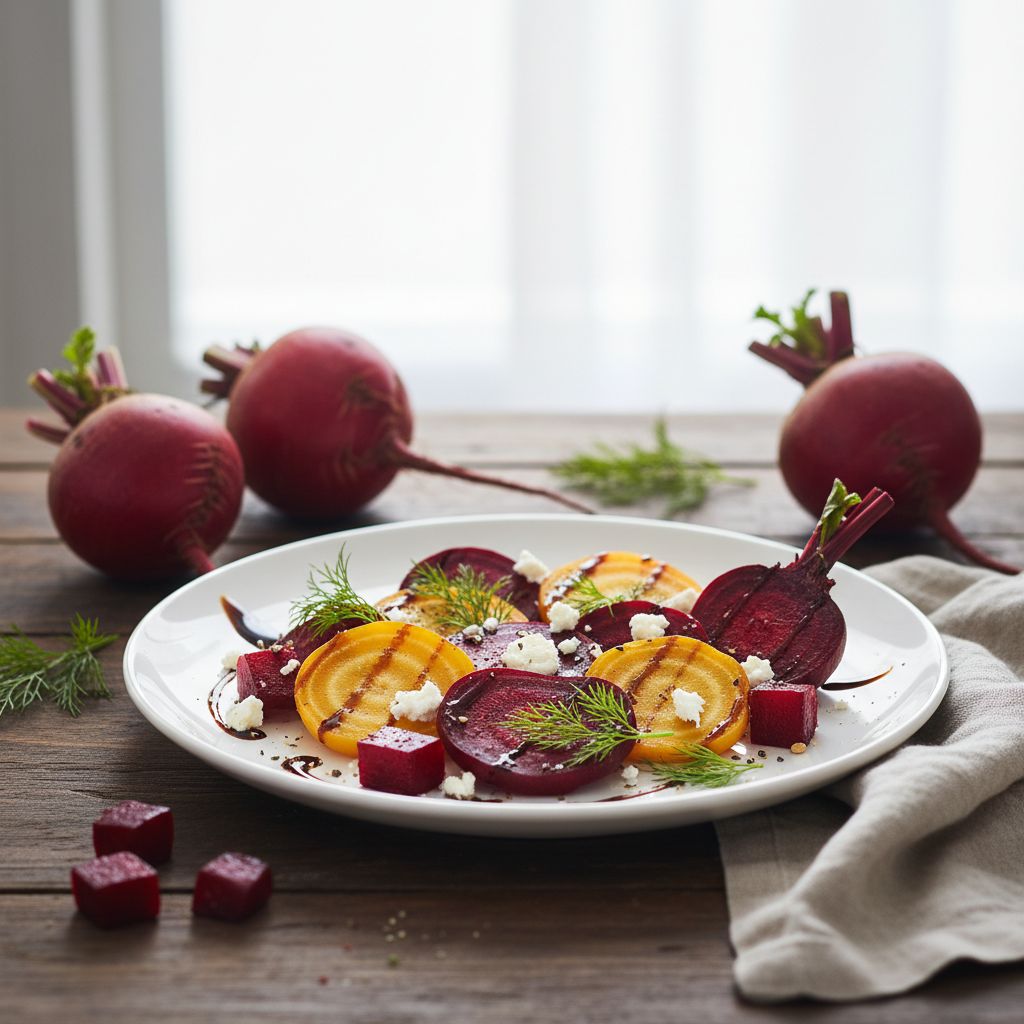
Beets
Anti-Inflammatory
Beets are rich in betalains (the pigment that gives them their deep red color) and nitrates, both of which have anti-inflammatory properties and support cardiovascular health.
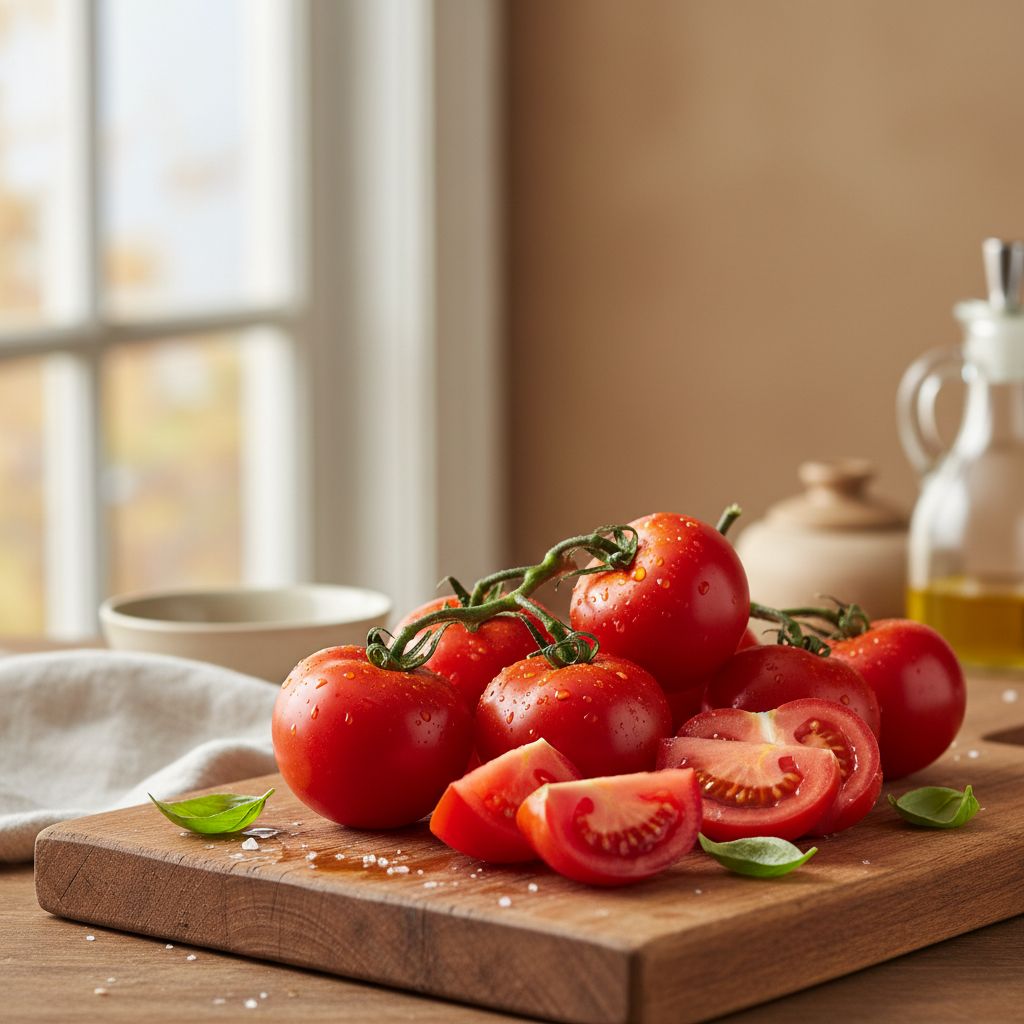
Tomatoes
Anti-Inflammatory
Tomatoes are rich in lycopene, a powerful antioxidant that gives them their red color.
Why Vegetables Matter for Inflammation
Vegetables form the foundation of any anti-inflammatory diet. Leafy greens like spinach, kale, and Swiss chard are loaded with vitamins K, A, and C, along with powerful antioxidants such as quercetin and kaempferol that actively suppress inflammatory pathways. Cruciferous vegetables like broccoli and cauliflower contain sulforaphane, a compound shown to block the enzyme that causes joint inflammation and pain.
Beyond leafy greens and cruciferous varieties, colorful vegetables like bell peppers, beets, and sweet potatoes deliver a diverse range of anti-inflammatory phytonutrients including betalains, carotenoids, and flavonoids. Eating a rainbow of vegetables daily ensures your body receives the full spectrum of compounds needed to keep chronic inflammation at bay. Most nutrition experts recommend at least five servings of vegetables per day for optimal anti-inflammatory benefits.
Check any food in seconds
Scan a label or a plate and Flammy tells you how inflammatory it is.


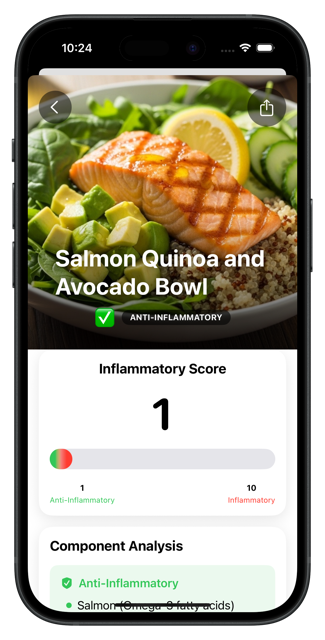
Is It Inflammatory?
Learn more about the inflammatory properties of each vegetables item:
Scan a food in 2 seconds. Know if it's healing or hurting you.
Point your camera at any meal, ingredient, or label. Get an instant inflammation score, the science behind it, and better alternatives. All free.