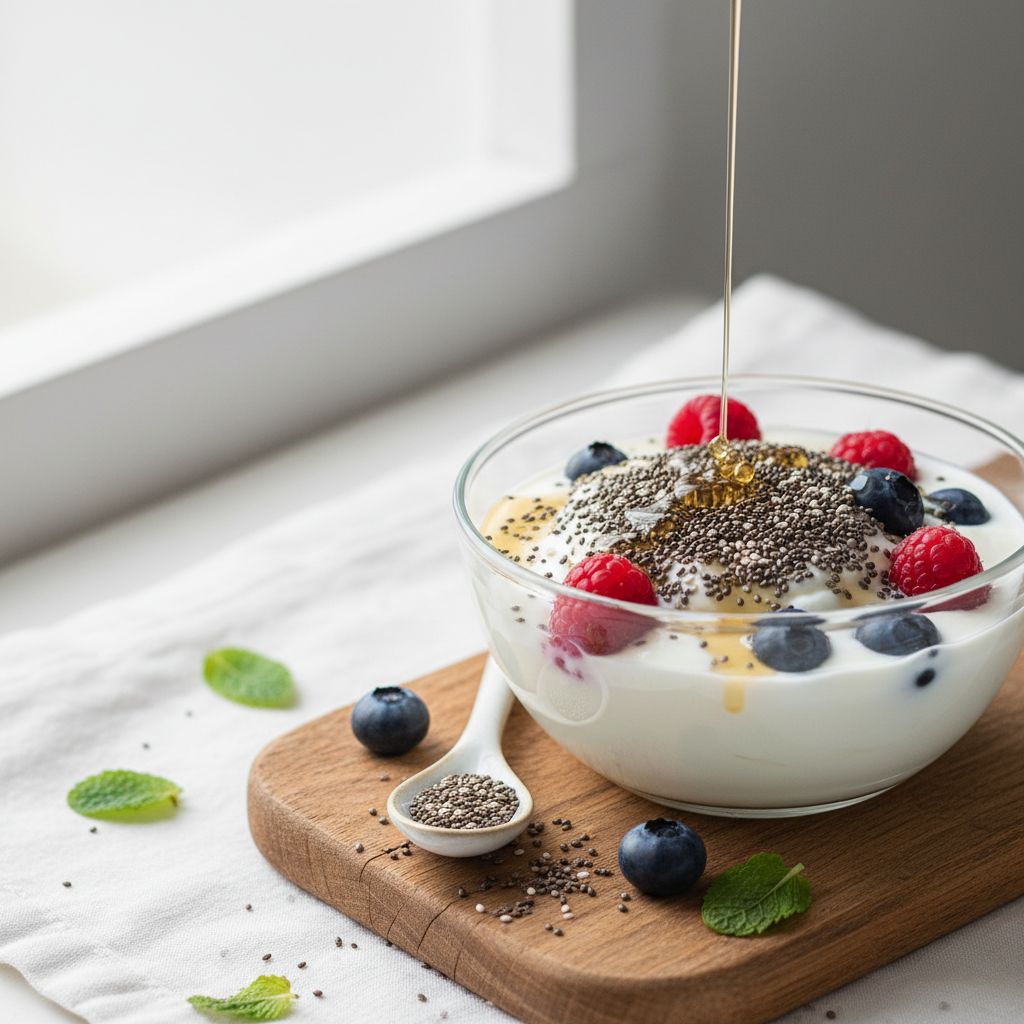
Is Chia Seeds Inflammatory?
2/10
Inflammation score
anti-inflammatory
Category
Yes — it fights inflammation
Verdict
Chia Seeds has an inflammation score of 2/10, making it anti-inflammatory. This food actively helps reduce inflammation in your body.
Quick facts
- Inflammation
- 2/10
- Category
- anti-inflammatory
- Serving size
- 2 tablespoons (28g)
Key nutrients
Serving & tips
2 tablespoons (28g)
Soak in liquid for at least 15 minutes before eating for best digestibility. Make chia pudding, add to smoothies, or sprinkle on yogurt and oatmeal.
Why Is Chia Seeds Anti-Inflammatory?
Chia seeds are tiny nutritional powerhouses loaded with omega-3 fatty acids, fiber, and antioxidants. They absorb liquid and form a gel, making them versatile in cooking.
Key Anti-Inflammatory Properties
- Very high in plant-based omega-3 (ALA)
- Excellent source of soluble fiber
- Rich in antioxidants
- Good source of calcium and magnesium
- May help stabilize blood sugar
Things to Watch Out For
- Can cause bloating if not consumed with enough water
- May interact with blood pressure medications
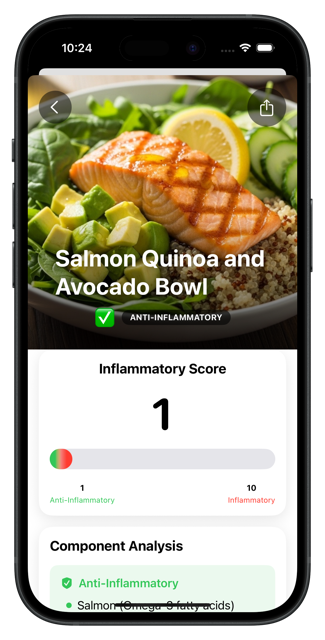
Got another food in mind? Scan it
Free AI scanner. Get an inflammation score in 2 seconds.


You Might Also Wonder
Explore the inflammatory profiles of other common foods:
Want to Check Another Food?
Use our AI-powered food scanner to instantly find the inflammation score of any food. Just type or scan and get your answer in seconds.
Try Our AI Food ScannerScan a food in 2 seconds. Know if it's healing or hurting you.
Point your camera at any meal, ingredient, or label. Get an instant inflammation score, the science behind it, and better alternatives. All free.

About Chia Seeds and Inflammation
Understanding how chia seeds affects inflammation is important for anyone following an anti-inflammatory diet. With an inflammation score of 2 out of 10, chia seeds is classified as anti-inflammatory in the Flammy food database.
Including chia seeds as part of a balanced anti-inflammatory diet can help reduce chronic inflammation, which is linked to conditions like heart disease, diabetes, arthritis, and certain cancers. The anti-inflammatory compounds in chia seeds work by reducing inflammatory markers like C-reactive protein (CRP) and pro-inflammatory cytokines.
The inflammation score is based on a comprehensive analysis of the food's nutritional profile, including its fatty acid composition, glycemic impact, antioxidant content, and the presence of pro-inflammatory or anti-inflammatory compounds. Scores range from 1 (most anti-inflammatory) to 10 (most inflammatory).