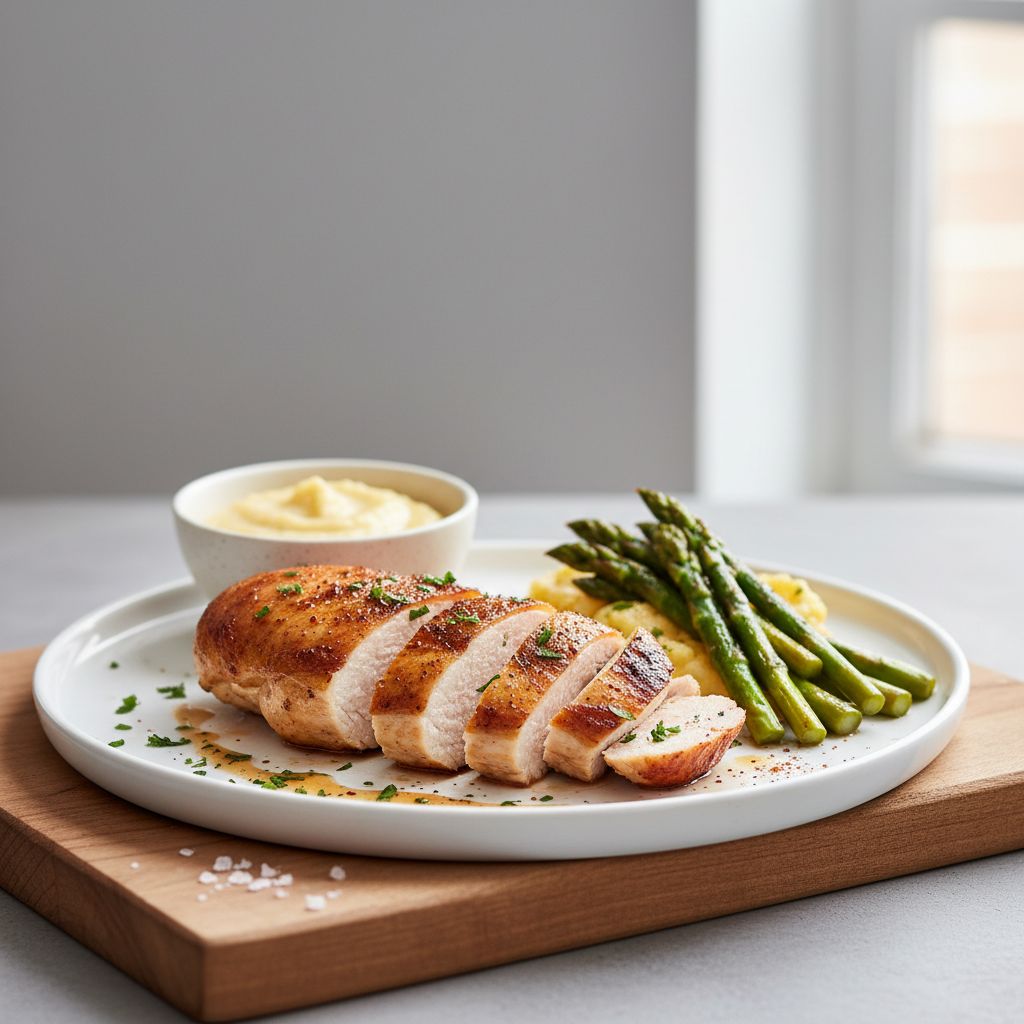
Is Chicken Breast Inflammatory?
4/10
Inflammation score
moderately inflammatory
Category
Somewhat — eat in moderation
Verdict
Chicken Breast has an inflammation score of 4/10, making it moderately inflammatory. This food has a balanced inflammatory profile.
Quick facts
- Inflammation
- 4/10
- Category
- moderately inflammatory
- Serving size
- 3 oz (85g) cooked
Key nutrients
Serving & tips
3 oz (85g) cooked
Choose organic or pasture-raised when possible. Grill, bake, or poach instead of frying. Pair with anti-inflammatory herbs and spices like turmeric and rosemary.
Why Is Chicken Breast Moderately Inflammatory?
Chicken breast is a lean protein source that is relatively neutral on the inflammatory scale. It provides essential amino acids without the high saturated fat of red meat.
Potential Benefits
- Lean, high-quality protein source
- Low in saturated fat
- Good source of B vitamins, especially niacin
- Contains selenium for antioxidant support
- Versatile in cooking
Inflammatory Concerns
- Conventional chicken may contain antibiotics residue
- Low in omega-3 fatty acids
- Frying significantly increases inflammatory potential
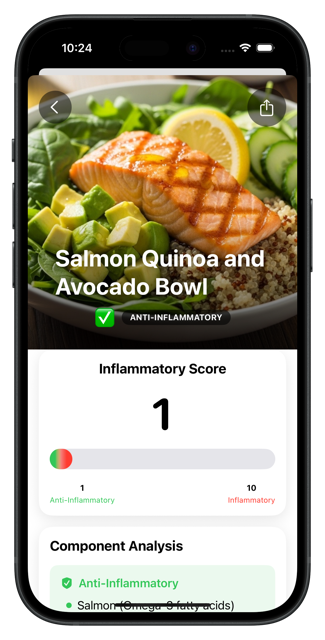
Got another food in mind? Scan it
Free AI scanner. Get an inflammation score in 2 seconds.


Healthier Anti-Inflammatory Alternatives
If you're looking to reduce inflammation, try these alternatives to chicken breast:
Almond Milk
Unsweetened almond milk is a low-calorie, dairy-free alternative that is naturally anti-inflammatory.
Almonds
Almonds are nutrient-rich tree nuts that provide healthy fats, protein, fiber, and vitamin E.
Apple
Apples contain quercetin and other polyphenols with anti-inflammatory properties.
Asparagus
Asparagus is a nutrient-rich vegetable with anti-inflammatory saponins, flavonoids, and prebiotic fiber.
Avocado
Avocados are rich in monounsaturated fats, potassium, and anti-inflammatory compounds.
Beets
Beets are rich in betalains (the pigment that gives them their deep red color) and nitrates, both of which have anti-inflammatory properties and support cardiovascular health.
You Might Also Wonder
Explore the inflammatory profiles of other common foods:
Want to Check Another Food?
Use our AI-powered food scanner to instantly find the inflammation score of any food. Just type or scan and get your answer in seconds.
Try Our AI Food ScannerScan a food in 2 seconds. Know if it's healing or hurting you.
Point your camera at any meal, ingredient, or label. Get an instant inflammation score, the science behind it, and better alternatives. All free.

About Chicken Breast and Inflammation
Understanding how chicken breast affects inflammation is important for anyone following an anti-inflammatory diet. With an inflammation score of 4 out of 10, chicken breast is classified as moderately inflammatory in the Flammy food database.
While chicken breast is not highly inflammatory, it is best consumed in moderation as part of a balanced diet. Pairing it with anti-inflammatory foods like leafy greens, fatty fish, and berries can help offset any potential inflammatory effects.
The inflammation score is based on a comprehensive analysis of the food's nutritional profile, including its fatty acid composition, glycemic impact, antioxidant content, and the presence of pro-inflammatory or anti-inflammatory compounds. Scores range from 1 (most anti-inflammatory) to 10 (most inflammatory).